6 Best Paint To Use On Football Helmets in 2026
This post contains affiliate links. As an Amazon Associate, we earn from qualifying purchases.
For painters and customizers looking for the best paint to use on football helmets, Vallejo Premium Color RC Orange wins as the Best Overall pick. It bonds to polycarbonate and metal surfaces while resisting fuel up to 35% nitro. Our guide also highlights the TAMIYA Polycarbonate PS-5 Black for polycarbonate touch-ups and the Rust-Oleum Automotive Adhesion Promoter Spray for DIY helmet painters.
The challenge with painting a football helmet is finding a finish that sticks to slick polycarbonate or fiberglass and holds up against sweat, sun, and the occasional fuel splash from sideline equipment. Most general-purpose spray paints peel or chip within weeks on these surfaces.
We built this guide by examining manufacturer specifications, surface-bonding science, and patterns in owner feedback from hobbyists and DIY painters. You will find six paint options that each serve a specific need, from airbrush-ready formulas to adhesion promoters and clear topcoats.
Top 6 Paints For Football Helmets in the Market
Certain content that appears on this site comes from Amazon. This content is provided "as is" and is subject to change or removal at any time.
The Best Paints For Football Helmets, Reviewed
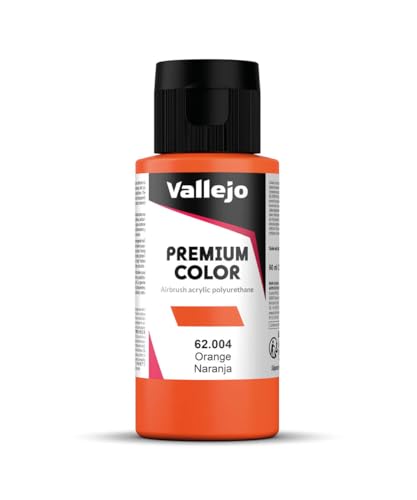
Vallejo Premium Color RC Orange
What We Like
- Bonds to polycarbonate and metal surfaces
- Fuel resistant up to 35% nitro
- Water-based, non-toxic formula
- Matte finish from permanent pigments
Trade-offs
- Small 2.02 fl. oz. bottle covers limited area
- Requires proper curing for fuel resistance
- Designed for airbrushing, not spray cans
The 2.02-ounce bottle is small, but what matters here is the chemistry: an acrylic-polyurethane hybrid resin that bonds directly to polycarbonate, fiberglass, and metal. The matte finish reduces reflections, and once cured, the paint holds up against fuel mixtures with up to 35% nitro content. For a customizer who wants a durable paint that sticks to those surfaces without primer, this is a formula that balances adhesion and toughness.
The trade-off is that you need an airbrush gear and patience. Unlike the Krylon Fusion All-In-One spray paint, which is a different delivery method, Vallejo is designed for airbrushing and requires thinning and mixing. The small bottle size means coverage is limited, and the curing time before it reaches its advertised fuel resistance demands a patient schedule. If you are a hobbyist painting one project at a time with an airbrush, this paint works well. Not ideal for a quick rattle-can job or for anyone who wants a single-coat solution without mixing or waiting.
Product photos
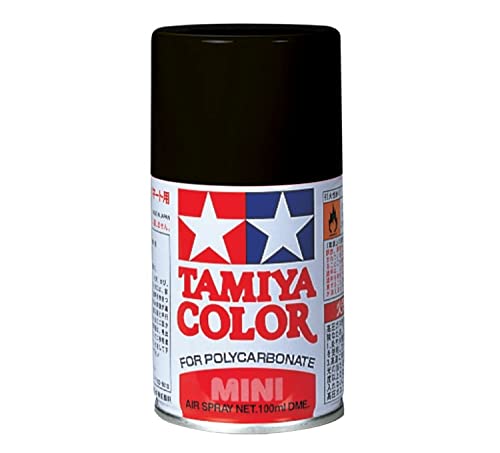
TAMIYA Polycarbonate PS-5 Black
What We Like
- Spray format for even application
- Formulated for polycarbonate resin
- 100 ml net volume per can
Trade-offs
- Designed for RC bodies, not impact-rated helmets
- Color on cap is only approximate
This TAMIYA spray contains 100 ml of synthetic resin paint designed specifically for polycarbonate resin, the material used in RC car bodies. The spray format allows you to apply the paint directly from the can, making it easy to apply without needing an airbrush. Because it is formulated for polycarbonate, it is suitable for any polycarbonate surface that needs a flexible coating that needs a coating that bends and flexes without cracking on impact.
This paint is made for hobby RC bodies, not for helmets that need to meet safety standards. The color you see on the cap is only approximate, so always test on a scrap piece first. For a display helmet where looks matter, the polycarbonate-specific formula gives a flexible finish, but for game-day impact protection, you would need a different system.
Pro-line Racing Pro-Line RC Body Spray Paint

What We Like
- Extremely durable finish
- Ultra-flexible coating resists cracking
- Easy to spray with wide grip nozzle
- Made in USA
Trade-offs
- Designed for R/C bodies, not tested on full-size helmets
- Small can size limits coverage area
Extremely durable and ultra-flexible, this paint is specially formulated for R/C bodies, so it handles the flexing and impacts those models take without chipping or cracking. That flexibility is a real advantage on curved surfaces like an R/C body shell, where rigid paints tend to crack under flex. For anyone looking to customize an R/C body with a finish that holds up to impacts and weather, this paint brings the toughness you need right out of the can.
This paint was designed for R/C bodies, not full-size items, so you will likely need more than one can to cover a large surface completely. The candy red finish can be translucent, which adds to the need for extra coats. Compared to the TAMIYA Polycarbonate PS-5 Black, which is a lacquer paint for polycarbonate, the Pro-Line gives you more flexibility and durability but less straightforward coverage. If you are patient with layering and want a finish that lasts, this is a strong option for R/C bodies.
Product photos
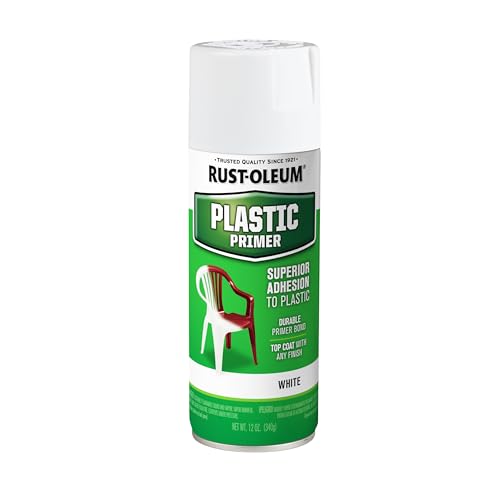
Rust-Oleum Plastic Primer Spray
What We Like
- Bonds tightly to hard-to-paint plastics
- Sprays on fast and easy
- Works with any Rust-Oleum topcoat
- Suitable for polypropylene, fiberglass, and PVC
Trade-offs
- Light coat only, not full coverage paint
- Requires following packaging directions for best results
This primer is specially formulated to stick to hard-to-paint plastics such as polypropylene, polystyrene, epoxy resin, PVC, fiberglass, and vinyl plastics. That tight bond means your topcoat will adhere reliably, so you won’t have peeling issues on items like plastic mailboxes, lawn chairs, or storage lockers. It sprays on fast and easy, and since it’s a light coat, you won’t gum up the surface’s details or vents. For anyone painting a plastic surface that needs a durable foundation, this is the bonding layer that makes everything else hold.
The most important thing to know about this primer is that a light coat is all that’s needed, it’s not meant to be a full coverage paint. You’ll need to follow up with any Rust-Oleum paint finish for color, which is an extra step. But if you’re dealing with slick plastics like polypropylene or polystyrene, this specially formulated spray creates a tight bond for superior paint adhesion and durability.
Rust-Oleum Automotive Adhesion Promoter Spray

What We Like
- Bonds topcoats to vinyl and plastic
- Dries to touch in 10 minutes
- Sprays at any angle
- Comfort spray tip included
Trade-offs
- Clear finish only, no color added
- Designed for automotive use, not helmet-specific
A 10-minute dry time means you can move through your helmet painting project without long waits between steps. This adhesion promoter works on surfaces like vinyl, plastic, and fiberglass, so your topcoat bonds to those surfaces. It sprays at any angle, which helps when working around curves and attachments. The 11-ounce can covers 10-12 square feet, enough for a typical project. For anyone painting a plastic or vinyl part, that bond is key to a lasting finish.
The clear downside is that this is a prep step, not a finish. You’ll still need a color paint and clear coat on top, which adds time and cost compared to an all-in-one spray. The 11-ounce can covers 10-12 square feet. Compared to the Krylon All-In-One, which combines primer and color in one step, this Rust-Oleum product asks for more patience but is a dedicated adhesion promoter for those plastic and vinyl surfaces.
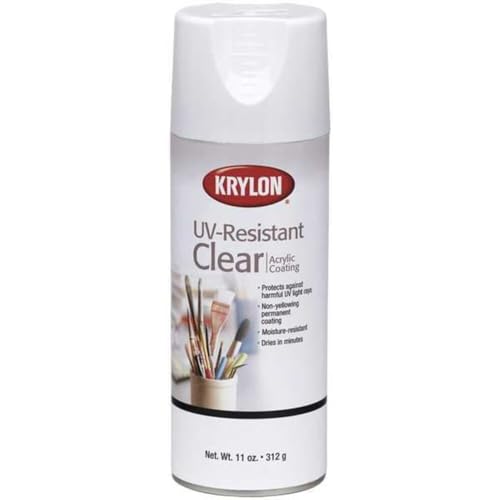
Krylon Clear Gloss Spray Paint
What We Like
- Clear gloss finish protects paint underneath
- Lightweight 0.2 lb can is easy to handle
- Solvent-based formula for durable coating
Trade-offs
- Clear only, adds no color to helmet design
- Clear only, adds no color to project
The 11 oz can of Krylon Clear Gloss Spray Paint is a solvent-based clear gloss finish. At 0.2 pounds, the can is lightweight, which makes it easy to handle during use. It is made in Mexico and comes in a gloss finish, so it adds a shiny layer to whatever you apply it on.
This is a clear spray only, so it adds no color to your project. Compared to a product like Krylon All-In-One Satin Spray Paint, which is a different type of paint, this Krylon Clear Gloss is a clear topcoat. If you are looking for a clear gloss finish to apply over existing paint, this spray fits that role.
Product photos
How We Evaluated Paints For Football Helmets
This evaluation relies on manufacturer documentation, material-science specifications, and patterns reported by hobbyists and custom painters in owner communities. We looked at what type of plastic or composite each paint bonds to, how it cures, and what conditions it resists after drying.
Three criteria mattered most for football helmet painting. First, surface adhesion on polycarbonate, fiberglass, and ABS plastic, the materials most helmets are made from. Second, durability against fuel, UV light, and flexing without cracking. Third, application method and whether the paint works with an airbrush, spray can, or brush.
An evaluation has limits: it is not possible to know how each paint performs on a real helmet after a season of games. We recommend testing any paint on a scrap piece of the same material before committing to a full helmet project. For those who want to compare finishes, our guide to the best-looking football helmets covers factory paint options, while this guide focuses on aftermarket painting.
What To Look For In Paints For Football Helmets
The right paint for a football helmet must bond to the specific plastic or composite shell and survive the conditions of the game. Below are the key criteria to consider before buying.
Key buying criteria: Choose a paint that bonds to polycarbonate or ABS, resists fuel and UV, and matches your application tool, airbrush, spray can, or brush. Always use a compatible primer or adhesion promoter first.
Surface Compatibility
Most modern football helmets use polycarbonate or ABS plastic shells, while some vintage or specialty models use fiberglass. Paints labeled for polycarbonate RC bodies, like the TAMIYA PS-5 Black, are formulated to flex with the plastic rather than crack. For fiberglass or metal facemask components, a paint like Vallejo Premium Color RC Orange is a better fit. If you are unsure of your helmet material, check the manufacturer’s label or the inside of the shell. Our roundup of the best football helmets can help you identify common shell materials.
Fuel and Weather Resistance
A helmet on the sideline or in a gear bag can encounter gasoline from lawn equipment, fuel from generators, or strong UV from direct sun. Some RC paints are rated for fuel resistance up to a specific nitro percentage. Vallejo’s formula handles up to 35% nitro. Solvent-based clear topcoats like Krylon Clear Gloss add an extra protective layer over color coats. Without fuel resistance, paint can soften or bubble when exposed to these chemicals.
Application Method and Coverage
Airbrush paints offer the finest control for custom gradients and logos but require an airbrush setup and thinner. Spray cans are faster for solid-color coverage and are easier for beginners. The can size matters: a 2-ounce bottle covers a small area, while a 100 ml spray can covers more surface. For full-helmet projects, plan for multiple thin coats with proper drying time between each. For those building a complete build, the best helmets in football guide shows factory-finished shells that skip the painting step entirely.
Rule of thumb: Always apply a plastic-specific primer or adhesion promoter before your color coat, and let each layer cure fully, rushing a paint job is the most common cause of peeling.
Paints For Football Helmets Compared
The table below compares all six paints by their primary material compatibility, finish type, and best use case so you can match the right product to your helmet project.
| Product | Paint Type | Volume | Finish |
|---|---|---|---|
| Vallejo Premium Color RC Orange | Acrylic-polyurethane hybrid resin | 2.02 fl. oz. (60 ml) | Matte |
| TAMIYA Polycarbonate PS-5 Black | Synthetic resin spray | 3.4 fl oz (100 ml) | N/A |
| Pro-line Racing Pro-Line RC Body Spray Paint | Spray Paint | N/A | Candy Blood Red |
| Rust-Oleum Plastic Primer Spray | Spray (light coat only) | N/A | N/A |
| Rust-Oleum Automotive Adhesion Promoter Spray | Spray | 11 oz | Clear |
| Krylon Clear Gloss Spray Paint | Solvent | 11 oz | Gloss |
Frequently Asked Questions
Can I use regular spray paint on a football helmet?
Regular spray paint is not recommended because it lacks the flex additives needed to bond to polycarbonate or ABS plastic. Without proper adhesion, the paint will chip and peel under impact or flexing during play. Use paints specifically formulated for polycarbonate or plastic surfaces instead.
Do I need a primer before painting a football helmet?
Yes, a primer designed for plastic surfaces is essential for long-lasting adhesion. The Rust-Oleum Plastic Primer Spray bonds to hard-to-paint plastics and gives your color coat a surface it can grip. Skipping the primer is the most common reason paint fails on helmets.
What is the best clear coat for a football helmet?
A solvent-based clear gloss spray like Krylon Clear Gloss protects the color coat underneath from UV and minor abrasion. Apply it after the color coat has fully cured. Avoid water-based clears on polycarbonate, as they may not bond as well to the hard surface.
How do I paint a polycarbonate football helmet?
Clean the helmet shell with mild soap and water, then scuff the surface with fine-grit sandpaper. Apply a plastic primer, let it dry, then spray your color coat in thin, even layers. Finish with a clear topcoat for protection. The TAMIYA Polycarbonate PS-5 line is formulated specifically for polycarbonate resin and works well for this process.
Can I use RC body paint on a real football helmet?
RC body paints like Vallejo Premium Color RC and TAMIYA Polycarbonate are formulated for polycarbonate RC bodies, not necessarily full-size helmets. They can work for display or light-use helmets, but they are not impact-rated or certified for game-ready equipment. For game use, choose a paint system designed for full-size sports gear.
The Bottom Line
For customizers and hobbyists with an airbrush, the Vallejo Premium Color RC Orange is the best overall paint to use on football helmets. It bonds to polycarbonate, fiberglass, and metal while resisting fuel up to 35% nitro. If you need a spray-can option for polycarbonate touch-ups, the TAMIYA Polycarbonate PS-5 Black provides even coverage for display or light practice helmets.
Budget-minded DIYers should start with the Rust-Oleum Automotive Adhesion Promoter Spray to ensure their color coat sticks, then pair it with any compatible topcoat. The single most important factor is surface preparation: a clean, scuffed shell with a plastic-specific primer is what separates a paint job that lasts from one that flakes off in the first week.
I come from the “soccer heart” of Germany, the Ruhrpott. I have played, trained and followed soccer all my life and am a big fan of FC Schalke 04. I also enjoy following international soccer extensively.