Corner Kick in Soccer: Rules and Basics
When the ball rockets out of play past the goal line, the stadium holds its breath—this is your corner kick moment. The attacking team rushes to position themselves near the corner flag while defenders scramble to organize, knowing one perfectly delivered cross could decide the match. Understanding what is corner kick in soccer and how to exploit it separates casual fans from strategic thinkers who recognize this set piece as one of the sport’s most potent scoring opportunities.
Every soccer match features multiple corner kicks, yet few fans truly grasp why these restarts create such high-danger chances. Unlike open play where defenses can gradually retreat, corners force defenders to protect their goal line against precise aerial attacks from a stationary position. Whether you’re a player looking to improve your set-piece execution or a fan wanting to understand the tactical chess match unfolding before your eyes, mastering corner kick fundamentals will transform how you experience the beautiful game.
Why Defenders Dread the Corner Flag Restart
The corner kick becomes available only when specific conditions align perfectly. You’ll see the referee point to the corner arc when the entire ball crosses the entire goal line without entering the goal, and the defending team was the last to touch it. This precise scenario creates one of soccer’s most dangerous offensive situations because it delivers the ball directly into the penalty area—the most threatening zone on the pitch.
Critical Placement Rules You Must Follow
Your corner kick must originate from within the 1-yard radius corner arc, that quarter-circle marking surrounding each corner flag. Position the ball anywhere inside this arc, typically right against the intersection of the goal line and touchline for the sharpest possible angle into the box. Remember—the ball must remain completely stationary until kicked, and play officially resumes the moment it clearly moves after contact.
Player Positioning Requirements That Make or Break Your Chance
Opponents must retreat at least 10 yards (9.15 meters) from the ball before you can take your corner kick—this distance creates the crucial space needed for an effective delivery. Attackers position themselves strategically throughout the penalty area, often marking specific zones or players, while you as the taker cannot touch the ball again until another player makes contact. Violating this rule gives defenders an easy restart.
How Top Teams Turn Corners into Goals
Corner kicks deliver unparalleled scoring potential because they bypass defensive lines entirely, placing the ball directly in the danger zone. When executed properly, your team gains numerical advantages in the box while defenders struggle to track both the ball and multiple attacking threats simultaneously. This chaos creates golden opportunities—even slight deflections can redirect the ball toward goal.
The real danger emerges when your attackers flood the penalty area with purpose. Defenders must mark multiple threats while tracking the ball’s trajectory, creating confusion that elite teams exploit with military precision. One well-placed cross can completely negate hours of defensive organization, making corners particularly devastating in tight matches or final minutes.
Mastering Different Corner Kick Delivery Techniques

Inswinging vs. Outswinging Corners: Which Works Best for You
Inswinging corners curve powerfully toward the goal, forcing defenders into difficult clearance decisions while your attackers attack the ball with momentum. The ball’s inward movement makes goalkeeper positioning challenging and creates dangerous deflection opportunities that often lead to goals.
Outswinging corners travel away from goal, providing your attackers more space to attack the ball cleanly. These deliveries excel when targeting the far post where players can generate maximum power on headers. The outward curve makes defensive clearances more difficult since defenders must adjust to the ball’s trajectory while maintaining position.
Strategic Target Areas That Beat Defenders
Near-post deliveries create quick scoring chances through glancing headers or volleys. The ball’s proximity to goal means even slight contact can redirect it past the goalkeeper—time your run to meet the ball at the perfect angle while defenders scramble to react.
Far-post crosses allow your attackers to build momentum before connecting with the ball. Players position deeper, then surge forward to meet the delivery with maximum power. This strategy often isolates defenders and creates one-on-one aerial duels where your tallest players can dominate.
Attacking Formations That Overwhelm Defenses

How to Crowd the Goalkeeper Without Fouling
Position multiple attackers to obstruct the goalkeeper’s view and movement without committing fouls. Your players should create confusion about ball trajectory and defensive responsibilities through intelligent positioning—forcing defenders to choose between following their marks or protecting the goalkeeper.
Creating Space with Coordinated Run Patterns
Choreograph intricate movement sequences where players make simultaneous near and far post runs, dragging defenders out of position. Some attackers should delay their runs while others sprint early, creating timing mismatches that exploit defensive gaps when executed perfectly.
When to Use Short Corner Variations
When defenses anticipate your cross, a quick pass to a nearby teammate creates new attacking angles. These variations disrupt defensive setups and allow your team to work the ball into better crossing positions. The element of surprise often catches defenses unprepared, leading to clearer scoring opportunities when defenders overcommit.
Defensive Organization That Neutralizes Corner Threats
Choosing Between Zonal vs. Man-Marking Systems
Zonal marking assigns defenders specific areas to protect, maintaining defensive shape regardless of attacking movements. This system prevents attackers from creating space through movement but requires excellent communication to prevent gaps between zones.
Man-to-man marking assigns each defender a specific attacker, ensuring no player goes unmarked. While this approach eliminates individual threats, it can break down when attackers create picks or lose their markers through clever movement. Most elite teams now use hybrid systems combining both approaches.
Essential Defensive Positioning Fundamentals
Goalkeepers should position themselves 4-6 yards off the goal line to intercept crosses while remaining close enough for quick reactions. Station one defender at each post to prevent direct goals from low crosses or deflections, and maintain constant communication to coordinate marking assignments as attackers make runs.
Technical Execution Tips for Players
Corner Kick Taker Techniques That Beat Defenses
Position the ball with the valve facing away from your intended delivery direction for consistent contact. Use your instep for power-driven crosses or inside foot for precision placement, varying your run-up length based on desired trajectory and defensive pressure.
Master disguise techniques—experienced takers vary their approach to prevent defenders from anticipating deliveries. Your body positioning, run-up speed, and eye contact with teammates should create uncertainty about target areas to keep defenses guessing.
Attacking Player Fundamentals for Scoring
Timing separates successful attacks from offside calls—delay your runs until the taker begins their approach, ensuring legal positioning while building momentum for attacking headers. Get between your defender and the ball whenever possible to create favorable angles for headers while maintaining stability.
Common Corner Kick Mistakes That Waste Opportunities
Attacking Errors You Must Avoid
Overhit crosses sail harmlessly beyond all attackers, wasting precious opportunities. Underhit balls allow defenders to easily clear, often leading to dangerous counter-attacks. Poor communication results in multiple players attacking the same ball or leaving areas uncovered—establish clear signals before the match.
Predictability kills corner effectiveness. Teams that deliver identical crosses every time allow defenses to set up perfectly. Vary your delivery types, speeds, and target areas throughout the match to keep defenses guessing and create genuine scoring chances.
Defensive Breakdowns That Lead to Goals
Failing to maintain the 10-yard buffer allows attackers to take quick corners, catching defenses disorganized. Poor marking assignments leave dangerous attackers unmarked, creating simple scoring chances that should never happen against prepared defenses.
Ball watching proves fatal—defenders who focus solely on the ball lose track of attacking runs. This creates separation that skilled attackers exploit for free headers. Regular communication prevents these mental lapses and maintains defensive integrity.
Special Corner Kick Scenarios Every Player Should Know
When Quick Corners Catch Defenses Off Guard
Take advantage of defensive disorganization with quick corner kicks when opponents aren’t respecting the 10-yard rule. This high-risk, high-reward tactic can catch defenses unprepared, but requires precision execution since rushed deliveries often lack accuracy.
Understanding Retake Conditions That Give Second Chances
Your corner kick gets retaken if opponents encroach within 10 yards and interfere with play. Improper ball placement or the kicker touching the ball twice also necessitates retakes. These situations provide valuable second chances that can prove decisive in tight matches.
Key Takeaway: Corner kicks transform defensive mistakes into prime scoring opportunities through precise execution and tactical awareness. Success requires understanding placement rules, mastering delivery techniques, and coordinating complex attacking movements while maintaining defensive balance for potential counter-attacks. Whether you’re executing or defending corners, recognizing these strategic elements will elevate your game and deepen your appreciation for one of soccer’s most thrilling set pieces.
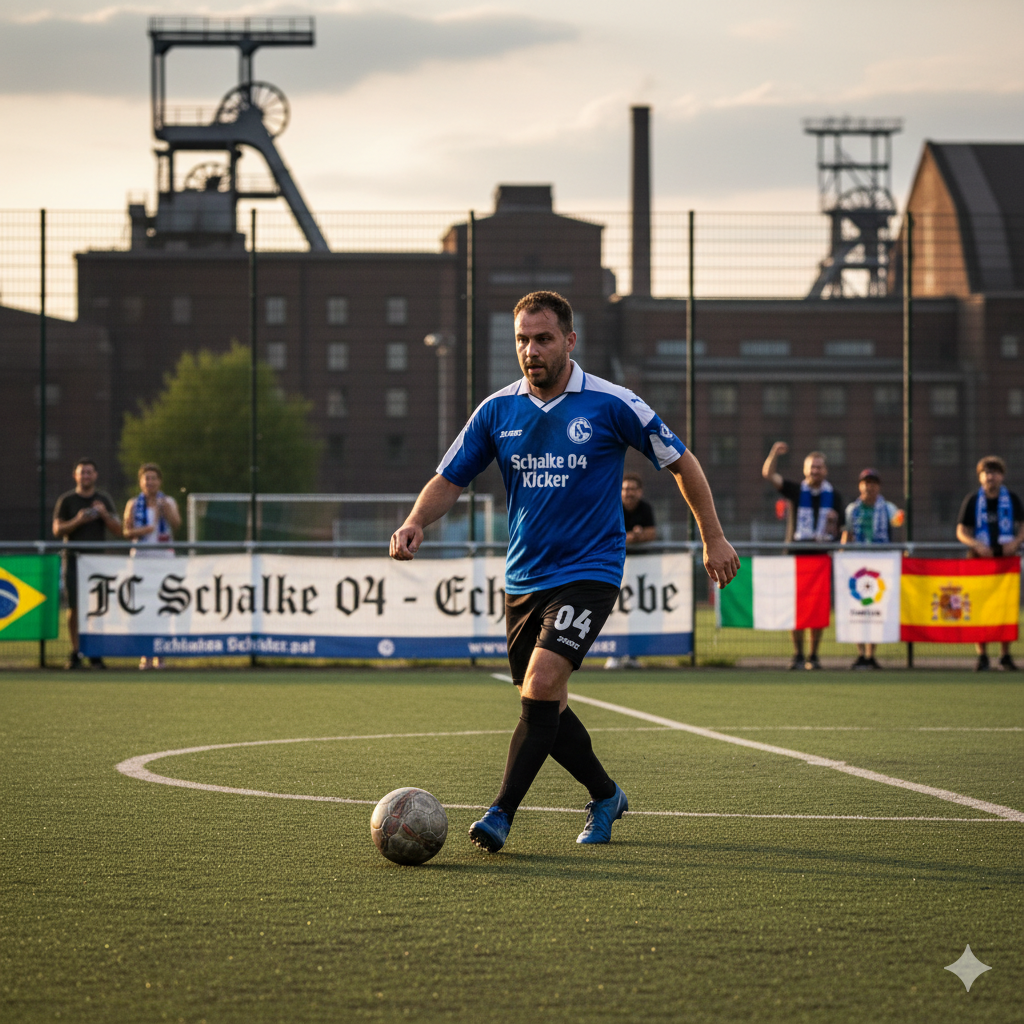
I come from the “soccer heart” of Germany, the Ruhrpott. I have played, trained and followed soccer all my life and am a big fan of FC Schalke 04. I also enjoy following international soccer extensively.