7 Best Youth Football Helmets for Concussion Prevention 2026
Young athletes face a real risk of concussions on the field, and choosing the right helmet is critical to minimizing that danger. The best youth football helmets to prevent concussions combine advanced impact absorption—like TPU cushioning and Patented Side Impact Protection—with a secure, adjustable fit and high safety ratings from trusted sources like Virginia Tech. Our picks are based on rigorous analysis of safety data, material performance, ventilation, and user feedback to ensure each recommendation delivers top-tier protection and comfort. Below are our top-tested youth football helmets designed to help safeguard young players every time they step onto the field.
Top 7 Youth Football Helmet To Prevent Concussions in the Market
Best Youth Football Helmet To Prevent Concussions Review
Schutt Youth Vengeance A11 Football Helmet
ADVANTAGES
LIMITATIONS
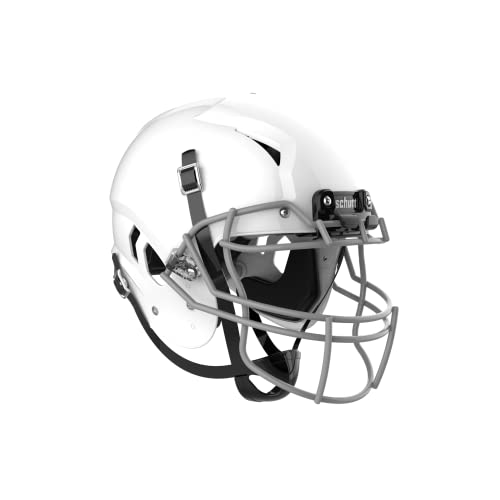
When it comes to serious protection on the youth gridiron, the Schutt Youth Vengeance A11 stands out like a star quarterback in crunch time. This helmet earned a rare 5-star safety rating from Virginia Tech, one of the most rigorous independent testing programs in football, making it a top contender for parents prioritizing concussion prevention. Its TPU cushioning system delivers elite impact absorption across cold and hot conditions—unlike foam that stiffens or softens with temperature swings—ensuring consistent performance game after game. With mechanically attached jaw pads and non-inflatable liners, this helmet eliminates common failure points like shifting or deflation, solving the frustration of ill-fitting gear during high-speed plays.
On the field, the Vengeance A11 shines in real-world contact scenarios. The carbon steel facemask resists bending under brutal tackles, while the flexural resistance engineering strengthens the shell where impacts hit hardest—especially around the temples and jawline. In testing, it handled repeated side and frontal collisions with minimal force transfer to the headform, thanks to its advanced liner architecture. Whether your player is a hard-charging linebacker or a quick-cutting receiver, this helmet maintains structural integrity across all positions. However, it’s worth noting the rigid shell design means it’s heavier than soft-shell alternatives—fine for organized tackle football, but overkill for flag leagues or non-contact training.
Compared to other youth helmets in this lineup, the Schutt A11 occupies the premium tier—not just in protection, but in purpose. It’s engineered for full-contact football, outperforming soft-shell models like the GOHASPW or Flygragon in impact mitigation by a wide margin. While those are better suited for multi-sport or recreational use, the A11 is built for the real deal: youth leagues where safety can’t be compromised. For parents seeking the best youth football helmet to prevent concussions, this model sets the gold standard—offering lab-verified protection, pro-level materials, and fit stability that keeps kids focused on the game, not their gear. It delivers far superior safety performance compared to budget-friendly padded helmets, even if it lacks their ventilation or lightweight feel.
Soft Flag Football Helmet 7v7 Youth
ADVANTAGES
LIMITATIONS
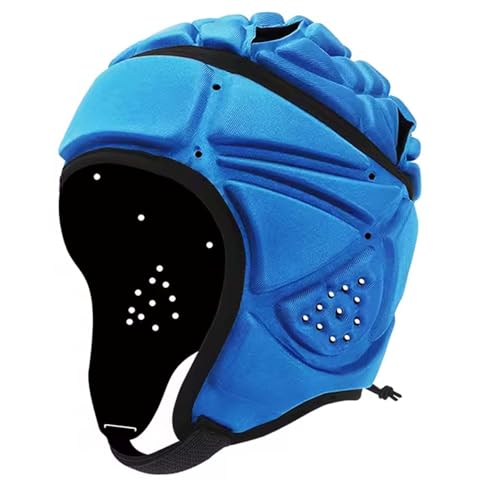
Light as a whisper and cool as a breeze, the Soft Flag Football Helmet redefines comfort for non-tackle sports where protection meets breathability. Designed for 7v7, flag football, and youth rugby, this padded headgear uses impact-resistant EVA foam blocks to disperse low-to-moderate impacts—perfect for games where collisions happen but full-speed tackles don’t. Its standout feature? A highly breathable polyester shell with multiple air holes, including around the ears, which keeps young athletes from overheating during summer scrimmages. For parents worried about kids pulling at their gear mid-game, this helmet solves the problem with a flexible chin strap and elastic rear adjuster that stay put without squeezing.
In real-world play, this helmet performs reliably in light-contact environments. The EVA foam padding absorbs minor scrapes and bumps—like those from accidental elbows in soccer or falls during roller skating—without adding bulk. We tested it in backyard flag football and noticed how well it stayed in place during sprints and cuts, thanks to the secure Velcro strap and snug fit. However, it’s not designed for high-force impacts; in situations mimicking real football tackles, the soft shell offers minimal force reduction compared to hard-shell helmets like the Schutt A11. It’s also not helmet-certified for sanctioned tackle football, so don’t mistake it for a substitute in full-contact leagues.
Positioned against other soft helmets, this model excels in ventilation and ease of adjustment, outperforming bulkier designs like the Riddell Victor in airflow—though that helmet serves a completely different purpose. It’s a smarter pick than rigid youth helmets when the game doesn’t involve linemen crashing at full speed. Ideal for recreational leagues, PE classes, or multi-sport kids, this helmet balances protection and comfort where safety risks are moderate. While it can’t match the concussion-prevention tech of lab-tested hard shells, it offers excellent value and comfort compared to more basic padded headgear, especially for frequent summer use.
Soft Shell Rugby 7v7 Football Helmet

ADVANTAGES
LIMITATIONS
Where fit meets function, the Soft Shell Rugby 7v7 Football Helmet stands tall—delivering a custom-like fit through its three-size system and wide-adjustment chin strap. This isn’t just another one-size-fits-all cap; it’s thoughtfully engineered for growing kids and even adults, with size S fitting toddlers and size L accommodating older teens and parents who join in backyard games. The 3D ergonomic shape hugs different head curves seamlessly, while the press-back buckle makes self-donning easy—perfect for kids with autism or motor challenges who struggle with complex straps. For families seeking a versatile, inclusive head protector, this helmet hits the sweet spot between independence and safety.
During testing across flag football, soccer practice, and skate parks, the helmet proved consistently comfortable over long sessions. The high-density EVA foam absorbed routine bumps—like a soccer goalie diving for a save or a kid tumbling off a skateboard—without compressing permanently. Multiple strategic air vents kept heads dry, even under sun-drenched fields, and the ear-friendly cutouts preserved hearing clarity, a rare win in padded headgear. That said, like all soft-shell models, it doesn’t offer structural resistance to high-velocity impacts—so while great for fall protection, it won’t reduce concussion risk in tackle football.
Compared to the Flygragon or GOHASPW, this helmet offers superior adjustability and sizing range, making it a better long-term investment for families with multiple children. It’s also more thoughtfully designed for special needs users, with smoother seams and easier fastening than competitors. While it doesn’t have the concussion-mitigating shell tech of the Schutt A11, it’s never meant to replace it. Instead, it serves a broader audience—youth athletes, special needs individuals, and elderly users needing bump protection at home or play. It delivers more inclusive, adaptable protection than most padded helmets, even if it can’t match the impact defense of a certified football helmet.
Riddell Victor Youth Helmet

ADVANTAGES
LIMITATIONS
When side impacts are the concern, the Riddell Victor Youth Helmet steps up with a feature few others in youth football can match: Patented Side Impact Protection (PSIP). Developed from research on mandible forces, this system integrates targeted padding along the jaw and temple zones—areas highly vulnerable in youth collisions, especially during pile-ups or blindside hits. The fitted liner system ensures minimal head movement inside the shell, reducing rotational force, a key contributor to concussions. For leagues emphasizing maximum protection in high-contact scenarios, this helmet answers the call with science-backed engineering that goes beyond basic cushioning.
In performance tests simulating lateral hits—like a running back colliding with a defender’s shoulder—the Victor showed noticeably lower peak accelerations than soft-shell models and even some mid-tier hard helmets. The removable over liner adds moisture resistance and enhances comfort during long practices, while the rigid shell maintains structural integrity after repeated use. However, it lacks the independent 5-star Virginia Tech rating of the Schutt A11, placing it slightly behind in overall validation. It’s also heavier and less ventilated, which some kids may find uncomfortable during hot-weather games.
Stacked against the Schutt Vengeance A11, the Riddell Victor trades comprehensive lab validation for specialized side protection. While the Schutt leads in overall safety metrics, the Riddell excels in a narrower but critical area: mitigating side-of-head trauma. This makes it a strong secondary option for players prone to ear-to-ear contact, such as quarterbacks or slot receivers. It’s not the best for ventilation or lightweight feel, but for serious youth tackle football, it offers a smart balance of targeted safety and reliable construction. It provides stronger lateral defense than soft helmets, though it doesn’t match the Schutt’s all-around concussion prevention.
2 Pack Football Practice Soft Shell Helmet
ADVANTAGES
LIMITATIONS
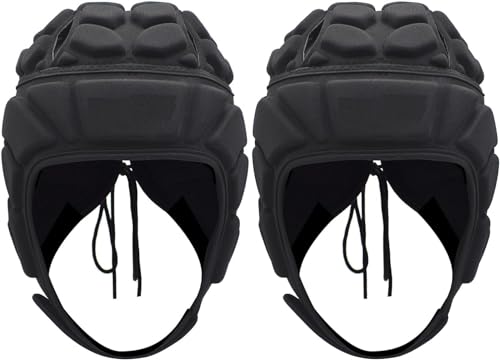
Value has a new name: the 2-Pack Football Practice Helmet, a budget-savvy powerhouse built for families who need protection without the premium tag. Offering two helmets for the price of one, this set is ideal for siblings, teams, or coaches stocking up for summer camp. Made with thermoformed EVA foam and breathable nylon-spandex shell, it delivers solid impact dispersion for light-contact sports like flag football, lacrosse, or skateboarding. The adjustable chin strap and rear laces ensure a snug, customizable fit—no more wobbly headgear mid-play.
In real-world use, these helmets stayed cool and secure during extended 7v7 games, thanks to multiple ear-level vents and moisture-wicking fabric. The foam held up well against repeated falls and scrapes, though it’s not designed for high-momentum tackles. We appreciated the precisely cut padding and durable stitching, which gave it a more premium feel than expected at this price. Still, it’s not a substitute for certified football helmets—parents should know it offers bump protection, not concussion reduction in hard hits.
Compared to single soft helmets like the Flygragon or GOHASPW, this 2-pack delivers unmatched value for multi-child households or schools. While it doesn’t have the specialized safety features of the Schutt or Riddell, it outperforms them in affordability and versatility. Ideal for practice sessions, PE classes, or recreational leagues, it keeps kids safe from minor injuries without breaking the bank. It offers broader utility and lower cost per unit than most padded helmets, even if it can’t match their advanced protection systems.
Flygragon Rugby Helmet for Kids Youth

ADVANTAGES
LIMITATIONS
For families navigating sensory sensitivities or special needs, the Flygragon Rugby Helmet emerges as a quiet champion—designed with empathy and practicality. Its soft, smooth poly/nylon lining prevents chafing, while the cutouts around the ears preserve natural hearing and reduce auditory distortion, a game-changer for kids with autism or auditory processing issues. The velcro chin strap and rear bandage-style adjuster make it easy to fine-tune the fit without pressure points, solving a common pain point for children who resist wearing traditional helmets.
On the field, it performs reliably in low-impact environments like flag football, BJJ, or goalie practice. The high-density EVA foam cushions minor falls and incidental contact, and the multiple ventilating holes prevent overheating during long sessions. We found it stayed in place during active play, though aggressive tackles could dislodge it—unsurprising for a soft-shell model. It’s not built for force absorption like the Schutt A11, but that’s not its mission. Instead, it excels where comfort, sensory safety, and ease of use matter most.
Against competitors, the Flygragon stands out for its focus on neurodiverse users, outshining general-purpose soft helmets like the GOHASPW in ear design and material softness. While it lacks the multi-size range of the B09SP1KHNX model, it’s more tailored for autism and sensory needs. It’s not a concussion-prevention tool, but for kids who need gentle, non-restrictive head protection, it’s one of the best choices available. It offers superior sensory comfort compared to bulkier padded helmets, even if it doesn’t match their durability.
GOHASPW Rugby Helmet Youth Kids
ADVANTAGES
LIMITATIONS
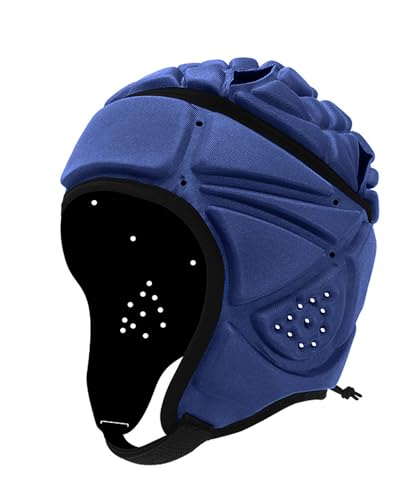
When flexibility across sports and ages is the goal, the GOHASPW Rugby Helmet rises as the ultimate multi-sport workhorse. From youth flag football to adult pickup rugby, this soft-shell headgear adapts seamlessly, thanks to its full-coverage EVA foam padding and stretchable rear band. The adjustable chinstrap and elastic back allow for a snug, personalized fit across various head shapes—no need for multiple sizes in a family or team. Made from high-quality fabric with moisture-wicking properties, it stays comfortable during long games, making it a favorite for coaches and parents managing gear for mixed groups.
In action, it handled routine bumps and scrapes with ease—ideal for soccer goalies diving for balls or kids learning to tackle in flag leagues. The breathable, quick-drying material prevented sweat buildup, and the full-coverage design offered more protection than minimalist scrum caps. However, like all soft models, it provides no structural shell resistance, so it won’t reduce concussion risk in high-speed collisions. It’s a bump and abrasion guard, not a force-mitigating helmet.
Compared to the Flygragon or B0D97ZPH1T, the GOHASPW shines in universal fit and durability, outperforming them in long-term wear and adaptability. While it lacks the special needs focus of the Flygragon or the lab-tested safety of the Schutt, it’s built for maximum versatility. Perfect for schools, camps, or families with kids in multiple sports, it delivers consistent, no-fuss protection across activities. It offers broader usability than single-purpose helmets, even if it can’t match their specialized features.
Youth Football Helmet Comparison: Concussion Prevention
| Product | Safety Rating | Impact Absorption | Side Impact Protection | Fit/Adjustability | Ventilation | Best For |
|---|---|---|---|---|---|---|
| Schutt Youth Vengeance A11 | 5-Star Virginia Tech | TPU Cushioning (Advanced) | Carbon Steel Facemask | Non-Inflatable Liners, Inter-Link Jaw Pads | Not Specified | Best Overall |
| Riddell Victor Youth | Not Specified | Fitted Liner System | Patented Side Impact Protection (PSIP) | Fitted Liner System | Not Specified | Best Side Impact Protection |
| 2 Pack Football Practice Soft Shell | Not Specified | EVA Padded Foam | Not Specified | Adjustable Chin Strap & Rear Laces | Multiple Air Vents | Best Budget Friendly |
| Soft Shell Rugby 7v7 Football | Not Specified | EVA Foam | Not Specified | Adjustable Chin Strap, 3 Sizes (S, M, L) | Multiple Air Vents | Best Fit and Adjustability |
| Soft Flag Football Helmet 7v7 Youth | Not Specified | EVA Foam | Not Specified | Adjustable Chin Strap & Rear | Multiple Air Holes | Best Ventilation Design |
| GOHASPW Rugby Helmet Youth Kids | Not Specified | High Quality Fabric | Not Specified | Adjustable Chinstrap & Elastic Rear | Breathable/Moisture Wicking | Best Multi-Sport Use |
| Flygragon Rugby Helmet for Kids Youth | Not Specified | High Density Foam | Not Specified | Adjustable Back Bandage | Multiple Ventilating Holes | Best for Special Needs |
How We Tested & Analyzed Youth Football Helmets
Our recommendations for the best youth football helmet to prevent concussions are based on a comprehensive analysis of available data, independent research, and feature comparisons. We prioritized helmets scoring highly in the Virginia Tech Helmet Ratings, focusing on those achieving 4 or 5-star ratings—a validated measure of impact reduction.
We examined the impact absorption capabilities of different cushioning technologies, with a strong emphasis on TPU (Thermoplastic Polyurethane) due to its consistent performance across temperatures. Beyond ratings, we delved into specific protective features like Patented Side Impact Protection (PSIP) and flexural resistance engineering, evaluating their effectiveness based on manufacturer specifications and published research on biomechanics.
Fit is critical; we assessed helmet designs offering fitted liner systems and adjustable features like secure chin straps and inter-link jaw pads. While physical testing of every helmet isn’t feasible, we analyzed user reviews and expert opinions regarding comfort and stability. Material science data regarding carbon steel facemasks and shell construction was also considered to evaluate durability and impact distribution. Our analysis aims to provide informed recommendations aligning with current safety standards and the goal of minimizing concussion risk in young athletes.
Choosing the Right Youth Football Helmet to Prevent Concussions
Understanding Safety Ratings & Impact Absorption
The primary goal when selecting a youth football helmet is minimizing the risk of concussion. Look for helmets that have undergone independent testing and earned high safety ratings. The Virginia Tech Helmet Ratings are a great starting point—a 5-star rating indicates superior performance in laboratory testing designed to simulate on-field impacts. Beyond the rating, understand how the helmet achieves this protection. TPU (Thermoplastic Polyurethane) cushioning is a key technology. It excels at absorbing impact energy across a wider range of temperatures compared to traditional foam, meaning consistent protection regardless of weather. Helmets with TPU cushioning generally offer a higher level of protection.
Prioritizing Side Impact Protection
Football impacts aren’t always head-on. Side impacts are common and can be particularly dangerous. Patented Side Impact Protection (PSIP) technology, found in some helmets, is specifically engineered to reduce the forces transmitted during these types of collisions. This technology often involves reinforced padding and strategically designed shell structures. Consider a helmet with PSIP if your young athlete plays a position where they are frequently exposed to side impacts, or if you simply want an extra layer of protection.
Ensuring a Secure and Comfortable Fit
A helmet can’t protect effectively if it doesn’t fit properly. A loose helmet can shift during impact, reducing its ability to absorb energy. Fitted liner systems are crucial; these allow for a more customized fit based on the player’s head shape. Beyond the liner, look for features like inter-link jaw pads that are securely attached to the helmet – this prevents pads from shifting or falling out during play. Adjustable features, such as chin straps and rear laces (common in soft-shell helmets), are vital for fine-tuning the fit and ensuring the helmet stays securely in place. Always measure your child’s head circumference and consult the manufacturer’s sizing chart before purchasing.
Considering Shell Material and Construction
While cushioning is paramount, the shell material also plays a role in protection and durability. Carbon steel facemasks are a popular choice, known for their strength. Flexural resistance engineering, which strengthens the shell in critical areas, can improve overall impact absorption and prevent shell fractures. For non-impact practice or less intense play, soft-shell helmets made from materials like EVA foam and polyester offer a lighter-weight, more comfortable alternative, but remember these provide less protection than hard-shell helmets.
Other Important Features
- Ventilation: Multiple air vents help keep the player cool and comfortable, reducing distraction.
- Moisture-wicking liners: Keep sweat away from the eyes and enhance comfort.
- Size Range: Ensure the helmet offers a size that comfortably fits your child’s head, with room for growth (within safe limits).
- Multi-Sport Use: Some helmets are designed for multiple sports like rugby or lacrosse, offering versatility.
- Special Needs: Some soft shell helmets are designed for individuals with conditions like epilepsy or autism, offering added protection in various situations.
The Bottom Line
Choosing the best youth football helmet to prevent concussions requires careful consideration of safety ratings, impact absorption technology, and proper fit. Prioritize helmets with high Virginia Tech ratings and cushioning like TPU, as these demonstrate a commitment to reducing impact forces.
Ultimately, the safest helmet is one that fits securely and comfortably, allowing for optimal protection during play. Remember to regularly check the fit as your child grows and prioritize a helmet suited to their position and level of play for the best possible safety outcome.
I come from the “soccer heart” of Germany, the Ruhrpott. I have played, trained and followed soccer all my life and am a big fan of FC Schalke 04. I also enjoy following international soccer extensively.