How Do Soccer Fans Create Tifos? The Full Process Explained
This post contains affiliate links. As an Amazon Associate, we earn from qualifying purchases.
Creating a soccer tifo requires matching three things: a clear visual concept, the right materials for the stadium environment, and a military-grade logistics plan executed by dozens of volunteers. The core process involves a supporter group committee designing for a specific stand, scaling the art on a grid, producing panels through painting or printing, and coordinating a precise matchday reveal.
Most people see the final breathtaking image on TV and assume the club paid for it. They miss the months of hidden work. The real story happens in rented warehouses, funded by fan donations, and runs on a volunteer’s willingness to spend a Sunday painting a single square meter of fabric.
This guide walks through the entire lifecycle of a tifo, from the first idea shouted in a pub to the moment it swallows a stand in color. You will learn how groups choose materials, manage insane logistics, and pull off a reveal that makes players stop and stare.
Key Takeaways
- Tifos are almost entirely fan-funded and volunteer-run; club assistance is usually limited to logistics or space.
- The design must be simple, bold, and instantly readable from the pitch, complex artwork fails at a distance.
- Material choice is critical: knitted polyester for vibrant prints, airmesh for windy stands, plastic sheeting for tight budgets.
- A precise grid system is non-negotiable for scaling a small sketch to stadium size without distortion.
- Success depends on defined roles: designers, painters, stitchers, riggers, and matchday marshals.
- The reveal is a timed operation, typically at player entry, requiring rehearsals and clear signals.
What a Tifo Really Is (And Isn’t)
A tifo is a coordinated visual display by supporters, transforming a stadium section into a single piece of art or message. The word comes from the Italian “tifosi,” meaning ardent fans or supporters. It is not a last-minute poster. It is a planned statement of identity.
These displays come in two main forms. The first is the giant banner, unfurled to cover an entire stand. The second is the mosaic, where thousands of individuals hold up colored cards or sheets to form a picture. Both require the same level of coordination. The purpose is layered: to motivate players, celebrate history, mock rivals, or express collective emotion. It turns the crowd into a visual actor in the drama.
The defining feature of a tifo is its scale and coordination. It is a single visual statement executed by hundreds or thousands of individuals acting as one, distinct from spontaneous flag-waving or individual banners.
TL;DR: A tifo is a large-scale, choreographed visual display by fans, not a random collection of flags. Its power comes from unified execution.
The 6-Step Tifo Creation Process
The journey from a vague idea to a stadium-shaking reveal follows a strict sequence. Skipping a step guarantees a logistical failure visible to 50,000 people.
1. Concept and Committee Formation
It starts with a small, trusted committee within an organized supporter group. This core group debates the “why.” Is it for a derby? A player’s farewell? A club anniversary? The concept must be instantly visual. “Celebrating 100 years” is weak. “A giant timeline wrapping the stand” is strong. This group owns the project from start to finish, insulating it from endless design-by-committee debates.
Common mistake: Choosing a text-heavy or overly complex concept, the message gets lost beyond the first ten rows, and the TV broadcast shows a blur of color.
2. Design and Scaling
An artist in the group drafts the concept. Then the engineers take over. Committee members measure the target stand with measuring tapes. They note every obstacle: stairwells, railings, gangways. These breaks become natural seams in the final banner.
The artwork is then transferred onto a numbered grid. Each square on the grid corresponds to a specific physical area of the stand. For a mosaic, this grid dictates which seat gets which colored card. This grid system is the only way to ensure a sketch from an A4 pad translates perfectly to a 100-meter-wide canvas.
3. Material Selection and Production
This is where budget meets reality. The committee chooses materials based on three factors: cost, weather, and desired detail.
| Material | Best For | Downside |
|---|---|---|
| Plastic Sheeting | Low-budget displays, short-term use | Flimsy, noisy, prone to tearing in wind |
| Knitted Polyester | Vibrant digital prints, photo-quality images | Expensive, requires professional printing |
| Airmesh Fabric | Windy stadiums, large banners | Less detailed print quality, higher cost |
| Heavy Cotton | Traditional hand-painted banners, durability | Extremely heavy, difficult to transport wet |
Production methods split into two paths. Hand-painting is cheaper, fosters community involvement, and works for bold graphics. Digital printing delivers photographic detail but outsources the creative act. Most groups mix them: a printed central image with hand-painted borders and text.
4. The Build: Volunteers and Roles
Now the warehouse work begins. The committee recruits volunteers and assigns specific roles.
– Tracers: Transfer the gridded design onto the fabric.
– Painters: Fill in the colors. First-timers get the large, solid areas.
– Stitchers: Sew separate panels together with heavy-duty thread.
– Rigging Leads: Design the system of ropes and pulleys for the unfurl.
– Matchday Marshals: The on-ground crew who direct fans and manage the reveal.
The build is a social engine. It is where a fan identity is physically forged. A project for a major derby might take 10-15 volunteers four consecutive weekends.
5. Logistics and Dry Run
Transporting a banner the size of a building requires planning. It is rolled onto a giant spindle or folded in a specific concertina pattern. A dry run is mandatory. The core team practices unfurling in a park or empty lot, testing the rigging and communication signals. They also secure early access to the stadium on matchday, often arriving 4-5 hours before kickoff.
6. Matchday Execution and Reveal
This is the payoff. For a banner, marshals position themselves along the stand with the rolled tifo and ropes. For a mosaic, volunteers place bags of colored cards on seats hours in advance. The timing is precise, almost always as the teams walk onto the pitch. A signal (a whistle, a flare, a specific chant cue) goes out from the capo in the stands. Then the pull. If done right, the reveal takes less than 10 seconds. The stand transforms. That is the magic.
TL;DR: Follow the six steps: concept, design, production, volunteer build, logistics rehearsal, and timed reveal. Each depends on the last.
Materials, Money, and Manpower
The triad of any tifo project is what you make it with, who pays for it, and who does the work. Get one wrong, and the project stalls.
Where the Money Comes From
Clubs rarely fund tifos directly. Financial support typically comes in kind: providing a storage space, helping with stadium access, or sanctioning a materials supplier. The cash comes from the fans. Primary sources are:
1. Donations collected outside the stadium on matchdays.
2. Membership fees from the ultras subculture group itself.
3. Sales of group merchandise like scarves or pins.
The budgets are real. The Celtic Green Brigade’s 360-degree display for a 2022 title win cost over £2,000 and consumed 38 hours of work across seven days. Schalke 04’s massive 2017 display for their UEFA Cup anniversary reportedly cost over €120,000, funded by fan contributions. This financial reality shapes material choices. A group might plan a printed polyester banner for a year, saving donations each month.
The Volunteer Machine
Hours matter more than cash. The labor is entirely voluntary. This creates a unique management challenge. People donate their time out of passion, not obligation. The core committee must balance clear direction with maintaining morale. They feed volunteers, create a social atmosphere, and publicly credit everyone involved. The work itself strengthens the group’s bond. Painting a tifo together is a matchday ritual as important as singing on the terraces.
I’ve spent weekends in a dusty garage near Gelsenkirchen, painting black lines on white fabric for a Schalke display. Your back aches, your clothes are ruined, and you smell of acrylic. But when you see that section of the banner you painted rise in the Veltins-Arena, the pride is physical. It’s your mark on the club’s story.
Navigating Rules and Safety
You cannot just show up with a 200-square-meter sheet of fabric. Stadium authorities and local safety inspectors must approve large displays. Regulations govern everything.
– Fire Certificates: Materials must be flame-retardant.
– Size and Fixings: Banners cannot block exits or sightlines. Poles are often banned.
– Content: Political, offensive, or discriminatory messages are prohibited.
Groups submit their designs and material specs for approval weeks in advance. Ignoring this step means your tifo gets confiscated at the gate.
Why Some Tifos Fail (And How Yours Won’t)
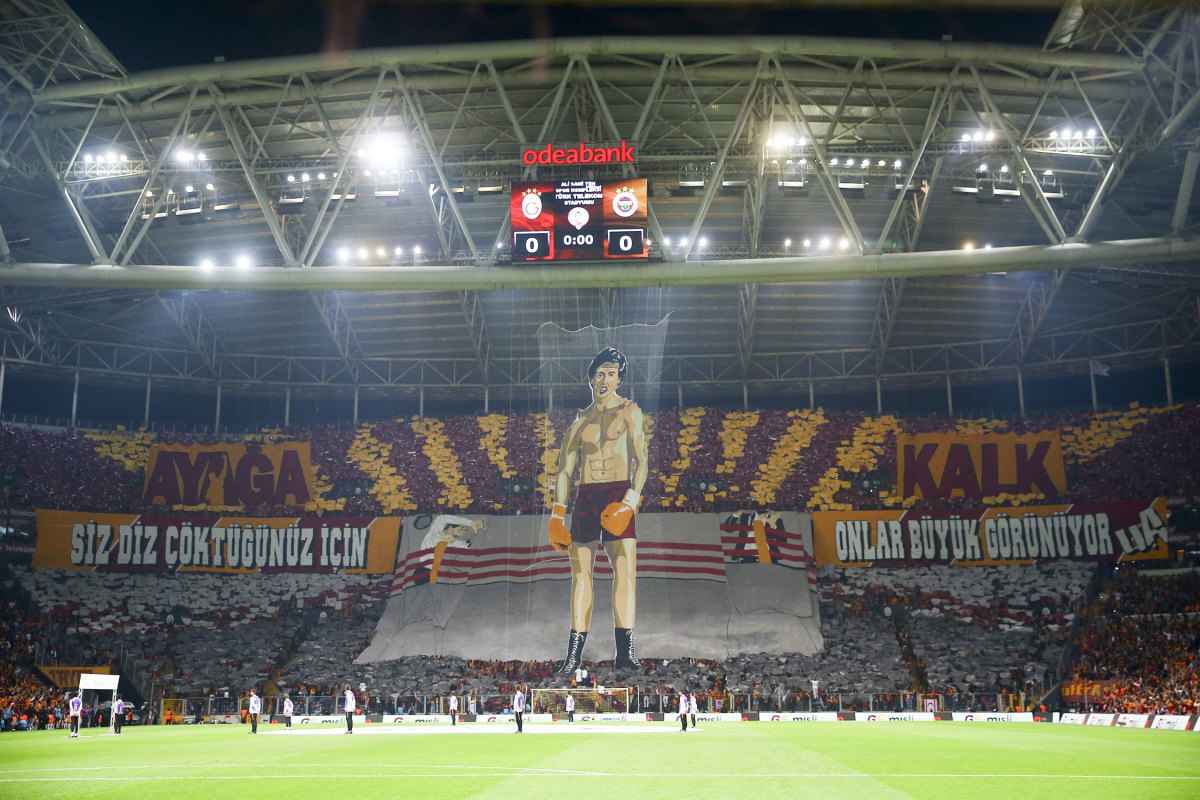
Failure is public and humiliating. A torn banner, a misaligned mosaic, or a botched reveal lives on in rival memes. These are the predictable pitfalls.
First, underestimating the wind. Airmesh exists for a reason. A polyester banner on a gusty day becomes a runaway sail that can injure people. Always check the weather forecast 48 hours out. Have a contingency plan to use only the lower stand or delay the reveal.
Second, poor communication on matchday. The capo giving the signal must be visible to every marshal. Use clear, distinct visual or audio cues. Rehearse them. If the pull is not simultaneous, the banner reveals in a messy, staggered wave.
Third, designing for the artist, not the stadium. A portrait with intricate shading looks beautiful on a screen. From the opposite stand, it looks like a gray smudge. Design with bold outlines, high-contrast colors, and minimal text. The visual impact of tifos depends on instant recognition.
Common mistake: Using cheap, non-UV-stable paint, the colors fade to a washed-out pink after three hours in direct sun, and the tifo looks tired before halftime.
These failures are avoidable through rigorous planning and respecting the medium’s physical constraints. The best tifos look effortless because the effort was front-loaded.
The Unwritten Rules and Etiquette
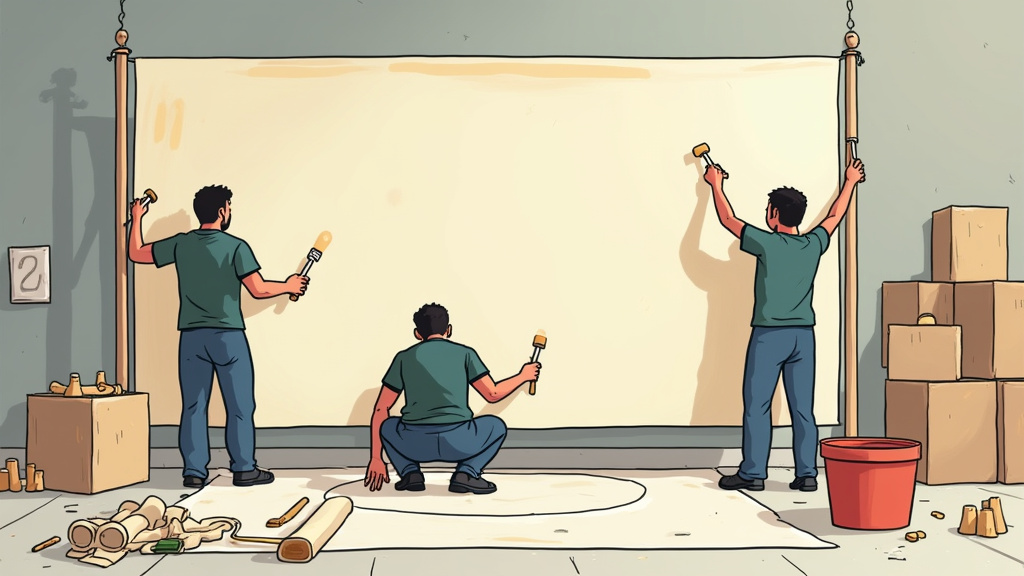
Beyond official regulations, a code of conduct exists among serious tifo groups. This etiquette preserves the culture’s integrity.
A core rule: never buy pre-made. The 1906 Ultras of LAFC state this openly. The value is in the collective creation, not the purchased product. Outsourcing the labor defeats the purpose of building community.
Another is respecting the occasion. A giant celebratory tifo for a minor league cup win feels disproportionate. Save the biggest displays for the most significant moments: historic derbies, title deciders, or legendary player farewells. This maintains the specialness.
There is also a territorial understanding. The central stand behind the goal is traditionally the domain of the most hardcore ultras group. A smaller fan club would not attempt to display a major tifo there without discussion and consent. This avoids matchday conflicts and ensures the most coordinated group handles the most complex logistics.
Finally, the tifo serves the match, not the other way around. It is revealed, admired, and then often taken down so fans can watch the game. It is a powerful prelude, not a distraction. This philosophy separates a tifo from a static advertisement.
TL;DR: The fan ethic values handmade creation, respects symbolic weight, acknowledges group territories, and prioritizes the football match over the display itself.
Frequently Asked Questions
What’s the difference between a tifo and a regular banner?
tifo is a large-scale, coordinated display involving many people to create a single unified image or message across a whole stand. A regular banner is a smaller, independent flag or sign held by an individual or small group. The scale and coordination define the tifo.
How long does it take to make a large tifo?
From initial concept to matchday reveal, a major tifo typically takes 4 to 8 weeks. The physical production, painting or assembling, often requires 100-300 volunteer hours spread over several weekends. Extremely complex displays can take months of planning.
Do players and clubs notice tifos?
Absolutely. Players consistently cite walking out to a full-stand tifo as a powerful emotional boost. Clubs notice the positive atmosphere and global media exposure a great tifo generates. While they may not fund them, modern clubs increasingly work cooperatively with organized groups on logistics and timing, as seen with displays at Old Trafford.
Can anyone start a tifo group?
Technically yes, but sustainably no. It requires a core of deeply committed, organized individuals with skills in design, project management, and diplomacy. You need trust to handle funds and credibility to recruit volunteers. Most successful groups grow organically from existing fan traditions worldwide within a supporter’s culture.
The Bottom Line
Creating a tifo is an act of collective belief. It turns abstract loyalty into a physical object. The process is a grind of measuring, painting, stitching, and rehearsing. It is funded by spare change in a bucket and powered by unpaid weekends.
The result, however, is a moment of pure stadium magic. It is the ultimate expression of a supporting team identity. For those few seconds when the banner unfurls or the cards flip, the individual disappears into the whole. The stand speaks with one voice, in color. That is why fans keep doing it. The cost is counted in euros and hours, but the value is written in the memory of a season.
I come from the “soccer heart” of Germany, the Ruhrpott. I have played, trained and followed soccer all my life and am a big fan of FC Schalke 04. I also enjoy following international soccer extensively.