Explaining the Europa League: Europe’s Soccer Tournament
The UEFA Europa League is the annual second-tier club football competition in Europe, organized by UEFA. It sits below the UEFA Champions League and above the UEFA Conference League. Clubs qualify based on performance in their domestic leagues and cups, with the winner earning a direct spot in the following season’s Champions League.
Most people think of it as a consolation prize for teams that miss the Champions League. That view misses the real pressure, the financial stakes, and the genuine prestige that defines modern Thursday nights across the continent.
This guide breaks down exactly what the Europa League is, how it evolved from the old UEFA Cup, how its new format works, and why winning it matters more now than ever before.
Key Takeaways
- The Europa League is Europe’s definitive second-tier club competition, a direct successor to the UEFA Cup and a crucial revenue and prestige source.
- Its format radically changed for the 2024/25 season, introducing a 36-team league phase where each club plays eight matches before a knockout bracket.
- Winning the tournament grants the champion automatic qualification for the next season’s UEFA Champions League league phase, a transformative reward.
- Sevilla holds the record with seven titles, a testament to the competition’s unique demands and consistency.
- Beyond the trophy, participation drives significant financial distribution and offers clubs a vital platform for player development and European exposure.
The Core Identity: Europe’s Second Tier
The Europa League is not a minor tournament. It is the consolidated, premier secondary competition in European club football. Before 2009, Europe had a messy hierarchy with the Champions League, the now-defunct Cup Winners’ Cup, and the UEFA Cup. The 2009 rebranding streamlined this into a clear pyramid: Champions League at the top, Europa League in the middle, and now the Europa Conference League at the base.
This position dictates everything about the competition. The clubs you see are typically those that finished just outside their league’s automatic Champions League qualification spots, or won domestic cups. The football is often more unpredictable than the Champions League. You get tactical battles between seasoned European campaigners and hungry upstarts, all fighting for the same tangible prize.
The UEFA Europa League operates under specific UEFA club coefficient calculations, which determine seeding and influence future qualification chances, creating a multi-season strategic game for participating clubs.
The weight of the trophy itself, 15 kilograms of silver, symbolizes the heft of the achievement. For clubs like Sevilla or Villarreal, it has defined eras. For others, it’s the gateway to the elite.
The Evolution from UEFA Cup to Europa League
The competition didn’t spring up fully formed. Its history is a story of mergers, rebrandings, and constant adaptation to the modern football landscape. It began life in 1971 as the UEFA Cup, replacing the Inter-Cities Fairs Cup.
For decades, the UEFA Cup was a pure knockout tournament, often producing epic two-legged ties. It was the third tier until 1999, when UEFA absorbed the prestigious Cup Winners’ Cup into it, formally elevating its status. The big shift came in the 2004/05 season with the introduction of a group stage, adding more guaranteed games and revenue.
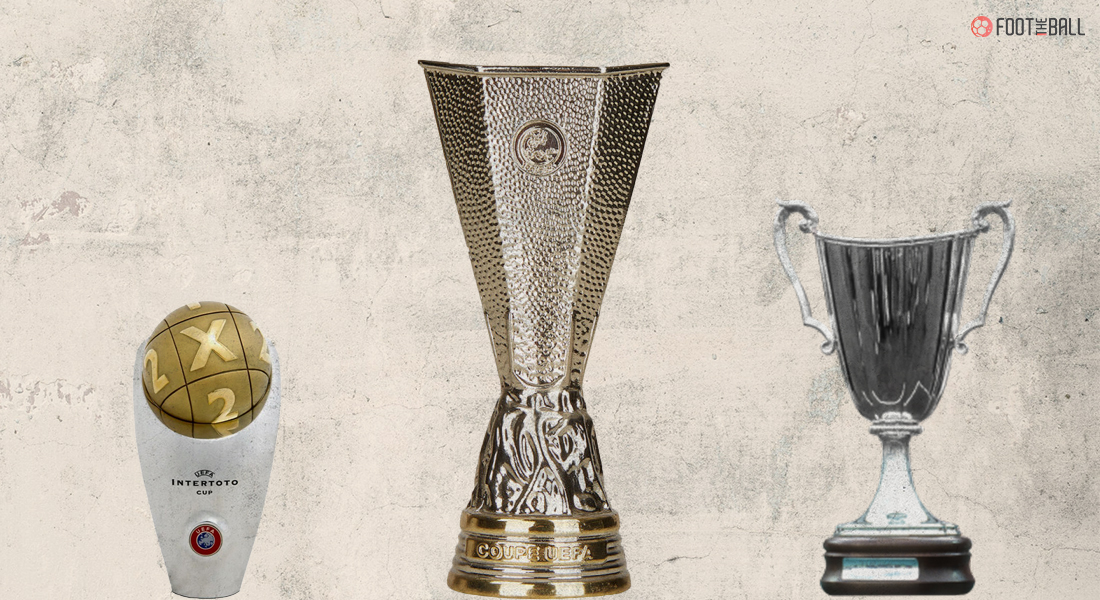
The 2009 rebrand to the UEFA Europa League was a commercial and strategic masterstroke. It merged the remaining UEFA Intertoto Cup and expanded the group stage. The goal was to create a stronger, more marketable brand distinct from the Champions League, with its own identity and prestige. It worked. The Thursday night slot became synonymous with intense, must-watch European football.
I followed the UEFA Cup closely in the 90s, especially when Schalke 04 won it in 1997. The atmosphere was different then, less globalized, more visceral. The two-legged final against Inter Milan went to penalties, and the celebrations in Gelsenkirchen lasted for days. That trophy meant everything. The modern Europa League carries that same weight, just on a brighter, bigger stage.
How the Europa League Works Today (2025/26 Format)
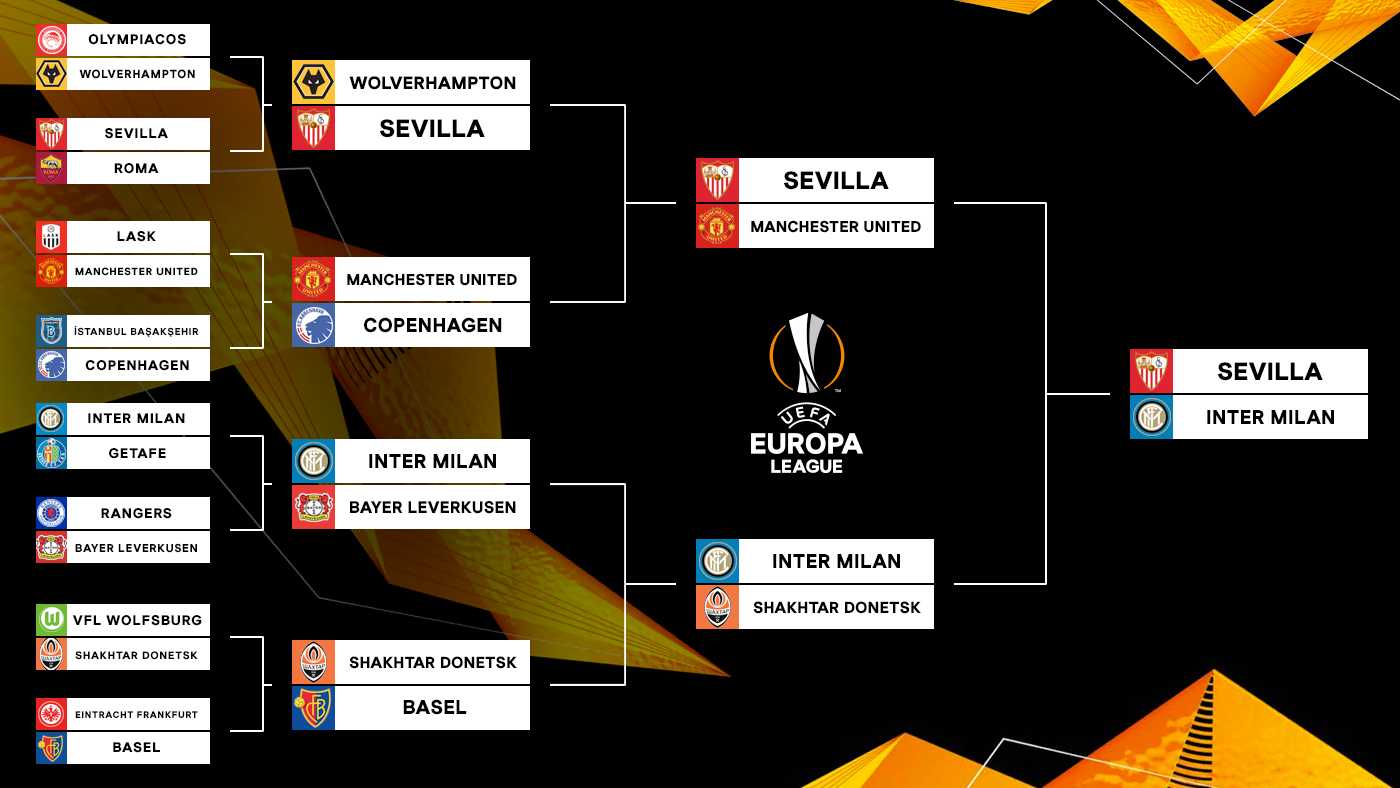
The format you need to understand is the new one. Starting in the 2024/25 season, UEFA scrapped the traditional eight groups of four. They replaced it with a single 36-team league phase, mirroring the change in the Champions League. This is the current system.
Each of the 36 teams plays eight matches, four at home, four away, against eight different opponents. The league table ranks all 36 teams from 1 to 36. This is where the new drama unfolds.
| League Phase Finish | Destination |
|---|---|
| 1st to 8th | Advance directly to the Round of 16 |
| 9th to 24th | Enter the knockout play-off round |
| 25th to 36th | Eliminated from the competition |
The top eight skip a round. Teams finishing 9th to 24th face each other in two-legged knockout play-offs. The eight winners from those play-offs then join the top eight in the Round of 16. From there, it’s a standard two-legged knockout bracket: quarter-finals, semi-finals, and a one-off final.
TL;DR: 36 teams play 8 games each in one big league. The top 8 go straight to the last 16; places 9-24 enter play-offs; the bottom 12 go home.
Common mistake: Assuming the group stage is gone, it’s just been replaced by a larger, more competitive league phase where every match impacts your final seeding for the knockouts.
This format increases the number of high-stakes matches and reduces the number of “dead rubbers.” Every position in that 36-team table matters, not just first or second in a small group. For the 2025/26 season, the final will be held at Beşiktaş Park in Istanbul on May 20, 2026.
Qualification: How Teams Get In
You don’t just buy a ticket to the Europa League. Entry is earned through sporting merit, governed by a complex access list in UEFA’s official regulations. The primary paths are through domestic league performance and cup success.
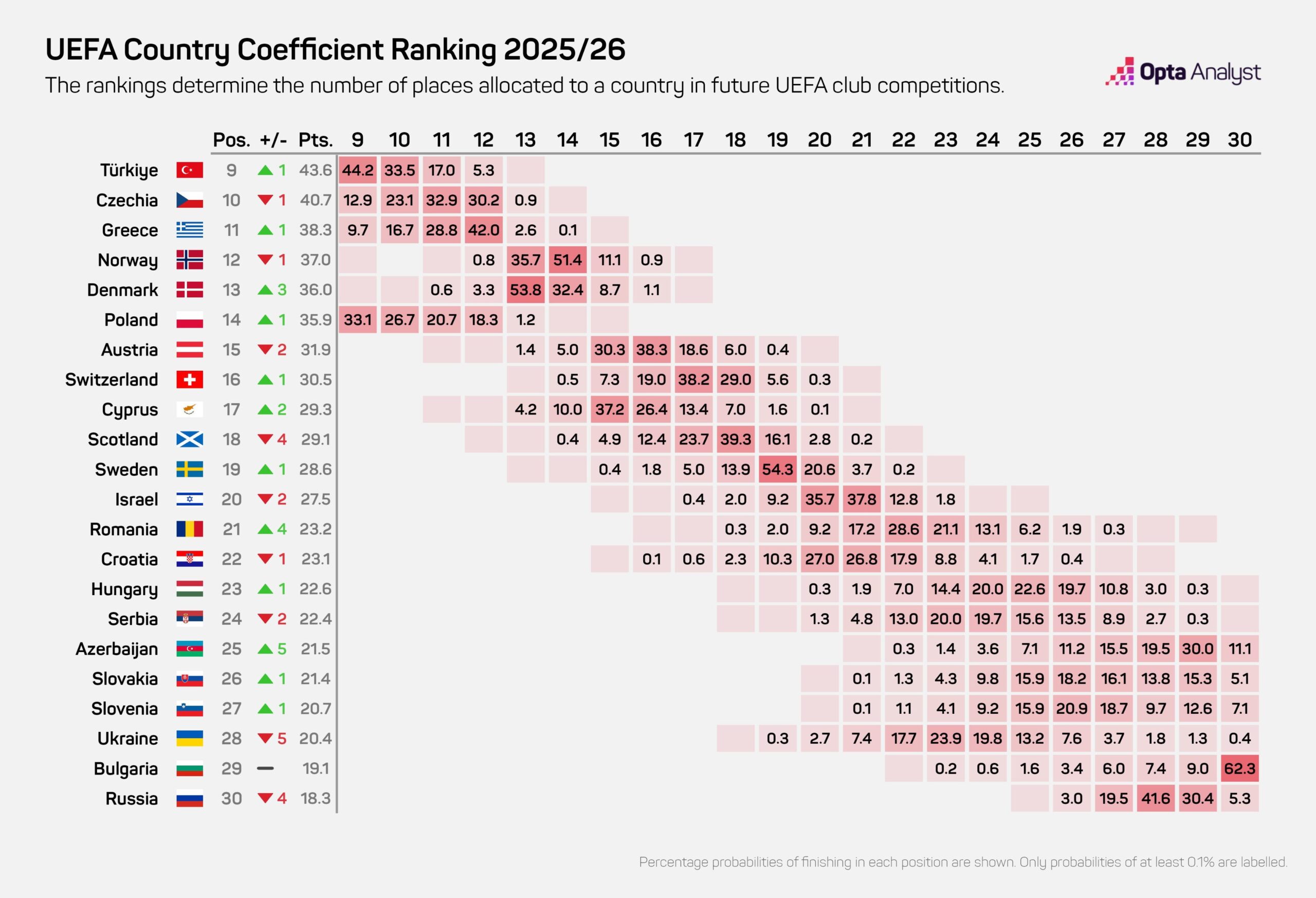
The exact number of slots per country is determined by UEFA’s association coefficient rankings. Stronger leagues like England’s Premier League, Spain’s La Liga, and Germany’s Bundesliga get more entries. Typically, these slots go to:
* Clubs finishing in league positions directly below the Champions League qualifiers.
* The winners of domestic cup competitions (like the FA Cup or DFB-Pokal).
* Clubs eliminated in the Champions League qualification playoffs or third qualifying round.
There’s also a backdoor via the UEFA Europa Conference League. The winner of that third-tier competition earns a place in the following season’s Europa League group stage. This creates a clear promotion pathway through UEFA’s competition structure.
The draw for the early qualifying rounds happens in the summer, with the league phase draw in late August. It’s a long road that starts for some clubs in July.
Why It Matters: The Stakes Beyond the Trophy
Winning the Europa League is about much more than lifting a heavy piece of silverware. The rewards are concrete and career-defining for clubs.
The Champions League Prize: Since the 2014/15 season, the Europa League winner has earned automatic qualification for the group stage (now league phase) of the next season’s Champions League. This is the ultimate carrot. It transforms a good season into a historic one, guaranteeing access to Europe’s most lucrative tournament and the prestige that comes with it. It’s an alternative European qualification pathway that clubs fiercely compete for.
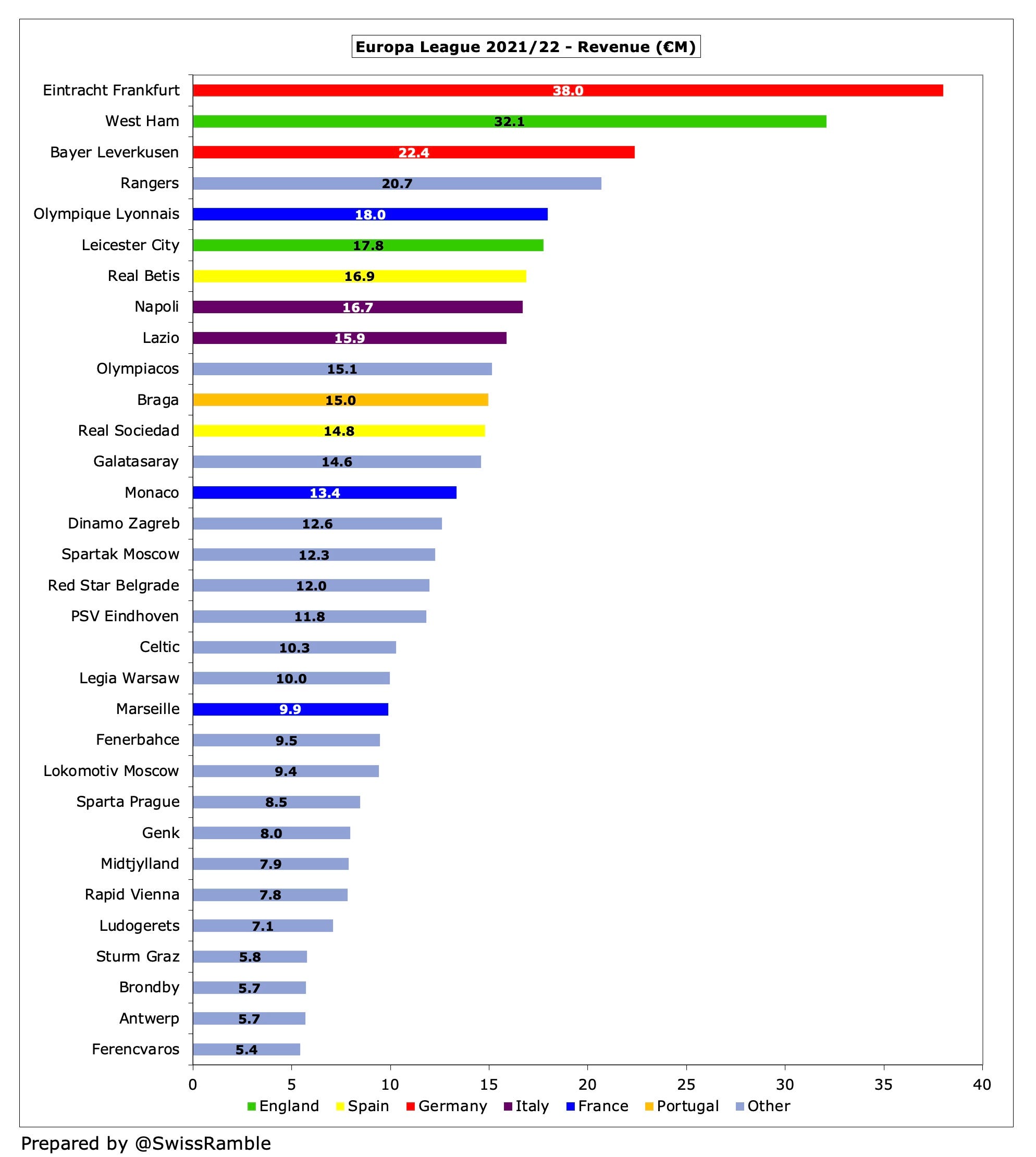
Financial Distribution: UEFA distributes hundreds of millions of euros in participation, performance, and broadcast revenue. While the sums are smaller than the Champions League, they are transformative for mid-sized clubs. Each win and each round advanced adds significant money to the club’s coffers.
Prestige and Legacy: For clubs outside the perpetual Champions League elite, this is their chance to win a major European trophy. Sevilla’s identity is built on it. For Manchester United or Arsenal, it’s a route back to relevance. It’s a trophy that legends are built on, worthy of a place in any club’s museum and a chapter in the best football history audiobooks.
A Development Platform: The Europa League offers invaluable European experience for players and managers. It’s where young talents from emerging leagues or big-club academies get tested under pressure. The Thursday-Sunday rhythm tests squad depth and managerial skill in a unique way.
Iconic Moments and Record Holders
The competition’s history is written by its winners and its most dramatic moments. No club owns the Europa League like Sevilla FC. Their seven titles (six coming in the Europa League era since 2009) are a record that may never be broken. They have a near-supernatural affinity for the tournament.
Other multiple winners include Juventus, Inter Milan, Liverpool, and Atlético Madrid, each with three titles. The current holder is Tottenham Hotspur, who won their third title (fourth including a Cup Winners’ Cup) in the 2025 final.
The tournament has given us unforgettable finals: penalty shootouts, last-minute winners, and underdog stories. It’s where Diego Forlán, Radamel Falcao, and Antoine Griezmann cemented their reputations. These moments create the football memorabilia gifts that fans cherish.
I still remember Atlético Madrid’s 2012 final victory over Athletic Bilbao. Falcao was unplayable. That performance alone showed the world that the Europa League could be a stage for the very best players, not just a consolation bracket.
The competition also has a rich history of fan culture, with unforgettable travel stories and stadium atmospheres that are perfect for filming football games and capturing the passion.
Frequently Asked Questions
What’s the difference between the Europa League and the Champions League?
The Champions League is for the champions and top teams from Europe’s strongest leagues, the absolute elite. The Europa League is the next tier down, featuring clubs that finished slightly lower in their leagues or won domestic cups. The Champions League has higher prestige, far greater financial rewards, and a separate, simultaneous calendar (mostly Tuesdays/Wednesdays vs. the Europa League’s Thursdays).
Do Europa League winners get a Champions League spot?
Yes. Since 2014, the Europa League champion qualifies automatically for the group stage (now league phase) of the following season’s Champions League, provided they haven’t already qualified through their domestic league. This is the competition’s biggest modern incentive.
How many teams from one country can play in the Europa League?
maximum of seven clubs from one national association can enter UEFA competitions in total. Typically, a maximum of one or two of those slots are allocated to the Europa League, depending on the country’s coefficient ranking and the results of the other tournaments (Champions League and Conference League).
Who has won the Europa League the most times?
Sevilla FC holds the record with seven UEFA Cup/Europa League titles. Their dominance, particularly with three consecutive wins from 2014 to 2016, is unparalleled in the competition’s history.
What happens if a team wins the Europa League but finishes in the top four of their league?
The Champions League qualification spot awarded for winning the Europa League is additive. It does not replace a domestic qualification spot. This means a country could potentially have five teams in the Champions League if one wins the Europa League and four finish in the top domestic slots.
Before You Go
The UEFA Europa League is far from a secondary thought. It’s a dynamic, high-stakes tournament with a rich history and a constantly evolving format. It offers a direct route to the Champions League, provides vital financial fuel for clubs, and creates legends on its own stage. From its roots as the UEFA Cup to the new 36-team league phase, it remains a cornerstone of the European football calendar. Whether you’re watching a playoff round in February or the final in May, you’re watching a competition that truly matters.
I come from the “soccer heart” of Germany, the Ruhrpott. I have played, trained and followed soccer all my life and am a big fan of FC Schalke 04. I also enjoy following international soccer extensively.