Understanding Ultras: The Core of Fanatical Soccer Culture
Ultras in soccer culture are highly organized, fanatical supporter groups whose primary mission is to create an overwhelming, intimidating atmosphere for their team through coordinated visual displays (tifo, banners) and relentless, collective singing and chanting. They occupy specific stadium sections, organize away travel, and view themselves as the emotional and traditional core of the club.
Most people see the flags, hear the drums, and smell the smoke and think it’s all just chaotic noise. They miss the meticulous organization, the coded politics in the banners, and the unspoken deal these groups have with the clubs they worship. That deal is what keeps stadiums alive and also what leads to the front-page clashes.
This guide breaks down the origins, the strict rules within the chaos, and the delicate balance between being a club’s greatest asset and its biggest headache. You’ll learn how to spot the difference between an ultra and a hooligan, why a 20-foot banner matters more than a goal sometimes, and why this culture is a permanent, powerful force in football worldwide.
Key Takeaways
- Ultras are defined by organized support and spectacle, not by violence. Conflating them with hooligans misses their core purpose of atmospheric dominance.
- The implicit social contract with their club is critical: they provide unwavering identity and atmosphere, and expect influence in return, especially on issues like ticket prices and tradition.
- They act as self-appointed guardians of club culture, preserving chants, rituals, and a sense of place against commercial and corporate pressures.
- Their use of pyrotechnics and confrontational stances towards authority is often a form of protest against the perceived sanitization and commodification of modern football.
- While born in Italy, ultra culture has adapted globally, with variations in style and intensity seen in leagues from Eastern Europe to North America.
Origins and Spread: From Italian Curvas to Global Stands
The story doesn’t start with a bang, but with a newspaper. The term “ultra” first appeared in 1969 in the Italian sports paper Guerin Sportivo, used to describe the exceptionally fanatical supporters of Sampdoria. The culture itself had been brewing in the curve (the curved, often standing-only ends of Italian stadiums) since the late 1950s. Groups like Fossa dei Leoni of AC Milan were pioneers, borrowing elements from South American barras bravas and European political demonstrations to create a new, militant style of support.
This wasn’t just about being loud. It was about creating a visual and auditory territory within the stadium. The curva became their kingdom. From this Italian epicenter, the model spread like a tactical playbook across Europe in the 1980s and 90s, carried by television and fan travel. It found fertile ground in countries with deep social tensions and strong local identities, the Balkans, Eastern Europe, Greece, and Turkey. By the 2000s, the template had reached North Africa, Asia, and even sparked nascent movements in North America and Australia. Each region imported the core principles and then customized them with local political symbols, musical styles, and levels of tolerated confrontation.
The curva, or stadium end, is the designated territory of an ultra group. This section becomes a stage for their displays, a fortress for their community, and a symbolic heart of the club’s working-class identity, often in direct contrast to the more expensive, sedate seats along the sidelines.
The Core Traits: What Makes an Ultra Group?
Forget the idea of a random, angry mob. An ultra group operates with the precision of a stage crew and the unity of a battalion. Their output, the matchday atmosphere, is a product of intense organization. Membership is usually formal, with annual fees funding displays, travel, and sometimes legal defenses. Leadership is clear, and roles are assigned: capo (the leader conducting chants), banner designers, pyrotechnic handlers, drummers.
Their toolkit is specific and symbolic. Visual dominance comes from two-tiered displays: the constant (flags, banners with group names) and the spectacular (tifo). A tifo is a large, coordinated display, a massive banner, a card stunt, a flag mosaic, unveiled at a key moment to inspire the team or mock the opponent. The auditory assault is just as planned. Chants are not spontaneous outbursts but rehearsed anthems, led by the capo with a megaphone, backed by relentless drumming to maintain rhythm and volume for 90 minutes. The goal is to never let the opposition or their fans have a moment of sonic peace.
Then there are the contested tools: pyrotechnics. Flares and smoke bombs are illegal in nearly all stadiums due to safety risks. But for ultras, they are the ultimate symbol of passion and sacrifice, a visual and olfactory spectacle that marks territory and shows a willingness to defy authority for the cause. The smell of cordite becomes part of the matchday experience.
TL;DR: An ultra group is a structured organization that weaponizes sight and sound through flags, rehearsed chants, drums, and tifo displays to create a psychologically dominant home advantage.
The Anatomy of an Ultra Display
| Element | Purpose | Risk If Misused |
|---|---|---|
| Banners / Flags | Show group identity, taunt opponents, send political messages. | Obstructing views draws complaints from other fans; offensive messages trigger fines for the club. |
| Tifo | Large-scale visual spectacle for key moments (kickoff, derbies). | Costs thousands and requires months of work; a botched reveal is a massive embarrassment. |
| Chants & Drums | Create a continuous, intimidating auditory backdrop. | Repetitive, simple chants can feel stale; overbearing drumming alienates fans seeking a more traditional atmosphere. |
| Pyrotechnics | Generate awe, mark territory, symbolize defiance. | Guaranteed stadium bans, heavy club fines, and potential criminal charges for possession. |
Ultras vs. Hooligans: The Critical Distinction Everyone Gets Wrong
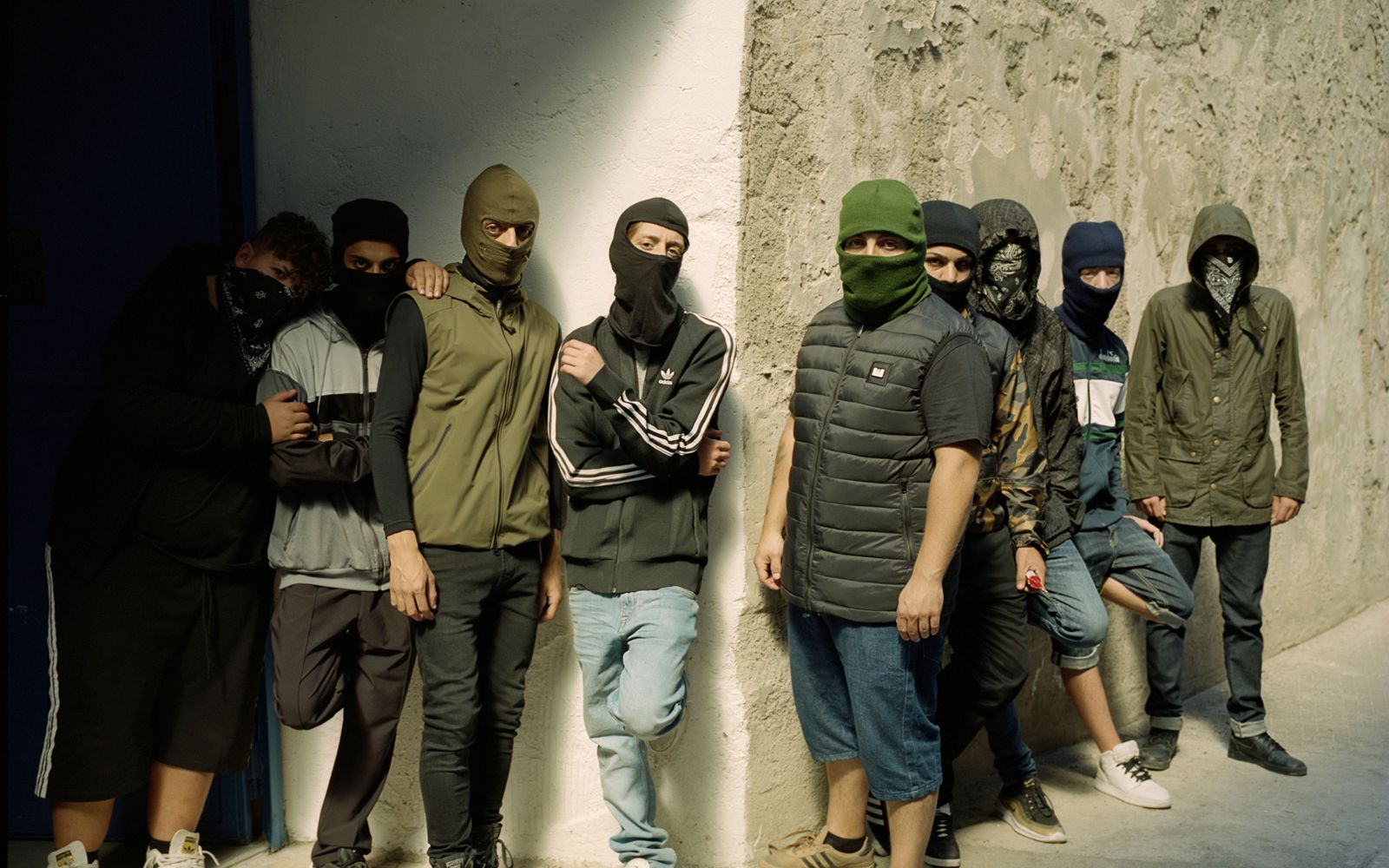
This is the most important line to draw. Blurring it insults the ultras and misunderstands football violence. Their core objectives are different.
An ultra’s mission is atmospheric and psychological conquest. They want to win the battle of the stands, to be the “12th man” so powerful the opponent feels outnumbered before the whistle. Everything is geared towards this spectacle. They wear club colors proudly, arrive en masse, and want to be seen. A fight might happen if provoked or if it defends their “territory,” but it’s a byproduct, not the aim.
A hooligan’s mission is physical confrontation. They are fight clubs that use football as a pretext. The match is almost incidental. They often travel discreetly, in small groups, wearing plain clothes to avoid police attention, seeking out rival firms for arranged or spontaneous violence. The goal is not to support a team but to win a street fight and gain status within their firm’s hierarchy.
Common mistake: Calling any violent football fan an “ultra”, this mislabels the intent. An ultra group involved in a clash is defending its display or its stand; a hooligan firm travels to find that clash. The former’s violence is situational; the latter’s violence is the purpose.
Think of it this way: an ultra group will spend six months and $10,000 on a tifo to humiliate their rivals. A hooligan firm will spend six months tracking another firm’s travel plans to ambush them at a service station. Both are intense, both can be dangerous, but only one is fundamentally about the football match itself. For a deeper dive into this crucial separation, explore our analysis on the key distinctions between ultras and hooligans.
The Ultras vs. The Club: A Fraught Partnership
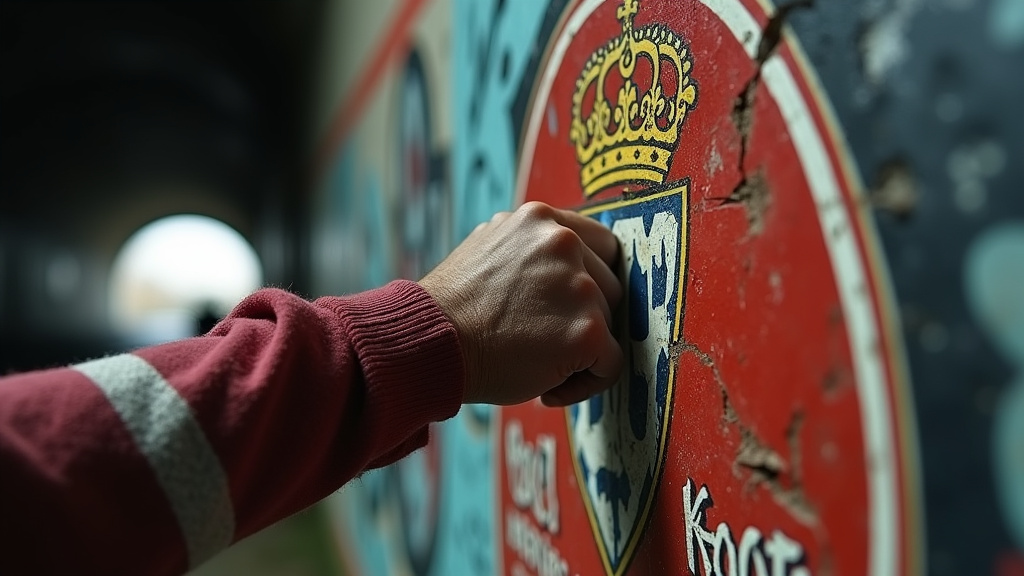
This relationship is a tense, co-dependent dance. Ultras provide what money can’t buy: a visceral, authentic, and intimidating home atmosphere. This has real value, it attracts players, intimidates opponents, and gives the club a unique selling point. In return, ultras expect something beyond free tickets. They demand respect and influence. This is the implicit social contract.
They see themselves as the guardians of the club’s soul. When a new owner tries to change a crest, commercialize a stadium name, or hike ticket prices to exclude working-class fans, the ultras become the most vocal opposition. They are the living archive of club tradition, the ones who know the century-old chants, the stories of past legends, and what it means to be from that city. A 2021 academic paper in the journal Social Science History frames this as an “atmospherics of discontent,” where the ultras’ antisocial behavior in public space is a performative protest against the sanitization of the sport.
Clubs walk a tightrope. They need the atmosphere but fear the fines and bad headlines. The savvy ones provide designated sections, sometimes offer storage for displays, and maintain back-channel communications with group leaders. The clumsy ones try to ban them, which only turns the ultras’ energy against the club itself. The standoff at my own club, Schalke, during periods of crisis is a masterclass in this push-pull, the Nordkurve’s displays are breathtaking, but their criticisms of board decisions are merciless.
TL;DR: Clubs leverage ultra culture for atmosphere and identity but must manage the constant risk of fines and rebellion, while ultras trade unwavering support for a stake in the club’s cultural direction.
Ultras and Politics: The Unavoidable Crossroads
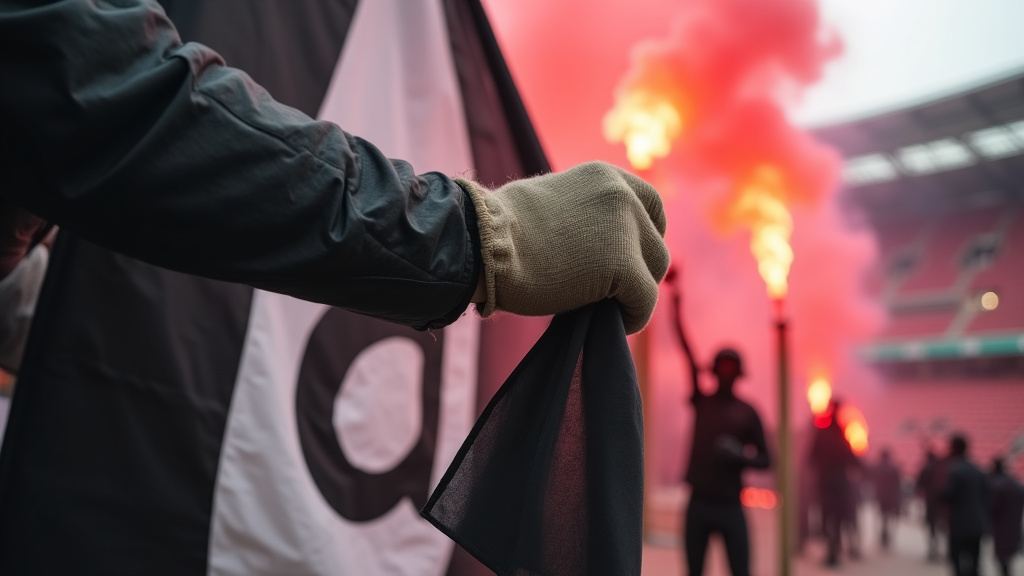
To ignore the political dimension is to see only the smoke and miss the fire. The stadium curva has historically been a place where societal tensions are amplified, not left at the turnstile. In many regions, ultra groups have explicit affiliations. Far-right, neo-fascist groups have long used the terrace as a recruiting ground and a space to display symbols. Conversely, left-wing, anti-fascist, and autonomist groups have formed their own ultras as a counter-force.
These politics manifest in banners, chants, and conflicts. A derby match can become a proxy war for historical ethnic tensions (see Red Star Belgrade vs. Dinamo Zagreb) or current ideological battles (see Livorno’s left-wing ultras vs. Lazio’s far-right Irriducibili). It’s crucial to understand that this isn’t universal, many groups are apolitical or focus only on football, but where it exists, it is deep and defining. The Wikipedia entry on ultras details how these political entanglements vary significantly by country and group.
This political layer adds another reason for their antagonism towards authorities and media. They see police not just as enforcers of pyrotechnics bans, but as agents of a state they may oppose. They see media as a machine that vilifies their culture while selling the commercialized product they despise.
The Global Picture: Not Just a European Phenomenon
The ultra blueprint has been exported and adapted. In North Africa and the Middle East, groups like Egypt’s Ultras Ahlawy became symbols of resistance during the Arab Spring, their organizational skills transferred from the stands to the streets. In Asia, Japanese and Korean ultra-style groups emphasize spectacular, perfectly synchronized tifo and chanting but largely reject the violence and pyro of their European counterparts.
The North American experiment is fascinating. MLS supporters’ groups borrowed the aesthetics, the capos, the tifo, the section-specific seating. But they were often created with club approval from the outset, blending ultra-style support with a more inclusive, family-friendly MLS ethos. This has led to tension, as seen in fan discussions about groups like the Sporting KC Cauldron, where some feel the edge has been softened by management. This highlights a broader question in global fan culture: can you import the show without the strife?
Frequently Asked Questions
Are all ultras violent?
No. Violence is not a defining characteristic of ultra culture. While clashes with police or rival groups can occur, the primary focus is on organized support and creating atmosphere. Many groups never engage in violence, focusing solely on tifo, chants, and community.
Why do ultras use pyrotechnics if they’re illegal?
For ultras, pyrotechnics are the ultimate symbol of passion and sacrifice. The flare’s light and smoke create a breathtaking spectacle and a sense of shared risk. Using them is a deliberate act of defiance against stadium regulations they view as sterilizing the fan experience.
Do clubs secretly support their ultras?
It’s a complex, unofficial relationship. Clubs rarely endorse them publicly due to liability, but many rely on them for matchday atmosphere. There is often tacit understanding, with clubs providing logistical support for displays while publicly condemning any illegal activity.
What’s the difference between an ultra and a regular passionate fan?
Organization and scope. A passionate fan sings and wears colors. An ultra is part of a structured group that plans displays, funds travel, rehearses chants, and views supporting the team as a collective, almost professionalized duty. The scale of their operation is what sets them apart.
Can ultra culture be positive?
Absolutely. At its best, it creates the most electrifying stadium environments in sports, fosters deep community and local identity, and holds clubs accountable to their history and traditional supporters. The sheer artistry of major tifo displays is a positive cultural contribution to the game.
The Bottom Line
Ultras are not a problem to be solved. They are a powerful, permanent feature of football’s ecosystem. They are the engine of the stadium’s emotion and the keeper of its memory. Understanding them means looking past the smoke bombs to see the structure, the coded messages in the banners, and the profound, if fraught, love they have for their club. They remind everyone that football is not just a business or a show, it’s a repository of identity, and they are its most fervent defenders. Their drums will keep beating, their flags will keep flying, and the delicate dance with the clubs they love will continue to define the soul of the game in stands across the world.
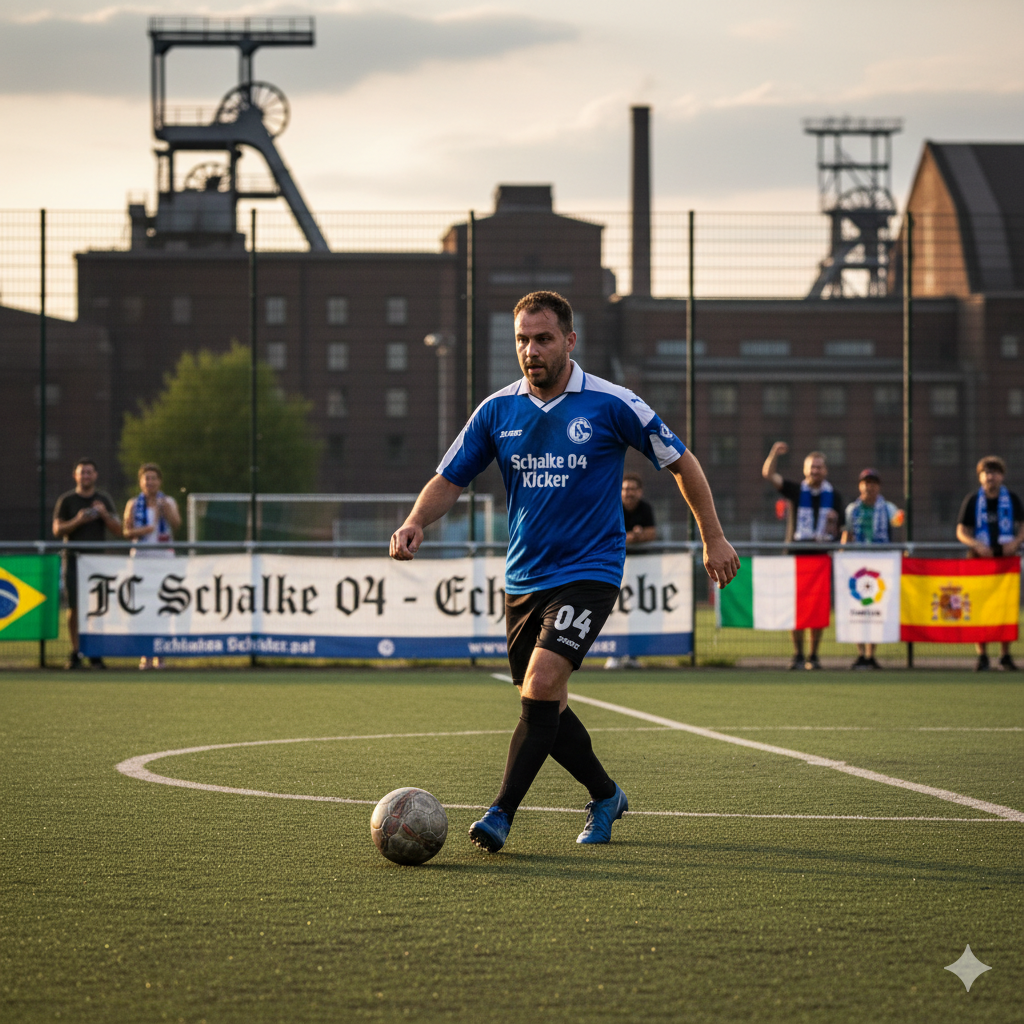
I come from the “soccer heart” of Germany, the Ruhrpott. I have played, trained and followed soccer all my life and am a big fan of FC Schalke 04. I also enjoy following international soccer extensively.