What Is Tifo in Soccer? The Fan Fever Explained
A tifo in soccer is a massive, coordinated visual display staged by fans in the stadium stands. It is a core part of fan culture, used to create atmosphere, motivate the team, and challenge rivals. These elaborate shows, often unveiled at kick-off, are fan-organized and funded, representing collective identity and passion.
A tifo in soccer is a large, often choreographed visual display created by fans in the stadium stands, typically revealed just before kick-off to build atmosphere, inspire the team, and intimidate opponents. The term comes from the Italian word for typhus fever, describing the feverish passion of supporters.
Most people think these are just big flags or banners paid for by the club. That’s the part they get wrong every time. The club might provide a space or a nod, but the drive, money, and sweat come from the fans. It’s a declaration of identity, not advertising.
This guide walks through the feverish origins of the word, breaks down the two classic formats you’ll see, and explains why fans spend weeks and thousands on a display that lasts three minutes. We’ll also cover where you’re most likely to see them and what happens to the materials after the final whistle.
Key Takeaways
.
- The word “tifo” originates from the Italian for typhus fever (“tifo”), metaphorically describing a fan’s feverish, contagious support. The fans themselves are “tifosi”.
- There are two dominant formats: the single massive banner unfurled across a stand, and the mosaic where hundreds of fans hold colored cards to form one giant image.
- Tifos are almost exclusively fan-driven and fan-funded projects, representing the core of supporter culture like the ultras subculture.
- The primary goal is to act as the “12th player” – to inspire the home team and psychologically overwhelm opponents, especially in derbies or UEFA Champions League matches.
- Despite weeks of work, most tifos are used for only the first few minutes of a match because they block views. The materials are often stored, destroyed, or even ritually burned to prevent rivals from capturing them.
The Feverish Origin of the Word “Tifo”
You don’t get a word like this from a marketing meeting. It comes from the streets and the stands. The Cambridge Dictionary definition of tifo records it simply as a display by sports fans. The real story is darker and more passionate.
In 1930s Italy, “tifo” meant typhus. This was a brutal, contagious disease known for causing high fevers and delirium. Sports journalists of the era looked at the screaming, sweating, seemingly irrational crowds on Sundays and saw a parallel. They called the fans “tifosi” – the typhus-afflicted. The label stuck because it fit. Supporting a club wasn’t a hobby; it was a sickness, a fever you caught and carried.
That etymology tells you everything about the energy behind a tifo. It’s not polite applause. It’s a collective, visual fever. When you see 20,000 fans in the Südtribüne at Borussia Dortmund holding a mosaic that spells “Echte Liebe” (True Love), that’s the fever in its most beautiful form.
The word “tifo” entered the sporting lexicon via Italian newspapers drawing a direct metaphor between the symptoms of typhus fever (delirium, high temperature) and the observable behavior of fanatical football supporters in the stadium.
This origin in Southern Europe explains the global fan traditions of tifo culture. It spread north through the ultras movements in the 1960s and 70s, reaching Germany, France, and eventually England and the Americas. The fever was contagious.
The Two Classic Tifo Formats
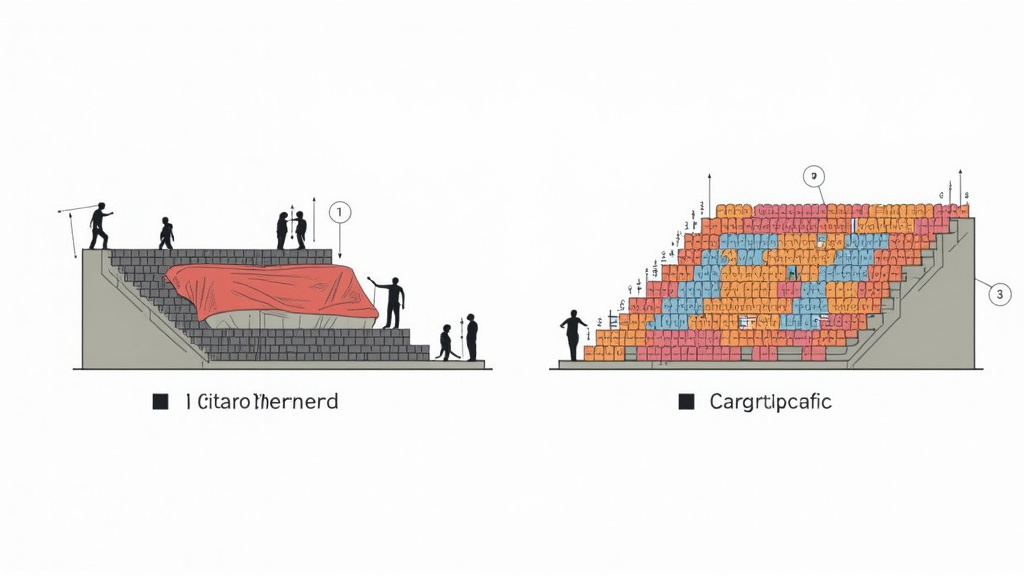
Head design changes the entire process. So does tifo format. You have two main types, each with its own logistical beast to tame.
The Giant Banner
This is the classic image: a single, massive piece of fabric, often painted or digitally printed, that gets unfurled to cover an entire stand. It might feature a legendary player’s face, a club crest, or a pointed message. The key is scale. When the Yellow Wall at Dortmund drops a banner that’s 100 meters wide, you feel it in your chest before you process it with your eyes.
Creating this isn’t just art. It’s engineering. You need a space large enough to paint it – often a rented warehouse or empty hall. The material must be light enough to unfurl but strong enough not to tear. Then you need dozens of volunteers to roll it, transport it, and secretly position it in the stand, usually under a tarp or other cover. The reveal is a synchronized pull of cords.
The Card Mosaic (Card Display)
This is the more complex, pixel-art approach. Each fan in a designated section receives a colored card or piece of material. On a signal, everyone holds their card overhead. From a distance – especially from the pitch and TV cameras – the individual cards merge into a single, breathtaking image or message.
The logistics here are about precision and crowd control. Every seat in the section must be accounted for. The cards are typically numbered or color-coded and placed on seats before the fans arrive. Instructions are disseminated through fan channels: “When the whistle blows at the 2-minute mark, hold your card up for 60 seconds.” One person holding the wrong color or holding at the wrong time creates a blur in the picture.
| Format | Best For | Key Challenge |
|---|---|---|
| Giant Banner | Iconic imagery, clear messages | Transport & covert stadium deployment |
| Card Mosaic | Spectacular, TV-friendly images | Perfect fan coordination & seat mapping |
| Flag Display | Continuous movement & atmosphere | Avoiding tangles and blocking safety exits |
| Pyro + Display | Intense, intimidating moments | Strict legal restrictions & safety risks |
TL;DR: Banners are for bold statements; mosaics are for coordinated spectacle. Both require military-level planning from fan groups, not the club.
Why Do Fans Go to Such Extreme Effort?
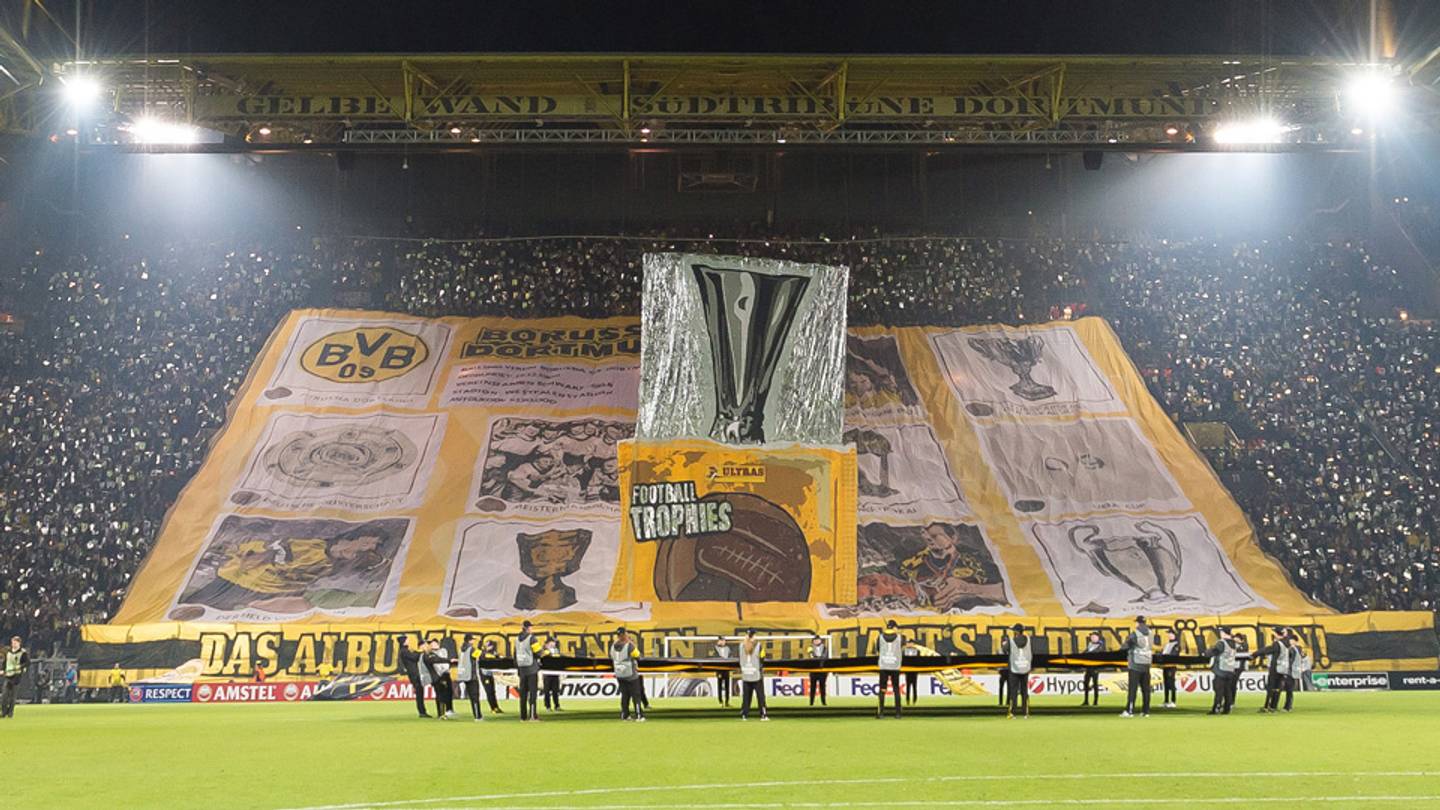
It looks like madness. Weeks of planning, thousands of euros, hundreds of volunteer hours – for a display that lasts the length of the pre-match anthem. Why?
The answer isn’t for the fans in the next section. It’s for the 22 men on the grass. A tifo is the ultimate psychological weapon and promise. When your team walks out to a sea of your colors forming a giant warrior or the word “HEIMAT” (homeland), it does something. It tells them, “This is more than a game. We are here. We are you.” Conversely, it tells the opposing team, “You are walking into our church, and we are the congregation.”
I’ve stood on the pitch during a youth tournament final when a small tifo was unveiled for us. The noise drops for a second, then erupts. Your skin prickles. You run 5% harder for the first 20 minutes. That feeling is the entire point.
Studies back this up. A 2008 study by the Social Issues Research Centre monitored fans’ heart rates. For many, the peak wasn’t during a goal. It was during those pre-match rituals – the chanting, the showing team spirit, the unveiling of a tifo. That’s the moment of maximum collective identity and anticipation. The tifo crystallizes that moment into a visual roar.
The effort itself is also the point. The tifo creation process – the painting nights, the design meetings, the fundraising – bonds the supporter group. It turns fandom from a passive act into an active, creative one. You’re not just buying a scarf; you’re sewing a panel of the banner. This is central to the identity of organized ultras and tifos groups across Europe and South America.
Where and When You’ll See the Best Tifos
Tifos aren’t for every match. They are for the moments that mean something. The energy and resources are saved for fixtures that define a season or a community.
The Derby or Local Rivalry
This is the most common trigger. In the Ruhrpott derby between Schalke and Dortmund, tifos are mandatory. They are declarations of war and identity. I’ve seen Schalke’s Nordkurse display a massive miner, honoring the region’s history, directly aimed at Dortmund’s stand. The message is territorial and raw.
European Nights
The UEFA Champions League is the global stage. Clubs that have fought through Champions League qualification want to mark their arrival. Stadiums like San Siro in Milan or the Westfalenstadion in Dortmund become galleries. The tifos here are often more artistic, celebrating the club’s history on the continental stage. They tell the world, “We belong here.”
Anniversaries and Farewells
A club’s 100th anniversary, a legendary player’s final match, or a promotion celebration – these are storybook moments that demand a visual chapter. The tifo becomes a collective thank you note or history book.
The New World: MLS and Beyond
Tifo culture, like the game itself, has globalized. In MLS, supporter groups in cities like Portland, Seattle, and Atlanta have fully embraced the tradition, often blending American creativity with soccer passion. These displays in MLS stadiums are a sign of the league’s growing cultural depth, moving beyond just entertainment to real community ritual.
Common mistake: Thinking a tifo is a spontaneous display. The best ones are planned for months, with designs locked in before the season schedule is even finalized. A last-minute tifo looks rushed and loses its emotional impact.
The Hidden Lifecycle: Funding, Creation, and Disposal
The three-minute display is just the tip of the iceberg. What happens before and after is where the real story is.
Who Pays For This?
Clubs do not typically fund tifos. It would break the sacred wall between supporter and employer. The money comes from the fans. Organized groups collect dues, hold fundraising events, and sometimes get small donations from sympathetic former players or local businesses. A major banner for a big stand can cost several thousand euros. Every euro is a fan’s statement of commitment.
The Creation Process
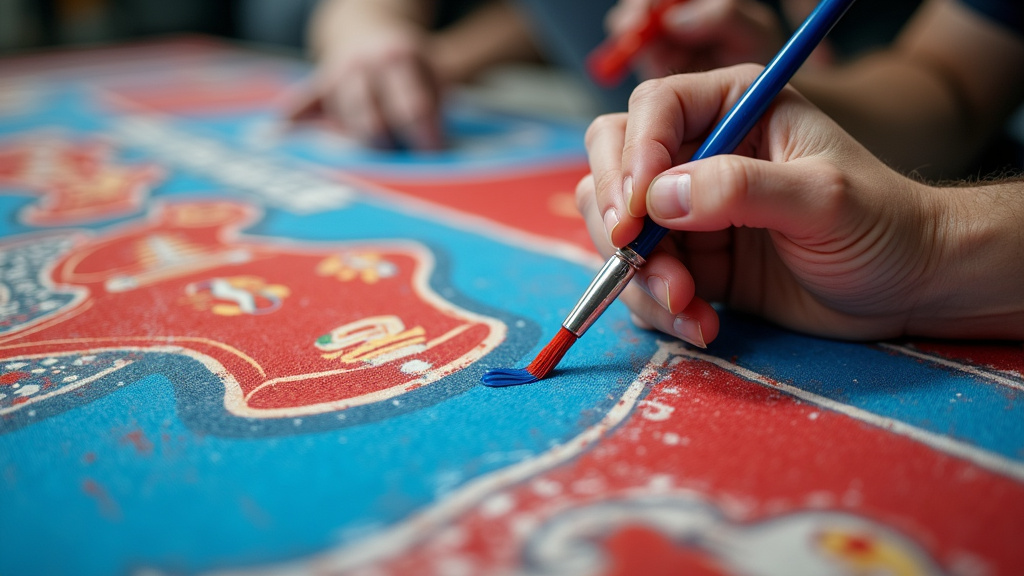
This is a mix of art studio, workshop, and military operation. It starts with a design committee, often involving artists from within the fan base. Once the design is set, materials are sourced. For a banner, this means finding a roll of canvas or polyester large enough. Then comes the painting – often in shifts, over nights and weekends in a borrowed space.
For a mosaic, the work is digital and logistical. The image is pixelated, a seat map is created, and the thousands of individual cards are sorted, packaged, and secretly brought into the stadium. This stage is where the organizing tifo displays skill is critical. A leak to rivals or the media can spoil the surprise.
The Aftermath: What Happens to the Tifo?
The match ends. The banner is now a giant, cumbersome piece of fabric. The cards are littering the stands. What now?
- Storage: Many groups have secret storage units or lofts where they carefully fold and preserve their banners for future use or as historical artifacts.
- Destruction: To prevent the ultimate humiliation – a rival group stealing your tifo – some groups ritually burn their display after the match. The act is symbolic: the moment was ours, and now it’s gone forever.
- Recycling: Cards from mosaics are sometimes collected and recycled. The fabric from banners might be cut up and turned into smaller flags or gifts for supporters.
The lifecycle proves it’s never about the object. It’s about the act of creation and the moment of unity.
Frequently Asked Questions
What’s the difference between a tifo and a regular banner?
Scale and coordination. A regular banner might be a 2-meter flag waved by one fan. A tifo is a display that involves an entire section of the stadium, working in unison to create a single, large-scale image or message. It’s a collective performance, not an individual accessory.
Are tifos legal?
Generally, yes, as long as they don’t block emergency exits, contain hate speech, or pose a fire hazard. However, the pyrotechnics (“pyro”) that often accompany tifos in countries like Italy or Greece are frequently illegal due to smoke and safety concerns, leading to fines for supporter groups.
Do players really notice them?
Absolutely. Players and coaches consistently mention walking out to an amazing tifo as a powerful, emotional moment. It sets the tone. For the home team, it’s a boost. For opponents, it’s an intimidating reminder they are in hostile territory. It’s the most direct visual communication between the stand and the pitch.
Why don’t all clubs have tifos?
It requires a specific, organized fan culture. Clubs with newer or more passive fan bases, or those that strictly control stadium displays, don’t have the grassroots organization to pull it off. It’s a tradition that grows from the bottom up, not a marketing strategy imposed from the top down.
Can you see tifos on TV?
Yes, but you lose the scale. Broadcast directors know these are dramatic visuals and will often show them during the pre-match buildup. However, the feeling of being surrounded by a mosaic, watching it unfold around you, is something television cannot capture. You have to be in the stand.
What are some of the most famous tifos ever?
Borussia Dortmund’s “Echte Liebe” mosaic across the Yellow Wall is iconic. The “Tifo of the Angels” by AC Milan fans at San Siro, featuring angelic figures, is legendary. In 2014, Schalke fans displayed a massive, critical tifo directed at their own board, reading “Money Rules, Tradition Sells” – proving tifos can be used for internal protest as well.
The Bottom Line
A tifo is the physical manifestation of fan fever. It’s the moment when abstract passion becomes concrete image, when noise becomes vision. It’s not decoration. It’s a statement of identity, a psychological tactic, and a massive logistical undertaking.
The next time you see one on TV, look past the picture. See the weeks in a dusty warehouse. See the donated euros. See the silent coordination of hundreds of people. That’s the real beauty of it. For three minutes, all that effort transforms a crowd into a single, screaming voice.
You can buy a jersey, but you can’t buy your way into that. It’s earned. That’s why, from the historic stadiums of Mexico to the new cathedrals of MLS, the fever keeps spreading.
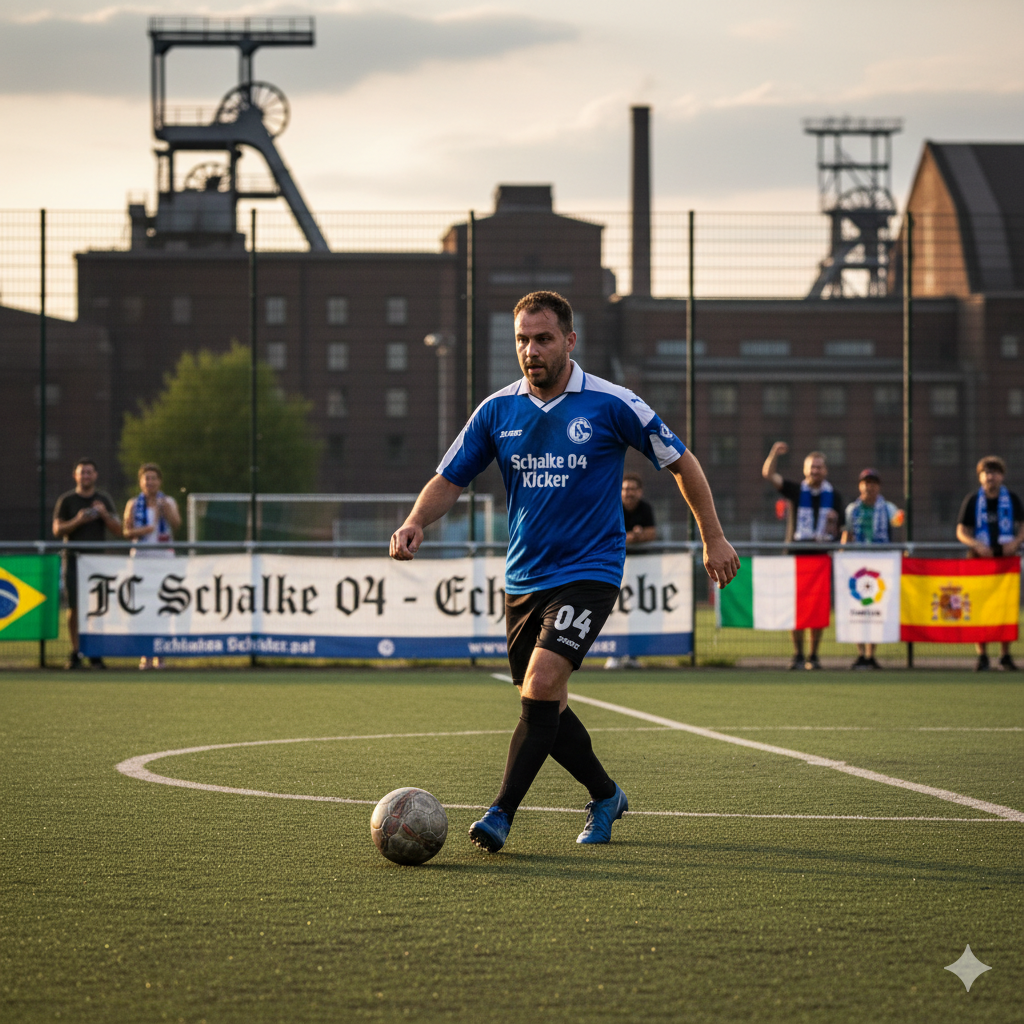
I come from the “soccer heart” of Germany, the Ruhrpott. I have played, trained and followed soccer all my life and am a big fan of FC Schalke 04. I also enjoy following international soccer extensively.