What Is a Tifo in Soccer?
Picture this: you’re standing in a packed stadium as 50,000 fans suddenly transform into living artwork. A sea of colored cards flips in perfect unison to reveal a towering tribute to your club’s legendary striker. This breathtaking spectacle isn’t CGI—it’s what is tifo in soccer, the ultimate expression of fan passion that turns ordinary matches into legendary moments. From simple banners to stadium-covering masterpieces, these coordinated displays have become the heartbeat of modern football culture.
Tifo represents far more than just visual flair—it’s psychological warfare, community bonding, and artistic rebellion rolled into one. When Borussia Dortmund’s Yellow Wall unveils a 40-meter display honoring a club icon or Legia Warszawa’s ultras make political statements through fabric art, they’re communicating power that echoes beyond the pitch. Whether you’re a casual viewer spotting your first tifo or a dedicated fan planning your own display, understanding what is tifo in soccer unlocks a deeper appreciation for football’s most passionate subculture.
Tifo Definition and Italian Origins
The term “tifo” traces directly to Italian stadiums where tifosi (meaning “fans” or “supporters”) pioneered this visual language of fandom. What began as simple chants and flags evolved into sophisticated displays where supporters coordinate massive visual statements. A tifo isn’t just decoration—it’s a strategic communication tool that sends messages to players, opponents, and global television audiences simultaneously.
This Italian innovation transformed fan culture by turning passive spectators into active participants. While English-speaking fans often say “tifo” to describe the display itself, continental Europeans use it to describe the entire atmosphere created by ultras groups. Understanding what is tifo in soccer requires recognizing its dual nature: as both the physical artwork and the collective energy it generates during matches.
Visual Components and Display Types

Simple to Complex Spectrums
Tifos range from basic fabric banners to stadium-wide optical illusions requiring military precision. The simplest versions appear as:
- Message banners stretching across supporter sections
- Card mosaics where fans hold colored cards creating pixel-art images
- Crowd surfer flags that ripple through stands during chants
- Fabric cascades unfurling down multiple stadium tiers
Don’t mistake simplicity for impact—many iconic displays use minimal elements for maximum effect. A single massive banner reading “FORZA” during derby matches can energize players more than elaborate productions. The key lies in timing and emotional resonance rather than complexity.
Advanced Display Elements
High-impact tifos incorporate multi-layered storytelling through:
- Player portraits rendered in fabric or cards
- Historical references to club-defining moments
- City symbolism connecting team identity to local culture
- Interactive elements changing appearance during match events
These complex productions transform entire stands into cohesive visual statements. Borussia Dortmund’s displays often feature industrial motifs honoring the Ruhr Valley’s heritage, while Napoli’s tifos might depict biblical scenes reflecting the city’s spiritual identity. The most effective designs work even when viewed on small smartphone screens—crucial for maximizing viral impact.
Ultras: The Creative Force Behind Tifos
Who Creates These Displays
Dedicated ultra groups operate as the engine rooms of tifo culture. These aren’t casual fans but organized communities treating support as both art form and political statement. Ultra characteristics include:
- Non-stop chanting throughout matches
- Unwavering loyalty regardless of team performance
- Artistic specialization with members focusing on design, logistics, or production
- Strict organization with defined roles and responsibilities
While often misunderstood, these groups maintain strict codes of conduct. Creating a tifo requires weeks of secret planning, resource pooling, and volunteer coordination—all while avoiding stadium security detection.
Organization Structure
Successful ultra groups function like creative agencies with specialized divisions:
- Design teams developing concepts and artwork
- Logistics units handling material procurement and storage
- Deployment crews executing matchday reveals
- Scouting networks monitoring rival group activities
This structure allows complex projects like Legia Warszawa’s politically charged displays, which require meticulous planning to navigate regulatory restrictions while delivering powerful messages.
Modern Tifo Culture and Global Spread
From Europe to Worldwide Adoption
Though rooted in Italian and Eastern European stadiums, tifo culture has gone global. English clubs initially resisted large-scale displays due to historical policing approaches, but recent shifts show dramatic change. Arsenal now creates elaborate tifos for European competitions, while Aston Villa stunned fans with a 150th-anniversary display during their 2026 FA Cup run.
This UK evolution reflects broader trends as MLS clubs and South American teams adopt continental-style supporter culture. The rise of social media accelerates this spread—when Borussia Dortmund’s Yellow Wall goes viral, it inspires fans worldwide to create their own versions.
When Tifos Take Center Stage
Tifos peak during high-stakes moments where emotional impact matters most:
- Derby matches featuring rival-targeted messaging
- Cup finals commemorating historic achievements
- Relegation battles boosting team morale
- Anniversary games honoring club heritage
The most memorable displays emerge when stakes are highest. During Borussia Dortmund’s 2013 Champions League final run, their tifo for the Real Madrid semifinal—featuring industrial motifs symbolizing Ruhr Valley resilience—reportedly unnerved opponents before kickoff.
Technical Creation Process
Material Selection Guide
Knitted polyester delivers vibrant colors essential for detailed imagery but struggles in high winds. Polyester airmesh (with 54% air permeability) becomes crucial for outdoor stadiums in windy regions. Savvy groups test materials months in advance, knowing a torn display during unveiling damages credibility.
Production Timeline
Creating a major tifo follows this sequence:
- Concept development (4-8 weeks): Finalizing message and design
- Material procurement (2-4 weeks): Sourcing weather-appropriate fabrics
- Printing and assembly (3-6 weeks): Professional stitching of sections
- Volunteer training (2-3 matchdays): Rehearsing deployment timing
Complex displays like Legia Warszawa’s political statements often require 6+ months of planning to navigate regulatory hurdles while maintaining secrecy.
Iconic Tifo Examples Worldwide
Borussia Dortmund’s Yellow Wall
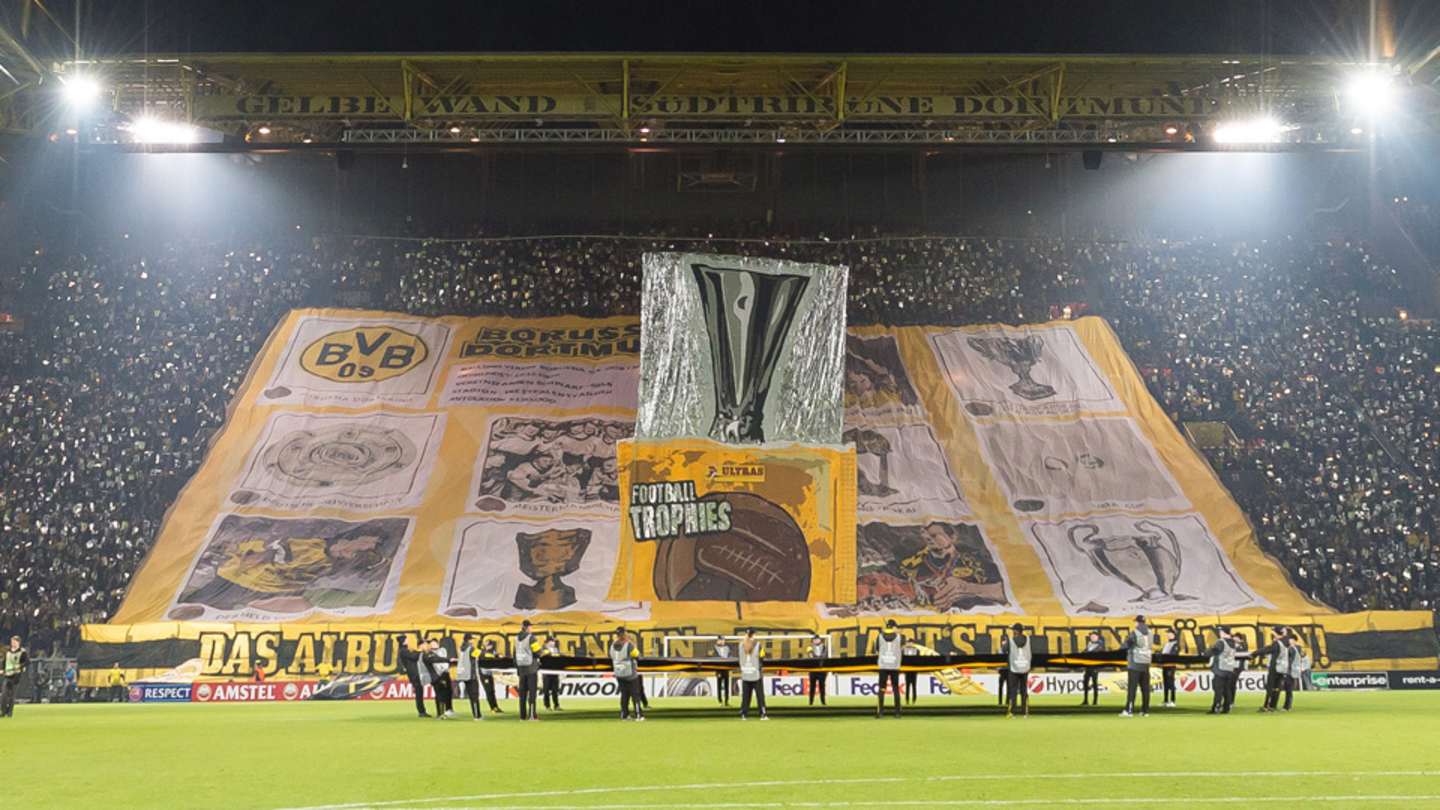
Dortmund’s Südtribüne creates football’s most famous displays through sheer scale and creativity. Their 2016 Champions League tifo featured a 40-meter-wide depiction of the Ruhr Valley’s industrial landscape, connecting the club’s identity to regional heritage. The display required 1,200 volunteers and precise timing to unveil during player warmups.
Legia Warszawa’s Bold Statements
Poland’s Żyleta ultra group pushes boundaries with politically charged displays. Their 2022 Europa League tifo featured a powerful message about Ukrainian solidarity, using fabric colors representing both nations’ flags. Such displays require extraordinary coordination to avoid pre-match confiscation while ensuring maximum impact.
Arsenal’s European Evolution
Arsenal’s recent tifo adoption marks a cultural shift in English football. Their 2023 Europa League display—a mosaic honoring Thierry Henry—demonstrated how UK clubs now embrace continental supporter traditions. The 30-meter banner required meticulous planning to navigate Emirates Stadium’s strict safety regulations.
Creating Your First Tifo
Starting Small
Begin with manageable projects that build confidence:
- Single-row banner using bed sheets and fabric paint
- Card mosaic for 50-100 supporters
- Simple message display during local derby matches
Focus on clear messaging over complexity. A well-executed “FORZA” banner creates more impact than a botched attempt at a club legend portrait.
Essential Tools Needed
Your starter kit requires minimal investment:
- Polyester fabric (more durable than cotton)
- Fabric markers (waterproof for outdoor use)
- Measuring tape (critical for stadium dimensions)
- Communication channels (encrypted messaging apps)
Avoid common beginner mistakes like underestimating wind impact or overcomplicating deployment sequences. Start with static displays before attempting choreographed reveals.
Final Note: What is tifo in soccer ultimately represents football’s soul—where fans transform from spectators into active participants. These displays capture football’s emotional core, turning stadiums into cathedrals of collective passion. Whether you’re marveling at Dortmund’s Yellow Wall or planning your first banner, remember that every legendary tifo began with a simple idea shared between dedicated fans. The true power of tifo isn’t in its scale but in its ability to unite thousands around a shared heartbeat—the unmistakable pulse of football culture at its most authentic.

I come from the “soccer heart” of Germany, the Ruhrpott. I have played, trained and followed soccer all my life and am a big fan of FC Schalke 04. I also enjoy following international soccer extensively.