When Is an Indirect Free Kick Awarded in Soccer?
You’re glued to the match as your team builds an attack—then the referee’s whistle shatters the momentum. The official raises one arm high above their head, signaling confusion among fans. Was it a handball? A reckless tackle? Understanding when is indirect free kick given soccer instantly transforms you from a confused spectator to an informed analyst. Unlike direct free kicks where goals can be scored immediately, indirect free kicks require the ball to touch a second player before counting, creating unique tactical puzzles that decide matches.
This rule distinction impacts goalkeeper positioning, defensive setups, and attacking strategies at every level. Whether you’re a weekend warrior, coach, or die-hard supporter, recognizing these specific scenarios prevents costly misunderstandings during heated moments. Let’s decode exactly when referees award this often-misunderstood restart—so you’ll never second-guess that raised arm again.
Goalkeeper Handling Violations Triggering Indirect Free Kicks
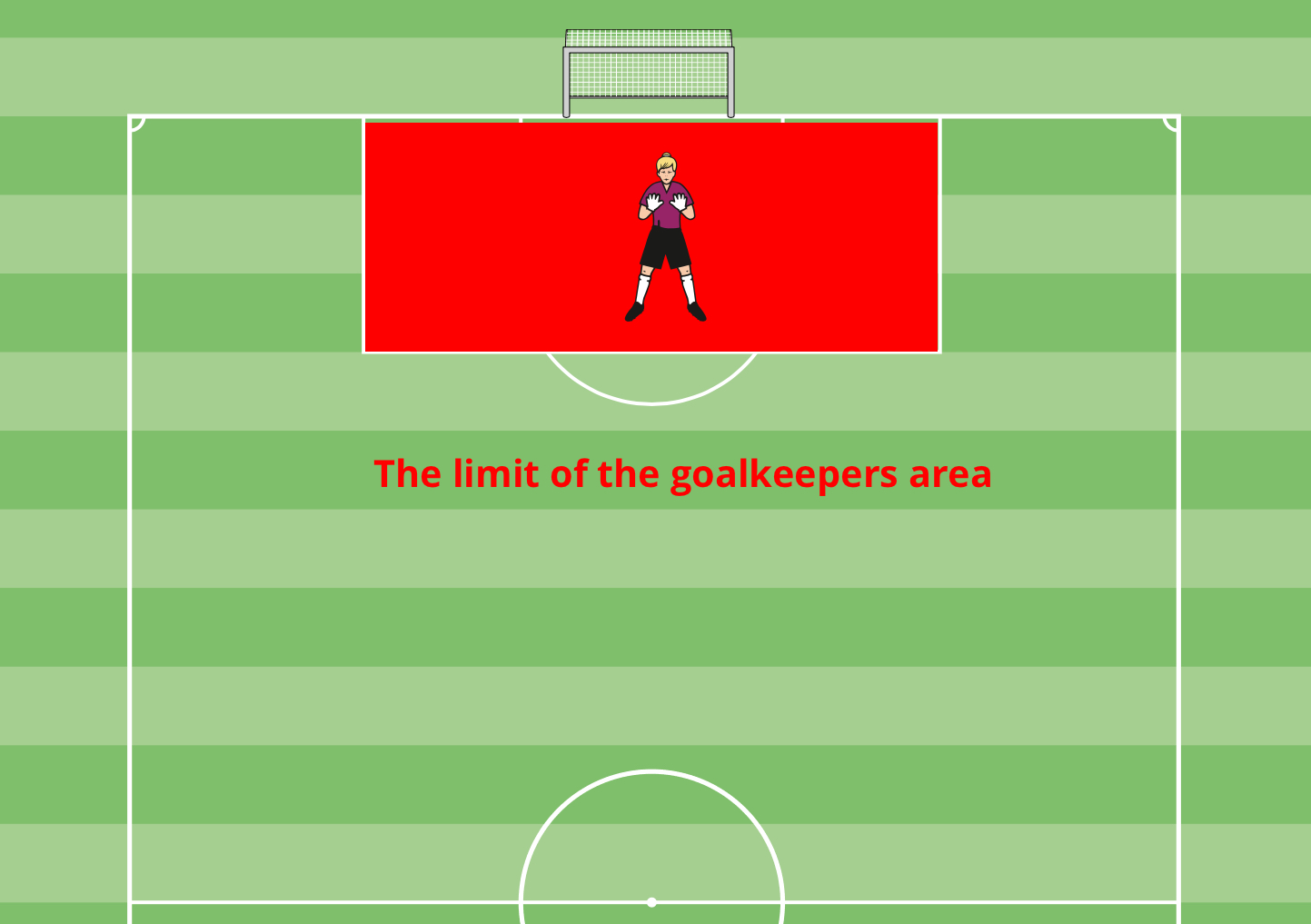
When goalkeepers overstep their technical boundaries, referees instantly award indirect free kicks inside the penalty area. If a goalkeeper deliberately handles the ball after receiving it directly from a teammate’s kick, the restart occurs at the exact spot of the infraction. This also applies when keepers catch balls thrown in by their own defenders—a common trap during frantic defensive clearances.
Time-wasting tactics backfire immediately. Goalkeepers who hold the ball for more than six seconds before releasing it, or who deliberately handle the ball a second time after releasing it (without another player touching it), gift opponents an indirect free kick. Watch for the keeper’s subtle hand movements when releasing the ball—referees monitor whether they truly “let go” before attempting a second touch.
Critical Restart Requirements
- The free kick is taken from where the illegal handling occurred
- Defenders must retreat 9.15 meters (10 yards) unless positioned on their goal line
- Pro Tip: Attackers often exploit this by stationing a player just outside the penalty arc to receive a quick pass
Double Touch Restart Violations Creating Indirect Free Kicks
Players who touch the ball twice during any restart instantly surrender possession through an indirect free kick. This double-touch infraction applies universally—whether during kick-offs, throw-ins, corner kicks, or standard free kicks. The violation occurs if the same player makes contact again before any other player (teammate or opponent) touches the ball.
Throw-in execution errors frequently trigger this penalty. Common mistakes include:
– Releasing the ball with only one hand
– Having both feet completely off the ground during delivery
– Stepping onto the field while throwing
– Throwing from a position not parallel to the touchline
When referees spot these errors, they award the indirect free kick at the exact throw-in location—not where the double touch occurred. This nuance often sparks player arguments, so watch the referee’s positioning closely.
Dangerous Play Without Contact Scenarios

Indirect free kicks protect players from hazardous situations even without physical contact. When players attempt to play the ball while lying on the ground near opponents, referees intervene immediately. This commonly happens during goalmouth scrambles when attackers dive for loose balls, creating tripping hazards for defenders.
High-kick challenges near opponents’ heads also draw this penalty. Unlike direct free kicks for reckless challenges, these calls focus on potential danger rather than actual contact. The referee judges whether the action endangered an opponent’s safety—for instance, when a player swings their foot upward within 1 meter of an opponent’s face while contesting a header.
Spotting the Referee’s Signal
- The raised arm stays elevated until the ball touches another player
- If the kick is taken quickly and an opponent intercepts it within 10 yards, play continues
- Warning: Deliberately blocking a quick restart earns a yellow card for delaying play
Wall Formation and Positioning Infractions

Defensive walls create specific indirect free kick scenarios when attackers violate spacing rules. When three or more defenders form a wall, attackers must stay at least 1 meter (1 yard) away until the ball is kicked. This prevents attackers from “screening” the wall or gaining unfair positioning advantages.
Common attacking mistakes that trigger indirect free kicks:
– Jumping over the defensive wall during the kick
– Standing directly in front of wall players to block vision
– Making contact with wall players before the ball arrives
– Feinting to take the kick but then having a teammate strike it
If an attacker violates this 1-meter rule, the referee awards an immediate indirect free kick to the defending team at the infringement spot. Savvy defenders often exploit this by forming walls near midfield to catch impatient attackers offside.
Goal Area Free Kick Exceptions
Defending teams face unique constraints when taking free kicks from inside their own penalty area. All opponents must exit the penalty area before the kick—but referees allow play to continue if defenders take a quick restart and opponents haven’t had time to clear out. However, if an opponent still inside the area touches the ball or challenges an attacker before it’s in play, the kick gets retaken.
Critical procedural nuance: When the defending team takes the free kick:
– The ball must completely leave the penalty area to be in play
– If it doesn’t exit, the kick is retaken regardless of opponent positioning
– Pro Tip: Goalkeepers often place the ball near the penalty arc’s edge to maximize passing angles while minimizing opponent pressure
Substitute and Official Interference Penalties
Indirect free kicks punish non-players who disrupt game flow. Substitutes entering the field without permission who touch the ball or interfere with play cause restarts at the exact interference spot. This commonly happens during injury stoppages when substitutes rush onto the field prematurely.
Team officials face identical sanctions for:
– Throwing objects onto the field that affect play
– Verbal interference that distracts players during restarts
– Physically entering the field to confront opponents
– Key Insight: Unlike player fouls, these restarts occur where the ball was when interference happened—not where the offender stood
Strategic Exploitation of Indirect Free Kicks
Smart teams transform indirect free kicks into scoring opportunities through coordinated deception. Near-penalty-area restarts create unique advantages because defenders can’t legally block direct shots. Attackers use this by:
– Positioning a “dummy” runner to draw defenders away from passing lanes
– Executing one-touch passes to players arriving late in the box
– Having the kicker immediately retreat to receive a return pass
Defensive counter-strategies:
– Forming walls with 3+ players to trigger the 1-meter attacker rule
– Stationing tall players to block aerial passes over the wall
– Assigning one defender to mark the “second-ball” zone behind the wall
– Warning: Defenders who stand closer than 9.15 meters when the kick is taken gift opponents a retake—unless they immediately retreat when play continues
Signal Recognition and Retake Protocols
Referees must maintain their raised arm signal until specific conditions are met. The arm stays elevated until:
– The ball touches another player
– The ball goes out of play
– It becomes clear no direct goal can be scored
– The kick is properly retaken after an infraction
Critical retake scenarios you’ll see:
– If the referee forgets to signal “indirect” and the ball goes straight into goal
– When defenders fail to retreat 10 yards and block the initial pass
– If the kicker touches the ball again before it reaches another player
– When an attacker stands too close to a defensive wall during the kick
Players who understand these protocols avoid unnecessary arguments—especially when quick restarts are allowed if opponents are within 10 yards but don’t interfere.
Handball Exception: Goalkeeper Double Standards
Not all handball offenses draw direct free kicks—a crucial distinction often missed by fans. When goalkeepers commit handball violations inside their own penalty area, referees award indirect free kicks instead of penalty kicks. This applies if:
– The keeper handles a deliberate pass from a teammate’s foot
– They touch the ball with hands after releasing it (before another player intervenes)
– They handle the ball directly from a teammate’s throw-in
Contrast with standard handball rules:
– Field players receive direct free kicks for deliberate handballs anywhere
– Goalkeeper handballs outside the box follow standard direct free kick rules
– Pro Tip: Watch the referee’s signal—if the arm stays up after a keeper handball, it’s indirect
Mastering when is indirect free kick given soccer turns confusing moments into strategic opportunities. From goalkeeper handling errors to wall-spacing violations, these nine scenarios dictate how restarts unfold in critical match situations. The next time you see that raised arm, recognize it as a tactical puzzle—not a penalty. Savvy teams exploit these restarts for creative goals, while disciplined defenders use the rules to shut down attacks. Whether you’re analyzing a World Cup match or coaching youth soccer, this knowledge transforms how you understand the game’s intricate fabric. Study these scenarios, watch for the referee’s signals, and you’ll never question that raised arm again. For deeper tactical insights, explore our companion guide on direct free kick strategies and penalty area restart protocols.

I come from the “soccer heart” of Germany, the Ruhrpott. I have played, trained and followed soccer all my life and am a big fan of FC Schalke 04. I also enjoy following international soccer extensively.