Countries Where Soccer Is Called Football
You’re scrolling through a sports app abroad, ready to catch a match, but the listing says “football”—not soccer. Suddenly, you’re scrambling to confirm it’s the same game. This confusion isn’t random: only four nations consistently use “soccer” as the primary term for the world’s most popular sport. Everywhere else? It’s “football” or direct translations. This naming divide traces back to 19th-century Britain, colonial legacies, and rival sports that forced linguistic forks. Understanding it transforms travel, media consumption, and even online banter. By the end of this guide, you’ll know exactly which countries call it football versus soccer, why the split exists, and how globalization is reshaping the terminology.
Why the US and Canada Are Soccer’s Strongholds
American Football’s Role in Terminology
Gridiron football dominates sports culture in the United States and Canada, making “soccer” essential for clarity. When American football exploded in popularity during the early 1900s, “football” became synonymous with the tackle-heavy variant. Calling association football “soccer”—a term coined in 1880s England from assoc(iation)—solved the confusion. Canada adopted it similarly to distinguish from Canadian football. Today, 95% of Americans exclusively say “soccer,” while Canadians use it 87% of the time according to linguistic surveys. Avoid saying “football” for the round-ball game there unless you want blank stares.
Australia’s Official Shift to Football
Australia presents the most dramatic terminology shift. Until 2005, its governing body was “Soccer Australia.” But as the national team joined Asia’s football confederation and pursued World Cup relevance, the rebrand to “Football Australia” signaled alignment with global standards. Officially, “football” now dominates—but don’t be surprised if locals say “soccer.” Australian Rules Football (AFL) remains the winter obsession, so “soccer” persists colloquially to avoid confusion. Media usage is split: The Sydney Morning Herald uses “football” in headlines but “soccer” in casual contexts. For travelers, default to “football” when discussing the World Cup or A-League matches.
Continental Breakdowns: Where Football Reigns Universal
Europe’s Unbroken Football Tradition
Every European nation uses “football” or direct translations—no exceptions. The UK birthed modern association football, cementing football in England, Scotland, Wales, and Northern Ireland. Romance-language countries like France (football) and Spain (fútbol) adopted it directly, while Germany (Fußball) and the Netherlands (voetbal) used Germanic roots. Even Italy’s historical term calcio (from 16th-century Florentine kickball) bows to football in international settings. Critical nuance: In Ireland, “football” requires context due to Gaelic football’s popularity. Ask for “soccer” if you mean the round-ball game, or specify “GAA football” for the Irish variant.
Africa’s Colonial Legacy in Terminology
Africa’s linguistic map mirrors British colonial influence: every nation uses “football” or local translations. Former colonies like Nigeria, Ghana, and Kenya retained the British term, while North African Arabic-speaking countries say كرة القدم (kurat al-qadam—”foot ball”). South Africa is the sole outlier with dual usage. Post-apartheid, “football” dominates FIFA contexts and youth leagues, but older generations often say “soccer.” During the 2010 World Cup, locals seamlessly switched to “football” for tourism, revealing how context dictates terms. For visitors, using “football” ensures universal understanding—especially in bustling Lagos or Nairobi markets where fans debate Premier League matches.
South America’s Fútbol Monopoly
Zero South American countries use “soccer.” Brazil’s futebol, Argentina’s fútbol, and Colombia’s fútbol reflect Spanish and Portuguese linguistic roots. The term’s consistency stems from early 20th-century European immigration, where British workers introduced the sport but locals adapted the terminology to their languages. Key insight: When Brazilians say futebol, they might mean futsal (indoor football) or beach soccer—context matters. During Copa América tournaments, vendors shout “ingressos para futebol!” (tickets for football!), but clarify if you need specifics. Never substitute “soccer” here; it’s linguistically alien.
Asia’s Nuanced Landscape: Soccer Holdouts and Shifts
Japan’s Unique Soccer Adoption
Japan stands apart in Asia by primarily using サッカー (sakkā)—a direct transliteration of “soccer.” This traces to 1910s American influence via YMCA instructors. Yet football (フットボール futtobōru) is gaining through J-League marketing and FIFA partnerships. Older Japanese say sakkā, while youth increasingly use futtobōru for international contexts. The national federation’s official name—Japan Football Association—uses “football,” creating subtle tension. If you’re in Tokyo, say sakkā for casual games but futtobōru when discussing World Cup qualifiers.
Philippines’ Transition to Football
The Philippines exemplifies Asia’s shift toward “football.” Decades of American cultural influence made “soccer” standard, but since joining FIFA’s Asian confederation in 2010, “football” now dominates official use. The national team is the Azkals Football Team, not “soccer.” Media like Philippine Star uses “football” for international matches but “soccer” for local youth leagues. For travelers, this means: use “football” when booking tickets to Azkals games, but “soccer” at Manila school fields. This transition mirrors Australia’s path but accelerated by digital globalization.
Linguistic Clues to Decode Local Terminology
Romance Language Patterns

Romance languages universally derive terms from Latin roots:
– Spanish: fútbol (Mexico, Argentina)
– Portuguese: futebol (Brazil, Angola)
– French: football (France, Senegal)
– Italian: calcio (historical), football (modern)
Pro tip: In Spain, fútbol always refers to association football—no confusion with American football, which is fútbol americano. Similarly, Brazil’s futebol de salão means futsal, while futebol alone means the 11-a-side game. Master these prefixes to navigate local conversations.
Germanic Language Consistency
Germanic nations show remarkable uniformity:
– German: Fußball (Germany, Austria)
– Dutch: voetbal (Netherlands, Suriname)
– Swedish: fotboll (Sweden, Finland)
– Danish: fodbold (Denmark, Greenland)
Critical detail: In Scandinavia, fotboll/fodbold exclusively means association football. American football is amerikansk fotboll—so using fotboll alone safely refers to soccer. This eliminates ambiguity you’d face in the US.
Global Trends: Why Football Is Winning the Terminology War
Digital Media’s Standardization Effect
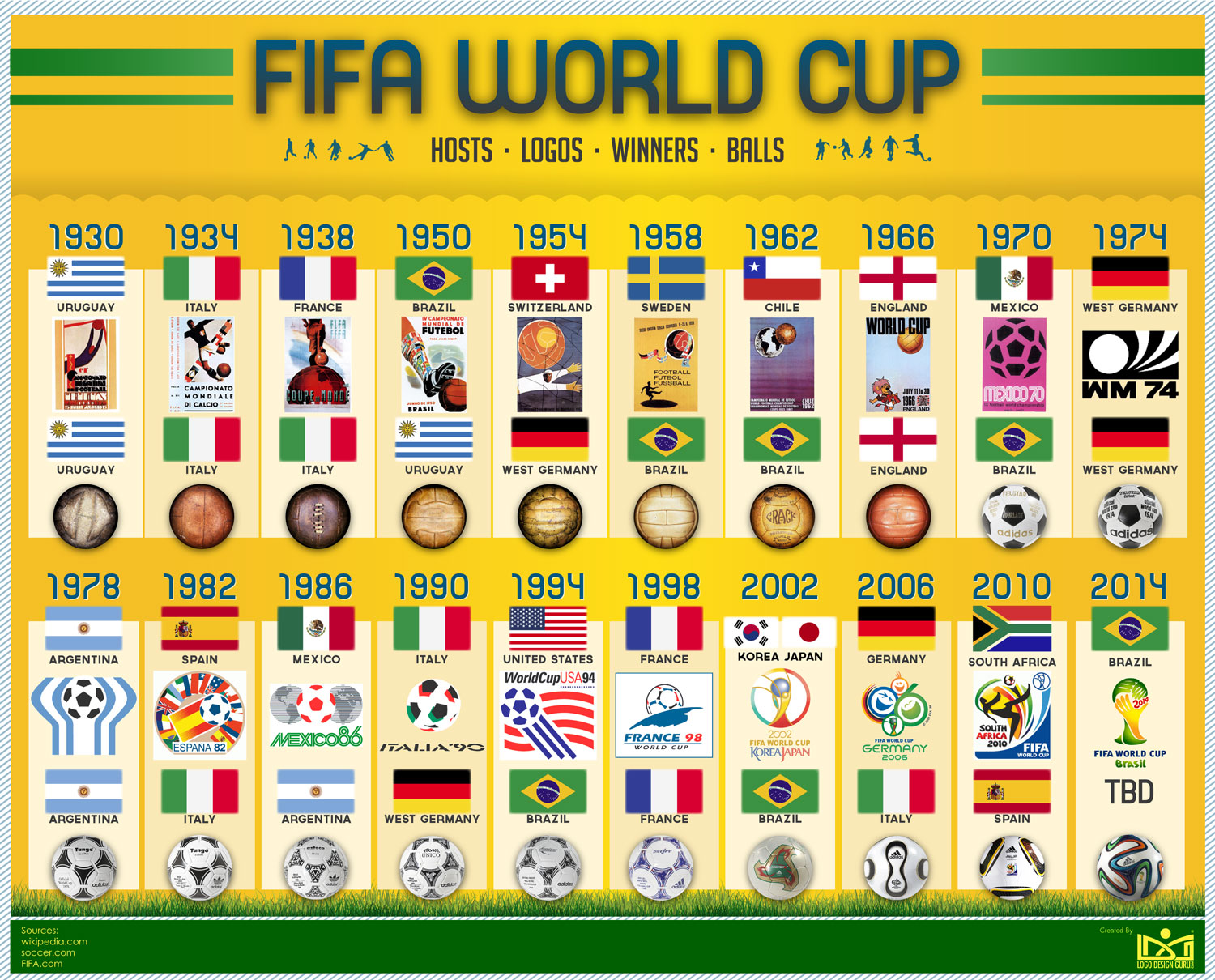
FIFA’s branding is the biggest driver behind “football” dominance. The World Cup, social media, and video games like FIFA 23 consistently use “football”—reaching 4.5 billion viewers globally. Younger generations in Australia, Japan, and the Philippines now default to “football” after consuming Premier League content. In the Philippines, 78% of under-25s use “football” for international matches versus 40% a decade ago. Streaming services accelerate this: Netflix’s Sunderland ‘Til I Die uses “football” even in US broadcasts, normalizing the term.
Professional Leagues’ Influence on Grassroots Language
Top leagues enforce “football” in official contexts, trickling down to local fields. England’s Premier League, Germany’s Bundesliga, and Spain’s La Liga all embed “football” in their identities. When Thailand’s national team partners with the English FA, local media shifts from ฟุตบอล (fút-bon) to “football” in headlines. For travelers: Stadium announcements in Bangkok or Jakarta now say “football match,” not “soccer.” This professional standardization is erasing “soccer” outside North America—except where rival sports (like AFL or NFL) necessitate distinction.
Key Takeaway: Only the United States, Canada, Australia, and New Zealand regularly use “soccer”—and even Australia and New Zealand are shifting toward “football” officially. Every other nation (over 200 countries) uses “football” or direct translations like fútbol, futebol, or 足球. This divide originated from 19th-century British slang and rival sports, but digital globalization is rapidly standardizing “football” worldwide. When traveling, default to “football” unless you’re in the US or Canada. For deeper insight, follow leagues like the English Premier League or FIFA’s social channels—they’re the frontline of this linguistic evolution. Remember: the next time you hear “football,” it’s almost certainly the beautiful game played on a green pitch, not a gridiron.
I come from the “soccer heart” of Germany, the Ruhrpott. I have played, trained and followed soccer all my life and am a big fan of FC Schalke 04. I also enjoy following international soccer extensively.