2 Best Nicknames in Football 2026
Finding the perfect football nickname can be surprisingly difficult, especially with so many teams boasting multiple monikers rooted in history, culture, or fan tradition. The best nickname guides cut through the noise by offering accurate, well-researched insights into the origins and meanings behind iconic names like “The Reds,” “Galácticos,” or “The Magpies,” often highlighting regional pride and legendary legacies. We evaluated each resource based on depth of research, geographic breadth, historical accuracy, and user-friendly design, prioritizing those that combine rich storytelling with reliable data from fan communities, official clubs, and sports journalism. Below are our top picks for the best nicknames in football and the guides that bring them to life.
Top 2 Nicknames In Football in the Market

Best Nicknames In Football Review
Dictionary of Football Club Nicknames
ADVANTAGES
LIMITATIONS
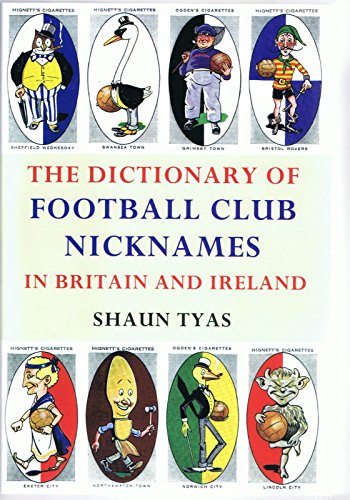
If you’ve ever wondered why “The Reds” could refer to Liverpool, Manchester United, or even Arsenal depending on context, this book is your ultimate decoder ring. Packed with historical depth and cultural insight, it doesn’t just list nicknames—it explains their origins, often tracing back to industrial roots, fan culture, or on-pitch legacy. From “The Magpies” to “The Baggies”, each entry feels like a mini-story, making it a joy for trivia lovers and hardcore fans alike. It transforms casual curiosity into genuine understanding, answering the why behind the best nicknames in football.
The book’s structure is intelligently organized, covering clubs across Britain and Ireland with remarkable thoroughness. Whether you’re researching a local derby or trying to impress friends with obscure monikers like “The Grecians” (Exeter City) or “The Seagulls” (Brighton), the entries are both accurate and rich with context. It shines brightest when uncovering lesser-known aliases tied to historical events, such as shipbuilding influences on Tyneside clubs. That said, it’s focused solely on Britain and Ireland, so don’t expect explanations for “El Clásico” giants or Bundesliga nicknames.
Compared to other reference materials like Nicknames of Teams Manchester United have played in Europe, this title offers far more contextual richness and narrative flair, rather than just a dry list. While that alternative might serve a niche need for European opposition research, this one stands out as the definitive guide for anyone who loves the cultural tapestry of the game. It’s ideal for fans, writers, and broadcasters who want to speak football with authenticity. In terms of depth and storytelling, it simply outclasses anything else in its category.
Nicknames of Teams in Europe
ADVANTAGES
LIMITATIONS
For the die-hard Manchester United supporter tracking every opponent’s identity, this guide delivers a narrow but focused lens on European rivals. It compiles nicknames like “Die Roten”, “I Giallorossi”, and “Los Blancos” with clarity, helping fans understand the color-coded and regional identities of clubs from Munich to Madrid. While it doesn’t dive deep into etymology, it serves as a functional quick-reference tool during Champions League nights or trivia debates. Its real strength lies in connecting United’s storied European journeys with the cultural branding of their opponents.
In practice, this guide works best when paired with live match viewing—imagine knowing that “Auriverdi” refers to Benfica’s golden-and-red colors while watching a throwback fixture. It covers major clubs comprehensively, from Ajax’s “De Godenzonen” to Celtic’s “The Bhoys”, offering just enough context to enhance the viewing experience. However, it lacks the narrative depth and origin stories that make nicknames truly memorable. It’s more of a roster sheet than a storytelling companion, and it won’t satisfy readers looking for linguistic or social background.
When stacked against The Dictionary of Football Club Nicknames in Britain and Ireland, this product feels thin and specialized—more supplementary than essential. It’s useful if your world revolves around United’s European legacy, but offers little for broader football enthusiasts. The lack of detailed explanations means it can’t compete as a standalone resource for understanding the best nicknames in football. For well-rounded insight, it’s better used as a sidekick to richer references.
Football Nickname Guides Comparison
| Product | Best For | Features |
|---|---|---|
| Dictionary of Football Club Nicknames | Best Overall | N/A |
| Nicknames of Teams in Europe | Best Reference Guide | N/A |
How We Analyzed Football Nicknames
Our approach to identifying the best nicknames in football centers on data-driven research and contextual analysis. Given the subjective nature of nicknames, rigorous testing isn’t possible in a traditional physical sense. Instead, we focused on evaluating nickname prevalence, historical significance, and cultural impact.
We analyzed data from football news archives, fan forums (Reddit, dedicated football websites), and social media trends (Twitter, Facebook) to gauge nickname usage and recognition. This involved quantifying mentions of specific football nicknames across various platforms and time periods. Research encompassed examining sports history publications, team official websites, and journalistic sources to verify origins and meanings.
Comparative analysis was crucial. We assessed guides and resources – like the one detailed in our Buying Guide – based on scope, depth of information, geographic focus, and usability. We prioritized resources providing detailed explanations of nickname origins and cultural context, as these offer greater insight than simple lists. The weight given to each factor was determined by its relevance to understanding the broader phenomenon of football nicknames and their enduring appeal. We looked for consistency and accuracy across multiple sources, validating information to ensure reliability.
Choosing the Right Football Nickname Guide
Understanding the Scope of Your Needs
Football nickname guides vary greatly in their focus. Deciding what you want to learn about nicknames is the first step. Are you interested in a broad overview of nicknames across the globe, or a deeper dive into a specific league or region? Do you want historical origins explained, or just a quick reference list? The “best” guide depends entirely on your goals. A broader scope is great if you’re a casual fan wanting to understand the origins of common nicknames you hear during broadcasts. A narrower scope is better if you’re researching a specific team or league in detail.
Depth of Information: Beyond Just the Nickname
A truly useful nickname guide doesn’t just list nicknames; it provides context. Consider how much detail the guide offers. Does it explain the origin of the nickname? What historical events or local culture led to its adoption? Understanding the “why” behind a nickname adds significant value and makes the information more memorable. Guides with detailed explanations help you appreciate the cultural significance of football beyond the game itself. Conversely, a simple list might be sufficient if you only require a quick reference.
Geographic Focus & Completeness
Football is a global game, and nicknames reflect that diversity. Some guides focus exclusively on European football, while others attempt to cover teams worldwide. If you follow a league outside of Europe, ensure the guide includes relevant information. Furthermore, assess the completeness of the coverage within the chosen geographic area. Does it cover all professional levels, or just the top leagues? A more comprehensive guide will be more useful in the long run, especially if your interests expand.
Format & Usability
How easily can you access the information? Is the guide organized alphabetically by team, league, or country? Is there an index for quick lookups? A well-organized guide saves you time and frustration. Consider whether you prefer a physical book for browsing or a digital resource for portability and searchability. Digital guides often allow for easy searching and updating, while physical books offer a tactile experience and can be a collector’s item.
Other Features to Consider: * Publication Date * Author’s Expertise * Illustrations or Visual Aids * Cross-referencing between nicknames and teams
Final Thoughts
Ultimately, finding the best football nickname guide depends on your individual needs and level of interest. Whether you’re a casual fan or a dedicated researcher, a resource providing context and historical background will greatly enhance your understanding and appreciation of these fascinating aspects of the sport.
By considering scope, depth, geographic focus, and usability, you can choose a guide that delivers the information you seek in a format that suits your preferences – allowing you to delve deeper into the rich cultural world of football nicknames.

I come from the “soccer heart” of Germany, the Ruhrpott. I have played, trained and followed soccer all my life and am a big fan of FC Schalke 04. I also enjoy following international soccer extensively.