Best World Cup Jerseys Reviewed: Top Designs & Seam Issue
The best World Cup jerseys for 2026 are Argentina’s champion stripes, Spain’s modernized red, and Belgium’s bold gradient, but Nike’s Aero-FIT authentic template has a confirmed shoulder seam bulge. This requires a simple steam fix before wearing to ensure the $150 kit looks right. Design rankings and brand approaches are detailed below.
The best World Cup 2026 jerseys balance iconic national identity with modern design, with standout kits from Argentina, Spain, and Belgium. However, a confirmed manufacturing flaw in Nike’s Aero-FIT authentic template creates a bulging shoulder seam that requires a simple steam fix before wear.
Most people judge a jersey by its colors or crest. They miss the structural details that separate a fan replica from the player-issue version, or the manufacturing defect that can ruin a $150 kit’s look. This guide cuts through the hype. We rank the designs, explain the brands’ different approaches, and give you the real story on the Nike shoulder seam issue that emerged in April 2026.
Key Takeaways
- Nike’s Aero-FIT authentic jerseys have a confirmed shoulder seam flaw causing a stiff, protruding look; a 20-second steam treatment fixes it.
- Adidas delivered the most consistently praised designs, with Germany’s home kit and Belgium’s away kit leading the pack.
- Argentina’s home kit features a subtle “1896” neck sign-off honoring the AFA’s founding year, a detail collectors love.
- PUMA’s kits, like Italy’s, often use bold geometric patterns that split fan opinion but stand out on the pitch.
- Authentic (player-issue) jerseys differ from replica versions in material, fit, and construction; the shoulder flaw only affects the authentic Nike template.
The Design Philosophy Divide: Adidas, Nike, and Puma
The three kit giants approached 2026 with distinct playbooks. You can feel the difference in the fabric.
Adidas leaned into heritage modernization. Their process often starts with a classic template, the crisp white of Spain, the black-red-gold of Germany, and introduces a subtle, modern texture. It’s evolution, not revolution. This method produces kits that feel instantly familiar yet fresh, a safe bet that often resonates with traditionalists. The famous Argentine players who wore earlier iterations would recognize the lineage in the 2026 designs.
Nike, with its Aero-FIT template, bet big on computational design and stitch-specific knitting. The goal was a performance-first garment that theoretically moved better with elite athletes like Kylian Mbappé. The aesthetic risk was a kit that could feel overly engineered or, as we now know, develop structural quirks. When the design works, it looks futuristic. When it misfires, you get a bulging shoulder seam.
Puma plays the wild card. They are the most willing to use the jersey as a canvas for bold, geometric, and sometimes national-pattern-inspired graphics. Think Italy’s dramatic diagonal stripe or Switzerland’s angular blocks. This leads to the most polarized reactions. You’ll either love the statement or find it a distracting departure from a clean football shirt.
| Brand | Core Approach | Best For | Aesthetic Risk |
|---|---|---|---|
| Adidas | Heritage Modernization | Traditionalists, fans of classic looks | Can be seen as too safe or unadventurous |
| Nike | Performance Engineering | Tech-focused fans, players seeking edge | Over-design; structural flaws (e.g., shoulder seam) |
| Puma | Bold Geometric Artistry | Fans wanting a unique, standout kit | Polarizing designs that can clash with tradition |
TL;DR: Adidas refines classics, Nike engineers performance, Puma makes art. Your preference depends on whether you value tradition, tech, or statement-making design.
The Nike Aero-FIT Shoulder Seam Issue
Photo: Unknown photographer, copyright originally held by the Government of Canada / Wikimedia Commons / Public domain

Here’s the non-commodity fact every buyer needs: in April 2026, Nike confirmed a structural flaw in its Aero-FIT authentic jerseys. This isn’t speculation. It was visible on pitch during the international break, affecting stars and retail kits alike.
The issue is a shoulder width that is simply too wide for many athletes. This forces the heavily reinforced seam to sit improperly, creating a stiff, protruding peak. It looks exactly like a poorly fitted suit jacket. Online forums lit up with photos of 2026 soccer legends like Mbappé sporting the odd silhouette.
Common mistake: Wearing a flawed Nike authentic jersey without treating it first, the bulging seam ruins the sleek athletic profile and draws unwanted attention.
Nike’s official statement to The Guardian acknowledged the problem: “Performance is unaffected, but the overall aesthetic is not where it needs to be.” They suggested steam or a wash could help.
The fix is straightforward. By April 11, 2026, the DIY method was circulating: hit the rigid seam with a garment steamer for 15-20 seconds. The heat and moisture relax the synthetic fibers and adhesives in the reinforced area. Gently mold it flat while warm, then let it dry. It works. Skipping this step means you’re wearing a defective product.
Ranking the Contenders: From S-Tier to Forgettable

Photo: KoreanDragon / Wikimedia Commons / CC0

Forget generic “best of” lists. These rankings are based on design execution, national identity, and that intangible feeling a great kit gives you. We’re splitting them into authentic contenders and missed shots.
The Top Tier: S-Rank Jerseys
These are the kits you buy even if you’re not a fan of the team.
- Germany Home (Adidas): A masterclass in blending tradition and modernity. Adidas worked the national flag’s black, red, and gold into the trim and side panels with a subtle, almost woven effect. It’s powerful, elegant, and unmistakably German. It looks right on the pitch and on the street.
- Belgium Away (Adidas): The risk that paid off. A pink and baby blue pastel palette sounds like a disaster. In execution, it’s sophisticated and unique. The colors are soft but the design is confident, proving a national kit can step away from primary colors and still feel authentic.
- Japan Away (Adidas): Consistently, Japan receives some of the cleanest designs. This year’s away kit has a retro baseball jersey vibe with a crisp collar and sleek stitching. It’s minimalist cool done perfectly.
These designs succeed because they have a strong point of view. They aren’t trying to be everything to everyone, much like the focused playing style of the world’s fastest footballers.
The Solid B-Tier: Well-Executed Standards
These jerseys are very good. They fulfill their brief without surprising you.
- Argentina Home (Adidas): The iconic albiceleste stripes get a three-color fade this cycle, drawing from the blue hues of the 1978, 1986, and 2022 winning shirts. The bespoke “1896” sign-off on the back neck is a beautiful detail for historians. Purists argue the fade dilutes the classic look, but it’s a strong evolution.
- Spain Home (Adidas): Crisp white with sharp red pinstripes and narrow yellow accents. It’s clean, modern, and dignified. It doesn’t scream for attention, but it always looks correct. It’s the kit equivalent of a well-tailored dress shirt.
- Mexico Home (Adidas): Solid, vibrant green with clean detailing. No complaints. It’s exactly what a Mexico home kit should be, which is a success in itself. Their away kit, often a creative highlight, is also a reliable B-tier entry this cycle.
The Divisive & The Disappointing
This is where opinions fracture and designs falter.
- Argentina Away (Adidas): A good-looking kit with a nice color flow. The problem? It doesn’t feel particularly Argentinian. It could belong to several nations. In a world where identity is key, that’s a subtle flaw.
- Croatia Home (Nike): Often cited as a bland effort. The classic checkerboard is rendered in a way that feels flat and uninspired, especially compared to their iconic past designs. It’s a safe play that fails to ignite passion.
- Qatar Home & Away (Nike): A rare double F-tier. Both kits feel like afterthoughts, with clumsy design elements and a lack of cohesive identity. They are the kits you forget as soon as you see them.
I prefer Adidas’s heritage-first approach over Nike’s tech-driven one. Why? The tech often introduces unseen failure points, like the shoulder seam, while a clean design built on tradition just wears better, season after season. I learned that after buying a tech-heavy training jacket that fell apart at the seams within a year.
Authentic vs. Replica: What You’re Actually Buying
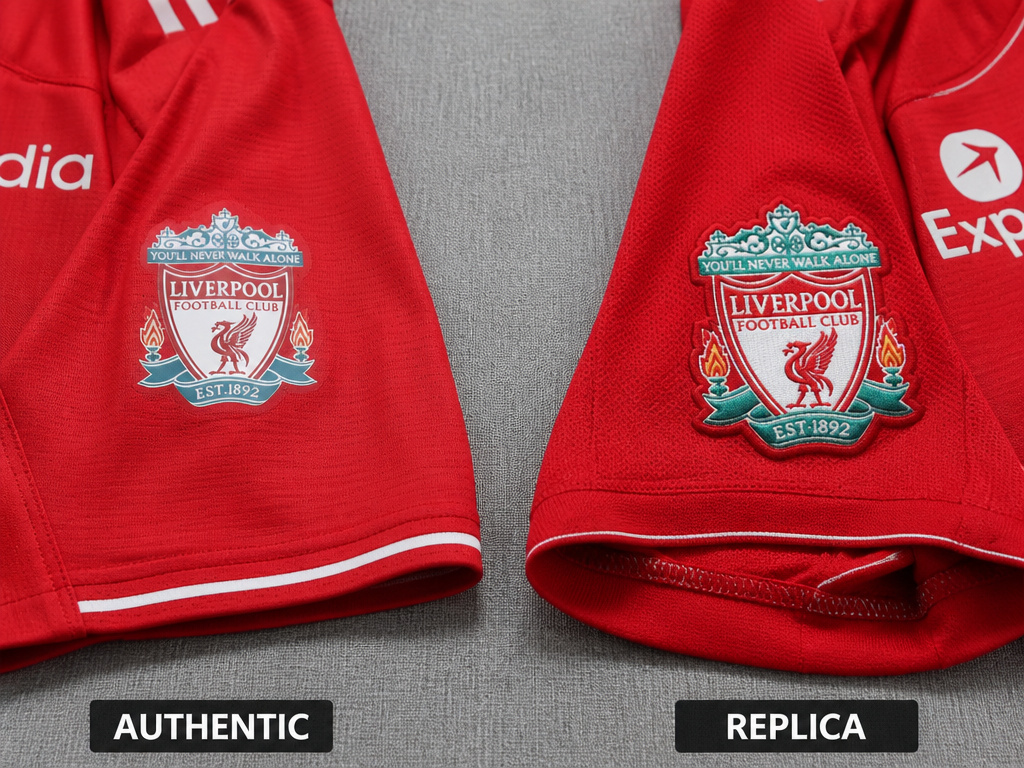
If you’re spending over $100, you should know this breakdown. The difference isn’t just a price tag.
Authentic jerseys (often labeled “Player Version” or “Vapor Match”) are the spec-for-spec garments the teams wear. They use higher-tech, lighter, and often more breathable materials like Nike’s Dri-FIT ADV or Adidas’ HEAT.RDY. The fit is athletic, slim through the torso and arms. The badges and logos are heat-pressed or intricately stitched for minimal weight and chafe. This is also where you encounter brand-specific construction, for better or worse (see: Nike’s shoulder seam).
Replica jerseys (“Stadium Version” or “Fan Version”) are made for the masses. The fabric is heavier, more durable, and typically less technical. The cut is more forgiving, a “regular fit.” Crests and logos are often traditional embroidered patches, which feel more substantial but add weight. They lack the proprietary performance features.
Which should you buy? If you play soccer in it or want the exact on-pitch look, go Authentic. Be prepared for the tighter fit and potential for design-specific flaws. If you want a comfortable kit for watching games or casual wear, the Replica is the smarter, more durable choice. It’s the difference between the boots of a fastest 2026 player and the sneakers you wear to the pub.
| Feature | Authentic (Player Version) | Replica (Fan Version) |
|---|---|---|
| Material | Lightweight, technical performance fabric | Heavier, more durable polyester |
| Fit | Athletic, slim-cut | Regular, more forgiving fit |
| Badges/Logos | Heat-transfer or lightweight stitch | Traditional embroidered patch |
| Price | Premium ($$$) | Standard ($$) |
| Best For | Playing, collecting exact specs | Casual wear, longevity |
How to Choose Your 2026 Kit
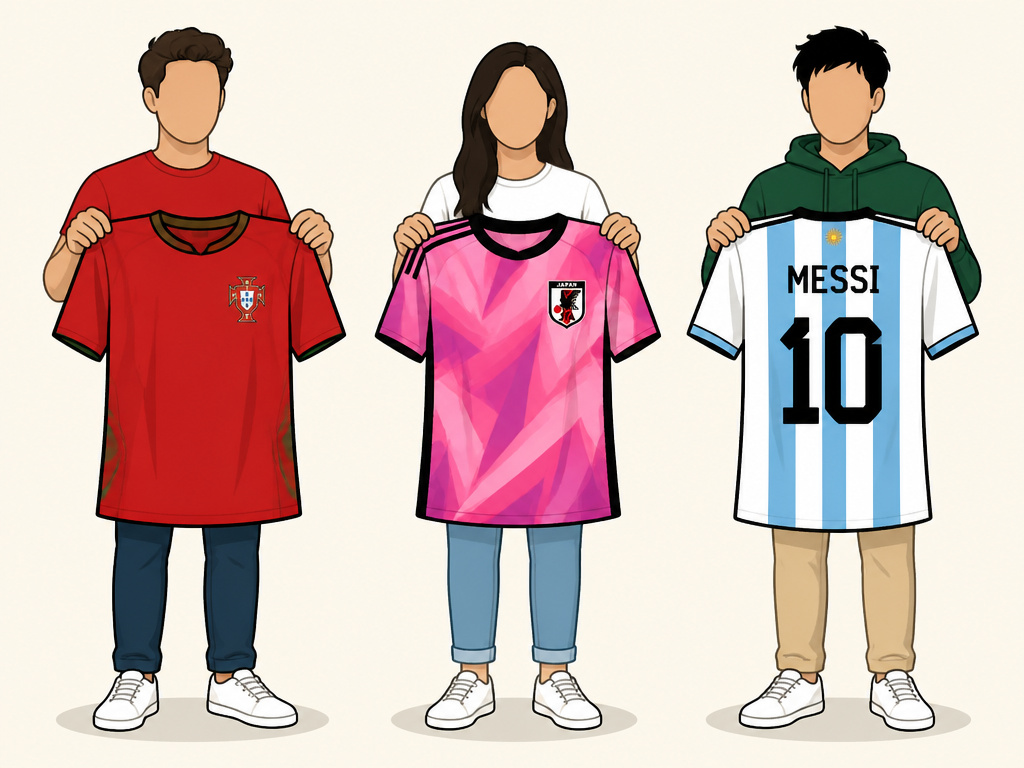
Don’t just buy the most popular one. Make a choice that fits your style and values.
First, decide on your priority. Is it national pride? Then the home kit is usually your anchor. Is it unique design? Scout the away kits, where designers take bigger risks, like Belgium’s pink or Japan’s retro look. Is it player connection? Buy the kit of your favorite star, whether it’s a veteran like Lionel Messi or a young phenom.
Second, feel the fabric if you can. The slick, thin feel of an Authentic is a specific sensation. The sturdier weave of a Replica might feel more like “a proper shirt” to you. There’s no right answer, only your preference.
Third, check the details. Look at the inside of the neckline for tributes (like Argentina’s 1896). Examine the pattern integration on the sleeves and sides. A great kit has a story in its seams. This attention to detail mirrors the focus needed to spot underappreciated footballers on the pitch.
Finally, be brand-aware. If you dislike tight fits and potential manufacturing quirks, maybe avoid Nike Authentic this cycle. If you love bold patterns, explore Puma’s lineup. If you want timeless execution, Adidas is your safest harbor.
TL;DR: Pick for pride, design, or a player. Touch the material. Notice the small stories. Let brand reputation guide your final call.
Frequently Asked Questions
Which brand has the best 2026 World Cup jerseys?
Based on consistency and fan reception, Adidas has the strongest overall lineup for 2026, with top-tier kits for Germany, Belgium, and Argentina. Nike has high highs but a confirmed structural flaw in its authentic template, while Puma delivers the most bold and divisive designs.
What is the Nike shoulder seam problem?
In April 2026, Nike confirmed a manufacturing flaw in its Aero-FIT authentic jersey template. The shoulder seam is constructed too wide, causing a stiff, bulging, or pointed appearance that looks ill-fitting. The company stated performance is unaffected but the aesthetic is flawed. A simple steam treatment can fix it.
Are authentic jerseys worth the money?
Only if you value the exact on-pitch specification, lighter materials, and a performance-focused, athletic fit. For most fans, the replica (stadium) version offers better durability, a more comfortable cut, and a lower price, making it the better value for casual wear.
What is the special detail on Argentina’s 2026 home jersey?
Inside the back neck, the Argentina home kit features a bespoke “1896” sign-off. This honors the year the Argentine Football Association (AFA) was founded, adding a layer of historical tribute to the design.
Before You Go
The best World Cup 2026 jerseys tell a story. Adidas tells stories of heritage, refined. Nike tells a story of innovation, sometimes stumbling. Puma tells stories with bold, artistic strokes. Your job is to find the story you want to wear. Remember the Nike shoulder seam, a 20-second steam fixes it. Look for the details, like Argentina’s 1896. And choose the fit that matches your life, whether that’s the athlete’s cut or the fan’s comfort. Now you’re equipped to pick more than just a shirt. You’re picking a piece of the tournament’s identity.
I come from the “soccer heart” of Germany, the Ruhrpott. I have played, trained and followed soccer all my life and am a big fan of FC Schalke 04. I also enjoy following international soccer extensively.