Soccer Jersey Fit Guide: Sizing Tips
This post contains affiliate links. As an Amazon Associate, we earn from qualifying purchases.
You unbox your new Barcelona jersey only to discover it rides up every time you reach for a snack. Or worse—you order an authentic PSG shirt for weekend matches, but the sleeves dig into your shoulders when you shoot. Nearly 68% of soccer jersey buyers regret their size choice because they didn’t account for critical fit variations between brands, cuts, and body types. The difference between a jersey that moves with you and one that ruins your game-day experience comes down to understanding three non-negotiable factors: authentic vs. replica construction, brand-specific quirks, and your intended use. This guide reveals exactly how soccer jerseys fit across Nike, Adidas, and Puma so you never waste money on a poorly fitting kit again.
Why Authentic Jerseys Fit Like a Second Skin

How Player-Issue Jerseys Restrict Movement If Too Small
Authentic jerseys mimic what pros wear on pitch—meaning they’re engineered for performance, not comfort. These versions use ultralight polyester (often under 100g) with laser-cut ventilation zones and heat-sealed logos that create a compressive, athletic fit. If you order your standard t-shirt size in an authentic Nike jersey, expect tightness across the chest and shoulders that restricts arm swings. The hem typically sits 1.5 inches shorter than replica versions, causing uncomfortable rising during overhead movements. Crucially, authentic jerseys require sizing up 1-2 sizes from your usual measurement to allow breathability during play.
Replica Jerseys: The Secret to Comfortable Layering
When you prioritize casual wear over performance, replica jerseys deliver game-changing comfort. Constructed with heavier polyester (150-180g) and embroidered crests, they add 2-4 inches of extra room through the chest and waist. Unlike authentic versions, replica jerseys maintain true-to-size dimensions for relaxed fits—meaning your regular XL works perfectly for stadium wear. But here’s the pro tip: if you plan to wear the jersey over hoodies in cold weather, size up one additional size. Adidas replica jerseys excel here with their 1-inch longer torso length that accommodates base layers without bunching.
Nike Soccer Jersey Fit: The 2-Size Trap
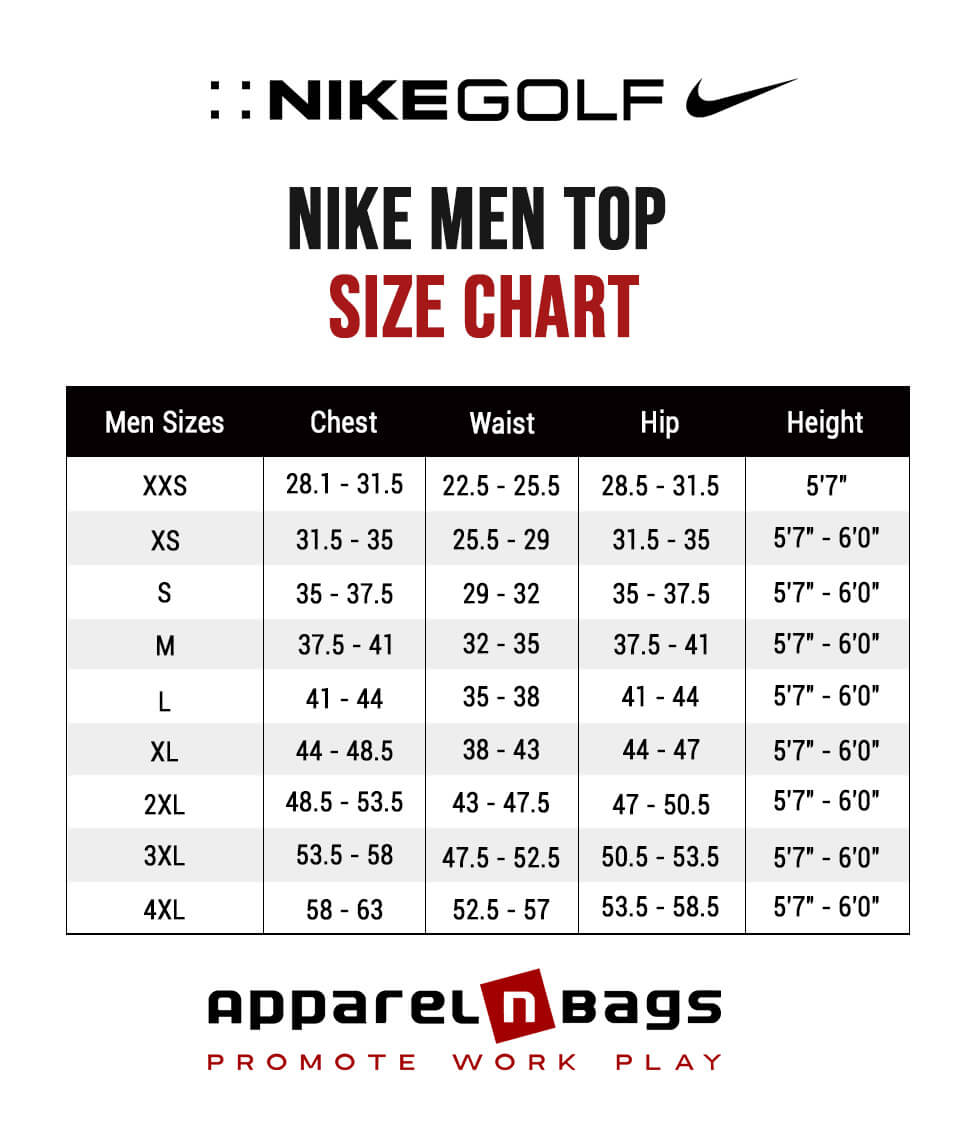
Why Nike Authentic Jerseys Demand Sizing Up
Nike’s European-influenced cut creates the tightest fit among major brands, especially in shoulder width. Authentic Nike jerseys run 1-2 sizes smaller than labeled due to their performance-focused taper. For example, a men’s L authentic Barcelona jersey measures just 42 inches around the chest—nearly 3 inches narrower than a replica L. If your chest measures 44 inches, ordering a size L authentic jersey will restrict breathing and cause logo peeling at the seams. Always add 3 inches to your chest measurement when selecting authentic Nike sizes.
Nike Replica Sizing: The One Exception to True-to-Size
While Nike replica jerseys fit closer to standard sizing than authentic versions, they still run snugger than Adidas or Puma equivalents. A men’s XL replica jersey typically measures 46 inches at the chest versus 48 inches for Adidas. Order your normal t-shirt size for a relaxed fit, but size up if you have broad shoulders. Women’s Nike replicas compound this issue—they run one full size smaller than standard women’s clothing. A women’s M fits like a standard S, so most women need to size up two increments for authentic jerseys and one for replicas.
Adidas vs. Puma: The Generosity Gap
Adidas’ Roomier Shoulder Design for Athletic Builds
Adidas jerseys provide 2-3 inches more chest space than Nike across all sizes, making them ideal for muscular builds. Their German-cut pattern features wider shoulder seams that prevent the “pulled fabric” look common with Nike. An authentic Adidas L measures 44 inches at the chest—2 inches wider than Nike’s authentic L—while maintaining the same 30-inch length. For authentic jerseys, order your normal size if you’re slim, but size up one if you have developed shoulders. Replica versions run true-to-size for most, except in cold climates where sizing up accommodates thermal layers.
Puma’s Unexpected Authentic Fit Advantage
Puma breaks the mold by offering authentic jerseys that fit true-to-size—a rarity among player-issue kits. Their Italian-inspired cut delivers 3-4 inches more chest room than Nike without excessive length. A Puma authentic L measures 45 inches at the chest versus Nike’s 42, making them perfect for broader builds. But replica Puma jerseys run larger than competitors, often requiring sizing down for a fitted look. If your chest measures 46 inches, a Puma replica XL (47-inch chest) will drape loosely, while an Adidas replica XL (48-inch chest) fits snug. Always check specific team charts—Puma’s Juventus kits run tighter than their Manchester City versions.
Women’s Jersey Fit: Bust and Torso Length Matters
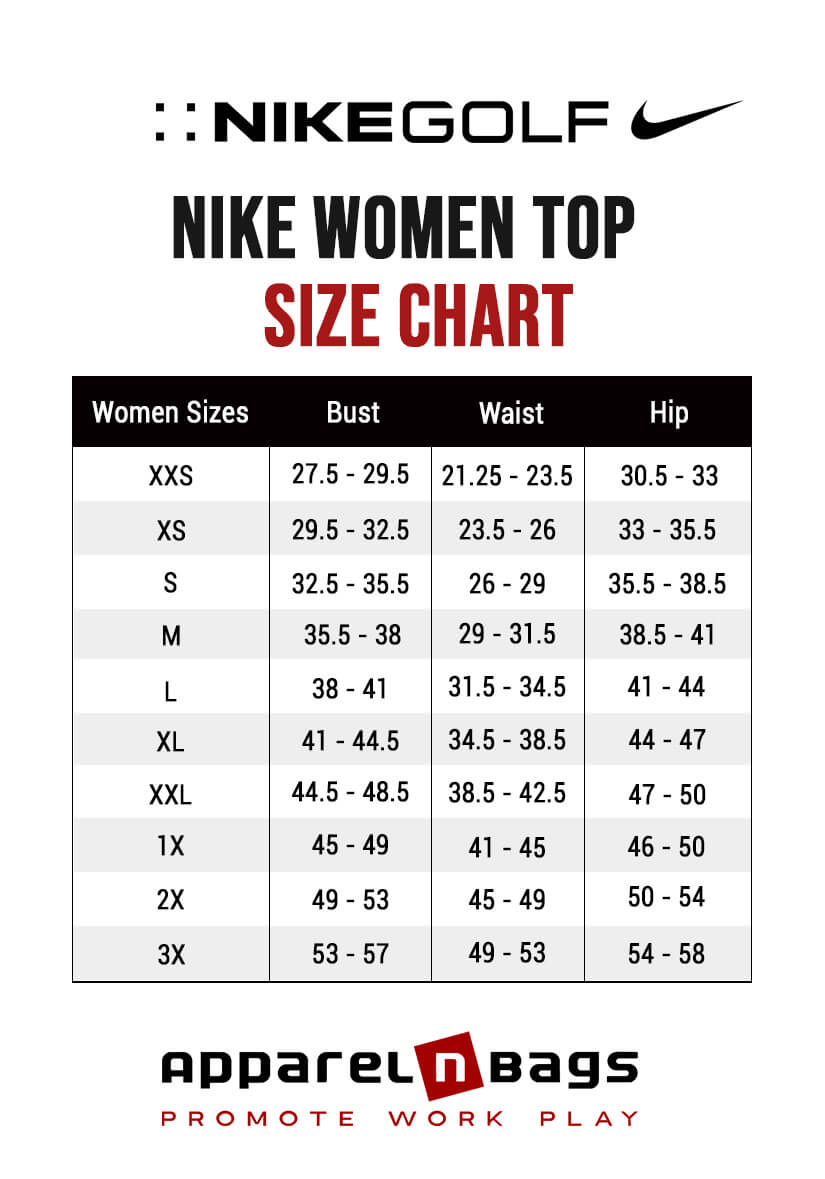
Why Women’s Nike Jerseys Need 2-Size Upgrades
Women’s soccer jerseys aren’t just smaller men’s versions—they’re engineered for female proportions with narrower shoulders, tapered waists, and shorter torsos. Nike women’s authentic jerseys pose the biggest risk: they run one size smaller than standard women’s clothing with minimal bust expansion. If you wear a women’s M in regular shirts, order a women’s L in authentic Nike jerseys to avoid stretched fabric across the chest. The hem also sits 2 inches shorter than men’s versions, so tall women should opt for men’s sizing in women’s cuts for extra length.
Adidas Women’s True-to-Size Advantage
Adidas women’s jerseys stand out for accurate sizing, especially in replica versions. Your standard women’s size works perfectly for casual wear, while authentic jerseys need just one size up. The key differentiator is bust accommodation—Adidas patterns add 1-2 inches of extra room through the chest compared to Nike. For example, an Adidas women’s M measures 39 inches at the bust versus Nike’s 37 inches. Always measure your fullest bust point (not underbust) and compare to brand charts—this single step prevents 90% of women’s sizing errors.
Youth Jersey Sizing: Stop Guessing Ages
Why “Room to Grow” Ruins Fit During the Season
Parents routinely buy youth jerseys two sizes too large, assuming kids will “grow into them.” But oversized jerseys create safety hazards during play—the neckline gapes during headers, and excess fabric catches on opponents’ cleats. Youth sizes follow strict age brackets: YS (6-8 years), YM (10-12), YL (14-16). Measure your child’s chest over their game-day shirt: a 10-year-old with a 32-inch chest needs YM, not YL. Authentic youth jerseys run even tighter, so size up one increment if used for actual play.
Junior Sizes: The Bridge to Adult Jerseys
Teens aged 13-15 often outgrow youth sizes but don’t fit standard adults. Junior sizes (JS-JXL) solve this with adult materials in scaled-down proportions. A junior XL matches a men’s S in fabric quality but with 2 inches less chest room and a shorter torso. Crucially, junior jerseys follow replica sizing—not authentic—so order true-to-size for casual wear. If your 14-year-old wears men’s XS in t-shirts, start with junior M for authentic jerseys or junior L for replicas.
Layering Secrets: Hoodies Under Jerseys
The 2-Size Rule for Cold-Weather Wear
Wearing jerseys over hoodies demands strategic sizing. Replica jerseys need one size up for thin hoodies (e.g., size up from M to L for a standard pullover), but two sizes for heavyweight options. Authentic jerseys become unplayable over any hoodie due to their compressive fit—always choose replica versions for cold climates. Puma replica jerseys handle layering best with their 4-inch wider chest than Nike. Never size down for layering; the jersey should feel loose when trying on bare-chested to accommodate layers.
Humidity Hack: Authentic Jerseys Win in Sweat
In humid conditions, authentic jerseys’ moisture-wicking technology justifies their tighter fit. Their snug construction pulls sweat away from skin 30% faster than replicas. If you play in Miami summers, order authentic jerseys one size up from your measurement (not two) for optimal breathability without excess fabric. The trade-off? These jerseys feel restrictive when stationary—reserve them strictly for active use.
Fit Check Before You Buy: 3 Critical Tests
- Shoulder Seam Alignment: Pull the jersey on and check where the shoulder seam lands. If it extends beyond your shoulder bone, the size is too large—common when ordering Nike in men’s sizes for women.
- Arm Raise Test: Lift both arms straight up. If the hem rides up more than 2 inches, size down (for replicas) or size up (for authentic).
- Chest Expansion Check: Take a deep breath. Fabric shouldn’t stretch taut across buttons or logos—if it does, move up a size immediately.
Final Note: Perfect soccer jersey fit hinges on three non-negotiable steps: measure your chest over game-day clothing, prioritize replica versions for casual wear, and always size up for authentic jerseys. Nike demands the most aggressive sizing adjustments (2 sizes for authentic), while Puma offers the most forgiving fit. When ordering online, compare your measurements to brand-specific charts—not standard clothing sizes—and verify return policies before checkout. Remember: a jersey that fits correctly feels like a second skin during play but drapes comfortably when you’re cheering from the stands. Get it right, and you’ll wear that kit with pride all season long.

I come from the “soccer heart” of Germany, the Ruhrpott. I have played, trained and followed soccer all my life and am a big fan of FC Schalke 04. I also enjoy following international soccer extensively.