How to Wash a Soccer Jersey Without Fading: A Simple Guide
To wash a soccer jersey without fading, you must follow three non-negotiable rules: always wash inside out, use only cold water (30°C max) with a color-safe detergent, and air dry away from heat. The dryer, hot water, and fabric softener are the primary causes of faded colors, cracked prints, and shrunken fabric.
Most people ruin their jerseys in the first three washes. They treat them like a regular cotton t-shirt, hot cycle, heavy detergent, straight into the tumble dryer. By the time the sponsor logo starts to crack and the vibrant red fades to pink, the damage is permanent. The process isn’t complicated, but it requires a specific sequence that respects the synthetic fabric and the dyes bonded to it.
This guide walks through both machine and hand washing, explains why each rule matters on a chemical level, and covers specific scenarios like stain treatment and long-term care. It’s the method used by collectors and kit managers to keep jerseys looking new for a decade.
Key Takeaways
- The tumble dryer is the single most destructive appliance for a soccer jersey; the heat melts adhesive on prints and permanently sets wrinkles into polyester.
- Fabric softener coats polyester fibers with a waxy residue that blocks moisture-wicking channels and accelerates print degradation. It makes your jersey less functional.
- For modern sublimated jerseys, fading is less about the print peeling and more about UV damage from drying in direct sunlight, the dye is infused in the fabric but still degrades.
- Always match your cleaning approach to other gear, like following a proper jersey cleaning routine or the specific steps for cleaning soccer cleats.
- Wash a jersey only when necessary. Air it out after a match to tackle sweat odor; overwashing wears down the fabric’s elasticity and color saturation.
The Three Pillars of Washing a Soccer Jersey Without Fading
The damage happens in the laundry room, not on the pitch. Three elements, heat, chemicals, and mechanical friction, work against your jersey every time you wash it. Control these, and you control fading.
Washing a polyester soccer jersey without fading requires a cold-water cycle (30°C/86°F maximum), a color-safe liquid detergent, and complete air drying. The synthetic fibers and dye-sublimation or screen-printed graphics are degraded by heat, chlorine, and waxy softener residues, which cause permanent color loss and adhesive failure.
Heat is the primary enemy. Polyester, the fabric in 99% of modern jerseys, is a thermoplastic. It softens under high heat. In a dryer, the fibers can actually slightly deform, leading to that “pilled” feel and permanent fit changes. More critically, the heat weakens the adhesive holding screen-printed logos and badges. They crack and peel. For sublimated prints, where dye is infused into the fiber, heat accelerates dye molecule breakdown, leading to a dull, washed-out look.
Chemical damage is subtle but cumulative. Chlorine bleach oxidizes and breaks dye molecules at a molecular level. Fabric softener is worse for performance wear. It deposits a cationic surfactant coating that clogs the microscopic pores in polyester designed for moisture wicking. Your jersey stops breathing. This coating also interacts poorly with the plastics in prints, making them brittle.
Friction grinds away at surfaces. This is why the inside-out rule isn’t optional. In the wash, zippers, buttons from other clothes, and even the drum itself act like fine-grit sandpaper on raised embroidery and printed layers. Turning the jersey inside out places the smooth, printed side against itself, drastically reducing abrasive contact.
TL;DR: Fight fading by eliminating heat (cold wash, air dry), avoiding harsh chemicals (color-safe detergent, no softener), and reducing friction (wash inside out, use a gentle cycle).
What You’ll Need (And What to Avoid)
Gather the right tools before you start. Using the wrong product here voids any care-label warranty.
You need a mild, liquid detergent. Powder detergents often don’t fully dissolve in cold water and can leave residue that dulls fabric. Look for labels like “color-safe,” “for sports,” or “HE compatible.” Brands like Win Sport Detergent or Tide Free & Gentle are common picks. You need a padded or plastic hanger. Wire hangers can leave rust marks and create shoulder bumps. For hand washing, a clean sink or basin works.
You must avoid three things categorically. First, fabric softener, both liquid and dryer sheets. Second, chlorine bleach. Third, any detergent with added optical brighteners, these are UV-reactive chemicals that make whites look brighter but can yellow polyester over time.
Here’s a quick table to keep your shopping list straight.
| What You Need | What to Avoid | Why It Matters |
|---|---|---|
| Color-safe liquid detergent | Powder detergent | Powder leaves granules that trap dirt and abrade prints in cold water. |
| Enzyme-based stain remover | Chlorine bleach | Bleach oxidizes and destroys dye bonds, causing immediate and uneven fading. |
| Padded or plastic hanger | Wire hanger | Wire can rust, transfer stains, and distort the shoulder seams of the jersey. |
| Cold tap water (max 30°C/86°F) | Hot water | Hot water opens polyester fibers, releasing dye and shrinking the fabric. |
A dedicated specialized football uniform detergent is formulated to tackle sweat salts and grass stains without the harmful additives. It’s a worthwhile investment for a closet of kits.
Step-by-Step: Machine Washing Your Jersey

Machine washing is convenient for regular maintenance. It’s safe if you override the machine’s defaults. Most modern machines have a “Cold Delicate” or “Hand Wash” setting, use it.
Step 1: Turn the jersey inside out. This is the first and most critical action. Ensure every printed element, chest badge, sponsor, player name, and number, is on the inside, protected. Check the care label for any specific symbols, but the universal rules override vague instructions.
Step 2: Pre-treat stains immediately. For grass, mud, or blood, use a dedicated enzyme-based stain remover. Apply a small dot to the stain, gently blot with a cloth, and let it sit for 5-10 minutes. Do not rub. Rubbing grinds the stain into the fibers. For blood, use only cold water; heat cooks the proteins and sets the stain permanently. Our guide on treating grass stains has the precise enzyme formulas that work on chlorophyll.
Step 3: Set the machine correctly.
- Water Temperature: Cold. No warmer than 30°C (86°F). If your machine has a “tap cold” setting, use it.
- Cycle: Delicate, Gentle, or Hand Wash cycle.
- Spin Speed: Low or no spin. High-speed spin forces the wet fabric against the drum with immense force, stressing seams and prints.
- Load: Wash the jersey alone or with similar lightweight, color-fast synthetics (like other sportswear). Never wash it with jeans, towels, or heavy items.
Step 4: Add detergent carefully. Use half the recommended amount of liquid detergent. Modern jerseys don’t get heavily soiled with oil; they get sweaty. Too much soap leaves a film that attracts dirt. Pour the detergent into the drum or dispenser before adding the jersey. Never pour detergent directly onto the fabric.
Step 5: Start the cycle and remove promptly. Once the cycle finishes, take the jersey out immediately. Letting it sit wet in the drum for hours leads to mildew smells that are hard to remove. Don’t wring it out. Proceed directly to drying.
Common mistake: Using the “Quick Wash” cycle on hot, these cycles use more agitation and often default to warm water to speed up cleaning, which is the exact opposite of what a jersey needs.
Hand Washing: The Gold Standard
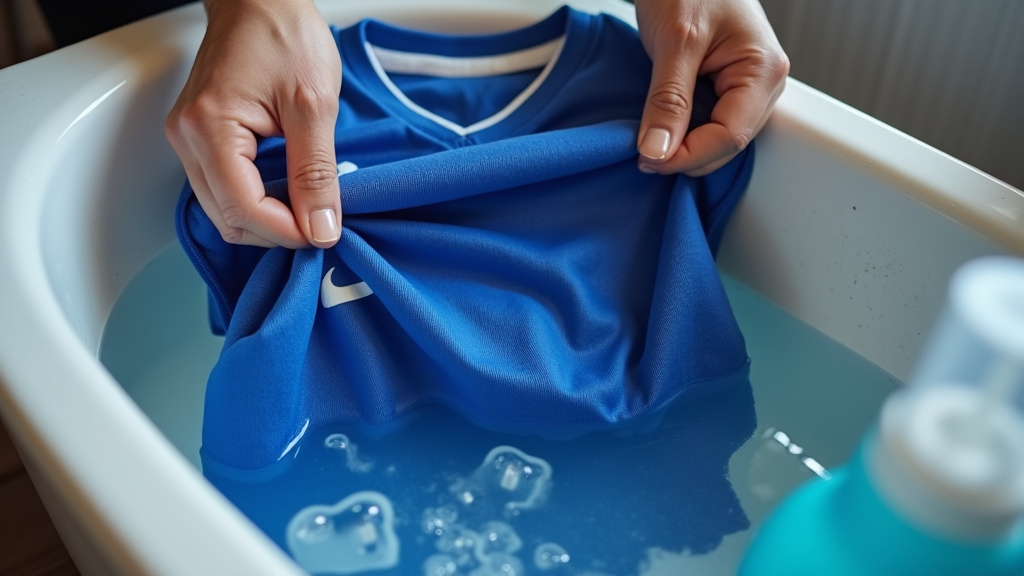
For vintage jerseys, signed kits, or any item with sentimental value, hand washing is the only method. It eliminates all machine-based risks. The first time I hand-washed a match-issued Schalke 04 jersey from the 2005 squad, I was nervous. The royal blue is deep and the sponsor logo was already slightly cracked. The basin method preserved both perfectly, while my old machine routine would have finished the logo off.
Step 1: Fill a clean basin or sink with cold water. Plug the sink. The water should feel cool to the touch, not lukewarm.
Step 2: Add a very small amount of detergent. Swirl the water to dissolve it completely before submerging the jersey. You want suds, but not a bubble bath.
Step 3: Submerge the inside-out jersey. Gently press it down to saturate. Let it soak for 10-15 minutes. For tough odors, you can gently agitate the water with your hands, moving the jersey through the soapy water. Do not scrub, twist, or wring.
Step 4: Drain the soapy water. Press the jersey against the side of the basin to remove some soapy water. Do not lift it and let it hang heavy, that stretches the fabric.
Step 5: Rinse thoroughly with clean, cold water. Refill the basin with fresh cold water. Submerge and agitate the jersey to rinse. Repeat this rinse process 2-3 times until the water runs completely clear and no suds remain. Soap residue is a magnet for dirt.
Step 6: Remove excess water. Lay the jersey flat on a clean, dry towel. Roll the towel up with the jersey inside, like a Swiss roll. Press down firmly along the roll. The towel will absorb the bulk of the moisture. This is the safe alternative to wringing.
TL;DR: Hand washing is a 20-minute soak-and-rinse in cold water with minimal agitation. The towel-roll method extracts water without stressing seams or prints.
Drying Your Jersey Correctly (The “No-Dryer” Rule)
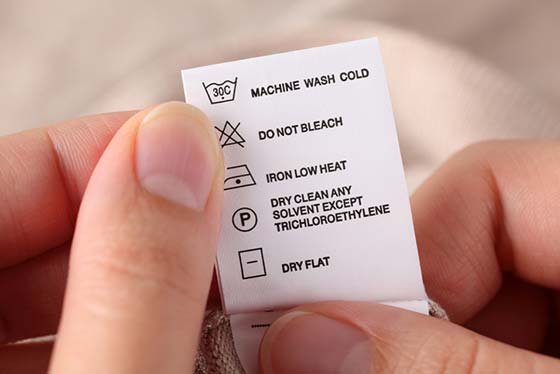
This is where jerseys live or die. The dryer is a furnace for polyester kits.
Air drying is mandatory. The goal is evaporation without heat. Hang the slightly damp jersey on a padded hanger. Button the top button if it has one to maintain the neckline shape. Lay it flat on a drying rack if you’re concerned about shoulder stretching.
Choose a well-ventilated area indoors. A laundry room, shower rod, or spare room works. Avoid two places: direct sunlight and near heat sources like radiators or vents. Sunlight contains UV radiation that breaks down dye molecules directly, causing solar fading. Radiator heat is a slow, dry bake that has the same effect as a dryer, just slower.
The jersey will be dry in 4-8 hours depending on humidity. Be patient. If you need it faster, point a fan at it to increase air circulation. Never use a hair dryer.
This careful approach to drying is part of a larger philosophy of gear care, similar to the proper drying techniques needed for cleats or the ideal storage conditions for a ball after use.
I left a prized Borussia Dortmund blackout jersey on a hanger in a south-facing window for a summer afternoon. The black faded to a charcoal grey in a perfect rectangle where the sun hit it. The rest of the jersey was fine. UV damage is permanent and selective.
Special Cases: Stains, Padding, and Print Types
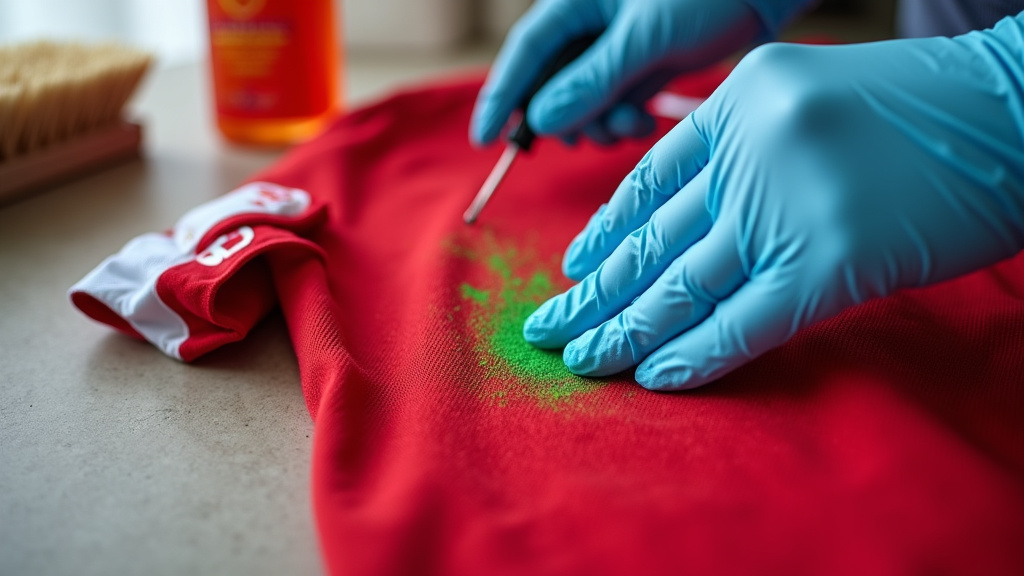
Not all jerseys are simple polyester shells. The rules adapt slightly for specific features.
Treating Common Stains
- Grass: Use an enzyme-based stain remover containing cellulase. It breaks down the plant matter. Pre-treat, then wash cold.
- Mud: Let it dry completely. Brush off the dried dirt with a soft brush. Then pre-treat any remaining clay stain with detergent before washing. The same logic applies to gear; mud removal techniques for cleats start with a dry brush.
- Blood: Cold water only. Soak in cold water for 30 minutes. The proteins will dissolve. Wash as normal. Never use hot water.
- Sweat (Yellowing): Soak in a mixture of cold water and a scoop of oxygen-based bleach (like OxiClean) for an hour before washing. Do not use chlorine bleach.
Jerseys with Removable Padding (Goalkeeper/Football)
Some keeper jerseys or American football jerseys have foam padding inserts. Remove them before washing. The jersey body follows the cold-wash rules. The padding, often EVA foam, can usually handle a slightly warmer wash (like 40°C) with detergent to kill odor-causing bacteria. Check the pad’s own label. Always air dry both separately. Reinsert only when both are bone dry.
Sublimated vs. Screen-Printed Jerseys
Most modern replica and fan jerseys use sublimation printing. The dye is gas-transferred into the fabric fiber. It won’t crack or peel, but it can fade from UV exposure and heat. Screen-printed jerseys (common on vintage kits or some details) have a plastic-based ink layer on top of the fabric. This layer is vulnerable to heat cracking and friction peeling. For screen prints, the inside-out rule and air drying are even more critical. The general preserving fabric and prints guidelines apply to both, but screen prints demand gentler handling.
How to Store Washed Jerseys
Storage is the final guard against fading. Don’t just cram it in a drawer.
Common mistake: Storing a jersey folded with sharp creases directly on a print, the crease can become a permanent stress line that cracks the print over months of pressure.
Use a padded hanger for short-term storage in a closet. Keep it away from direct light. For long-term storage, like preserving a season’s kit, fold it carefully along the seams with the front print facing out. Place acid-free tissue paper between the folds to prevent crease marks. Store it in a plastic storage tub, not a cardboard box. Cardboard is acidic and can off-gas, yellowing the fabric over years. This mirrors the careful long-term storage practices for collectors.
Consider the full lifecycle of your gear. After a match, you might need a detailed washing guide, then a method for cleaning soccer cleats, followed by shin guard cleaning. Each has its own protocol, but they all share the core principle: gentle cleaning, no heat, thorough drying.
Frequently Asked Questions
Can I wash my soccer jersey with other clothes?
Only with similar lightweight, color-fast synthetic fabrics, like other sportswear or athletic shorts. Never wash it with heavy items like jeans, towels, or anything with zippers or hooks. The friction and weight difference will abrade the prints and stretch the fabric.
How often should I wash my soccer jersey?
Wash it only when it’s visibly soiled or smells of sweat. After a match, hang it up to air dry completely; often, this removes light odors. Overwashing is a form of wear. For training sessions, you might get 2-3 wears before a wash is needed if you air it out properly each time.
What if my jersey already has fade marks or a cracked logo?
You cannot reverse this damage. The fading is a loss of dye molecules, and the cracking is a physical failure of the print layer. You can prevent it from getting worse by switching to the cold wash, inside-out, air-dry method immediately. For cracked logos, avoid any direct pressure on the area when storing.
Is vinegar a safe alternative to fabric softener?
Yes, white distilled vinegar can be used in the rinse cycle as a natural fabric softener and odor neutralizer. It doesn’t leave a residue that clogs fibers. Use about 60ml in the softener dispenser. It will not cause fading. Your jersey will not smell like vinegar once dry.
Can I iron my soccer jersey?
No. Do not iron directly on any badge, print, or embroidered area. The heat will melt the materials. If you must remove wrinkles from a plain fabric area, turn the jersey inside out, place a thin cotton cloth (like a pillowcase) over the area, and use the lowest possible heat setting with no steam. Hanging the jersey correctly after washing usually prevents wrinkles.
The Bottom Line
Keeping a soccer jersey vibrant is a simple discipline of avoidance. Avoid heat, avoid harsh chemicals, avoid mechanical abuse. The routine, inside out, cold delicate wash, air dry, becomes automatic. It’s the difference between a jersey that looks tired after a season and one that still looks match-ready years later. That 2012 Schalke home jersey in my closet proves the method works. The blue is still electric, the Veltins logo intact. Treat the fabric with respect, and it holds its color for you.

I come from the “soccer heart” of Germany, the Ruhrpott. I have played, trained and followed soccer all my life and am a big fan of FC Schalke 04. I also enjoy following international soccer extensively.