How to Care for Soccer Training Equipment
This post contains affiliate links. As an Amazon Associate, we earn from qualifying purchases.
Your soccer training gear takes a beating every practice. Mud-caked balls, sweat-soaked bibs, and sun-faded cones might seem like inevitable casualties of the game, but proper care transforms these worn items into long-term investments. The difference between replacing equipment annually versus every 3-5 years often comes down to simple daily habits that take minutes, not hours.
Whether you’re coaching a youth team, managing a club’s equipment room, or simply maintaining your personal training kit, mastering these care techniques saves thousands in replacement costs while ensuring your gear performs at peak levels every session. This guide delivers actionable strategies you can implement immediately to protect your soccer training investment.
Ball Care Essentials
Daily Cleaning Routine
Wipe down your soccer balls immediately after each practice session with a soft, damp cloth. Leaving grass stains and mud to dry creates permanent discoloration that weakens the ball’s outer layer. For stubborn dirt, mix a few drops of mild soap with water and gently scrub with a soft-bristled brush using circular motions. Rinse thoroughly with clean water and towel-dry completely—trapped moisture in ball seams breeds mildew that destroys materials from the inside out.
Pro tip: Keep microfiber cloths in your equipment bag for immediate post-practice wipe-downs. This simple habit prevents most cleaning issues before they start.
Pressure Perfection
Check your ball’s pressure before every training session using a reliable gauge—not your finger. Regulation balls need 8.5-15.6 psi, but always verify your specific model’s requirements printed on the ball. Lubricate the needle with silicone oil before insertion; dry needles tear valve interiors causing slow leaks. Store balls at 50-60% playing pressure to maintain bladder shape without stressing seams.
Critical warning: Never leave soccer balls in vehicles. Temperatures above 100°F cause bladder expansion and permanent seam damage that ruins even expensive match balls.
Storage Solutions
Keep balls in cool, dry environments between 59-70°F with 40-60% humidity—your garage probably isn’t ideal. Use mesh bags instead of sealed plastic bins that trap moisture and breed mold. Position balls away from direct sunlight which degrades synthetic materials and causes color fading within weeks. Proper storage extends ball life by 2-3 seasons compared to careless handling.
Cone and Marker Maintenance
Quick Clean Protocol
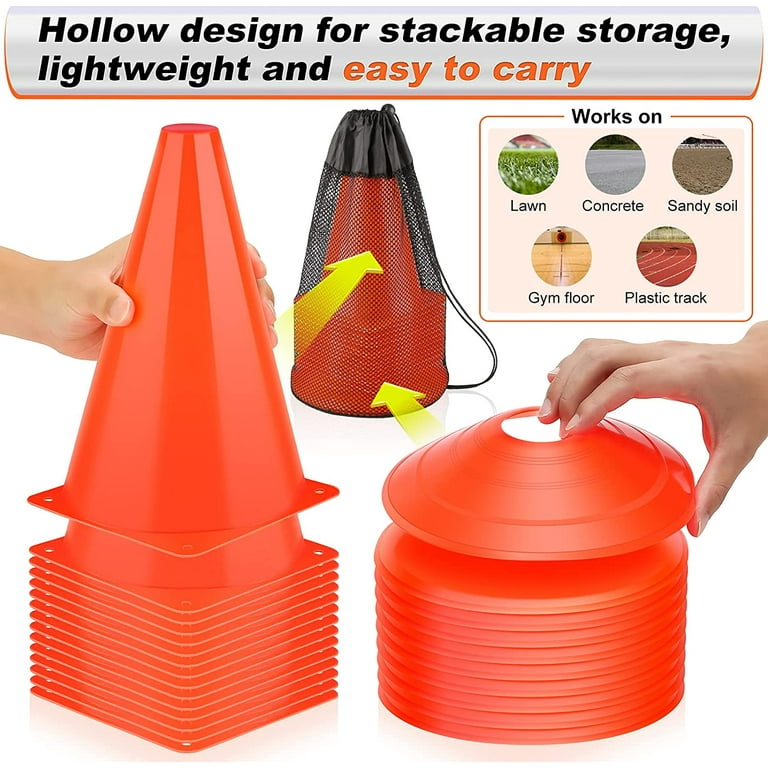
Plastic cones collect layers of dirt that affect stability and create tripping hazards. Rinse with warm water and mild detergent immediately after use—don’t let dirt dry. For ground-in grime, soak cones 10-15 minutes before scrubbing base edges with a soft brush. Air-dry completely before storage; storing damp cones creates mildew that makes them slippery and dangerous during drills.
Damage Detection
Conduct weekly inspections to catch cracks before they cause injuries. Replace any cone showing structural compromise immediately—don’t try to repair damaged cones. Smooth minor scuffs with fine-grit sandpaper to prevent catching on cleats. Store cones in original packaging or dedicated bags to prevent crushing that warps their shape and affects training accuracy.
Color Preservation
UV rays fade cone colors within weeks of outdoor exposure. Apply UV-protective spray annually, especially for boundary cones used in games. Store cones in opaque containers or shaded areas when not in use for more than 24 hours. Faded cones lose visibility during evening practices, creating serious safety risks you can easily prevent.
Agility Equipment Care
Ladder Cleaning Process
Lay agility ladders flat and brush off loose debris after each session. Use a garden hose with moderate pressure, working methodically from end to end—never use high-pressure washers that shred stitching and warp plastic rungs. Clean plastic components with soapy water and soft brush, paying special attention to connection points. Dry in shade—sunlight warps plastic and weakens fabric fibers faster than you might think.
Connection Checks
Inspect buckles, Velcro, and adjustment mechanisms weekly before training sessions. Frayed stitching or cracked plastic indicates immediate replacement needs—don’t risk equipment failure mid-drill. Lubricate metal buckles with silicone spray to prevent rust and ensure smooth adjustments. Test connections with moderate pressure before each use—a failed buckle creates dangerous tripping hazards.
Proper Storage
Roll ladders loosely to prevent permanent creases in fabric straps that affect performance. Store in original bags or dedicated bins—tight rolling creates memory folds that compromise agility drills. Stack hurdles with protective material between pieces to prevent scratching and maintain adjustment mechanisms that ensure consistent training results.
Training Bib Maintenance
Washing Guidelines
Sweat-soaked bibs breed bacteria within hours—wash them the same day. Machine wash separately in cold water (max 86°F) with mild detergent formulated for sports gear. Avoid fabric softeners—they destroy moisture-wicking properties and cause color bleeding. Turn bibs inside-out to protect printed numbers and logos. For heavy soil, pre-soak 30 minutes in cold water with sports detergent before washing.
Drying Protocol
Air-dry bibs on plastic hangers in ventilated areas away from direct sunlight. Never use dryers—heat shrinks synthetic fabrics and ruins elasticity within just a few cycles. Ensure complete dryness before storage to prevent mildew that causes permanent odors. Musty smells in synthetic fabrics often become impossible to remove if not addressed immediately after washing.
Replacement Timing
Rotate 3-4 bib sets to reduce individual wear and extend overall lifespan. Replace when fabric thins noticeably, neck elastic fails to stretch back, or colors fade affecting team identification during games. Quality bibs withstand 50-75 wash cycles with proper care—track usage to predict replacement needs and avoid mid-season shortages.
Goalkeeper Glove Care
Pre-Game Prep
Activate latex grip by moistening palms with clean water 30 minutes before use—never saliva, which contains enzymes that break down latex. For wet conditions, apply specialized glove wash or grip spray designed for latex palms. This simple preparation extends grip life by up to 30% compared to gloves used without proper preparation.
Post-Game Essentials
Rinse gloves with cool water within 30 minutes of use to prevent dirt and sweat from degrading latex. Gently squeeze excess water—never wring or twist, which warps the glove structure. Stuff with newspaper to maintain shape during drying. Air-dry naturally away from heat and sunlight, which crack and shrink latex permanently within hours of exposure.
Storage Strategies
Store gloves in breathable mesh bags with palms facing together to maintain shape. Keep storage temperature between 64-72°F—extreme temperatures ruin latex elasticity. Apply talcum powder to palm surfaces before long-term storage to prevent sticking. Replace gloves when grip noticeably decreases or latex shows significant wear patterns affecting performance.
Technical Apparel Maintenance
Fabric Care Protocol
Wash technical fabrics separately in cold water with sports-specific detergent—regular detergents leave residues that clog moisture-wicking channels. Avoid bleach and fabric softeners—they destroy performance properties within just a few washes. Zip all zippers and close Velcro to prevent snagging other items. Turn jerseys inside-out to protect printed numbers that identify players during training.
Odor Elimination
Persistent odors indicate bacteria trapped in synthetic fibers. Use enzyme-based sports detergents that break down sweat compounds regular detergents miss. Add 1/2 cup white vinegar to rinse cycles for natural neutralization. For severe cases, pre-soak 1 hour in 1:4 vinegar solution. Complete drying prevents mildew that causes permanent odor no detergent can remove.
Compression Gear Care
Hand-wash compression garments in cold water with mild detergent—the gentlest approach preserves elastic fibers. Machine wash only on delicate cycle inside garment bags if necessary. Never wring or twist compression gear—lay flat on towels to dry, reshaping while damp. Replace when compression decreases noticeably or fabric pills significantly, reducing performance benefits.
Storage and Organization Systems
Climate Control Setup
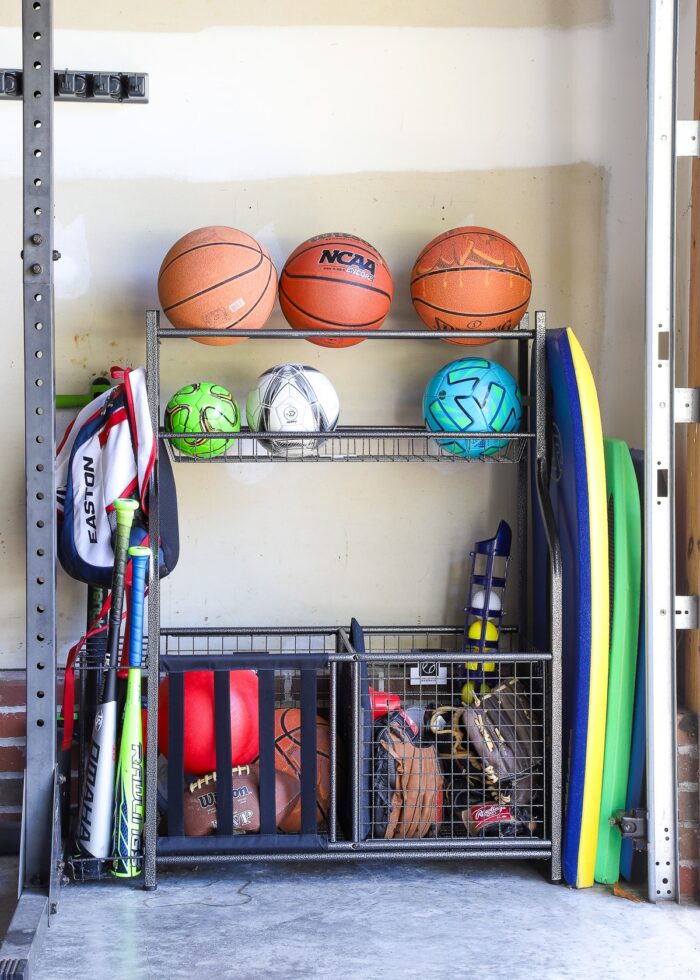
Maintain storage areas between 59-75°F with 40-60% humidity—critical for preserving equipment integrity. Install dehumidifiers in humid climates to prevent mildew that ruins gear within weeks. Use adjustable industrial shelving for different equipment types to maximize space and accessibility. Implement first-in-first-out rotation ensuring oldest equipment gets used first to prevent storage damage.
Inventory Tracking
Create detailed logs including purchase dates, expected lifespan, and maintenance schedules—this simple step reduces replacement costs by 25%. Use barcode systems for large collections to track usage and maintenance history. Schedule quarterly deep-cleaning sessions for all equipment. Establish replacement budgets based on lifespan data rather than emergency needs.
Security Measures
Lock storage areas to prevent theft and unauthorized use that leads to improper care. Install motion-sensor lighting for evening access safety during preseason or postseason training. Create sign-out systems for team use with clear accountability. Establish consequences for damage or improper returns—this reduces replacement costs significantly.
Seasonal Care Schedules
Spring Equipment Check
After winter storage, conduct comprehensive inspections for cold damage that weakens materials. Replace damaged items immediately before they cause injuries during early-season training. Deep-clean all equipment following appropriate methods for each item type. Check ball inflation levels and reinflate as needed—properly stored balls still lose 10-15% pressure over winter.
Summer Intensive Care
Heavy summer usage demands increased cleaning frequency—daily for shared equipment. Store equipment in shaded areas during breaks to prevent heat damage that degrades materials faster. Check hydration systems for mold growth that develops in warm, damp conditions. Replace worn items before fall season starts to avoid mid-season failures during critical games.
Fall Preparation
Thoroughly clean and completely dry all equipment before winter storage—moisture causes more damage than cold. Apply protective coatings to metal components to prevent rust during storage. Store balls partially inflated to maintain shape without stressing seams. Use moisture-absorbing products in storage containers to prevent mildew that ruins gear over winter.
Winter Storage Protocol
Deep-clean everything before storage—dirt and sweat accelerate material degradation during storage months. Apply rust-preventive treatments to metal components like goal frames and cones. Maintain proper ball inflation levels—completely deflated balls develop permanent creases. Use moisture-absorbing products in storage containers to protect against humidity damage.
Key Takeaway: Consistent, proper care extends equipment life 3-5 times longer than neglect. Your 10-minute daily maintenance routine prevents costly replacements and ensures peak performance every practice. Start with one equipment category this week, then expand your care protocols across your entire training arsenal—your budget (and players) will thank you.

I come from the “soccer heart” of Germany, the Ruhrpott. I have played, trained and followed soccer all my life and am a big fan of FC Schalke 04. I also enjoy following international soccer extensively.