How to Store Your Soccer Agility Ladder to Prevent Tangles
To store an agility ladder for soccer, you must match three things: the physical rolling technique, the correct use of built-in securing features, and a dry, protected storage environment. The goal is to prevent the internal tangles that ruin the next training session before it starts.
Most coaches and players stuff the ladder into its bag when the whistle blows. They fight the resulting knot for ten minutes next Tuesday, wasting valuable drill time and fraying everyone’s patience. That single rushed habit turns a simple tool into a recurring frustration.
This guide breaks down the storage process by ladder type, explains why each step matters for the material, and gives you the maintenance checks that keep your ladder working for seasons.
Key Takeaways
- Roll from one end with the side straps held taut, this keeps rungs aligned and prevents the internal crossover that creates knots.
- Use the ladder’s built-in Velcro strap or clip before placing it in the bag; an unsecured roll will instantly unravel and tangle.
- Store the ladder in its bag inside a garage or shed, never left outside where UV rays and moisture degrade nylon and plastic within a single season.
- Inspect the ladder monthly for worn stitching on sewn-in rungs and fraying at the strap-rung junctions; a five-minute check prevents a mid-drill failure.
- For ladders without a good bag, a simple DIY solution like a heavy-duty trash bag tied with a cord works better than a ripped, flimsy carry sack.
The 3 Rules for Tangle-Free Storage
Head design changes the entire process. A ladder with sewn-in rungs stores differently than one with free-sliding plastic tubes. The common mistake is treating them the same.
Common mistake: Stuffing the entire ladder loosely into its carry bag, the rungs cross over each other inside the bag, and the resulting knot takes longer to untangle than the drill you planned to run.
The first rule is to identify your ladder’s type. Fixed-rung ladders, often with sewn-in fabric rungs, are the easiest to store. You just need to keep the side straps parallel. Sliding-rung ladders, where plastic tubes move freely on nylon straps, demand a tight, controlled roll. If you roll a sliding-rung ladder loosely, the tubes slide into the center of the coil and lock together. You will need to unroll the entire thing and start over.
The second rule is immediate securing. Your hands need to hold the rolled coil together while you grab the Velcro strap or clip. If you let go to search for the strap, the ladder springs open. I keep the strap wrapped around the ladder’s end when it’s in use, so it’s always right there when I need it. This tiny habit saves genuine frustration during a chaotic post-training pack-up.
The third rule is environmental. Nylon straps and plastic rungs are degraded by ultraviolet light and constant dampness.
Nylon webbing loses up to 40% of its tensile strength after prolonged UV exposure, and PVC plasticizers leach out in heat, making rungs brittle. A ladder left on a wet patio for a month will feel stiffer and more prone to cracking.
TL;DR: Match your rolling technique to your ladder type (fixed vs. sliding rungs), secure the coil before moving it, and never store it where the sun or rain hits it directly.
Step-by-Step: How to Roll and Secure Your Ladder
Lay the ladder flat on grass or a clean floor. Brush off any loose dirt or grass clippings. Debris left on the rungs grinds into the strap material during storage, acting like sandpaper over time.
Now, find the end of the ladder. This sounds obvious, but many people start rolling from the middle because it’s closer. That guarantees a mess. You must start from one end.
For sliding-rung ladders:
- Gather all the rungs to one end of the straps. Slide them down so they are bunched together.
- Pinch the two side straps together at that end, keeping them tight and parallel.
- Roll the ladder slowly and evenly toward the other end. Maintain tension on the straps. You want a tight coil, about the diameter of a dinner plate.
- The moment the roll is complete, wrap the Velcro strap around the center of the coil two or three times. If your ladder uses a plastic clip, snap it over the entire roll.
For fixed-rung or sewn-in rung ladders:
- Simply start at one end, keeping the straps parallel.
- Roll evenly. The sewn rungs prevent most sliding, so the coil forms naturally.
- Secure with the strap or clip. The built-in proper equipment care for any tool starts with respecting its design.
If your ladder has detachable sections, unclip them first. Store each section individually. This is the most foolproof method for complex agility ladder drills setups, as each short piece is almost impossible to tangle.
What happens if you skip the securing step? The coil expands inside the bag. The rungs find gaps between the straps and weave themselves into a knot that requires patient picking apart. It’s a completely avoidable waste of five minutes before every session.
Choosing the Right Storage Spot and Bag
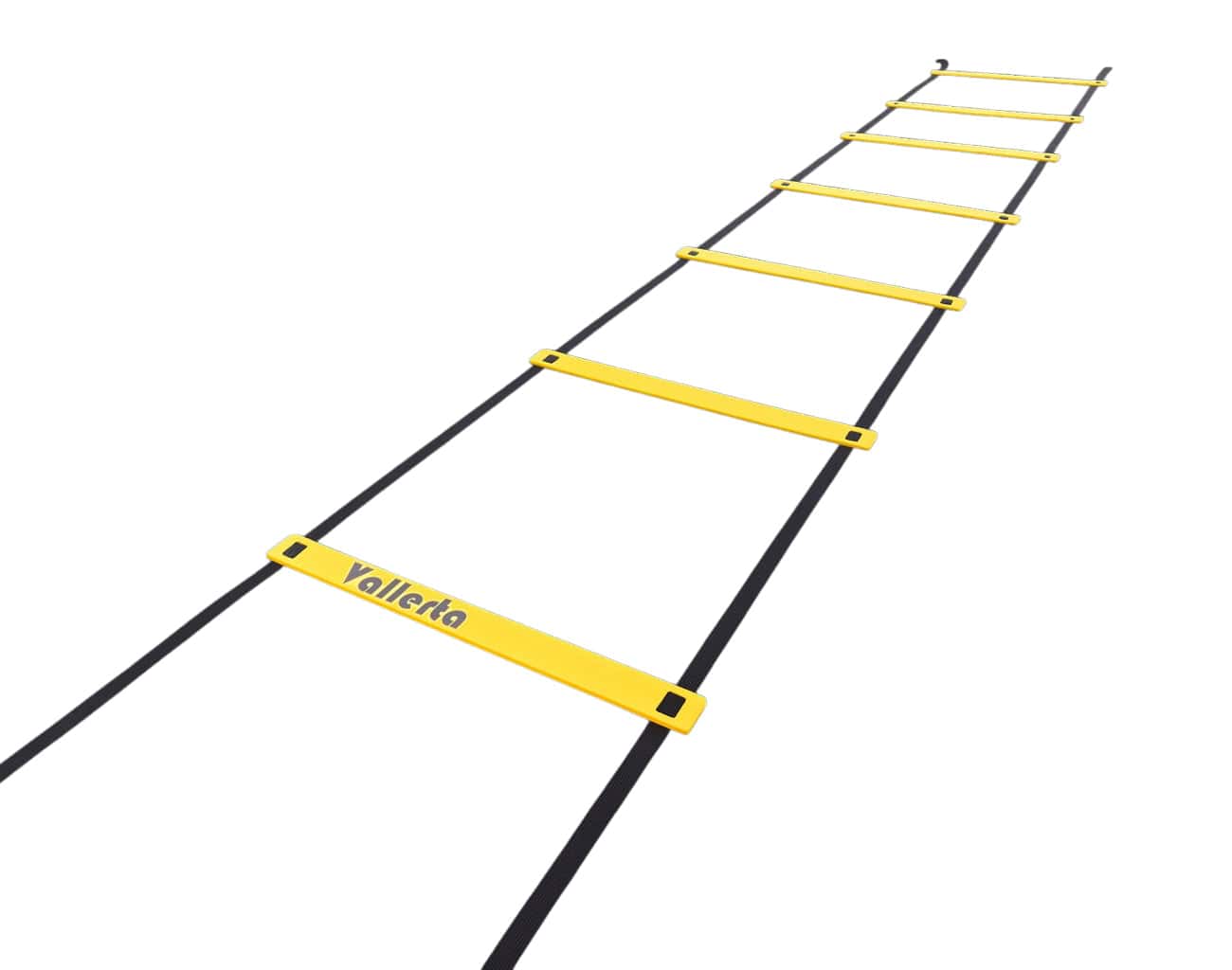
The carry bag is not just for transport. It is the primary barrier against dust, moisture, and accidental snags. A good bag is made of a durable polyester or canvas-like material, with reinforced stitching at the seams and a sturdy zipper.
A bad bag is thin, almost silky nylon with a flimsy drawstring. It rips after a dozen uses. I learned this with a budget ladder I bought for a youth academy. The bag tore on the third trip in my equipment trunk, and the exposed ladder strap hooked onto a corner of a goal post anchor, fraying a six-inch section. Now I judge the bag as critically as the ladder itself.
| Storage Location | Pros | Cons & Risks |
|---|---|---|
| Garage / Shed (on shelf) | Dry, stable temperature, protected from sun/rain. | Can collect dust; ensure shelf is not damp. |
| Equipment Trunk (in bag) | Portable, always with gear. | Trunk heat in summer can warp plastic; condensation risk. |
| Closet / Indoor Storage | Ideal temperature and humidity control. | Takes up space; can be forgotten if not with other gear. |
| Outdoors (unbagged) | None. | UV degradation, moisture damage, temperature extremes destroy materials within months. |
The table shows why indoors is best. If you must use a trunk, at least keep the ladder in its bag and don’t leave the trunk in direct sunlight. The interior of a black trunk on a summer day can hit 60°C (140°F) – enough to soften PVC rungs and weaken adhesive bonds.
For ladders that have lost their bag, a heavy-duty contractor-grade trash bag works. Roll and secure the ladder, drop it in the bag, twist the top, and tie it with a cord. It is not elegant, but it keeps the dust and moisture out. This is a core part of maintaining your arsenal of best training aids.
I won’t recommend leaving any ladder, even in a bag, in a damp basement or directly on a concrete garage floor. Concrete draws moisture, and that dampness wicks into the bag fabric over time. You will eventually pull out a ladder that smells faintly of mildew, and the straps will have a permanent damp stiffness. Use a wooden shelf or place the bag on an old pallet.
Material Matters: How Plastic and Nylon Age
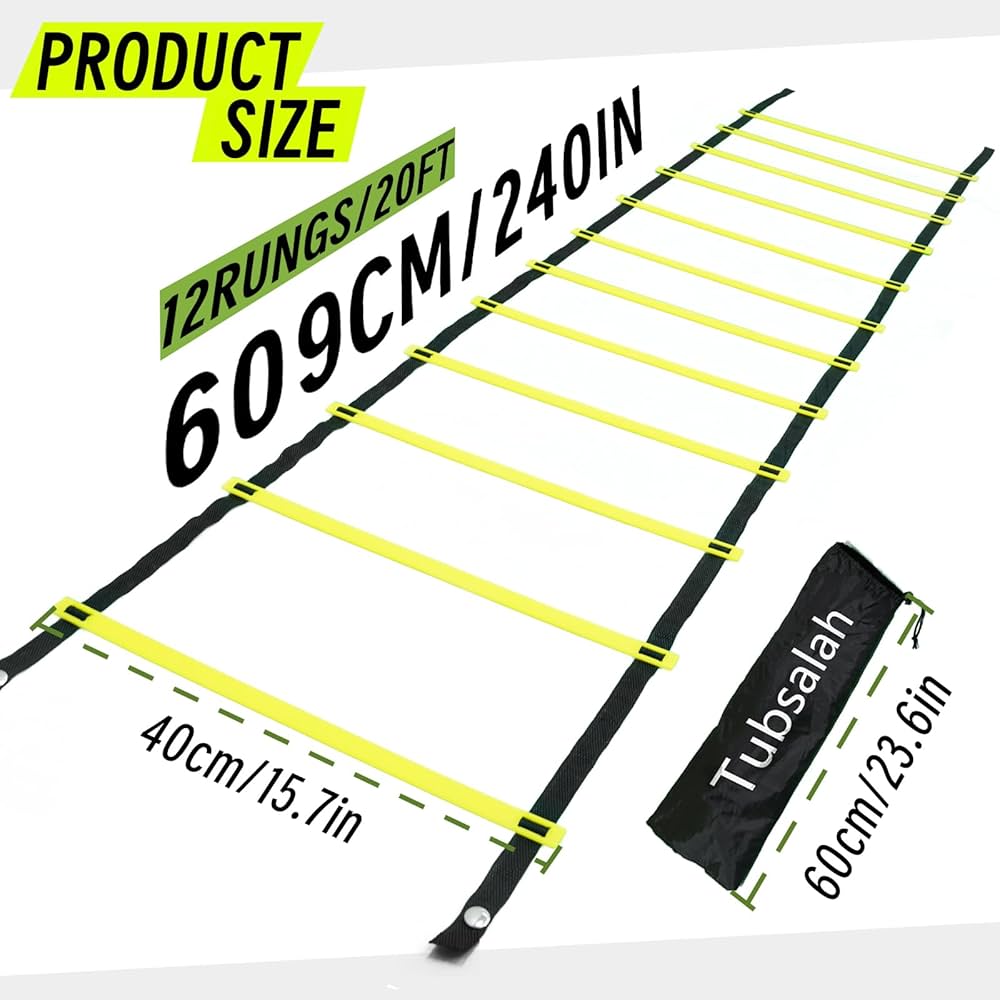
Not all agility ladders are built the same. The storage advice shifts slightly based on what your ladder is made from. This is the why-layer that most guides skip.
Plastic rungs are typically PVC or a similar polymer. They contain plasticizers, chemicals that keep the material flexible. Heat and UV radiation cause these plasticizers to leach out. The rung becomes brittle. You will see it first as small white stress marks at the points where the strap passes through, followed by cracking. Storing the ladder away from heat sources (like a heater vent or sun-baked wall) directly slows this process.
Nylon straps are strong but susceptible to hydrolysis, a chemical breakdown accelerated by constant moisture. A damp ladder stuffed in a bag is the perfect environment for this. The straps lose their elasticity and tensile strength, feeling stiff and rough. They are more likely to snap during a dynamic speed training drill. This is why shaking off dew or rain and letting the ladder air-dry for a few minutes before storage is non-negotiable.
Fabric rungs, like those on the Decathlon Essential ladder, are usually polyester webbing. Their enemy is abrasion and dirt. Storing them dirty means grinding particulate into the fibers every time the ladder is rolled or unrolled. Always brush them off. This simple act is a key part of effective soccer equipment maintenance.
TL;DR: PVC rungs become brittle in heat and sun. Nylon straps weaken with constant dampness. Fabric rungs wear down from stored dirt. Your storage location directly counteracts these material failures.
Maintenance and Inspection Checklist
Storage is not a set-and-forget action. You should give your ladder a quick functional inspection once a month during the season, and a more thorough one before storing it for the offseason.
Do this check when the ladder is laid out flat:
1. Run your fingers along every strap. Feel for fraying, especially where the strap passes through a rung or at stitched seams. Rough spots are early warnings.
2. Examine each rung. Look for cracks, deep scratches, or permanent bends. Twist plastic rungs gently; they should flex, not creak.
3. Check all connectors. For detachable ladders, ensure the plastic clips aren’t cracked and still snap shut firmly.
4. Inspect the carry bag. Look for rips, broken zippers, or rotten stitching. A failed bag needs replacing.
This five-minute ritual prevents the most common field failure: a strap snapping mid-drill. I had one go on me during a high-intensity sprint training methods session with a U17 team. The player stumbled, though thankfully didn’t fall. The cause was a frayed section I had missed for weeks, weakened by being constantly stored damp. Now I check religiously.
If you find minor damage, a repair can extend the ladder’s life. For frayed nylon straps, a small amount of clear nail polish or a specialty fabric glue like Seam Grip can seal the fibers and prevent further unraveling. For a cracked but not fully broken plastic rung, a wrap of strong filament tape can serve as a temporary patch for a few sessions while you order a replacement. These fixes align with the broader philosophy of care for training aids.
Common mistake: Ignoring a small fray on a strap, the fray catches on a cleat during a lateral shuffle, and the strap snaps completely, rendering the ladder unusable and creating a trip hazard.
Frequently Asked Questions
Can I leave my agility ladder outside?
No. Direct sunlight, rain, and dew will degrade the materials quickly. UV rays break down the plastic and nylon, making them brittle and weak. Even a covered patio isn’t fully safe due to humidity and temperature swings. Always store it indoors.
How do I untangle a badly knotted agility ladder?
Patience is key. Do not pull hard. Lay the entire mess on a large, open space. Find an end and gently work it free, following the straps to see where they cross. For a severe knot, you may need to completely unthread the rungs from the straps and re-thread them. This process is a strong argument for the 30 seconds of proper rolling.
What’s the best agility ladder for easy storage?
Look for two features: sewn-in rungs (which cannot slide and tangle) and a built-in Velcro storage strap. The FCCJ agility ladder buying guide specifically highlights models with these features for their tangle-resistant design. A durable carry bag with a robust zipper is also a major plus.
How long should a good agility ladder last?
With proper care and storage on appropriate surfaces like grass or turf, a quality agility ladder should last 3-5 years of regular use. The first things to wear are usually the straps at the friction points, not the rungs themselves. Avoiding hard surfaces like concrete during use is as important as storage for longevity.
Can I wash my agility ladder?
You can wipe it down with a damp cloth to remove mud and dirt. Do not submerge it in water or put it in a washing machine. Water trapped inside plastic rungs or the weave of nylon straps promotes mildew and material breakdown. Let it air-dry completely before rolling it up for storage.
The Bottom Line
Storing an agility ladder correctly is a trivial task that pays disproportionate rewards. The right thirty-second routine, rolling from the end, securing the coil, and placing it in a dry bag, guarantees your next session starts with a ready tool, not a frustrating puzzle. This discipline feeds directly into efficient physical training routines.
Treat the ladder’s material limits with respect: keep it cool, dry, and clean. Make the monthly inspection a habit. That combination will keep your ladder laying flat and functional for thousands of reps, supporting everything from basic home agility drills to advanced dribbling speed work. The tool is simple. Your care for it determines its value.

I come from the “soccer heart” of Germany, the Ruhrpott. I have played, trained and followed soccer all my life and am a big fan of FC Schalke 04. I also enjoy following international soccer extensively.