How to Choose Soccer Cleats for Your Foot Type
Staring at rows of identical-looking soccer cleats while your last pair left you limping off the field? That’s because 68% of players wear the wrong cleat width for their foot structure—turning every sprint into a blister factory and every cut into an ankle-rolling hazard. Your foot type isn’t just about comfort; it dictates ball control, injury risk, and explosive power. Whether you battle narrow heels that slip during toe pokes or wide forefeet screaming in compressed toe boxes, matching cleat engineering to your unique anatomy transforms liability into weapon. In the next 10 minutes, you’ll learn exactly how your foot width, arch height, and toe shape determine which cleats deliver lockdown, cushioning, and stability—no more painful trial-and-error purchases.
How to Measure Your Foot Width, Arch Height, and Toe Shape
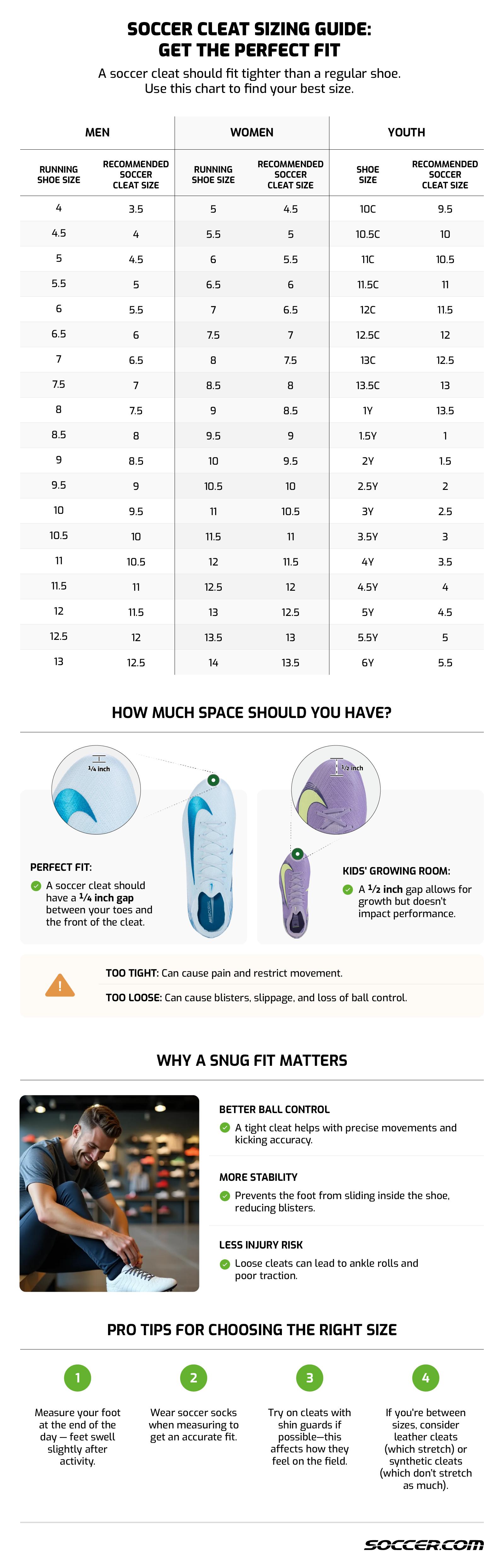
Measure Width Without Guessing
Stand on paper with weight evenly distributed, trace your foot, and measure across the ball (widest part). Compare to standard charts: if your measurement exceeds the chart by 1.5+ sizes, you have wide feet. Narrow feet fall significantly below average, while standard width fits within the range. Always measure both feet—most people have one foot wider than the other—and size for the larger foot. For accuracy, measure in the afternoon when feet swell naturally during play.
Decode Your Arch Structure
Wet your sole and step onto dark paper. High arches show minimal ground contact with a pronounced gap along the inner foot. Flat feet leave complete impressions with no visible arch gap. Normal arches display a balanced curve connecting heel to forefoot. This test reveals pressure points: high arches concentrate force on heel and ball, while flat feet overpronate inward during cuts—critical for selecting cushioning versus stability features.
Map Your Toe Shape
Observe your bare foot from above. Egyptian feet (70% of players) feature a dominant big toe with progressively shorter toes. Greek feet show a longer second toe, requiring extra toe-box space. Roman feet have nearly equal-length first three toes, while Germanic feet combine a long big toe with similar-length smaller toes. This determines toe-box shape: Egyptian types fit narrow lasts, but Greek footers need rounded boxes to prevent second-toe jamming during shooting.
How to Choose Soccer Cleats for Narrow Feet: Lockdown Without Compression
Key Features That Prevent Slippage
Narrow feet demand cleats with minimal internal volume and rigid synthetics that resist stretching. Central lacing systems (like Adidas’ traditional setup) pull tighter than asymmetrical designs, eliminating heel slippage. Seek slim heel counters with internal padding—avoid knits that stretch 20-30% and create sloppy fits. Synthetic uppers (Vaporposite, MATRYXEVO) maintain shape for 150+ hours, unlike leather that molds away from narrow contours.
Top Models for Snug Performance
- Adidas Copa Sense: SensePods fill negative space around narrow heels with adaptive pods
- Nike Mercurial Vapor: Vaporposite upper stays rigid under pressure without stretching
- Puma Ultra: MATRYXEVO woven construction locks midfoot without bulk
- Mizuno Morelia Neo III: β mesh upper provides structural integrity for bony prominences
Sizing Strategy for Narrow Fit
Order true-to-size or half-size down in synthetics. When trying on, wear game socks and lace tightly—the heel must lock immediately without heel counter movement. Check for minimal space around the midfoot; if fingers slide easily between laces and foot, the cleat is too wide. Avoid wide-width models even if length fits—they’ll cause blisters within 10 minutes of play.
How to Choose Soccer Cleats for Wide Feet: Stretch Room That Performs

Materials That Adapt Over Time
Kangaroo leather stretches 15-20% naturally, molding to splayed forefeet while maintaining structure. Prioritize “Wide” or 2E/4E designated models—New Balance is the only major brand producing true wide lasts, not just stretched standard molds. Rounded toe boxes allow natural toe splay during pivots, while minimal internal stitching prevents fifth metatarsal pressure. Avoid stiff synthetics that restrict foot expansion.
Best Wide-Foot Options
- New Balance Furon v7: Purpose-built wide last with anatomical toe box
- Nike Tiempo Legend 9: Premium calfskin leather offering 15% stretch
- Adidas Copa Mundial: Classic kangaroo leather that forms to foot contours
- Mizuno Morelia II Japan: Top-tier leather quality with progressive flexibility
Break-In Protocol for Wide Feet
Size up half-size in leather cleats to accommodate stretch. Wear 15 minutes daily for two weeks with game socks before full play—rushing causes permanent deformation. Condition leather every 2-3 weeks with specialized cream to maintain flexibility without cracking. Expect 100-120 hours of play before width becomes excessive; replace when toes slide forward during cuts.
How to Choose Soccer Cleats for High Arches: Cushion Without Collapse
Cushioning Technologies That Matter
High arches need shock absorption under the heel and forefoot where pressure concentrates. Seek Zoom Air or Boost foam units in these zones—not rigid arch supports that create painful pressure points. Deep heel cups (like Nike’s Dynamic Fit collar) stabilize during landings, while flexible forefoot sections maintain natural push-off mechanics. Avoid flat insoles; opt for removable versions accommodating custom orthotics.
Models Built for High Arches
- Nike Phantom GT: Zoom Air forefoot units absorb striking impact
- Adidas Copa Sense: Boost midsole provides responsive heel-to-toe cushioning
- Puma Future Z: NITRO foam adapts to arch height without compression
- New Balance Tekela: Fresh Foam midsoles cushion aggressive movements
Fit Testing for Arch Support
Try cleats with game socks and orthotics. Perform 20 minutes of lateral cuts—high arches often feel initial comfort but develop midfoot fatigue later. Ensure the insole sits flush under your arch without gaps. If you feel pressure points near the navicular bone, the arch support is misaligned and will cause pain during extended play.
How to Choose Soccer Cleats for Flat Feet: Stability for Aggressive Cuts
Support Features That Prevent Overpronation
Flat feet require medial posts (dense foam on the inner foot) and dual-density midsoles to control inward rolling. Rigid heel counters prevent collapse during sharp cuts, while wide bases distribute pressure. TPU support plates add midfoot rigidity without excessive weight—critical for defenders making 50+ directional changes per game. Avoid flexible uppers that exacerbate overpronation.
Stability-Focused Models
- Nike Tiempo Legend: Dynamic Fit collar locks down flat feet during challenges
- Adidas Predator Edge: Torsion System prevents midfoot twisting
- Puma Ultra: evoKNIT stability zones control foot motion
- Under Armour Clone Magnetico: 4D foam footbeds maintain structure under load
Testing Motion Control Effectiveness
Squeeze the heel counter between thumb and forefinger—it should feel rigid, not compressible. Perform 10 lateral cuts on turf; your foot should feel guided without restriction. If medial arch pain develops within 15 minutes, support is inadequate. Flat-footed players often need two pairs: one for training (with maximum stability) and one for matches (slightly broken in).
Position-Specific Soccer Cleat Choices for Your Foot Type
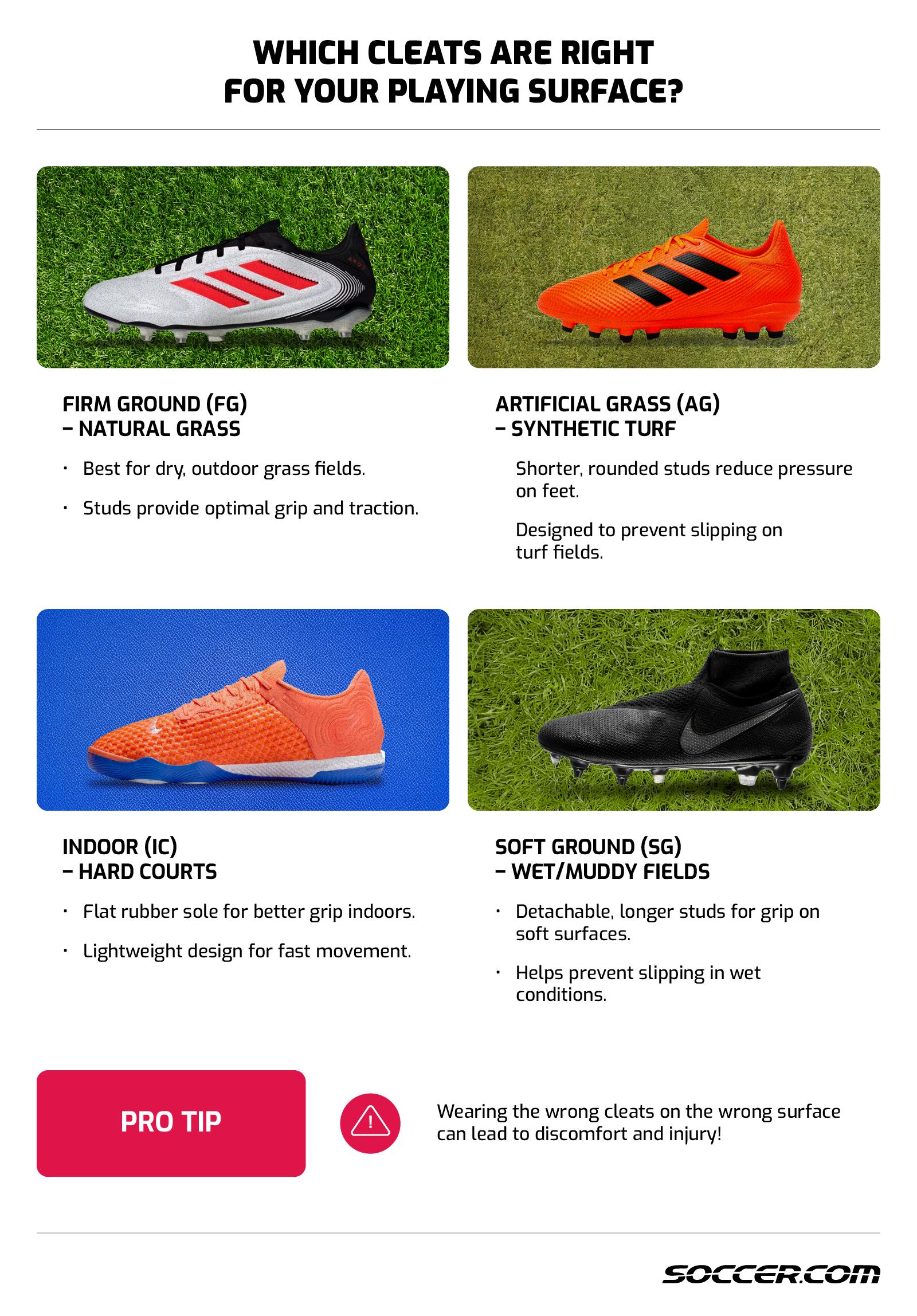
Forwards: Precision Over Bulk
Narrow feet excel with streamlined Mercurial or Furon designs maximizing ball feel. High-arched strikers benefit from cushioned forefoot zones on Phantom GTs for powerful strikes. Wide-footed forwards must avoid compressed toe boxes—opt for leather Tiempos allowing natural toe splay during shooting.
Midfielders: Balance for 90 Minutes
Normal arches suit balanced Copa Mundials with removable insoles for customization. High arches need forefoot flexibility in Future Z cleats for precise passing. Flat-footed midfielders require motion control in Predator Edges to maintain stability during constant directional changes.
Defenders: Power in Physical Duels
Wide feet gain stability in shoulder challenges with New Balance Furons. Flat feet need rigid heel counters in Clone Magnetico cleats for lateral movements. High-arched defenders benefit from cushioned landings in Tekela cleats after aerial duels—prioritize durable leather over lightweight synthetics.
Advanced Fit Testing Protocol for Your Foot Type
30-Minute Test Session
Wear game socks and shin guards during fitting. Narrow feet: watch for heel blisters within 10 minutes. Wide feet: check fifth metatarsal pain when standing on toes. High arches: monitor midfoot fatigue during toe-offs. Flat feet: assess medial support during 20 lateral cuts. Hot spots become unbearable at 30 minutes—this is your replacement threshold.
Lacing Adjustments by Foot Type
Narrow feet use heel-lock lacing (looping top eyelets) to prevent slippage. Wide feet employ gap lacing—skip midfoot eyelets to reduce pressure. High arches benefit from volume lacing (crisscrossing lower eyelets) accommodating instep height. Flat feet need parallel lacing for uniform tension maintaining stability.
Final Soccer Cleat Fit Checklist by Foot Type
Before purchasing, verify these foot-specific checkpoints:
– Narrow Feet: Heel locks without lace over-tightening, synthetic upper resists stretching, minimal midfoot space
– Wide Feet: Toe splay room when standing, no fifth metatarsal pressure, leather shows stretch potential
– High Arches: Arch support aligns with navicular bone, forefoot cushioning absorbs impact, insole compatible with orthotics
– Flat Feet: Medial post prevents inward roll, heel counter rigid when squeezed, motion control effective during cuts
Your foot type determines performance more than marketing hype ever will. Match these specific cleat features to your anatomy, and you’ll transform every touch from liability to weapon—ending blistered toes and unstable cuts for good. Invest 30 minutes in proper measurement and testing; your game (and feet) will thank you when you’re still sprinting strong in the 89th minute.
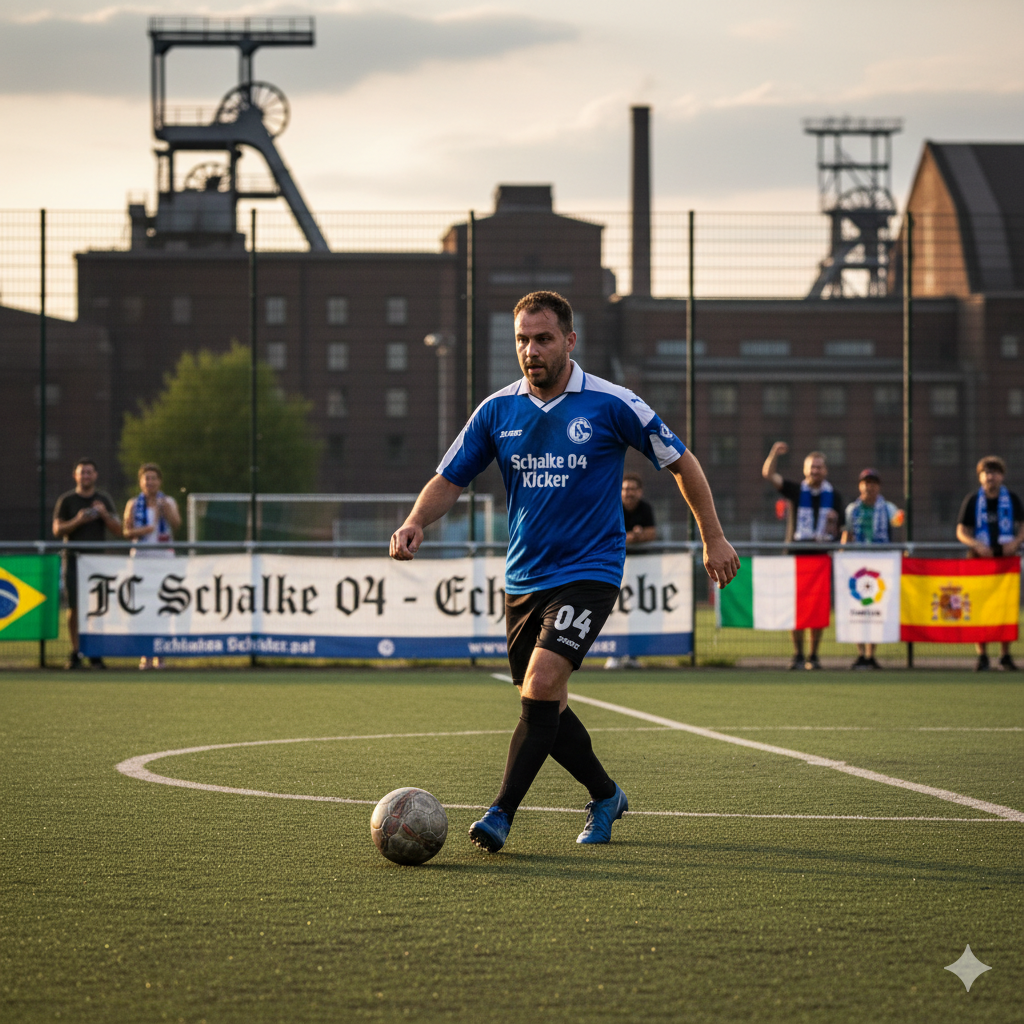
I come from the “soccer heart” of Germany, the Ruhrpott. I have played, trained and followed soccer all my life and am a big fan of FC Schalke 04. I also enjoy following international soccer extensively.