How to Clean Soccer Shin Guards: Easy Steps
That familiar sour smell hits you the moment you unzip your gear bag after practice. Your soccer shin guards, caked with grass stains and hardened sweat, feel damp even hours after the game ended. If you’ve ever tossed your stinky guards in the back of your closet hoping the odor would magically disappear, you’re not alone. Knowing exactly how to clean soccer shin guards properly isn’t just about avoiding embarrassing smells—it’s critical for preventing skin infections and extending your equipment’s lifespan. Bacteria thrive in the warm, moist environment trapped inside your guards after every match, multiplying rapidly if not addressed immediately.
Most players make the critical mistake of shoving dirty shin guards straight into their sports bags after games, creating the perfect breeding ground for odor-causing bacteria and mold. This comprehensive guide reveals field-tested cleaning methods that actually work for every shin guard type, from quick post-game fixes that take just minutes to deep sanitizing treatments for those stubborn, long-neglected odors. Whether you’re a weekend player or compete daily, you’ll learn how to keep your shin guards fresh, functional, and ready for your next match.
Remove Grass and Dirt Immediately After Playing
Shake Out Debris Before Bacteria Take Hold
The first 30 minutes after your game ends represent your best chance to prevent deep-set stains and odors. As soon as you’re off the field, remove your shin guards and vigorously shake them over a trash can or outside area. This simple step dislodges grass clippings, dirt, and loose debris before they have time to settle into the foam padding. For guards with fabric sleeves, unzip or unfasten them completely to access all hidden compartments where dirt accumulates. If you notice stubborn grass stains, use your fingernail to gently scrape them off the plastic shell before they dry completely.
Wipe Down Surfaces Before Storage
Grab alcohol-based disinfectant wipes and thoroughly clean every surface of your shin guards, paying special attention to the interior padding where sweat collects. The immediate application of disinfectant kills bacteria before they multiply, preventing that sour odor from developing overnight. After wiping, dry the guards completely with a microfiber towel—never store damp shin guards. For persistent smells, sprinkle a light layer of baking soda inside the padding, let it sit for 30 minutes, then shake it out before final storage.
Hand Wash Your Shin Guards Without Damaging Materials

Prepare the Perfect Cleaning Solution
Fill a basin with lukewarm water (never hot, as heat warps plastic shells) and add just two drops of mild dish soap. Hot water causes plastic to crack and foam to break down, while too much soap leaves residue that attracts more dirt. Remove all detachable straps and sleeves before washing, as these components often require different care than the main guard body. A soft-bristled toothbrush works perfectly for scrubbing textured plastic surfaces without scratching.
Target Problem Areas With Precision
Focus your cleaning efforts where sweat and bacteria concentrate—the interior foam padding. Use gentle circular motions with your brush, avoiding aggressive scrubbing that damages the foam’s protective structure. For stubborn grass stains on plastic shells, create a baking soda paste (equal parts baking soda and water) and apply it directly to discolored areas. Let it sit for 10 minutes before scrubbing, then rinse thoroughly until the water runs completely clear. Never wring out foam padding—press it between clean towels to remove excess moisture while preserving its shock-absorbing properties.
Machine Wash Fabric Shin Guards Safely
Verify Manufacturer Approval First
Only machine wash shin guards if the care label explicitly permits it—most hard-shell models cannot withstand machine agitation. Check for specific instructions about water temperature and cycle settings. Guards with plastic shells, metal components, or leather accents should never go in the washing machine, as this can cause irreversible damage.
Protect Your Guards During Washing
Place approved fabric shin guards inside a mesh laundry bag along with 2-3 towels to cushion them during the spin cycle. Use cold water only (maximum 86°F/30°C) on the gentlest setting for no longer than 15 minutes. Skip fabric softener and bleach, which degrade elastic components and protective coatings. Immediately remove guards after the cycle ends and reshape them while still damp to maintain their proper fit and protective contours.
Eliminate Stubborn Odors With Proven Methods
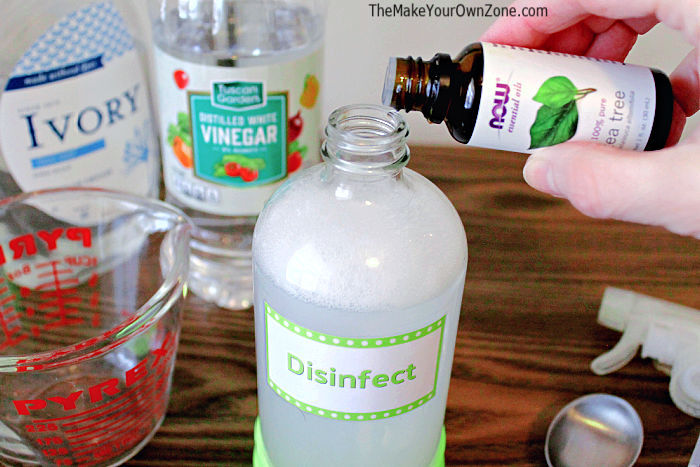
Create an All-Natural Disinfecting Spray
Mix one part white vinegar with three parts water in a spray bottle for a powerful yet gentle disinfectant. Spray this solution liberally on all surfaces, especially the interior padding, and let it work for 10 minutes before rinsing. The vinegar neutralizes odor-causing bacteria without harsh chemicals that might irritate your skin. For extra protection, add 2-3 drops of tea tree oil to your final rinse water—its natural antimicrobial properties provide ongoing defense against future odors.
Deploy Sunlight’s Bacteria-Killing Power
After cleaning, position your shin guards in indirect sunlight for 30-60 minutes. UV rays naturally kill bacteria and mold without damaging materials, but avoid prolonged exposure that can degrade plastics and fabrics. Place guards vertically with interior surfaces facing the sun to maximize exposure to problem areas. Never leave them in direct afternoon sun, which generates excessive heat that warps protective components.
Dry Shin Guards Properly to Prevent Mold Growth

Master the Air Drying Technique
Position cleaned shin guards vertically against a wall or on a drying rack to maximize airflow around all surfaces. Rotate them every 2-3 hours to ensure even drying, especially in the foam padding which retains moisture longest. For faster results, place a fan nearby (not blowing directly on the guards) or use a dehumidifier in humid climates. Complete drying typically takes 6-8 hours—never rush this process, as partially dried guards become mold breeding grounds.
Emergency Drying Without Heat Damage
When you need dry guards quickly, use a hair dryer on the cool setting only. Hold it 6-8 inches from the surface and constantly move it to prevent heat concentration in one spot. Check the material every 2 minutes—plastic should never feel warm to the touch. This method cuts drying time in half while avoiding the damage caused by conventional dryers or direct heat sources.
Store Shin Guards to Maintain Freshness Between Games
Create Optimal Storage Conditions
Store completely dry shin guards in a mesh bag or ventilated container in a cool, dry location with good air circulation. Place silica gel packets or cedar chips inside the storage container to absorb residual moisture and prevent odors from returning. Always store guards vertically or with shape-maintaining inserts—never crumpled in the bottom of your sports bag.
Avoid These Common Storage Mistakes
Never store shin guards in your car trunk, where extreme temperature fluctuations degrade materials. Gym bags create dark, damp environments perfect for bacterial growth. Damp basements and garages promote mold development, while direct sunlight fades colors and weakens protective materials over time. If you play multiple games per week, consider rotating between two pairs to ensure each set has adequate drying time.
Establish Your Personalized Cleaning Schedule
Match Frequency to Your Playing Intensity
Daily players need quick surface cleaning after every use and deep cleaning weekly. Those playing 2-3 times weekly should quick-clean after each game and deep-clean bi-weekly. Recreational players can deep-clean monthly while maintaining post-game surface cleaning. During summer months or in hot climates, increase cleaning frequency by 50% due to increased sweat production.
Recognize When to Replace Rather Than Clean
If odors persist after three thorough cleanings, or if you notice cracks in the plastic shell, it’s time for new shin guards. Structural damage compromises protection, while deeply embedded bacteria creates ongoing hygiene issues. High-quality guards properly maintained typically last 1-2 seasons of regular play—don’t risk injury by clinging to equipment past its prime.
Clean shin guards protect more than just your shins—they safeguard your skin health and ensure your equipment performs when you need it most. By implementing these specific cleaning techniques immediately after each game, you’ll eliminate embarrassing odors, prevent bacterial infections, and extend your gear’s lifespan significantly. Start with the quick post-game routine today, then schedule your first deep cleaning session—you’ll notice the difference at your next practice when your teammates stop wrinkling their noses as you approach.

I come from the “soccer heart” of Germany, the Ruhrpott. I have played, trained and followed soccer all my life and am a big fan of FC Schalke 04. I also enjoy following international soccer extensively.