How to Keep Soccer Shin Guards from Sliding: Proven Fixes
To keep soccer shin guards from sliding, you need three things: snug-fitting socks that go over the guards, a method to secure the sock fabric against the guard (tape, sleeve, or strap), and a correctly sized guard centered on your shin bone.
Most players blame the shin guard itself. The real culprit is usually the sock. A loose sock acts like a slippery sheath, and any guard inside it will wander. The fix isn’t about buying a new guard. It’s about locking the sock.
This guide covers the six methods that work, from disposable tape to reusable sleeves, and why each one fits a specific playing style.
Key Takeaways
- Loose or thin socks are the primary cause of slipping, not the shin guard. High-quality soccer socks are the first fix.
- Athletic tape wrapped above and below the guard on the sock is the fastest, cheapest lock. Shin guard stays (velcro straps) do the same job but are reusable.
- Shin guard sleeves worn over the sock and guard create compression and are the most durable solution for players who hate tape residue.
- Ankle-guard style shin guards are more prone to sliding than slip-in guards because they have more surface area moving against the sock.
- Correct sizing is non-negotiable. A guard too small slides down; a guard too large rides up and restricts ankle flexion.
- Test your setup with movement before the match. A secure fit at home can fail after the first sprint.
Why Shin Guards Slide (It’s Not the Guard)
Look at your leg during a match. The shin guard isn’t moving against your skin. It’s moving against the inside of your sock. The sock fabric is the intermediary. If it’s baggy, slick, or stretched thin from wear, it provides zero grip.
Common mistake: Wearing the guard over the sock — this violates every official soccer match rule and creates a direct sliding surface. The guard must be under the sock, with the sock providing the compression.
Synthetic soccer socks, especially older ones, lose their elasticity. They stretch vertically during a match. That stretch creates slack, and the guard drifts within it. The solution is either to replace the sock with a tighter, newer one, or to bind the existing sock fabric to the guard so it cannot stretch independently.
TL;DR: Shin guards slide because the sock around them is loose or slick. Fix the sock first.
The Sock Is Your First Line of Defense
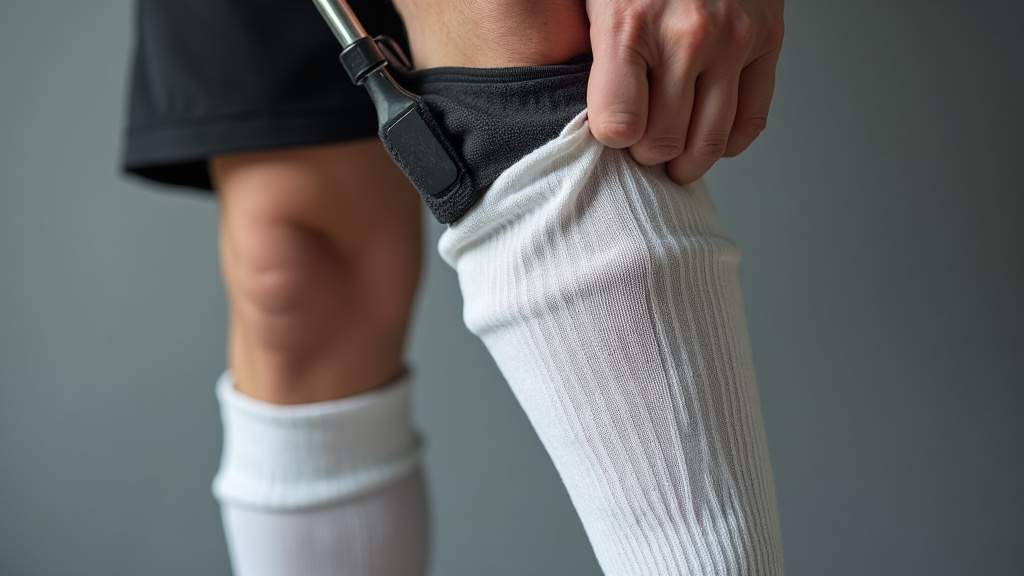
A proper soccer sock is not a casual athletic sock. It’s longer, tighter, and made with a blend that includes cotton or a textured polyester for grip. The crew socks for soccer style is the standard because it provides enough material to fully cover the guard. Ankle socks simply don’t have the length.
When you buy socks, try them with your shin guards on before cutting the tags. Pull the sock up over the guard. There should be firm tension, but not so much that it cuts off circulation at your calf. If the sock slides down your calf by itself when you walk, it’s too loose. That slack will transfer to the guard.
Some players use a double-layer system: a thin, tight soccer grip socks underneath, then the standard crew sock over it. The inner sock grips the skin and guard; the outer sock provides the official cover and extra compression. This works well for players with slender calves where standard socks are always baggy.
Shin Guard Sleeves: The Reusable Fix
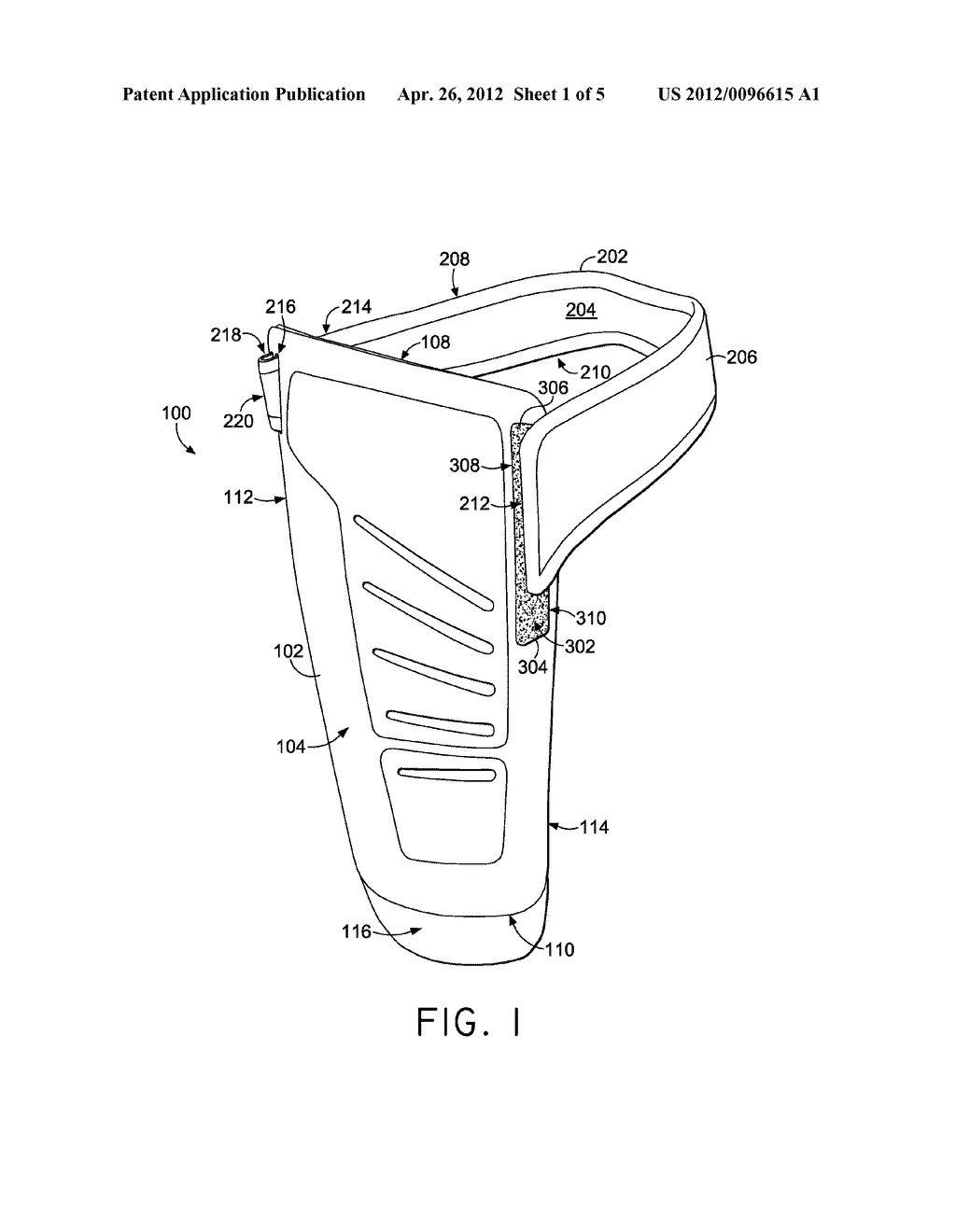
A shin guard sleeve is a tube of elastic material, usually neoprene or a similar compressive fabric. You slide it over your sock and shin guard. It doesn’t just cover them; it squeezes the sock fabric tightly against the guard, eliminating any space for movement.
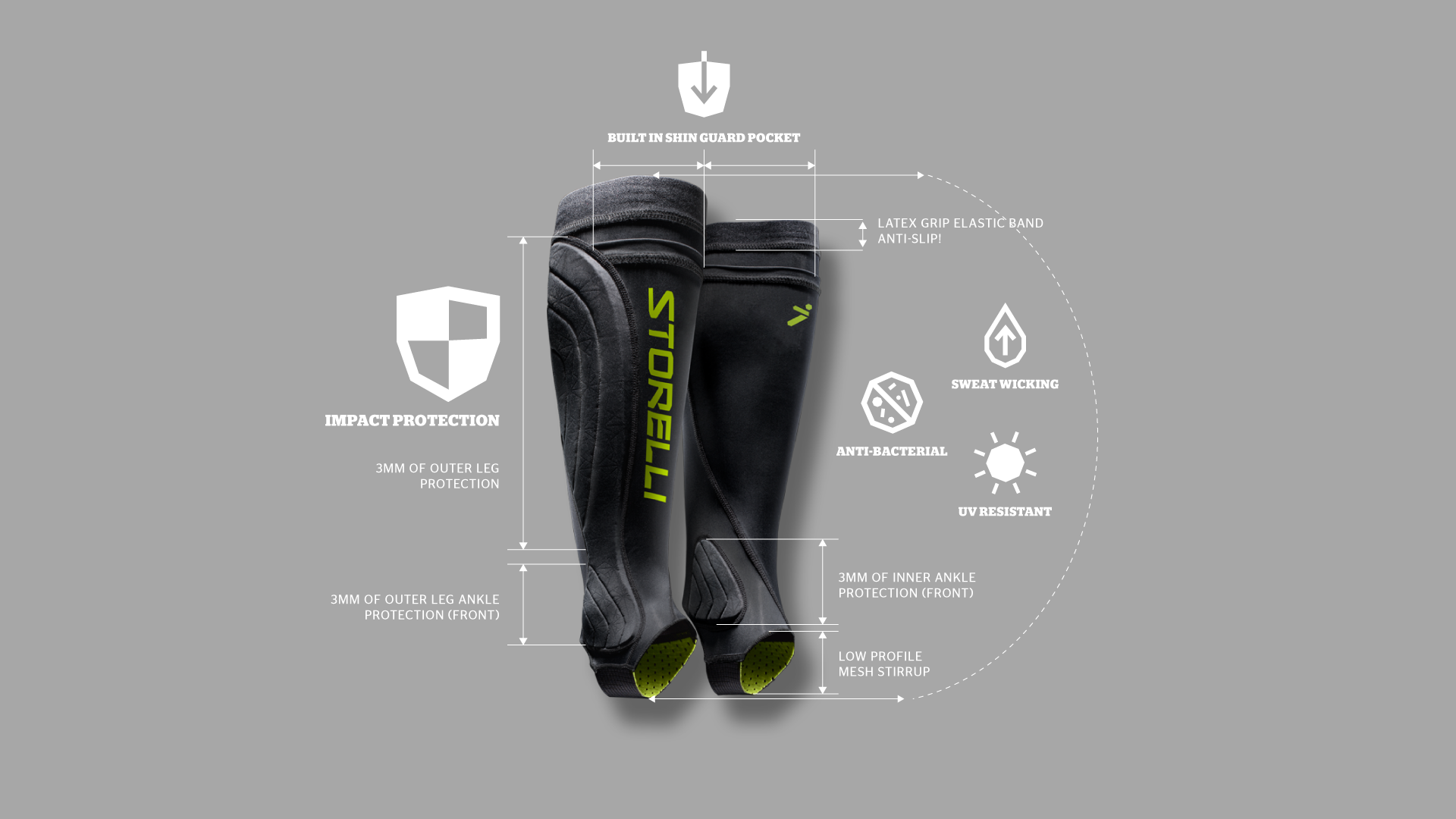
Storelli Bodyshield sleeves are a common pick among competitive players. They add a layer of impact protection to the sides of the leg and ankle, but the primary function is the compression lock.
Sleeves are washable. You rinse them after each match and they last a season or more. The downside is bulk. Some players feel the extra layer is restrictive, especially in hot climates. For slip-in guards, sleeves are perfect. For ankle-guard styles, you need a sleeve with a wider ankle opening or a dedicated ankle sleeve.
The technique is simple. Place your guard on your shin. Pull your sock over it. Then slide the sleeve up from your foot until it encases the guard and sock completely. There’s no folding, no tape, no straps. It’s a one-piece solution.
TL;DR: A sleeve compresses the sock against the guard, creating a permanent, washable lock. It’s bulkier than tape but lasts longer.
Athletic Tape and Shin Guard Stays: The Adjustable Lock
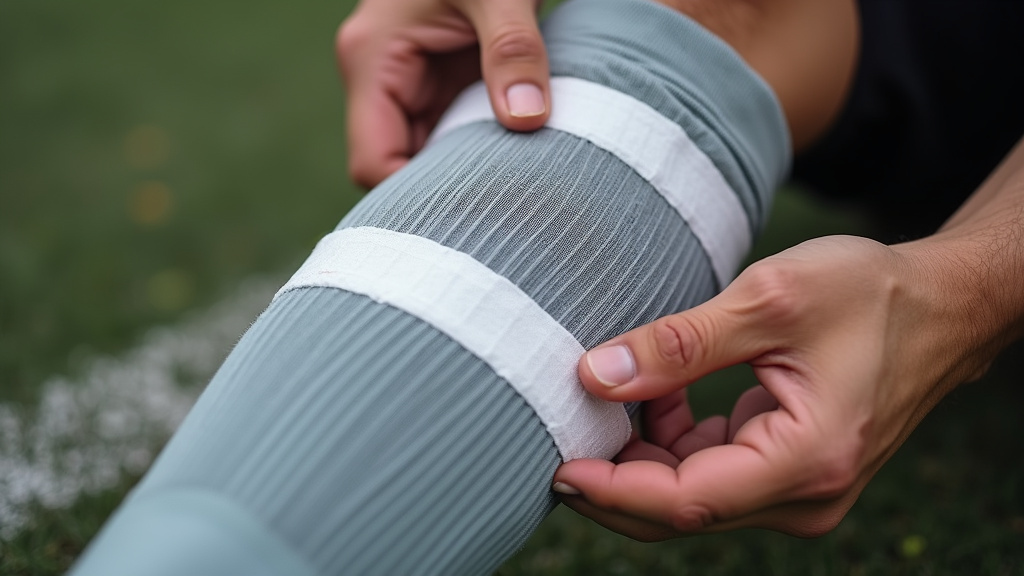
Tape is immediate. Shin guard stays (velcro straps) are the reusable version of the same principle.
For tape, you need standard athletic tape, not duct tape or medical bandages. Athletic tape is designed to stretch slightly and adhere to fabric. Cut a strip about 10 inches long.
Apply the tape around the sock, not the skin. Wrap one strip snugly around the sock just below the bottom edge of the shin guard. Wrap a second strip around the sock just above the top edge of the guard. The tape binds the sock fabric to itself, creating a tightened collar that the guard cannot slide past.
Wrap it snug, but not tourniquet-tight. You should be able to slide a finger under the tape after it’s applied. Circulation matters.
Shin guard stays are Velcro straps with a plastic or foam backing. You place them around the sock in the same locations—above and below the guard. They are adjustable, reusable, and won’t leave sticky residue on your socks. They are particularly effective for ankle-guard shin guards, which have more surface area to stabilize.
| Method | Cost per Use | Best For | Drawback |
|---|---|---|---|
| Athletic Tape | Low (~$0.10/match) | Quick fixes, players who sweat heavily | Leaves residue, disposable |
| Shin Guard Stays | Medium (~$15 for set) | Ankle guards, players who dislike tape | Can loosen over 90 minutes |
| Shin Guard Sleeves | Medium (~$20-$30) | Slip-in guards, cold-weather players | Adds bulk, can be hot |
The Grip Strip and Sock Tuck Methods
These are niche solutions, but they work for specific problems.
A grip strip is a sticky, rubbery material you place on the back of your shin guard. The sock adheres to it. It’s effective, but it will degrade your socks over time. The adhesive can leave a permanent mark and weaken the sock fibers. Use this only if you have dedicated socks for matches and don’t mind replacing them sooner.
The sock tuck method requires a grip sock and a sleeve. You tuck the top of your shin guard into the grip sock, then pull your regular soccer sock over it. Finally, you slide a sleeve over both and fold the top of the sleeve and sock over the guard’s top edge. It creates a multi-layer lock that is adjustable. This is overkill for most players, but it’s the go-to method for goalkeepers and defenders who take direct, repeated impacts and need absolute zero movement.
I used the sock tuck method for two seasons in a regional league. By the third match, the folded-over sock edge had created a pressure point on my shin that bruised. I switched to a simple sleeve and tape combo and the bruising stopped. The tuck method works, but the fold must be perfectly flat.
Sizing and Placement: The Foundation
All the tape and sleeves in the world won’t help if your shin guard is the wrong size or sitting on the wrong part of your leg.
Your shin guard should cover from about two inches below your knee down to just above the ankle bone. Center it on the shin bone. If it’s riding high, it will impede knee flexion. If it’s sliding low, it won’t protect the mid-shin where most impacts occur.
| Guard Size | Leg Length Range | Risk if Wrong |
|---|---|---|
| Small | 10″ – 12″ | Slides down, exposes mid-shin |
| Medium | 12″ – 14″ | Optimal coverage, stable |
| Large | 14″ – 16″ | Rides up, restricts ankle motion |
Measuring is straightforward. Sit with your knee bent at 90 degrees. Measure from the bottom of your kneecap to the top of your ankle bone. That’s your shin length. Match it to the manufacturer’s size chart. Don’t guess. A proper correct shin guard size is the single most important factor in stability.
Also, check if your guards are leg-specific. Many models have an “L” or “R” molded inside or a diagram showing which leg they’re curved for. A left guard on your right leg will sit awkwardly and slide more easily. This is a frequent oversight when unpacking new slip-in versus ankle shin guards.
TL;DR: A guard that’s too small slides down; a guard that’s too large rides up. Measure your shin and use the size chart.
Which Method Matches Your Guard Type?
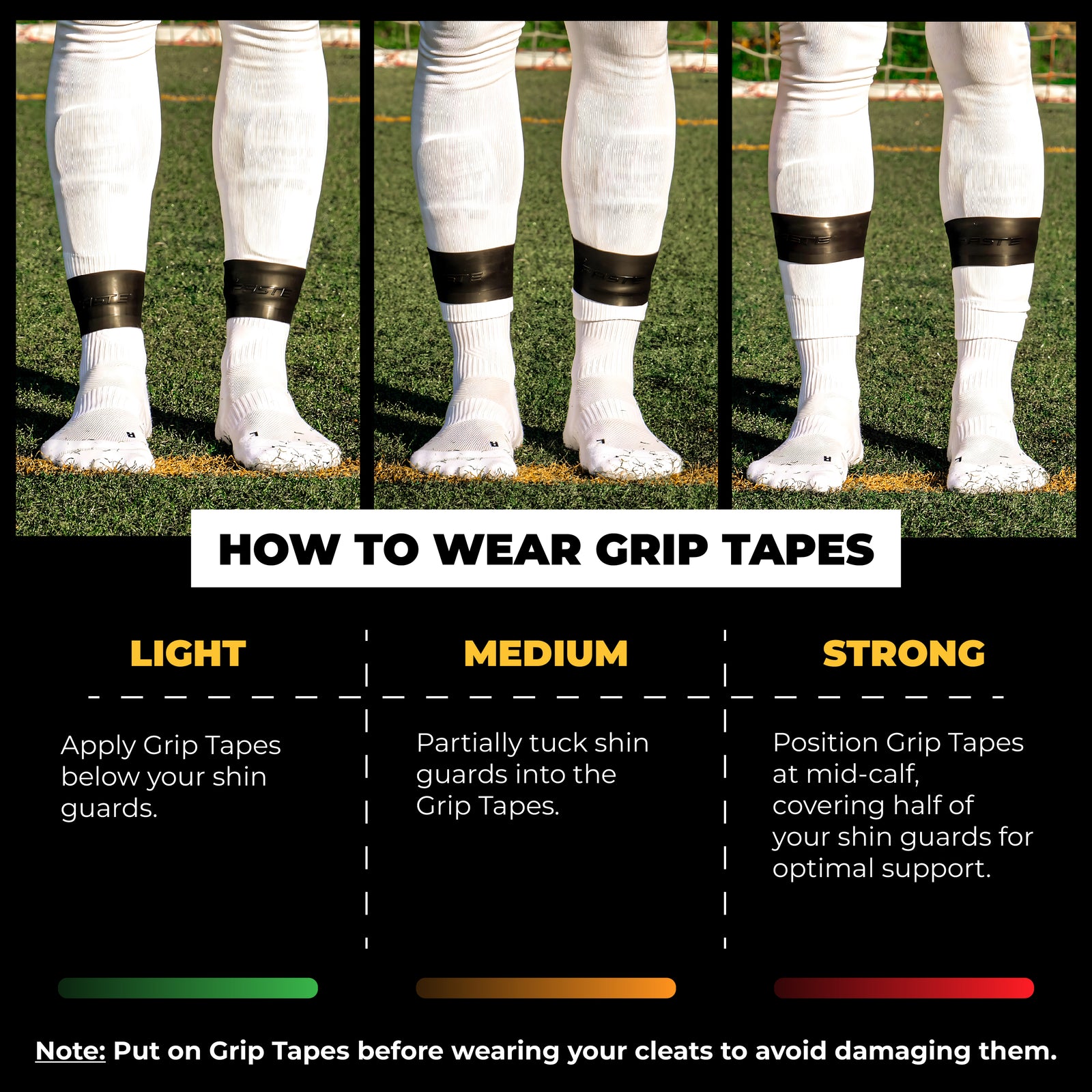
Slip-in guards and ankle guards behave differently.
Slip-in guards (also called slide-in guards) are a single padded shell. They have less surface area contacting the sock, so they are inherently more stable if the sock is tight. They pair perfectly with sleeves. The sleeve compresses the sock uniformly around the simple shape.
Ankle guards include a built-in ankle protector. This extra piece moves independently. It creates more friction points against the sock, which increases the chance of sliding. Ankle guards often benefit from a combination approach: a sleeve for the main guard body, and a separate strap or tape around the sock just below the ankle protector to lock that piece.
If you use ankle guards and find them constantly rotating, try this. Apply a strip of tape around the sock over the ankle protector, not below it. This binds the sock to the protector, preventing rotation.
Common mistake: Using only a sleeve on ankle guards — the ankle portion can still twist inside the sleeve. Add a strap or tape directly over that section.
Your choice of shin guard style comparison dictates your securing strategy. Slip-in guards need compression. Ankle guards need compression plus point stabilization.
Cleaning and Maintenance for Reusable Solutions
If you invest in sleeves or straps, you need to clean them. Sweat, grass, and mud degrade the elastic and Velcro.
Neoprene sleeves can be hand-washed in cool water with a mild detergent. Do not machine wash or dry. The agitation breaks down the compressive fibers. Hang them to dry completely before the next use. A damp sleeve will stretch more and lose its grip.
Velcro straps (shin guard stays) should be rinsed under tap water to remove debris. Check the Velcro hooks for grass or thread buildup. Use a soft brush to clean them. Let them air dry. Do not use heat or a dryer, as it can warp the plastic backing.
This maintenance extends the life of your gear. A clean sleeve retains its elasticity for a full season. A dirty strap will lose its holding power within a month. Incorporate cleaning your shin guards and their accessories into your post-match routine.
Before You Start: Safety Check
Before you start: The tape or strap must be snug, not tight. If you feel numbness or tingling in your foot within five minutes of applying it, loosen it immediately. Circulation restriction during a match can lead to cramping and muscle fatigue. Also, never place adhesive tape directly on your skin — it can cause irritation and blistering under sweat.
Match-test your setup. A guard that feels secure during a calm walk might slide during a sprint or pivot. Put everything on, run for two minutes, jump, and change direction quickly. If the guard moves, adjust before you play.
Frequently Asked Questions
What if my shin guards still slide with tape?
The tape might be too loose, or your socks might be too worn. Replace the socks first. If that doesn’t work, switch to a sleeve. The sleeve applies constant compression, whereas tape only creates two fixed points.
Can I wear two pairs of socks to stop sliding?
Yes, but the inner sock must be a thin, tight grip sock. A second regular sock will just add more loose fabric. The double-layer method works best for players with slim calves.
How often should I replace my shin guard sleeves?
Replace them when they no longer rebound to their original tightness after washing. If you can slide the sleeve on without any resistance, it’s lost its compression. Typically, a good sleeve lasts one full season of regular play.
Do grip strips ruin socks?
They can. The adhesive can leave a permanent sticky patch and weaken the sock fibers over time. Use grip strips only with socks you are willing to sacrifice, or apply the strip to the guard and cover it with a thin cloth tape before wearing the sock.
Why do ankle shin guards slide more?
They have more moving parts. The ankle protector is a separate piece that can rotate inside the sock. Slip-in guards are one solid piece, so they only slide if the sock is loose.
The Bottom Line
Start with the socks. If they’re loose or thin, nothing else will hold. Get a proper fitting shin guards properly guide and measure your leg.
For most players, a combination works best: quality socks, a correctly sized guard, and a simple strip of tape above and below the guard. It’s cheap, effective, and adjustable.
If you hate tape residue, buy a set of shin guard stays. They are the reusable version of the same principle.
For the ultimate lock, especially with slip-in guards, use a sleeve. It’s bulkier but lasts longer and washes clean.
Test everything with movement before you step onto the pitch. A secure shin guard doesn’t just protect you from impacts; it lets you focus on the game, not a nagging slide halfway up your calf.

I come from the “soccer heart” of Germany, the Ruhrpott. I have played, trained and followed soccer all my life and am a big fan of FC Schalke 04. I also enjoy following international soccer extensively.