How to Remove Grass Stains from Soccer Jersey
This post contains affiliate links. As an Amazon Associate, we earn from qualifying purchases.
That frustrating moment when you glance down at your soccer jersey after a match and see stubborn grass stains marring your uniform is universal for players at every level. Grass stains on soccer jerseys aren’t just surface dirt—they’re complex mixtures of chlorophyll, plant proteins, and soil that chemically bond with synthetic performance fabrics. The good news? With the right approach tailored specifically to athletic wear, even deep-set stains can be defeated. This guide delivers proven, fabric-safe techniques that work on modern polyester and moisture-wicking jerseys without damaging prints or elasticity.
Grass stains become dramatically harder to remove after just two hours as the natural dyes set into synthetic fibers. But whether you’re dealing with fresh turf marks from today’s game or stubborn stains that survived multiple washes, we’ll walk you through time-tested methods. You’ll learn why standard laundry approaches fail on athletic wear and discover specialized treatments that target the unique composition of grass stains while preserving your jersey’s technical properties.
Immediate Grass Stain Response for Fresh Spills
Act within 30 minutes for maximum stain removal success. Grass stains penetrate jersey fibers rapidly, making quick action essential before chlorophyll bonds permanently with synthetic materials. If you’re still at the field or just arrived home, these field-tested techniques prevent minor stains from becoming permanent fixtures on your uniform.
Field-Ready First Aid for Grass Stains
Blot aggressively but never rub. Grab clean paper towels or a white cloth and press firmly on the stain to absorb moisture without grinding particles deeper. Immediately hold the jersey inside-out under cold running water—this pushes stains outward rather than embedding them through the fabric. While soap seems logical, avoid it completely as standard soaps damage moisture-wicking treatments.
When home supplies aren’t available, use these emergency solutions:
– Water bottle flush: Pour drinking water through the stain from the inside out
– Club soda lift: The carbonation helps dislodge grass particles (pour slowly over stain)
– Salt paste absorbent: Mix salt with minimal water into a thick paste and apply directly
– Wait for proper treatment: Resist using hand sanitizer or other chemicals that set stains
Critical Jersey Fabric Assessment
Check your care label before applying anything. Modern soccer jerseys typically use:
– 100% polyester: Most durable but extremely heat-sensitive
– Polyester-spandex blends: Stretchy but vulnerable to harsh chemicals
– Moisture-wicking fabrics: Require enzyme-based cleaners only
– Printed designs: Need spot treatment around graphics
Always test cleaning solutions on an inside seam or hem first. Apply your chosen treatment for 30 seconds—if colors bleed or texture changes, switch to a gentler method. This step prevents ruining your entire jersey during stain removal attempts.
Enzyme Cleaner Method for Recent Grass Stains
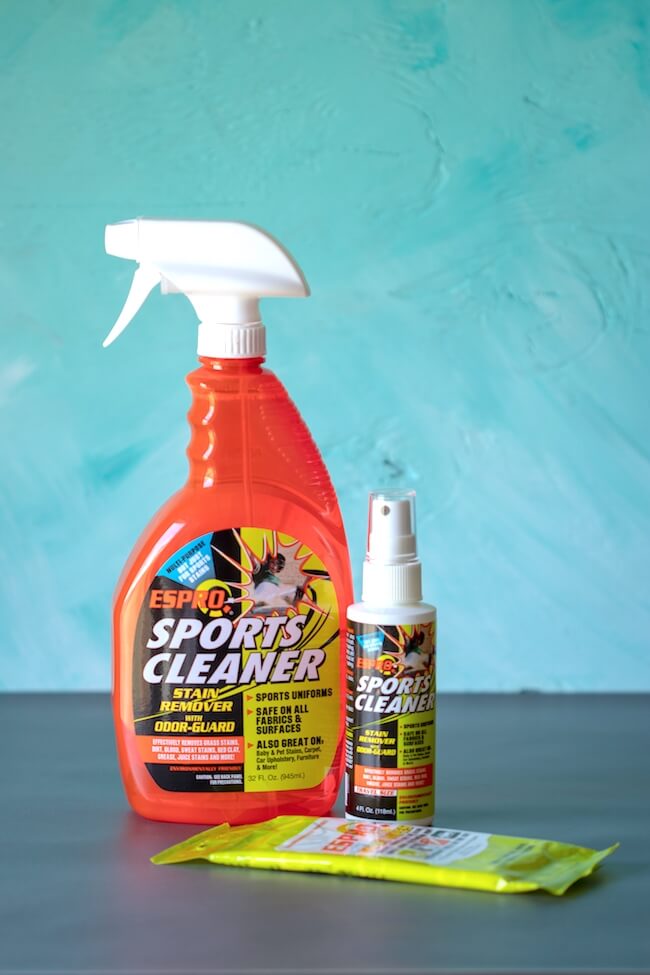
Best for stains less than 2 hours old on standard polyester jerseys. Enzyme cleaners specifically target the proteins in grass stains while being safe for athletic fabrics. This method delivers 95%+ success rates when applied correctly before stains set.
Essential Supplies Checklist
- Enzyme-based stain remover with protease and amylase (check label)
- Soft-bristled brush (old toothbrush works perfectly)
- Cold water access
- White vinegar (backup solution)
Step-by-Step Removal Process
- Saturate completely: Apply enzyme cleaner directly to both sides of the stain
- Gentle agitation: Use circular motions with a soft brush for exactly 30 seconds
- Wait precisely: Let sit 15-30 minutes (never exceed 1 hour to avoid fabric damage)
- Rinse thoroughly: Hold under cold running water until runoff runs clear
- Vinegar boost: If stain shadow remains, apply vinegar for 5 minutes before final rinse
- Wash properly: Launder in cold water with sports-specific detergent
Pro tip: For jerseys with heat-transfer vinyl logos, apply cleaner using a cotton swab only on stained areas. Avoid getting solution near printed designs to prevent lifting.
Oxygen Bleach Treatment for Set-In Grass Stains
Ideal for stains older than 24 hours on white or colorfast jerseys. Oxygen bleach (sodium percarbonate) breaks down aged chlorophyll without the fiber damage caused by chlorine bleach—critical for preserving jersey elasticity.
Perfect Solution Mixing
Combine 1 tablespoon oxygen bleach per 1 cup warm (not hot) water. Always test this solution on an inside hem first—even “color-safe” products can fade certain dyes. Never use chlorine bleach as it yellows synthetic fibers and destroys moisture-wicking properties.
Effective Application Protocol
- Color fastness test: Apply solution to hidden seam for 5 minutes
- Complete coverage: Apply generously to both sides using a soft cloth
- Controlled soaking: 30 minutes for 1-day-old stains, up to 2 hours for week-old stains
- Monitor closely: Check every 30 minutes for color changes (stop immediately if fading occurs)
- Rinse meticulously: Continue until water runs completely clear
- Wash separately: Prevents potential color transfer to other garments
Natural Solutions for Delicate or Vintage Jerseys
Perfect when commercial products aren’t an option. These eco-friendly methods work well for autographed jerseys, collector items, or when avoiding chemicals.
Baking Soda Paste Technique
Create a thick paste using 2 tablespoons baking soda and 1 tablespoon white vinegar. Apply generously over the entire stain, ensuring full coverage. Let sit for 30 minutes without drying out, then gently scrub with a soft toothbrush using light pressure. Rinse thoroughly with cold water and repeat if needed. This method neutralizes plant acids while lifting chlorophyll.
Sun-Powered Lemon Juice Method
Apply fresh lemon juice directly to the stain, then place the jersey inside out in direct sunlight for 1-2 hours. UV rays activate lemon’s natural bleaching properties to break down stubborn grass pigments. Works best on white or light-colored jerseys only—never use on dark fabrics as it may cause fading.
Commercial Product Powerhouses for Tough Stains

When home remedies fail, these specialized products deliver results. Standard laundry detergents lack the targeted enzymes needed for grass stains on performance fabrics.
Top-Rated Products
- Shout Advanced Gel: Penetrates deep into fibers to dissolve ground-in dirt
- OxiClean MaxForce: Versatile spray safe for synthetics
- Zout Triple Enzyme: Specifically formulated for protein-based stains
- Sport-Wash: Cleans without damaging moisture-wicking treatments
Professional Application Technique
- Generous coverage: Apply product to both sides until stain is saturated
- Gentle work-in: Use fingers or soft brush with light pressure
- Patience pays: Wait minimum 5 minutes (up to 24 hours for severe stains)
- Correct water temp: Use hottest water safe for fabric (check label)
- Isolate washing: Wash jersey alone to prevent dye transfer
Special Care for Jersey Design Features
Standard stain removal can damage critical jersey components. Tailor your approach to preserve logos, ventilation, and elasticity.
Heat-Transfer Vinyl Protection
- Never apply bleach near printed designs
- Precision application: Use cotton swabs to treat stains around logos
- Work outward: Start treatment at stain edges moving toward prints to prevent spreading
Mesh Panel Maintenance
- Extra vigilance: Stains concentrate in breathable mesh areas
- Ultra-gentle brushing: Use softest bristles to prevent snags
- Double rinsing: Ensure no cleaning residue remains trapped in ventilation holes
Elastic Component Care
- No stretching: Treat elastic collars while jersey is relaxed
- Dabbing motion: Avoid rubbing which damages elasticity
- Flat drying: Reshape damp elastic areas to maintain original fit
Post-Treatment Washing Protocol
Incorrect washing ruins stain removal efforts. Follow these fabric-specific protocols to lock in results.
Machine Washing Must-Dos
- Water temperature: Cold only (30°C/86°F maximum)
- Detergent choice: Sports-specific formula (zero fabric softeners)
- Cycle selection: Gentle/delicate setting only
- Jersey protection: Turn inside out to shield prints
- Load management: Wash with similar items only
Hand Washing Alternative
Fill a basin with cold water and sports detergent. Submerge jersey, gently squeezing for 5 minutes—never wring or twist. Focus extra attention on treated areas with soft pressure. Rinse until water runs completely clear, which typically takes 3-4 changes of water.
Drying and Final Quality Check
Improper drying sets residual stains permanently. This critical step determines if your efforts succeed.
Air Drying Essentials
- Never use dryer heat: Heat bonds remaining stain particles to fibers
- Surface selection: Lay flat on clean towel away from direct sunlight
- Reshaping: Smooth seams and collars while damp to prevent distortion
- Drying time: Allow 6-12 hours for complete drying
- Storage rule: Never fold or store until 100% dry
Post-Dry Inspection
Examine jersey under bright light for any stain shadows. If discoloration remains, repeat treatment immediately—don’t wait. After three failed attempts, consult a professional cleaner specializing in athletic wear.
Prevention Strategies for Future Games
Stop stains before they set. Proactive measures save more jerseys than reactive cleaning.
Pre-Game Preparation
- Fabric protector: Apply spray-on guard before season starts
- Base layer barrier: Wear lightweight undershirt to block direct contact
- Emergency kit: Pack stain pen, cold water bottle, and white cloths in gear bag
During-Game Stain Defense
- Immediate action: Address stains during halftime or immediately post-game
- Cold soak: Submerge jersey in cold water while traveling home
- Separate storage: Keep dirty jerseys isolated in ventilated bag
When Home Treatment Fails
Know when to call professionals. Seek expert help when:
– Stains cover over 25% of jersey surface
– Three home treatments yield no improvement
– Jersey has autographs or sentimental value
– Vintage fabrics show signs of deterioration
Provide cleaners with exact stain details, fabric composition, and previous treatment attempts. Expect $10-50 per jersey depending on stain severity and fabric type.
Critical Mistakes That Ruin Jerseys
Avoid these common errors:
– Using hot water on fresh stains (sets chlorophyll permanently)
– Mixing ammonia and bleach products (creates toxic fumes)
– Scrubbing with stiff brushes (damages synthetic fibers)
– Using regular detergent on performance fabrics (clogs moisture-wicking)
– Putting partially stained jersey in dryer (bakes in remaining discoloration)
Always remember:
– Test every treatment on hidden areas first
– Use cold water exclusively
– Air dry away from heat sources
– Store only when bone dry
With these precise techniques, your soccer jersey can return to match-ready condition. Remember that acting within the first two hours gives you the best shot at complete removal—but even stubborn stains from last season often yield to the oxygen bleach method with patience. Keep your emergency kit stocked and never let grass stains end your jersey’s playing career.

I come from the “soccer heart” of Germany, the Ruhrpott. I have played, trained and followed soccer all my life and am a big fan of FC Schalke 04. I also enjoy following international soccer extensively.