How to Store Soccer Jersey Long-Term: Preservation Tips
This post contains affiliate links. As an Amazon Associate, we earn from qualifying purchases.
Your soccer jerseys represent memories, investments, and passion—but improper storage turns vibrant kits into yellowed, stretched relics within years. Whether preserving a match-worn Messi jersey or your child’s first youth league shirt, knowing how to store soccer jersey long-term prevents irreversible damage from mildew, fading, and fabric degradation. Most collectors make critical mistakes like skipping pre-storage cleaning or using plastic bags that trap moisture. This guide delivers museum-quality preservation techniques that maintain color vibrancy and structural integrity for decades, transforming your storage approach from risky to archival-grade.
Pre-Storage Cleaning Protocol
Cold Wash Without Damage
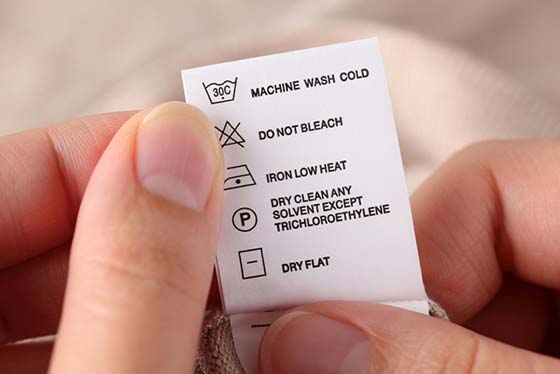
Never store unwashed jerseys—dried sweat and grass stains become permanent within months. Start with a cold water wash (30°C/86°F maximum) using gentle detergent formulated for athletic fabrics. Skip fabric softeners entirely as they break down moisture-wicking properties and cause logo cracking. Air-dry flat on clean towels away from direct sunlight—you’ll ruin heat-sensitive prints in just 20 minutes of dryer heat. For delicate game-worn pieces, avoid washing altogether and consult a textile conservator instead.
Stain Treatment Rules
Pre-treat stubborn stains before washing using enzyme-based removers for protein stains like blood or sweat. Oxygen bleach works best for colored grass or mud marks on colored jerseys. Always test any product on an inside seam first—harsh chemicals can bleach logos permanently. Document untreated stains that are part of your jersey’s history, especially for match-worn pieces where authenticity matters more than perfection.
Complete Drying Process
Damp jerseys develop mildew within 48 hours, so ensure absolute dryness before storage. Lay flat on fresh towels, reshaping sleeves and hem to original dimensions. Flip after 12 hours to expose hidden moisture in thick embroidery areas. Press between dry towels to absorb residual moisture from heat-transferred numbers. Verify dryness by touching underarm and collar areas—these spots retain moisture longest and cause yellowing first.
Storage Environment Setup

Temperature and Humidity Control
Store jerseys at 15-20°C (59-68°F) with 35-50% humidity—fluctuations cause fabric expansion that creates permanent creases. Avoid basements (typically 60-70% humidity) and attics (temperatures exceeding 38°C/100°F in summer). Your spare bedroom closet often provides ideal stable conditions. Invest in a $15 hygrometer to monitor levels—when humidity exceeds 50%, add silica gel packets immediately to prevent mildew outbreaks.
Light Elimination Tactics
UV rays destroy jersey colors in months, not years. Store in complete darkness using interior closets without windows. If your storage area has light exposure, install blackout curtains or UV-filtering window film. Never use clear plastic bins for long-term storage—they create a greenhouse effect that accelerates fading. For display-worthy pieces, choose UV-protective acrylic cases with ventilation holes instead of standard shadow boxes.
Air Circulation Methods
Stagnant air promotes mildew growth in hidden folds. Avoid sealing jerseys in airtight plastic containers—opt for breathable cotton garment bags or acid-free boxes with small ventilation gaps. Place storage containers at least 5cm (2 inches) away from walls to allow air movement. In humid climates, include activated charcoal packets alongside silica gel to absorb both moisture and odors naturally.
Folding vs Hanging Decisions
Proper Folding Technique
Lay your soccer jersey face-down on clean cotton sheets to prevent snagging. Fold sleeves straight across the back, creating sharp lines from shoulder to hem. Fold the bottom third up, then the top third down to form a compact rectangle. Place acid-free tissue paper between each fold, especially over numbers and patches—this prevents sticking and crease formation. For heavy embroidery, add extra tissue at stress points like collar seams.
When to Hang Instead
Hanging works only for short-term storage (under 2 years) or jerseys with delicate embellishments. Use wide, padded hangers designed specifically for knits—never wire hangers that create permanent shoulder bumps. Space jerseys 5-8cm (2-3 inches) apart to prevent compression damage. Remove hanging jerseys annually to refold along different lines, preventing gravity-induced stretching that distorts the neckline over time.
Refolding Schedule
Every 12 months, refold your stored jerseys along new lines to prevent permanent creasing. This crucial step also lets you inspect for hidden damage like moth holes or mildew spots. Mark your calendar—set phone reminders if managing multiple jerseys. During refolding, replace silica gel packets and check for any odor development that indicates early mildew growth.
Container Selection Guide
Archival Box Options
Choose acid-free, lignin-free boxes designed specifically for textile storage—not standard moving boxes that transfer yellowing chemicals. Standard sizes accommodate 3-5 folded jerseys each with space for protective tissue. Label boxes clearly with contents and storage date using archival-safe markers. For high-value jerseys, dedicate individual boxes to prevent contact damage between items.
Breathable Garment Bags
Unbleached cotton or muslin bags protect individual jerseys better than plastic alternatives. Avoid dry cleaner’s plastic bags—they trap moisture and cause yellowing within 6 months. For autographed jerseys, use UV-protective display cases with ventilation instead of bags. Never store jerseys directly against wood surfaces—place cotton barriers between containers and wooden shelves to prevent acid transfer.
Moisture Control Inserts
Include 2-3 silica gel packets per storage container and replace them quarterly or when they change color. In high-humidity areas, supplement with activated charcoal to absorb both moisture and odors. Check packets monthly—swollen packets indicate excessive moisture that requires immediate container ventilation. For vintage jerseys, use color-changing silica gel that visually signals when replacement is needed.
Special Jersey Categories
Authentic vs Replica Storage
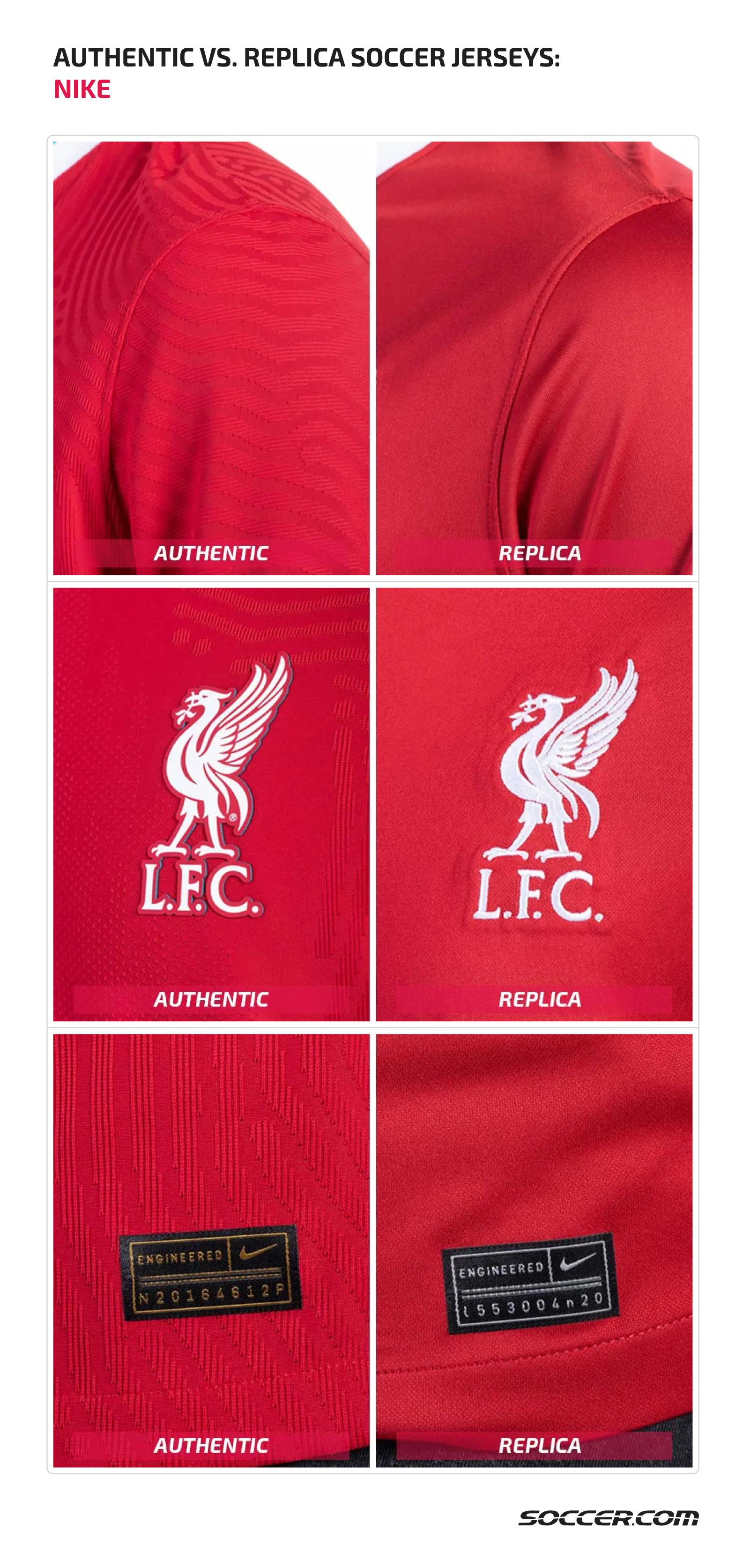
Store authentic (player-issue) jerseys separately from replicas using individual archival boxes. Document distinguishing features like holograms, tag variations, or custom patches that verify authenticity. For match-worn jerseys with intentional stains, skip cleaning and consult a textile conservator—they require specialized preservation techniques that differ from standard care.
Autographed Jersey Protection
Ensure signatures are completely dry (minimum 48 hours) before storage to prevent smudging. Cover signed areas with acid-free paper to prevent ink transfer onto adjacent fabrics. Store autographed jerseys vertically in custom-cut acid-free boxes rather than folding—this maintains signature visibility while preventing creases across the autograph area.
Vintage Care Requirements
Pre-1990 jerseys often contain natural fibers requiring different care. Store them at cooler temperatures (12-15°C/54-59°F) with extra pest protection. Use lavender sachets or cedar blocks for natural moth prevention, keeping them 5cm (2 inches) from fabric. Inspect vintage jerseys every 3-4 months—natural fibers deteriorate faster than modern synthetics and show damage earlier.
Common Storage Mistakes
Environmental Errors to Avoid
- Basement storage: Causes yellowing from humidity within 18 months
- Attic storage: Creates permanent creases from temperature swings
- Plastic bags: Traps moisture leading to mildew outbreaks
- Regular cardboard: Transfers acids causing irreversible yellowing
Physical Damage Prevention
Overcrowding causes permanent creasing that becomes visible after 2 years. Wire hangers create shoulder distortion that stretches necklines irreversibly. Stacking heavy items compresses jersey fibers, causing permanent loss of shape. Direct contact with wooden shelves transfers tannins that stain light-colored fabrics—always use cotton barriers.
Damage Recovery Steps
Addressing Storage Issues
If you discover problems during inspections:
– Yellowing: Consult professional conservators—home remedies often worsen damage
– Mildew: Requires immediate professional cleaning; DIY methods spread spores
– Creases: Steam gently using garment steamer, never iron directly on prints
– Odors: Air out for 3-5 days with activated charcoal nearby
Never attempt home cleaning on valuable jerseys—improper techniques can destroy authentication value. For jerseys valued over $500, maintain relationships with textile conservation professionals who specialize in sports memorabilia.
Long-Term Timeline Management
Storage Duration Guidelines
- 1-2 years: Standard acid-free boxes suffice with biannual inspections
- 3-5 years: Implement full archival protocols with individual wrapping
- 5+ years: Consider professional storage facilities or dedicated climate room
Document everything—future buyers want proof of proper storage conditions. Maintain consistent environmental logs showing temperature and humidity stability. Keep original purchase receipts and authentication certificates in separate, fireproof storage to verify provenance when selling.
Final Preservation Note: Knowing how to store soccer jersey long-term transforms basic storage into museum-quality preservation. Start with your most valuable jersey—implement these techniques gradually as your collection grows. The extra 20 minutes spent on proper folding and container selection today prevents heartbreaking damage that can’t be reversed tomorrow. Your jerseys represent more than fabric—they’re tangible memories worth protecting for generations.

I come from the “soccer heart” of Germany, the Ruhrpott. I have played, trained and followed soccer all my life and am a big fan of FC Schalke 04. I also enjoy following international soccer extensively.