The Best Way to Remove Grass Stains from Soccer Jerseys
To remove grass stains from a soccer jersey, you need cold water, rubbing alcohol, and an enzyme cleaner. Turn the jersey inside out, rinse the stain from the back with cold water, then apply rubbing alcohol to break the chlorophyll bond. Follow with an enzyme stain remover, wash alone in cold water, and always air dry. Heat from hot water or a dryer will permanently set the stain.
Most people grab the hottest water they can find. They scrub. They toss the damp jersey into the dryer hoping for the best. A day later, that vibrant green smear has turned into a faint, permanent yellow shadow right over the club crest. The stain wins because heat sets it, and chlorophyll bonds to synthetic fibers like polyester with a chemical grip.
This guide walks through the exact sequence that works on fresh stains and the more aggressive tactics for set-in marks. We will cover what to use on white polyester, how to treat sublimated jerseys without ruining the design, and the one thing you must never do.
Key Takeaways
- Heat is the enemy. Cold water only for rinsing and washing. Never put a jersey with a residual stain in the dryer, the heat will bake it in forever.
- Attack the chlorophyll first. Rubbing alcohol (70% isopropyl) breaks the bond between the green plant pigment and the fabric. Apply it directly before anything else for deep stains.
- Pre-treat every time. Whether it’s liquid detergent, a dedicated enzyme spray, or a vinegar solution, letting a treatment sit for 10–20 minutes before washing is non-negotiable.
- Protect the graphics. Always turn the jersey inside out before washing. This simple step shields screen-printed logos and sublimated designs from abrasion and chemical exposure.
- Wash solo for the first battle. Wash the stained jersey by itself the first time. This prevents stain transfer and lets you verify the stain is gone before mixing it with other laundry.
Why Grass Stains Are a Soccer-Specific Nightmare
Grass stains are not just dirt. They are a combination of chlorophyll, plant proteins, and soil that gets ground into the fabric by friction, a slide tackle, a knee, a dive. Polyester, the fabric in 95% of modern soccer jerseys, has a particular affinity for chlorophyll. The synthetic fibers create a strong bond that plain water and detergent cannot break.
Chlorophyll, the green pigment in grass, binds tightly to polyester fibers. Rubbing alcohol (isopropyl alcohol) dissolves this bond by breaking down the waxy plant cuticle, allowing the stain to be flushed out. This is why alcohol works when soap fails.
The friction from the game presses the stain deeper. This is why a stain from a practice jersey might wash out easily, but a match-day stain from a full-speed slide needs a targeted approach. Treating it wrong, with hot water or by throwing it in the hamper wet, gives the stain days to oxidize and set.
TL;DR: Grass stains on polyester are a chemical bond, not just dirt. You need a solvent like rubbing alcohol to break that bond before cleaning.
The 4-Step Battle Plan for a Fresh Stain
This is your standard operating procedure for a jersey pulled off right after the final whistle. Speed matters. The goal is to stop the stain from setting.
- Rinse from the back with cold water. Turn the jersey inside out. Hold the stained section under a cold tap, pushing the water flow through the fabric from the back side of the stain. This forces the pigment out, not deeper in. Do this for a full minute. Skipping this lets the chlorophyll dry and bond, the stain will set within two hours on a warm day.
- Apply a pre-treatment. While the fabric is still damp, apply liquid laundry detergent directly to the stain. Rub the fabric together gently. For a more aggressive approach, use rubbing alcohol. Let the pre-treatment sit for at least 10 minutes. This dwell time is what most people skip, and it’s why the stain survives the wash.
- Wash alone, inside out, in cold water. Put the jersey in the washing machine by itself. Use a small amount of mild detergent. Select a cold water cycle. Washing it alone prevents any loosened stain particles from depositing on other clothes.
- Air dry and inspect. Hang the jersey up to dry. Do not use the dryer. Once completely dry, check the stain area under good light. If any hint of green or yellow remains, you repeat the process from step two. Putting it in the dryer now makes that faint shadow permanent.
Common mistake: Letting a damp, stained jersey sit in a gear bag overnight, the chlorophyll oxidizes and bonds to the polyester by morning, turning a simple clean into a multi-day salvage project.
Your Stain-Fighting Toolkit: What Actually Works
You do not need expensive specialty products. You need the right chemistry for the job. Here is what to keep in your laundry area.
| Tool | Primary Job | Best Used For |
|---|---|---|
| Rubbing Alcohol (70%) | Breaks the chlorophyll bond | Deep, ground-in stains from slides or tackles |
| Enzyme Stain Remover | Breaks down plant proteins | Follow-up after alcohol; older, set-in stains |
| Liquid Detergent | Lifts and suspends loosened stain particles | Initial pre-treatment on fresh, light stains |
| White Vinegar | Mild acid that helps lift discoloration | Final rinse to remove detergent residue and odor |
| Baking Soda Paste | Gentle abrasive that helps lift surface debris | Dried-on dirt mixed with the grass stain |
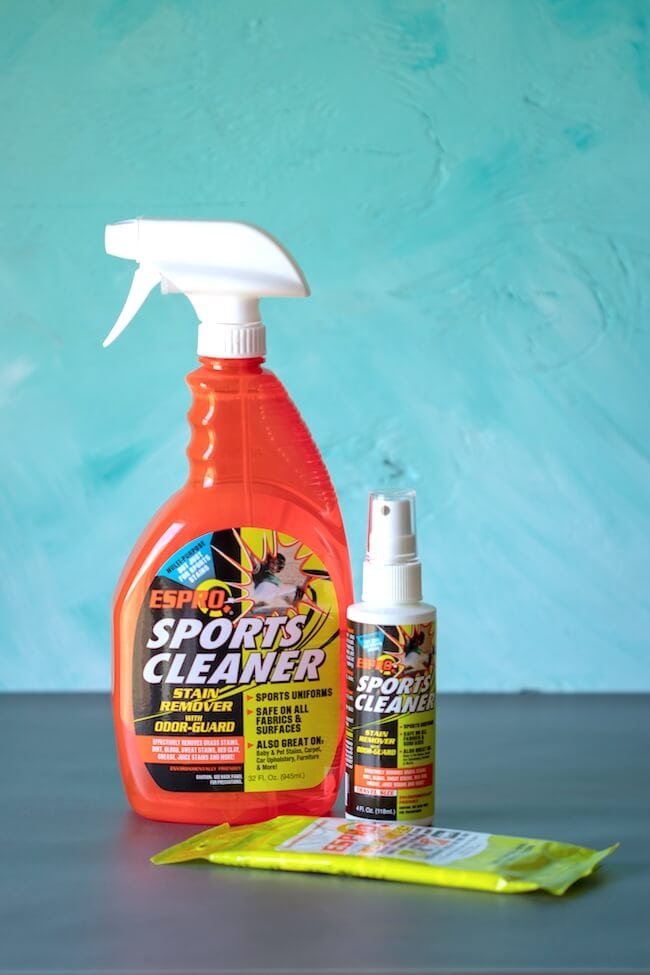
The rubbing alcohol is your first weapon of choice for a reason. It works on the science of the stain. The enzyme cleaner finishes the job. A proper step-by-step cleaning always uses this one-two punch for anything worse than a light brush against the grass.
Keep a travel-sized bottle of rubbing alcohol and a packet of stain wipes in your gear bag. When you cannot get home to rinse, blot the stain with the wipe or a little alcohol on a cloth. It will not clean it perfectly, but it will stop the setting process for 6–8 hours. This is a fundamental part of general jersey care.
TL;DR: Rubbing alcohol and enzyme cleaner are the core combo. Detergent and vinegar are supporters. Have them ready.
How to Treat Set-In and Old Grass Stains
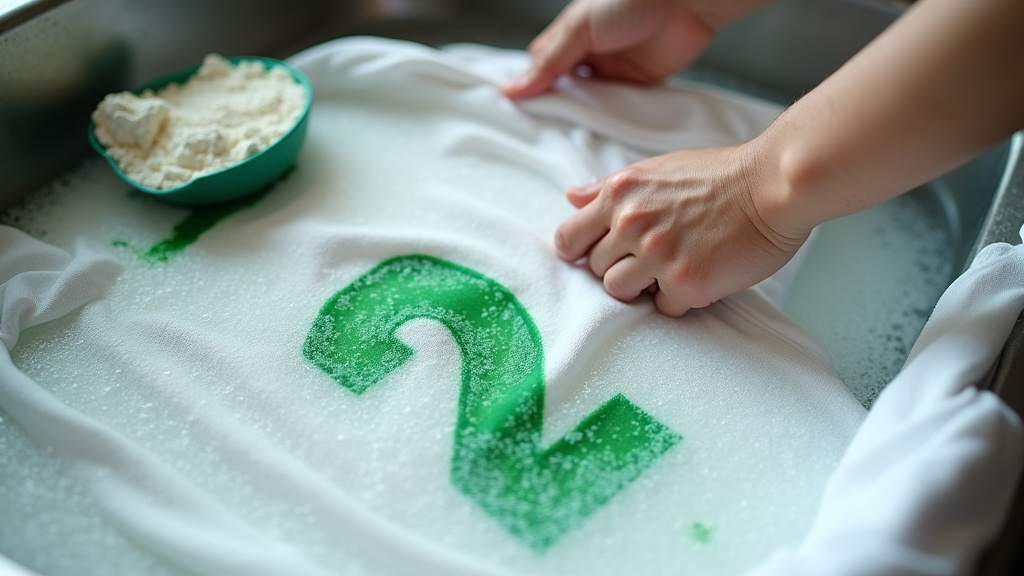
A week-old stain is a different beast. The chlorophyll has bonded, and the proteins have set. You need a longer, more aggressive soak. The sequence changes.
Start with a baking soda paste. Mix baking soda with just enough water to make a spreadable paste. Cover the stain, and let it sit for an hour. The paste will dry. This gentle abrasive action can lift some of the oxidized surface layer. Rinse it off with cold water.
Next, apply rubbing alcohol. Soak the stain. Let it sit for 15 minutes. Follow it with a heavy application of an enzyme stain remover. Let that sit for another 30 minutes.
Now, you need an oxygen bleach soak. This is only for white jerseys. For colored jerseys, skip to the next step.
Before you start: Oxygen bleach can fade some very dark or non-colorfast dyes. Test it on an inside seam first. Do not use chlorine bleach on colored fabrics, it will dissolve the dye.
For white polyester, fill a sink or bucket with the hottest water your tap can produce. Add a scoop of powdered oxygen bleach (like OxiClean). Submerge the jersey. Let it soak for 4–6 hours, or overnight for severe cases. The oxygen bubbles lift the broken-down stain particles from the fibers.
After the soak, run the jersey through a complete cleaning process in the washing machine with cold water. Air dry. You might still see a faint “ghost” of the stain. This is often the protein residue. One more treatment with the enzyme spray and a second wash usually clears it.
The Critical Differences: White, Colored, and Sublimated Jerseys
Not all jerseys are created equal. Your method must adapt to the fabric and decoration type.
White Polyester Jerseys: These give you the most options. You can use the oxygen bleach soak as described. In some cases, diluted chlorine bleach is permissible. The Clorox guidelines state that for white polyester, you can soak the item in a solution of 1/4 cup bleach per gallon of water for 5 minutes, then wash with detergent and 1/3 cup bleach. Never pour full-strength bleach directly on the fabric. It weakens the fibers and creates brittle spots that tear later.
Colored Polyester Jerseys: Bleach is forbidden. Your best friends are rubbing alcohol, enzyme cleaners, and color preservation techniques. Always wash inside out on a cold, gentle cycle. Using a uniform-safe detergent designed for colors is a smart move here to prevent fading.
Sublimated Jerseys: The design is dyed into the fabric. This makes the color resistant to running, but the fabric can be delicate.
– Always wash inside out.
– Use cold water and a mild detergent.
– Avoid fabric softener, it coats the fibers and can dull the vibrant print.
– Never use bleach, vinegar, or rubbing alcohol directly on the printed areas. Apply treatments only to the back side of the stain, letting it soak through.
– Air dry only. The heat from a dryer can crack the sublimated ink over time.
The Unforgivable Mistake: The Dryer
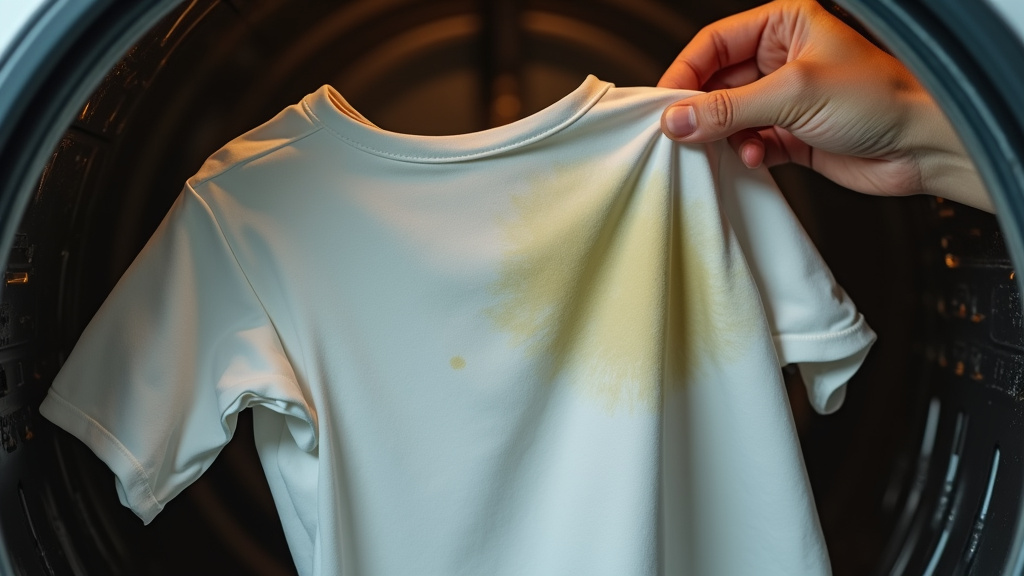
I learned this with a pristine white Germany away jersey. The stain looked gone after the wash. I was in a hurry. Into the dryer it went. When I pulled it out, a perfect yellow-green silhouette of the stain had reappeared, now baked into the fibers. The heat had set what little chlorophyll remained. It was permanent.
I won’t recommend the dryer for any soccer jersey, ever. The glue on heat-transferred badges softens at dryer temperatures. The badges peel or wrinkle. Sublimated prints crack. And any residual stain becomes a fossil. Hang it up. Every single time.
The dryer is not a finishing step for stained athletic wear. It is a sealing mechanism. Consider it off-limits until the jersey is bone-dry and you’ve inspected it in sunlight. This rule is as important as any cleaning soccer shoes or goalkeeper glove care routine.
Preventing Stains and Managing Odor
Grass stains are a fact of life, but you can make them less severe. Some players lightly spray areas like knees, thighs, and sleeves with a fabric protector designed for athletic wear. It does not make you stain-proof, but it can make the initial rinse more effective.
Odor is the other battle. Polyester traps sweat bacteria. A stinky jersey needs a different approach.
– Pre-treat the underarm and collar areas with a paste of baking soda and water before washing.
– Add a laundry sanitizer to the wash cycle.
– Use less detergent than you think, too much leaves a residue that traps smell.
– Never store a damp jersey in a bag. Hang it to air out immediately after the game, even before you can wash it.
This post-game gear care habit keeps your entire kit fresher, from your cleaning muddy cleats to your shin guard cleaning.
TL;DR: Treat stains immediately, never use heat, and always air dry. A little prevention and the right post-game routine keep your jersey in match-ready condition.
Frequently Asked Questions
Can I use bleach on my soccer jersey?
You can use diluted chlorine bleach only on solid white polyester jerseys where the care label permits it, and only if the numbers and logos are screen-printed (not heat-pressed vinyl). For colored or sublimated jerseys, never use chlorine bleach. Oxygen bleach (like OxiClean) is a safer alternative for whites and some colorfast jerseys, but always do a spot test first.
The stain is gone but there’s a yellow shadow. What now?
That “ghost” stain is usually remaining protein or oxidized chlorophyll. Soak the area with an enzyme stain remover for 30 minutes, then wash again in cold water. For white jerseys, an oxygen bleach soak often eliminates this final discoloration. Do not dry the jersey until the yellowing is completely gone.
How do I clean a jersey with a heat-pressed badge or vinyl number?
Be extremely gentle. Turn the jersey inside out. Avoid applying rubbing alcohol or vinegar directly on the front of the badge, as it can degrade the vinyl or adhesive. Pre-treat stains from the inside of the jersey. Wash in cold water on a gentle cycle and always air dry. Heat from the dryer is the fastest way to peel or crack these decorations.
What’s the fastest method if I don’t have specialty products?
Rinse the stain from the back with cold water. Then, pour a small amount of liquid dish soap (the plain blue kind) directly onto the stain. Rub gently. Dish soap is a degreaser that can break down the waxy chlorophyll. Let it sit for 15 minutes, then rinse thoroughly and wash the jersey alone in cold water. Air dry.
How should I store my clean jersey to keep it fresh?
After ensuring it is stain-free and completely dry, store it in a cool, dry place away from direct sunlight. Do not store it in a plastic bag, as this can trap moisture and cause mildew. For long-term storage, consider a cotton garment bag or simply fold it and place it in a drawer. This is similar to the care you’d give after proper glove drying or maintaining shin guards.
The Bottom Line
Grass stains do not have to ruin your favorite jersey. The formula is simple: cold water first, attack the chlorophyll with alcohol, break down the proteins with an enzyme cleaner, wash in cold, and never, ever apply heat until the stain is invisible. This approach works for the mud on your footwear maintenance routine and the sweat in your gear hygiene practices.
Your kit represents the game. Keep it clean, keep it bright, and it will last for seasons of memories. Now grab that stained jersey from the hamper and give it the cold wash it deserves.

I come from the “soccer heart” of Germany, the Ruhrpott. I have played, trained and followed soccer all my life and am a big fan of FC Schalke 04. I also enjoy following international soccer extensively.