Top 10 Most Followed Soccer Players on Instagram in
The most followed soccer players on Instagram are led by Cristiano Ronaldo with 671 million followers and Lionel Messi with 511 million, followed by Neymar Jr., Kylian Mbappé, and a mix of active stars and retired legends like Ronaldinho. These numbers, based on 2026 projections, represent not just fame but a direct pipeline to commercial deals worth tens of millions per year.
Most people look at these follower counts and just see big numbers. They miss the real story. The gap between first and third place is bigger than the entire population of the United States. A retired player who hasn’t kicked a competitive ball in years can still out-rank the current Ballon d’Or holder. This isn’t a simple popularity contest. It’s a carefully managed economy of attention, where every post has a price tag and a global strategy.
Let’s break down the 2026 list, examine why these specific athletes dominate, and uncover what their Instagram empires actually mean for the future of sports marketing.
Key Takeaways
- Cristiano Ronaldo and Lionel Messi operate in a stratosphere of their own, with a combined 1.18 billion followers that eclipse the rest of the top 10 combined.
- Retired legends like Ronaldinho and David Beckham prove that Instagram influence is durable, often outlasting an athlete’s peak playing years.
- Follower count is a vanity metric; engagement rate and the geographic spread of an audience are the real keys to commercial value.
- A player’s content mix, family, fitness, fashion, football, is a deliberate branding choice, not random posting.
- Major sporting events like the World Cup cause follower growth spikes that can add tens of millions in a single month.
The 2026 Top 10 List: Followers & Trends
Forget estimates. The data from IBTimes for February 2026 gives us a concrete snapshot. The hierarchy is both predictable and full of surprises.
The sheer scale is the first thing that hits you. Ronaldo’s 671 million means nearly one in every eleven Instagram users follows him. Messi’s 511 million is a kingdom in itself. Then the drop-off is steep. The battle for third place is fierce, but it’s a battle for a distant bronze.
Instagram’s 2.5 billion monthly active users form the arena where these athletes compete for attention. The platform’s visual nature and global reach make it the undisputed champion for sports personal branding, far surpassing Twitter or Facebook for direct fan connection.
Here is the definitive ranking, with the context that turns numbers into a narrative.
| Rank & Player | Instagram Handle | Followers (Feb 2026) | The Context |
|---|---|---|---|
| 1. Cristiano Ronaldo | @cristiano | 671 Million | The most-followed individual on the planet. A brand that transcends sport. |
| 2. Lionel Messi | @leomessi | 511 Million | Owner of the most-liked post ever (75M+ likes). Global reverence post-World Cup. |
| 3. Neymar Jr. | @neymarjr | 233 Million | The lifestyle king. Growth is driven by off-pitch charisma as much as skill. |
| 4. Kylian Mbappé | @k.mbappe | 130 Million | The heir apparent. The fastest-rising star among the current elite. |
| 5. Ronaldinho | @ronaldinho | 78 Million | The retired maestro. Proof that joy and legacy have lasting digital currency. |
| 6. Karim Benzema | @karimbenzema | 75 Million | The late-blooming icon. Followership surged with his Ballon d’Or win. |
| 7. Sergio Ramos | @sergioramos | 67.6 Million | The defender with striker-level appeal. Built on passion and a recognizable face. |
| 8. Mohamed Salah | @mohsalah | 66 Million | Egypt’s pride. A regional following that makes him a commercial powerhouse in MENA. |
| 9. Vinícius Júnior | @vinijr | 58 Million | The entertainer. His growth curve mirrors his rise as Real Madrid’s main threat. |
| 10. Erling Haaland | @erling | 40 Million | The scoring machine. A relatively quiet persona but immense performance-driven growth. |
TL;DR: Ronaldo and Messi are untouchable galactic entities. Everyone else is fighting for third in a different league, where retired legends can still dominate current superstars.
The Active vs. Retired Dynamic
This is the part most analyses gloss over. Look at Ronaldinho at number five. He’s been retired for years. His content isn’t match highlights or training clips. It’s nostalgia, smiles, and occasional festival matches. Yet he sits above active Ballon d’Or winners and Champions League captains.
Why? Charisma has a half-life longer than athleticism. The digital footprint of a player’s peak years, those iconic moments, that unique style, continues to attract new, younger fans discovering football history. David Beckham, though just outside this top 10, is another prime example. His follower count is a monument to a career expertly extended into fashion and culture.
Common mistake: Assuming an athlete’s Instagram influence fades when they retire, the opposite is often true. A retired legend’s feed becomes a curated museum of their career, attracting a steady stream of nostalgic fans and new admirers, often stabilizing their follower count for a decade.
The presence of these legends reshapes how we think about a player’s long-term commercial value. It’s no longer just about their next contract.
Why These Players Rule Instagram
Follower counts don’t magically appear. They are the result of specific, often replicable, strategies. It’s a mix of global achievement, personal brand alchemy, and understanding the platform’s mechanics.
First, you need a hook. For Ronaldo and Messi, it’s two decades of being the best in the world. For Mbappé, it’s the audacity of being the heir. For Salah, it’s the pride of a continent. The on-pitch narrative is the foundation. But the house is built with content.
Ronaldo’s feed is a monument to discipline. You see the six-pack, the tailored suit, the private jet, the family moment framed like a magazine shoot. It’s aspirational perfection. Every post reinforces the CR7 brand: relentless, luxurious, victorious. Messi, in contrast, feels more intimate. There are more pictures of his kids, quieter celebrations. It’s the difference between a global CEO and a beloved artist. Both strategies work because they are authentic to their personalities.
Neymar is the outlier. His feed is a carnival. Parties, flashy cars, music videos, and football tricks. It’s high-risk, high-reward. It attracts a younger, more entertainment-focused demographic that might not watch a full Ligue 1 match but will watch his Instagram Stories.
The Content Blueprint
Let’s map what actually works. This isn’t guesswork.
| Content Type | Player Example | Why It Works |
|---|---|---|
| Family & Personal Life | Lionel Messi | Humanizes the icon. Builds emotional, lasting connection beyond sports fandom. |
| Training & Fitness | Cristiano Ronaldo | Reinforces the myth of hard work. Directly appeals to the global fitness community. |
| Fashion & Lifestyle | Neymar Jr., David Beckham | Extends brand into lucrative industries. Attracts non-football sponsorship deals. |
| Behind-the-Scenes | Kylian Mbappé | Offers exclusive access. Makes fans feel like insiders. |
| Nostalgic / Fun | Ronaldinho | Pure, positive emotion. Low-pressure, high-engagement content that algorithms love. |
The players who stagnate are the ones who only post generic match-day photos from the team’s media bank. The ones who grow understand Instagram is a channel for their personality, not just their profession.
TL;DR: Dominance on Instagram requires translating on-field excellence into a distinct, consistent personal brand across four key content areas: family, fitness, fashion, and fun.
How Follower Counts Translate to Cash
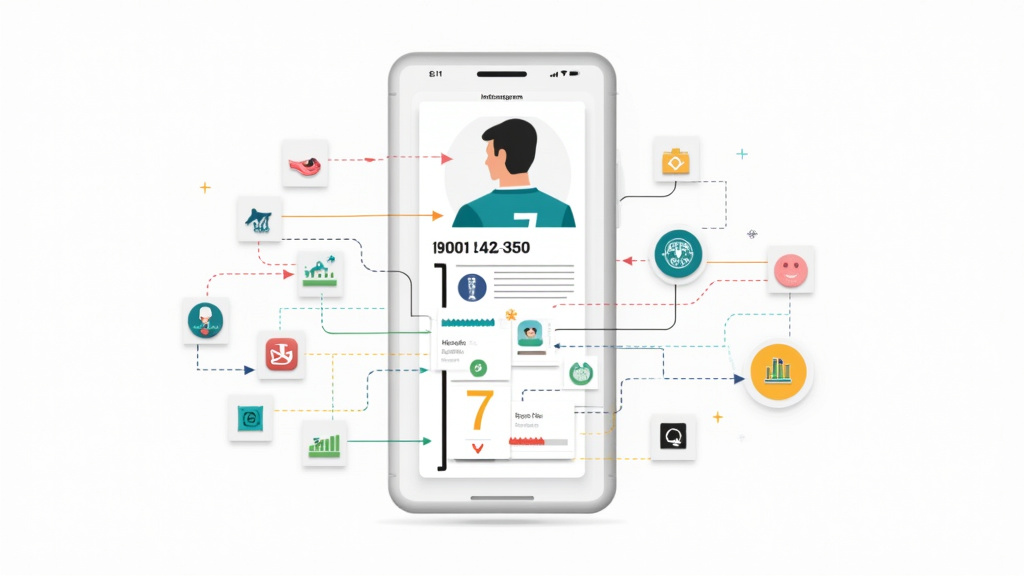
This is the engine room. Those follower numbers aren’t just for bragging rights. They are a direct line to a player’s bank account, often surpassing their club salary. The math is straightforward: more followers equals higher sponsorship fees.
A report from HypeAuditor on athlete influence breaks down the valuation. While exact 2026 figures are proprietary, the model is consistent. A player’s per-post sponsorship rate is a function of their follower count, engagement rate, and audience quality. Ronaldo and Messi can command well over a million dollars for a single branded post. For context, that’s more than many top players earn in a week from their clubs.
But it’s not linear. Mohamed Salah’s 66 million followers might be more commercially valuable in the Middle East and North Africa than a player with 80 million followers spread thinly across the globe. Advertisers pay a premium for concentrated, demographically perfect audiences. This is why understanding the geographic distribution of followers, a gap in most public analyses, is critical.
I used to think the biggest star got the biggest deal. Then I saw the regional sponsorship contracts. A top European beer brand will pay Ronaldo a fortune for a global campaign. An Egyptian telecom company will pay Salah a comparable amount for exclusive rights in his home market. His follower count isn’t just a number; it’s a targeted demographic weapon.
The commercial landscape also explains the rise of specific player categories. The fashion-forward player (Beckham, Neymar) attracts luxury brands. The family man (Messi) attracts consumer goods and family-oriented products. The fitness fanatic (Ronaldo) attracts sportswear and nutrition companies. Their content subtly primes their audience for these partnerships.
The takeaway? Follower count sets the ceiling, but engagement and audience composition set the price.
The Future: Who’s Next to Join the Top 10?
The 2026 list isn’t static. Looking at the trajectory, a few names are on the cusp of breaking in. This isn’t about skill alone; it’s about marketability, narrative, and digital savvy.
Jude Bellingham is the obvious candidate. His move to Real Madrid, his iconic celebration, and his mature-beyond-his-years demeanor are perfect for the platform. He’s building a brand of cool, confident excellence. Phil Foden has the on-pitch magic and the relatable “local boy made good” story. His challenge is curating a more distinctive personal feed.
Beyond them, look for the next global phenom from an untapped market. A superstar from India or the United States who cracks football at the highest level would see a follower explosion that defies all current models. The growth would be vertical.
The other trend is the continued blurring of lines. Players are becoming media companies. They launch production studios, podcast networks, and clothing lines. Their Instagram becomes the hub for all these ventures. The follower count becomes the asset that fuels the entire empire, far beyond a few sponsored posts.
This evolution is what separates today’s stars from the legends of the 2026 season. It’s no longer enough to be the best on the pitch. You must be a compelling storyteller off it.
Frequently Asked Questions
Who has more followers, Ronaldo or Messi?
As of the 2026 data, Cristiano Ronaldo leads with 671 million Instagram followers. Lionel Messi follows with 511 million. Ronaldo has held the top spot among individuals for several years.
Is Neymar more popular than Mbappé on Instagram?
Yes, by a significant margin in 2026. Neymar Jr. has 233 million followers, while Kylian Mbappé has 130 million. Neymar’s longer career, flamboyant personality, and broader lifestyle content have built a larger, more entertainment-focused audience.
Why is retired player Ronaldinho still in the top 5?
Ronaldinho’s enduring popularity stems from the joyful, iconic style of his play, which resonates across generations. His Instagram feed capitalizes on nostalgia and positive, fun content, attracting fans who may not follow current leagues but celebrate football’s history and culture.
How much do these players earn from Instagram?
While exact figures are private, industry estimates suggest top players like Ronaldo and Messi can earn over $1 million per sponsored post. Earnings scale with follower count, engagement rate, and the specific demographics of their audience.
Who is the fastest-growing soccer player on Instagram?
Based on recent trajectories, Kylian Mbappé and Vinícius Júnior are among the fastest-growing. Mbappé’s status as the face of the new generation and Vinícius’s rise as a global entertainer at Real Madrid drive consistent, high-volume follower acquisition.
Do women’s soccer players have comparable Instagram followings?
Not yet at this scale. The top women’s players, like Alex Morgan or Sam Kerr, have followers in the tens of millions, significant, but an order of magnitude below the top men. This reflects disparities in global media coverage and investment, though the gap is slowly narrowing.
The Bottom Line
The list of the most followed soccer players on Instagram is more than a ranking. It’s a real-time map of global sporting culture, commercial power, and personal branding. Ronaldo and Messi are galaxies unto themselves, but the stories below them, the rise of Mbappé, the lasting power of Ronaldinho, the regional dominance of Salah, are just as fascinating.
Forget just watching the matches. Watch their feeds. The goals they score on the pitch are worth three points. The connections they build online are worth hundreds of millions. That’s the modern game.
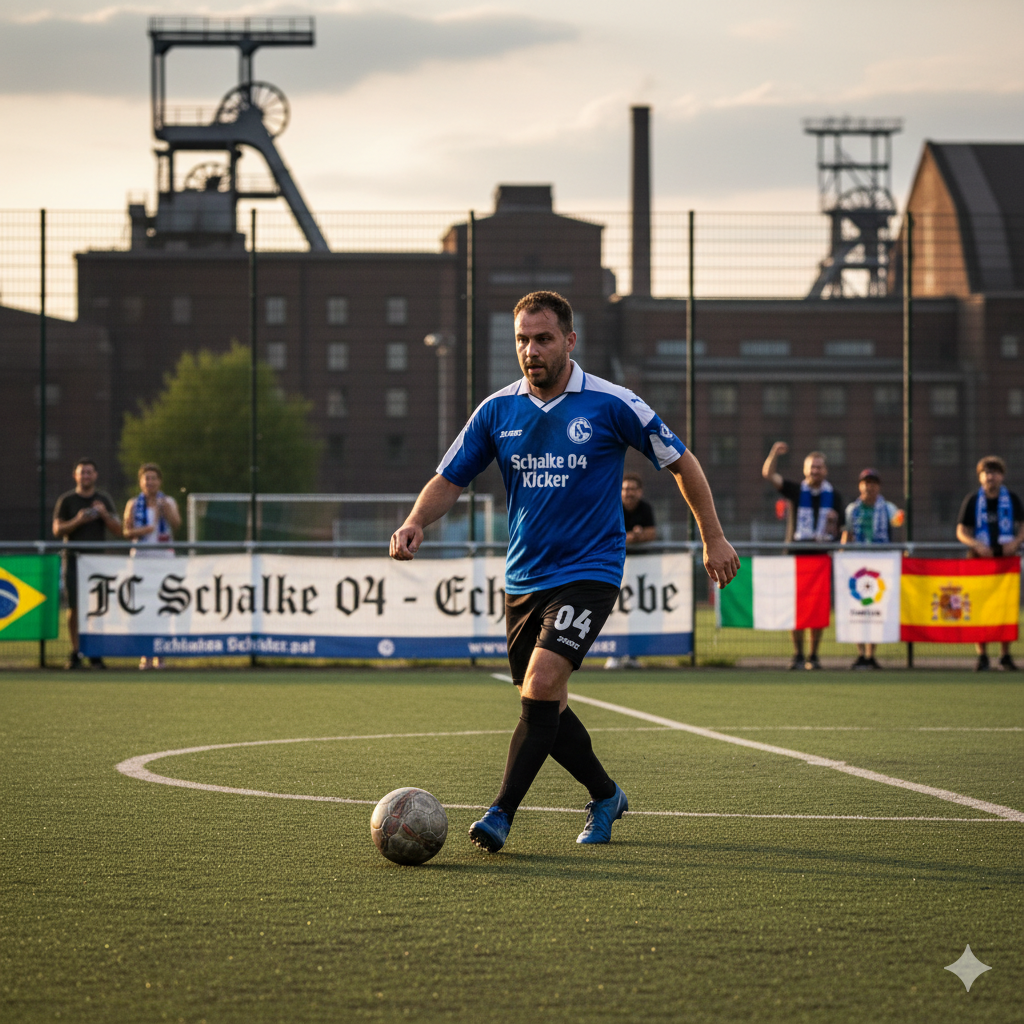
I come from the “soccer heart” of Germany, the Ruhrpott. I have played, trained and followed soccer all my life and am a big fan of FC Schalke 04. I also enjoy following international soccer extensively.