Soccer Overtime Rules: How It Works and Best Matches Ever
Overtime in soccer, called extra time, is a 30-minute period played after a knockout match ends in a draw. It consists of two 15-minute halves, followed by a penalty shootout if the tie persists. This rule applies in tournaments like the World Cup and Champions League where a winner must be decided.
Most people confuse extra time with the minutes a referee adds for stoppages at the end of each half. That’s added time, or injury time. They are different clocks for different reasons. Mixing them up means you’re watching the wrong countdown.
This guide breaks down the current extra time rules, when they trigger, and the brutal tiebreaker that follows. We’ll also walk through the matches where those 30 minutes wrote history, the goals, the misses, and the sheer physical cost of playing beyond the 90.
Key Takeaways
- Extra time is 30 minutes total, split into two 15-minute halves, and is only used in knockout matches that are tied after regulation.
- The terms “extra time” and “overtime” refer to this period, while “added time” or “stoppage time” is compensation for delays within the 90-minute regulation.
- If the match is still tied after 120 minutes, a penalty shootout decides the winner, starting with five kicks per team.
- The “golden goal” rule, where the first scorer in extra time wins instantly, was abolished from major competitions after 2004.
- Playing extra time has a measurable physical toll; teams that advance after 120 minutes have a statistically lower chance of winning their next tournament match.
How Long is Extra Time and When Is It Played?
Extra time lasts for 30 minutes. The format is two halves of 15 minutes each. There’s a short break, usually around five minutes, after the regulation 90 minutes before it starts, and a one-minute interval between the two extra-time halves.
The current extra time format mandates a full 30 minutes of play regardless of when a goal is scored. This replaced the “golden goal” and “silver goal” systems, which allowed for sudden-death endings within the period.
You only see these 30 minutes in matches that must produce a winner. That means the knockout stages of tournaments: World Cup finals, Champions League rounds after the group stage, domestic cup finals like the FA Cup, and continental championships like the Euros. In league play or group stages, a draw is a valid result and no extra time is played.
The referee adds stoppage time at the end of each 15-minute half of extra time, just like in regulation. This compensates for injuries, substitutions, or other delays during the period itself. Don’t expect another 30 minutes on top of that, though.
TL;DR: Extra time is two 15-minute halves, triggered only in knockout matches tied after 90 minutes.
Extra Time vs. Stoppage Time: The Clock You’re Actually Watching
This is the single most common point of confusion for new fans. They hear “added time” and think of the extra 30 minutes after a draw. The terms refer to different things.
- Stoppage Time (Added/Injury Time): Minutes added by the referee to the end of each 45-minute half to make up for time lost to substitutions, injuries, goal celebrations, VAR checks, or deliberate time-wasting. This time is part of the regulation 90-minute match.
- Extra Time (Overtime): A separate, additional 30-minute period played after the regulation 90 minutes plus its stoppage time have concluded, because the knockout match is tied.
Think of it as two layers. The first layer is the 90-minute game, which can be stretched to 94 or 95 minutes by stoppage time. The second layer is the extra 30-minute period, which only appears if the first layer ends with equal goals.
Common mistake: Using “extra time” to describe the minutes shown on the fourth official’s board at the end of a half, that’s stoppage time. Confusing them means you’ll misunderstand broadcast commentary and match reports.
The calculation of injury time has become less predictable in the VAR era. Longer checks for potential penalties or offside decisions routinely add two or three minutes to a half that might have had only one minute for substitutions. Referees are instructed to account for every second of these stoppages.
Why 30 Minutes? The History of Golden Goals and Sudden Death
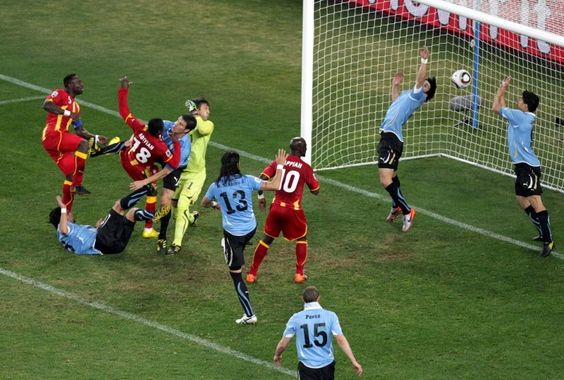
The 30-minute standard wasn’t always the rule. For a decade, tournaments experimented with ways to reduce player fatigue and create more dramatic endings. It backfired.
The “golden goal” rule was introduced in the 1990s. The first team to score at any point during extra time won the match immediately. No second half was played. The idea was to encourage attacking football. In practice, it made teams terrified of conceding. They parked the bus. Extra time became a cautious, grim stalemate where the first mistake meant instant elimination.
I watched the 2002 World Cup round of 16 match between Senegal and Sweden decided by a golden goal. The tension was unbearable, but the football was terrible. Both teams stopped trying to create chances after the 100-minute mark. They waited for penalties. The goal that finally came felt like a relief, not a celebration.
The “silver goal” was a brief compromise. If a team led at the end of the first 15-minute half of extra time, they won. If not, the second half was played. This was used in the 2003 UEFA Cup final and the 2004 European Championship. It was confusing for fans and players alike and was scrapped by 2005.
FIFA and UEFA reverted to the full 30-minute period because it’s fairer. Both teams get a full half to chase the game, even after conceding. The tactical battle evolves. The physical and mental strain becomes part of the story. It’s brutal, but it’s definitive.
| Extra Time Format | Years in Use | How It Ended | Last Major Final |
|---|---|---|---|
| Golden Goal | 1996–2004 | First goal wins match | Euro 2004 (Greece vs. Portugal) |
| Silver Goal | 2002–2004 | Lead at halftime wins | Euro 2004 (semifinals) |
| 30-Minute Full Period | Pre-1996, Post-2004 | Full 30 minutes always played | All current tournaments |
The Physical and Tactical Reality of Playing Extra Time
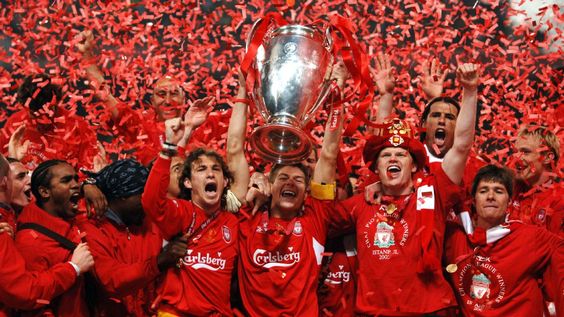
Coaches hate extra time. It wrecks their plans for the next match. The data shows it.
A study of World Cup and European Championship tournaments from 2002 to 2018 found that teams winning a knockout match in extra time were 40% less likely to win their next match in the same tournament, compared to teams that won in regulation. The drop-off is even steeper if the match goes to penalties. The physical depletion is real.
Players cover roughly 10–12 kilometers in a standard match. Add 30 minutes of high-intensity extra time, and that distance jumps by 3–4 km. The muscle glycogen stores are emptying. Dehydration risk spikes. Cramps set in during the second half of extra time, you’ll see players going down with 5 minutes left, grabbing their hamstrings.
This is why the extra substitution rule exists. Teams are allowed one additional sub during extra time, making a potential total of four changes in the match (up from the standard three). Smart managers use it for a fresh midfielder or a pacy winger who can exploit tired legs. Others use it for a specialist penalty taker in the final minutes.
The tactical approach splits into two schools. Some teams, like Germany under Joachim Löw, would push aggressively in the first 15 minutes, trying to settle the tie before fatigue became overwhelming. Others, like Diego Simeone’s Atlético Madrid, would structure the entire 30 minutes as a defensive block, conserving energy and betting everything on the penalty shootout. Both strategies have won Champions League finals.
I’ve played in amateur cup matches that went to extra time. The last 10 minutes aren’t about skill. They’re about which team has someone who can still stand up and make a run. The ball becomes heavy. Your vision narrows. You stop hearing the crowd.
What Happens After the 120th Minute? The Penalty Shootout
If the score is level after the full 30 minutes of extra time, the match proceeds to a penalty shootout. This is not part of extra time. It is a separate tie-breaking procedure.
The shootout follows a specific sequence:
1. The referee chooses which goal to use via a coin toss.
2. Each team selects five different players to take kicks.
3. Teams alternate kicks. If one team gains an unbeatable lead before five rounds are complete, they win.
4. If scores are level after five kicks each, the shootout goes to “sudden death.” Teams continue alternating kicks until one scores and the other misses in the same round.
All players on the pitch at the end of extra time are eligible to take a penalty. Goalkeepers can take kicks as well. The order of kickers is submitted to the referee before the shootout begins.
Common mistake: Believing the “best” penalty takers should go first. Statistically, the first kick is the most pressurized. Many coaches now put their most mentally resilient player, not necessarily their best technician, in the first slot. The fifth kicker often takes the potential winner, which is a different kind of pressure.
The psychological weight of a shootout is immense. It’s an individual duel within a team framework. The walk from the center circle to the penalty spot is about 40 meters. It feels longer. The goalkeeper’s job is to delay, to stretch that walk, to get inside the taker’s head. I’ve seen seasoned internationals visibly shake during that walk.
The Anatomy of a Penalty Shootout
The rules are precise, but the drama is human.
- The Ball: Must be placed on the penalty mark (12 yards from the goal line).
- The Goalkeeper: Must remain on the goal line between the posts until the ball is kicked. They can move laterally along the line.
- Other Players: Must remain inside the center circle until the kick is taken.
- Retakes: Ordered if the goalkeeper illegally comes off the line before the kick and the taker misses, or if both the kicker and goalkeeper infringe simultaneously.
Shootouts are often described as a lottery. That’s only partly true. Preparation matters. Teams like Germany and Argentina have historically high success rates because they train for the scenario, the walk, the wait, the silence. England’s historical struggles, conversely, were rooted in a cultural aversion to practicing what was seen as a “luck-based” outcome. That changed after Gareth Southgate’s management.
Five Matches That Defined Extra Time
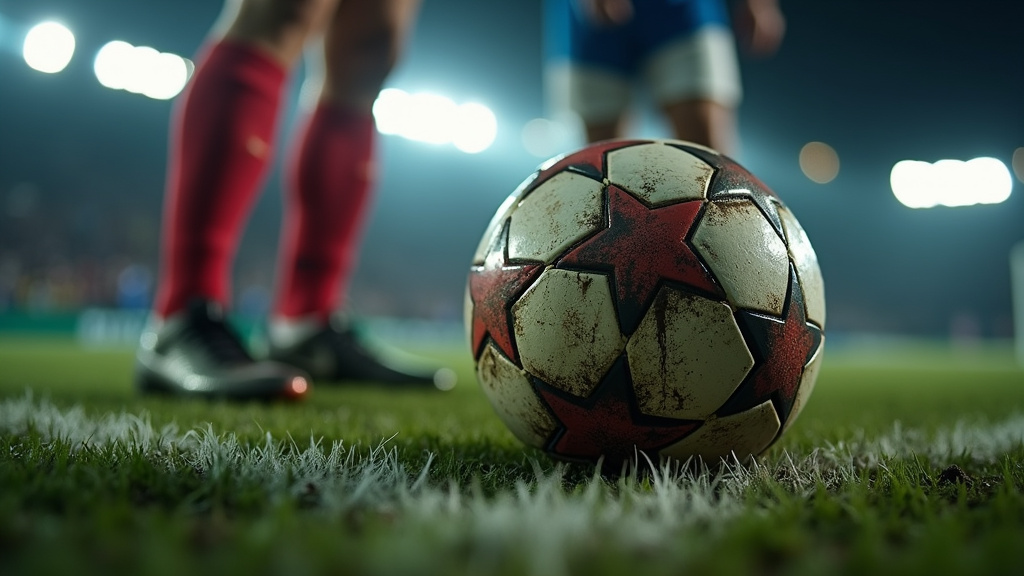
Some matches are remembered for what happened in the 90 minutes. These are remembered for what happened after.
1. 1999 UEFA Champions League Final: Manchester United vs. Bayern Munich
The ultimate “Fergie Time” miracle. Trailing 1–0 from a sixth-minute goal, United played through three minutes of stoppage time. Then they reached extra time. Teddy Sheringham equalized in the 91st minute. Ole Gunnar Solskjær won it in the 93rd. This match is why stoppage time and extra time are forever linked in drama, but also why you must distinguish them. The goals came in stoppage time, not extra time. It’s a masterclass in why the clock matters.
2. 2006 FIFA World Cup Final: Italy vs. France
A 1–1 draw after 90 minutes. Extra time was dominated by one moment: Zinedine Zidane’s headbutt on Marco Materazzi in the 110th minute. The match was already stretched, nerves frayed. The iconic red card for the tournament’s best player shifted the psychological balance. Italy held on through the remaining 10 minutes and won on penalties. This extra time period is a lesson in how discipline evaporates with fatigue.
3. 2014 FIFA World Cup Final: Germany vs. Argentina
Goalless after 90 minutes. The extra time was a war of attrition. Both teams had clear chances but couldn’t finish. You could see the cramps setting in on both sides. Then, in the 113th minute, Mario Götze, a substitute brought on in the 88th minute, controlled a cross with his chest and volleyed home. The substitution rule won the World Cup. Götze had the fresh legs no one else did.
4. 2016 UEFA European Championship Final: Portugal vs. France
Cristiano Ronaldo went off injured in the 25th minute. Portugal held on for 90 minutes, then for 30 more. The entire extra time was a Portuguese defensive masterclass, soaking up pressure and waiting for one chance. It never came. They won on penalties. This match demonstrated that a team could structure 120 minutes around a single tactical plan: survive.
5. 2022 FIFA World Cup Final: Argentina vs. France
Perhaps the greatest final ever. 2–2 after 90 minutes. Extra time saw Lionel Messi score in the 108th minute, then Kylian Mbappé equalize with a penalty in the 118th. The sheer physical and emotional whiplash of those 30 minutes was unprecedented. It had everything: a penalty shootout to follow, legendary players scoring, and the absolute limit of human endurance on display. This is the modern blueprint for extra time drama.
| Match | Year | Tournament | Key Extra Time Moment | Final Outcome |
|---|---|---|---|---|
| Man Utd vs. Bayern | 1999 | UCL Final | Two goals in stoppage time (pre-extra time) | 2–1 to Man Utd |
| Italy vs. France | 2006 | World Cup Final | Zidane headbutt, red card | Italy wins on penalties |
| Germany vs. Argentina | 2014 | World Cup Final | Götze 113th-minute winner | 1–0 to Germany |
| Portugal vs. France | mic | Euro Final | Defensive stalemate, Ronaldo injured | Portugal wins on penalties |
| Argentina vs. France | 2022 | World Cup Final | Messi & Mbappé trade goals | Argentina wins on penalties |
How Do Modern Rules Affect Teams and Players?
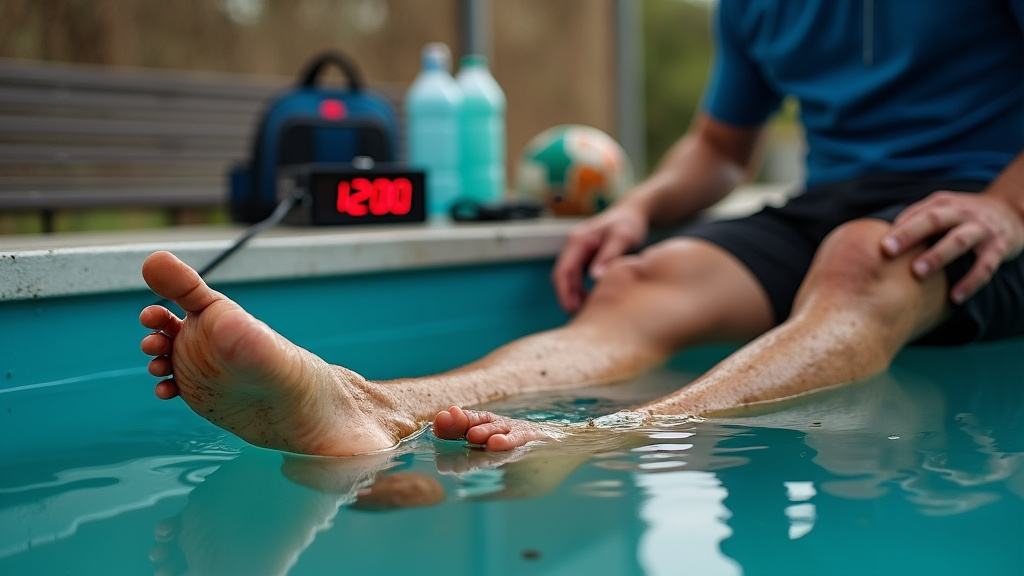
The current extra time rules create a specific set of challenges that managers like Emma Hayes of the USWNT plan for months in advance. Player rotation in a tournament becomes critical. If you expect a deep run, you must account for the possibility of 120-minute matches in the quarterfinal and semifinal. That means you can’t start your best eleven in every group stage match.
Sports science dictates recovery protocols. Players who complete 120 minutes often undergo cold-water immersion within an hour of the final whistle. Their next training session is usually non-contact, focusing on circulation and hydration. The difference between overtime and injury time is academic for a physio, they’re just counting total minutes on the legs.
From a fan’s perspective, the abolition of the golden goal was correct. The full 30 minutes gives us a complete narrative. We see teams adjust, we see fatigue betray technique, we see heroes emerge from the bench. The penalty shootout rules provide a clear, brutal finale. It’s harsh, but it’s definitive. There is no ambiguity.
The length of extra time is unlikely to change. FIFA’s trials with reducing matches to 60 minutes with more frequent stoppages are for youth and amateur levels. The professional game’s 90+30 formula is too ingrained in history and economics. Those extra 30 minutes of broadcast time are valuable, even if they torture the players.
Frequently Asked Questions
Does a soccer game end immediately if a goal is scored in extra time?
No. Since 2004, the full 30 minutes of extra time are played regardless of when a goal is scored. The old “golden goal” rule, where the first goal ended the match, is no longer used in major competitions.
How is stoppage time different from extra time?
Stoppage time (or added time) is minutes added to the end of each 45-minute half to compensate for in-game delays. It is part of the regulation 90 minutes. Extra time is a separate 30-minute period played after regulation if a knockout match is tied.
What happens if a player gets a red card during extra time?
The team plays with one fewer player for the remainder of extra time. If the match goes to penalties, the red-carded player cannot participate, and the team must proceed with one fewer kicker in the shootout rotation.
Can a team make substitutions during extra time?
Yes. Teams are typically allowed one additional substitution during extra time, on top of the standard three (or five, depending on competition rules) they may have used in regulation.
Are there any breaks during extra time?
There is a short break (around five minutes) after the end of regulation before extra time starts. There is also a one-minute break between the two 15-minute halves of extra time. Players usually remain on the pitch during this one-minute interval.
Do goalkeepers get extra time to prepare for a penalty shootout?
No formal extra time is given. The shootout begins shortly after the end of the second half of extra time. Goalkeepers may receive brief instructions from coaches or choose which goal to defend via the coin toss, but there is no dedicated preparation period.
Before You Go
Extra time is more than just 30 added minutes. It’s a physical gauntlet, a tactical chess match, and a factory for legendary moments. Remember the distinction between the extra time format and stoppage time, it’s the difference between understanding the clock and misunderstanding the game.
The rules are fixed: two 15-minute halves, then penalties if needed. The outcomes are not. They depend on who can still run after two hours, who can hold their nerve from twelve yards, and who can write their name into history when everything hurts.
Watch the next knockout match with that in mind. When the whistle blows after 90 minutes and the players trudge to the sideline for water, you’ll know what’s coming. The real game is about to start.
I come from the “soccer heart” of Germany, the Ruhrpott. I have played, trained and followed soccer all my life and am a big fan of FC Schalke 04. I also enjoy following international soccer extensively.