Highest-Paid Soccer Players: Salaries, Contracts & Leagues
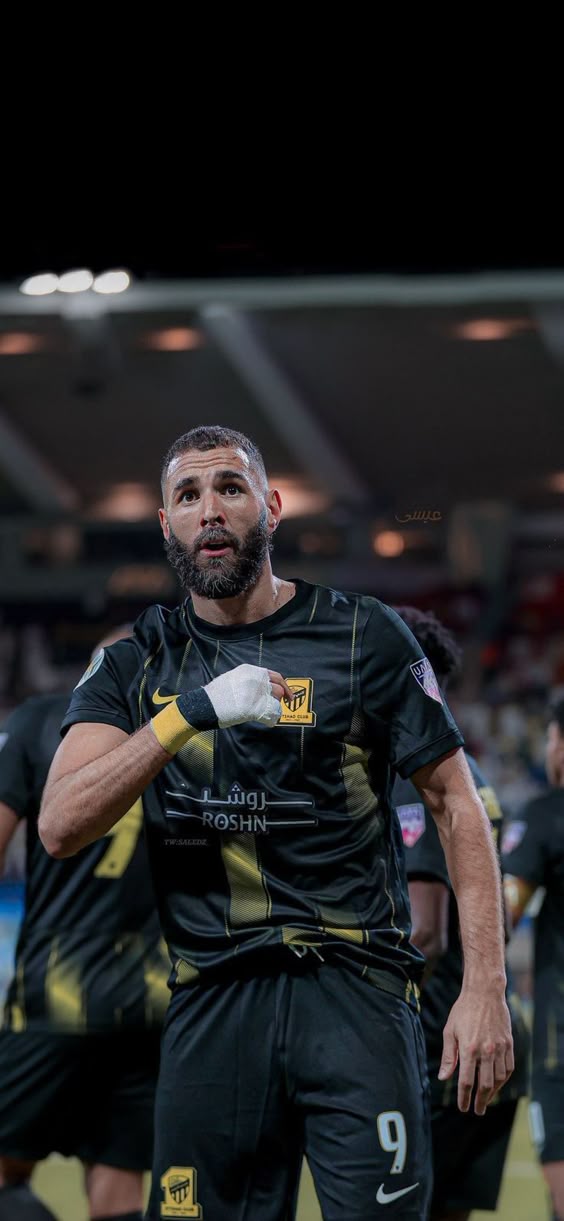
The highest-paid soccer players earn staggering sums from a mix of club salaries, guaranteed bonuses, and massive endorsement deals. Cristiano Ronaldo leads with an estimated $275 million in total annual income, followed by Lionel Messi ($135 million), Karim Benzema ($104 million), Kylian Mbappé ($90 million), and Neymar ($76 million). The financial landscape is now dominated by the Saudi Pro League and MLS for pure salary, while European leagues lead in endorsement potential.
Most articles just list numbers. They miss the real story, why a player in Saudi Arabia earns three times the base salary of a global superstar at Real Madrid, or how a contract clause for team ownership can be worth more than the paycheck. You get salary figures without the mechanics behind them.
This guide breaks down the actual contracts, explains the difference between a monthly gross salary in Europe and guaranteed compensation in MLS, and shows where the real money is made beyond the pitch.
Key Takeaways
- Cristiano Ronaldo’s total income dwarfs everyone else’s because his Al Nassr salary is a straight cash avalanche, reported at £176.8 million per year before endorsements.
- Lionel Messi’s $28.33 million MLS guaranteed compensation is more than double the next highest player, but his real wealth comes from the Inter Miami ownership stake option and lifetime deal with Adidas.
- The Saudi Pro League has permanently altered the top of the salary market; three of the top five earners by pure wages now play there (Ronaldo, Benzema, Neymar).
- European leagues like the Premier League and LaLiga still produce the highest monthly salaries for active stars, with Kylian Mbappé and Erling Haaland earning over €2.6 million per month.
- Always distinguish between base salary, guaranteed compensation, and total income. Messi’s MLS salary is $25 million, his guaranteed comp is $28.33 million, and his total income is $135 million.
Who Are the Top 5 Highest-Paid Soccer Players in the World?
Forget weekly wages. The global ranking is now about total annual income, club salary plus every commercial deal. The Forbes methodology is the standard here.
Cristiano Ronaldo sits alone at the top. His move to Al Nassr wasn’t just a transfer; it was a financial reset. The reported £176.8 million annual salary forms the bedrock. His lifetime Nike contract, CR7 brand, and hotel ventures push his total near a quarter-billion. Lionel Messi’s move to Inter Miami seemed like a step down competitively. Financially, it was a masterclass. His $28.33 million guaranteed MLS compensation is historic for the league. But the Adidas partnership, Apple TV deal, and option for Inter Miami equity create the $135 million total. The ownership stake is the sleeper clause. It could be worth more than all his playing contracts combined upon retirement.
Karim Benzema and Neymar followed Ronaldo to Saudi Arabia. Benzema’s Al-Ittihad deal is worth a reported £104 million a year. Neymar’s Al Hilal contract is similar. Their endorsement portfolios are smaller than the top two, which is why their total income, while astronomical, is half of Ronaldo’s. Kylian Mbappé is the anomaly. He earns the highest monthly salary in European football at Real Madrid. His total is “only” $90 million because, at 25, his off-field brand building is still accelerating. That number will explode in the next five years.
The financial pecking order is no longer decided by Champions League titles. A player’s total income is a function of three variables: geographic league (Saudi premium), longevity of global marketability (Ronaldo, Messi), and the structure of the contract itself (equity, image rights).
TL;DR: Ronaldo and Messi are in a tier of their own due to career-long brand building combined with late-career mega-contracts in Saudi Arabia and MLS, respectively.
Breaking Down the Numbers: Salary vs. Guaranteed Compensation vs. Total Income
This is where readers get lost. A headline says “Messi earns $28 million.” Another says “Mbappé earns €2.67 million per month.” They look like different currencies of success. They are different metrics entirely.
Base salary is the fixed annual wage from the club. Guaranteed compensation, a term used prominently in MLS, includes base salary plus all signing and guaranteed bonuses averaged over the contract length. Total annual income, as reported by Forbes, adds all endorsement earnings, business income, and sometimes the cash value of equity grants.
Let’s take Messi’s Inter Miami deal. His base salary is $25 million. His guaranteed compensation is $28.33 million. The extra $3.33 million? That’s his signing bonus, spread across the contract. His total income of $135 million includes an estimated $80 million from Adidas, Apple, and other partners, plus the imputed value of his club ownership option. For a European example, Kylian Mbappé’s Real Madrid contract reportedly guarantees a monthly gross salary of €2.67 million. That’s about €32 million annually before taxes and before bonuses. His total income of $90 million suggests around $58 million comes from endorsements with Nike, Hublot, and others.
Common mistake: Comparing a European monthly gross salary directly to an MLS annual guaranteed compensation figure, you must convert both to a yearly net or gross figure after accounting for tax regimes and bonus structures. A €2.67M monthly gross in Spain nets differently than a $28.33M annual gross in Florida.
| Earnings Metric | Definition | Example (Player) | Key Consideration |
|---|---|---|---|
| Base Salary | Fixed annual wage from club | $25M (Messi, Inter Miami) | Before any performance bonuses |
| Guaranteed Compensation | Base salary + signing/guaranteed bonuses | $28.33M (Messi, Inter Miami) | MLS PA publishes this; includes roster bonus |
| Monthly Gross Salary | Pre-tax monthly wage (European standard) | €2.67M (Mbappé, Real Madrid) | Multiply by ~12 for rough annual comparison |
| Total Annual Income | Club earnings + all endorsements & ventures | $275M (Ronaldo) | Forbes figure; best for global wealth ranking |
The takeaway is simple. To understand a player’s earnings, you must know which metric is being used. A debate about who is “paid more” between Mbappé and Messi is meaningless unless you specify: are we talking club salary or total wealth generation?
TL;DR: Always ask “what kind of money?” Base salary is just the starting point; guaranteed compensation includes bonuses, and total income tells the full financial story.
The European Elite: Who Tops the Charts in Premier League, LaLiga, and More?
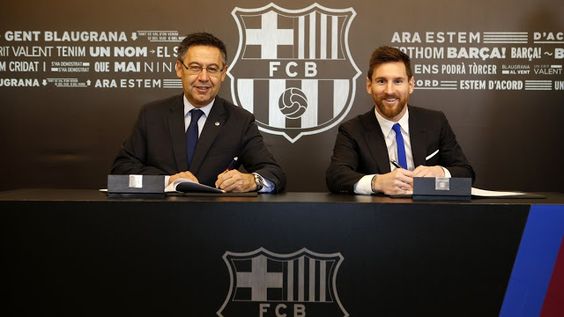
Europe remains the crucible for sporting prestige, and its salaries reflect a more structured, competitive market. The figures here, often sourced from L’Équipe’s annual report, are monthly gross salaries. They represent pure sporting wage before the massive endorsement multipliers.
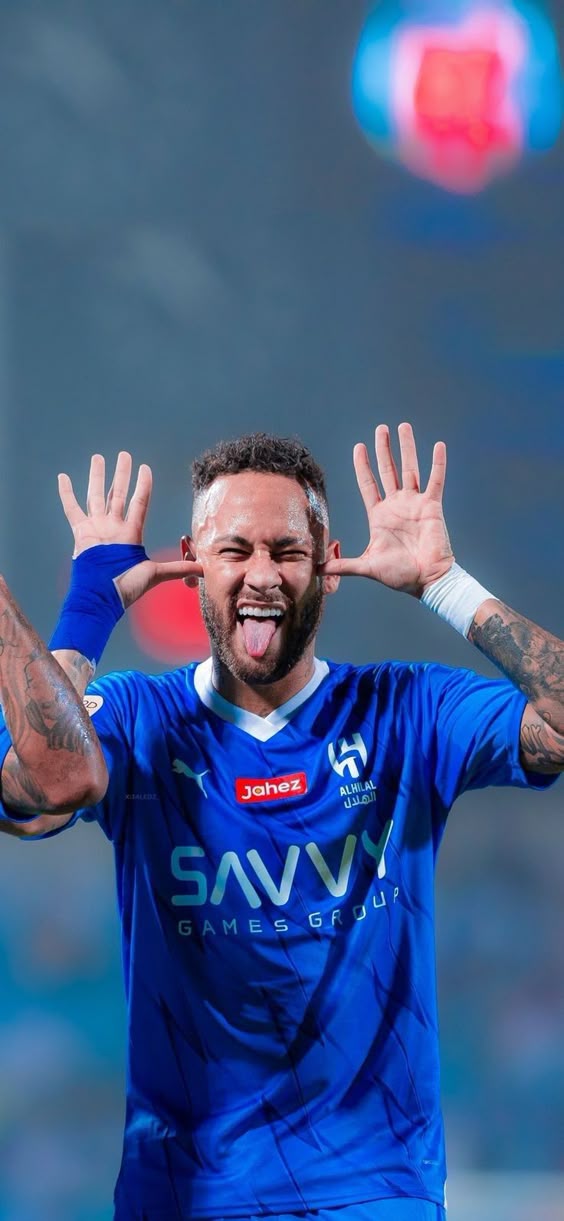
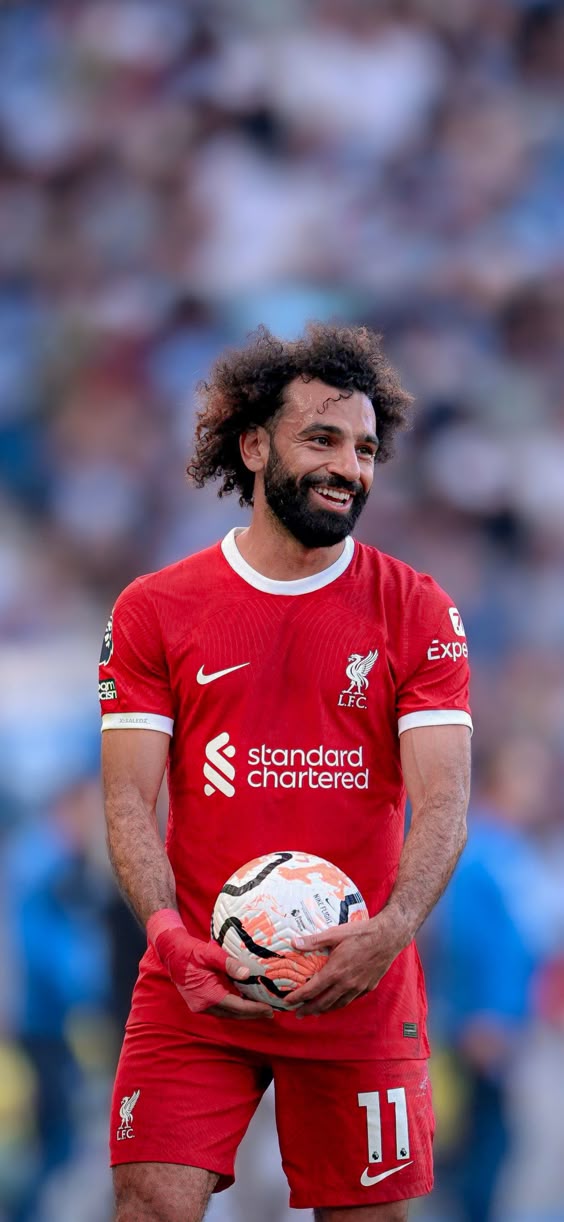
In LaLiga, the new galactico is Kylian Mbappé. His €2.67 million monthly gross at Real Madrid sets the pace. Vinicius Jr., his teammate, is close behind at a similar figure, a reward for his world-class development. The Premier League’s pinnacle is Erling Haaland at Manchester City, earning €2.63 million per month. Mohamed Salah’s €2 million per month at Liverpool reflects his enduring value and icon status. The Bundesliga’s top is shared: Harry Kane and Jamal Musiala at Bayern Munich both earn €2.1 million monthly. Kane’s guarantee of goals and Musiala’s potential command equal pay. Serie A’s highest earner is Dusan Vlahovic at Juventus (€1.85 million), while Ligue 1’s leader is Ousmane Dembélé at PSG (€1.5 million).
The €2.67 million monthly gross for a top player in Europe translates to an annual gross of about €32 million. After Spain’s top tax rate (approx. 47%), that nets around €17 million. Compare that to Florida’s zero state income tax on Messi’s $28.33 million. The net cash difference is narrower than the gross headlines suggest.

Managers are part of this economy. Diego Simeone (Atlético Madrid) leads at €2.17 million per month, a testament to his transformative decade-long project. Pep Guardiola (Manchester City) earns €1.92 million. Their salaries are capped by a different logic, the value of consistent trophies and organizational stability. Player salaries are driven by potential and marketability.
| League | Top Earner (Player) | Monthly Gross Salary | Top Earner (Manager) | Monthly Gross Salary |
|---|---|---|---|---|
| LaLiga | Kylian Mbappé (Real Madrid) | €2.67M | Diego Simeone (Atlético) | €2.17M |
| Premier L. | Erling Haaland (Man City) | €2.63M | Pep Guardiola (Man City) | €1.92M |
| Bundesliga | Harry Kane (Bayern Munich) | €2.1M | — | — |
| Serie A | Dusan Vlahovic (Juventus) | €1.85M | Antonio Conte (Napoli) | €1.3M |
| Ligue 1 | Ousmane Dembélé (PSG) | €1.5M | — | — |
The financial muscle of the Premier League is distributed across squads. LaLiga concentrates it on a few stars at Real Madrid and Barcelona. This European structure is now the second tier of pure salary, but the first tier for global brand building that leads to those nine-figure endorsement totals.
The Saudi Pro League Effect: Redefining the Ceiling
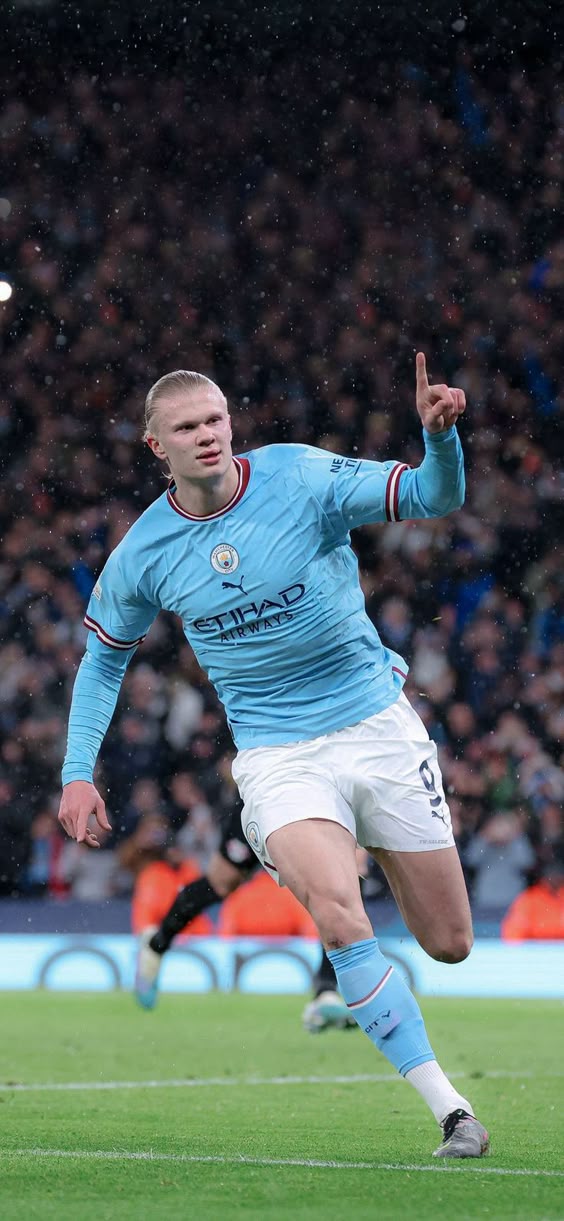
The Saudi Pro League didn’t just enter the market; it bought the top shelf. Its strategy is unambiguous: offer base salaries so high that they become the dominant factor in a player’s total income, offsetting a relative lack of local endorsement opportunities.
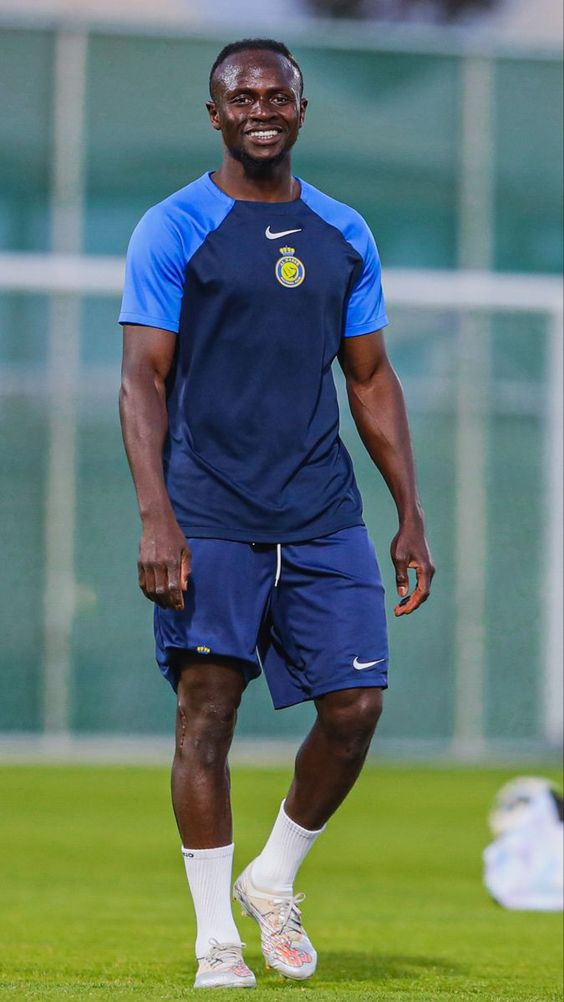
Cristiano Ronaldo’s Al Nassr deal is the prototype. The reported £176.8 million annual salary (approx. $225 million) is a clean, overwhelming number. It immediately doubled the previous ceiling for a pure playing contract. For Karim Benzema and Neymar, the offers from Al-Ittihad and Al Hilal represented a net financial gain no European club could match, even after factoring in lower commercial income in Saudi Arabia. The league’s public investment fund ensures these are not club debts but state-backed acquisitions.
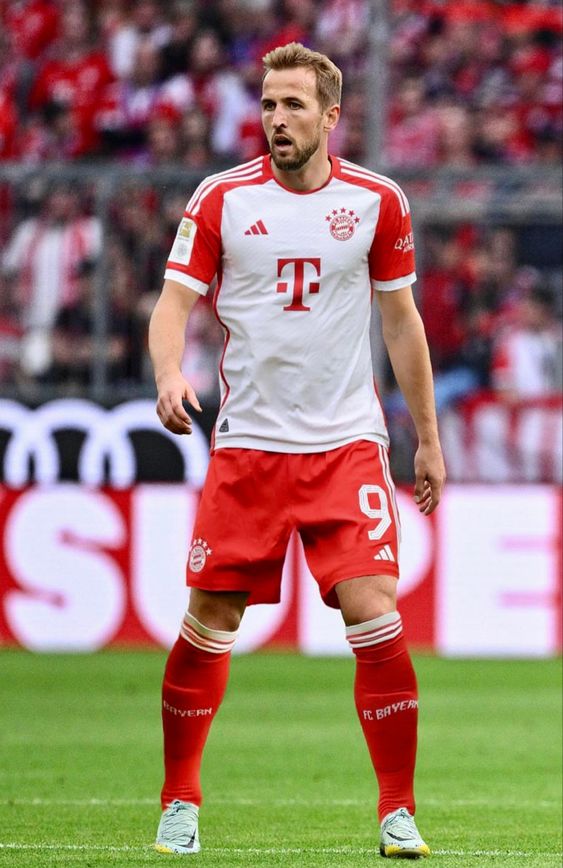
The impact is twofold. First, it has created a permanent “Saudi option” for elite players over 30, setting a new benchmark for what a late-career contract can be. Second, it has forced European clubs to get creative. They cannot compete on pure salary for these veterans. Instead, they must offer superior sporting projects, legacy-building opportunities, and more sophisticated equity or image-rights packages. The average MLS salary is unaffected by this, but the ceiling for global superstars certainly is.
I remember when the first Chinese Super League offers shook Europe a decade ago. The salaries were big, but the sporting project felt temporary. Saudi Arabia feels different. The infrastructure investment, the hosting of major events, and the long-term vision suggest this is a permanent new pole in football’s financial globe. A 34-year-old star today faces a genuine choice: compete for the Champions League in London or Munich, or secure his family’s wealth for ten generations in Riyadh. That’s a new equation.
TL;DR: Saudi Arabia uses sovereign wealth to offer untouchable base salaries, making it the ultimate destination for maximizing pure playing wages, especially for stars in their twilight years.
Lionel Messi and the MLS Salary Revolution
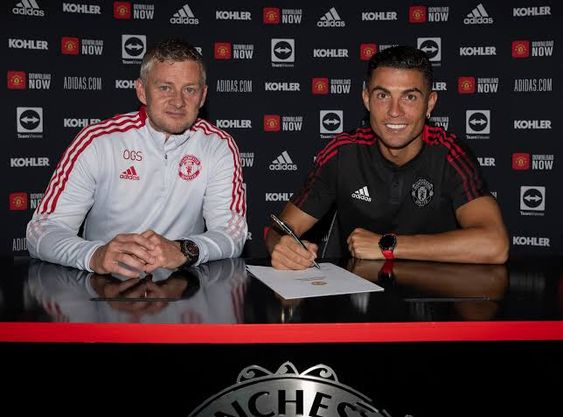
Lionel Messi’s Inter Miami contract is a case study in modern deal architecture. It’s not just a salary; it’s a multi-platform revenue alliance.
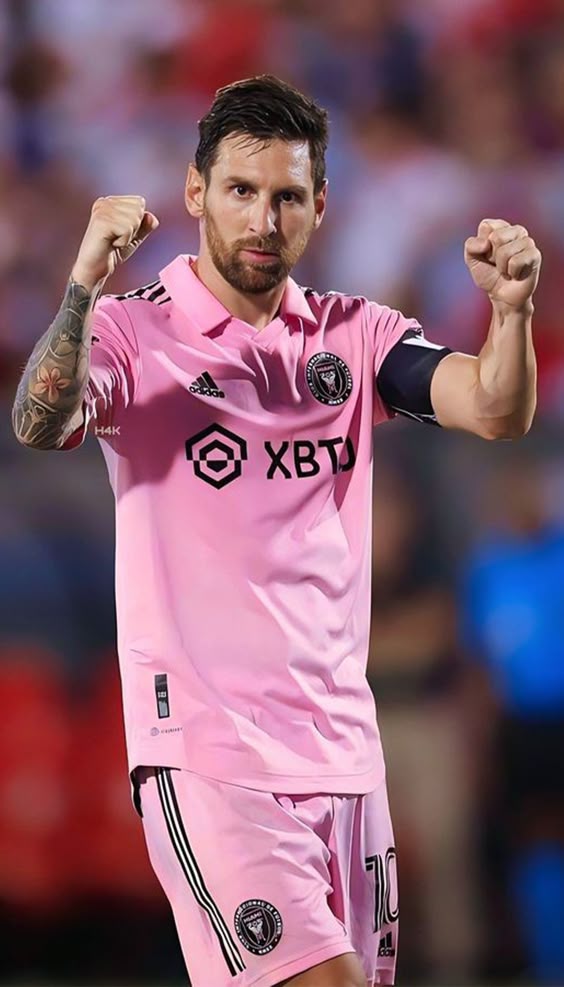
The publicly disclosed numbers via the MLS Players Association are clear: $25 million base salary, $28.33 million in guaranteed compensation. This already makes him earn more than twice the second-highest-paid player, Son Heung-min at LAFC ($11.15 million guaranteed). But the contract’s true value is hidden. The option for an ownership stake in Inter Miami is the headline grabber. This isn’t a ceremonial slice; it’s a real equity share that aligns his long-term financial future with the club’s growth. Then there’s the revenue-sharing from Apple’s MLS Season Pass subscription bump and Adidas’ jersey sales spike. His deal is a funnel for league-wide growth.
Inter Miami’s total payroll ballooned to $54.6 million, the highest in MLS by a wide margin. Messi’s cap hit is artificially lowered by MLS’s Designated Player rules, but his actual cost redefines the league’s ambition. He isn’t just a player; he’s a proof-of-concept. His success, both on-field and commercially, paves the way for the next global icon to consider MLS not as a retirement league, but as a growth venture. This has a knock-on effect on the valuation of other stars, influencing the list of most valuable MLS players.
Common mistake: Viewing Messi’s MLS salary as just a paycheck. It’s a hybrid package: part salary, part business investment, part marketing agreement. Missing the equity and revenue-share components means missing 70% of the deal’s value.
His presence has a distorting effect. It makes the $2-5 million contracts for other MLS stars seem modest, accelerating pressure for higher wages across the board. The league wanted a tide to lift all boats. It got a tsunami that’s reshaping the coastline.
How Endorsements and Image Rights Skyrocket Total Earnings

The pitch pays the base. The face pays the fortune. For the very top players, endorsement income can eclipse their club salary. This is where European-based stars often have an advantage due to global media exposure and commercial infrastructure.
Cristiano Ronaldo and Lionel Messi have transcended sport. Their lifetime deals with Nike and Adidas, respectively, are worth hundreds of millions. Ronaldo’s CR7 brand (underwear, fragrances, hotels) is a diversified business. Messi’s portfolio includes Mastercard, Budweiser, and Hard Rock International. These partnerships are built over a decade of sustained global dominance. Kylian Mbappé’s endorsement engine is newer but powerful. His Nike deal, signed after the 2022 World Cup, is reportedly worth over $20 million annually. He’s the face of Hublot and has a signature line with Oakley.
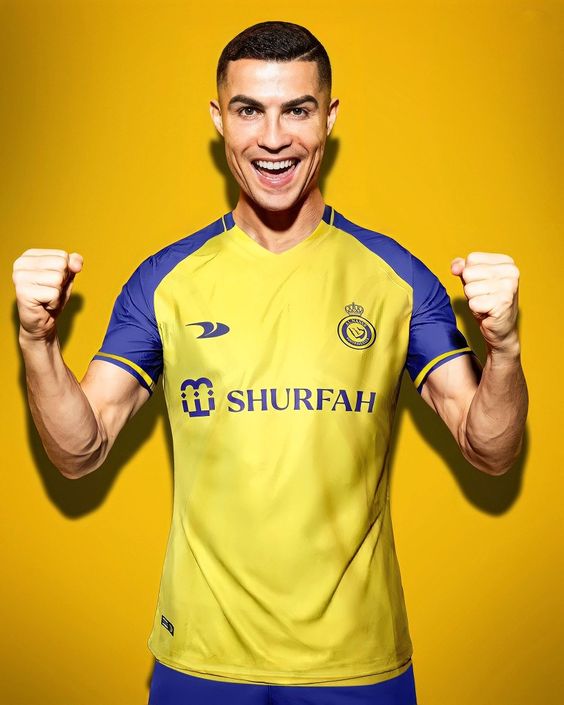
Image rights are the legal mechanism. In many contracts, particularly in Europe, players retain a portion of their image rights. They can license their name and likeness individually, earning money directly from sponsors outside the club’s deals. A club like Real Madrid might have a jersey deal with Adidas, but Mbappé can still have a personal boot deal with Nike. This separation is crucial. It’s why a player’s marketing team negotiates separately from his agent on the playing contract.
The Saudi-based stars face a different reality. While Ronaldo’s global brand is immune, Benzema and Neymar likely see less growth in European or American endorsements after their move. The astronomical salary is, in part, a compensation for that expected commercial slowdown. Their total income becomes more dependent on the playing wage. This creates two financial models: the European “salary + high endorsements” model and the Saudi “mega-salary + stable endorsements” model. The highest-paid women’s soccer player often faces a steeper climb in the endorsement arena, making their club salary an even more critical component of total earnings.
TL;DR: Endorsements are the great multiplier. They allow European-based stars to compete with Saudi salaries in total income and reward long-term global marketability over short-term geographic moves.
Frequently Asked Questions
Who is the highest-paid soccer player in 2026?
Cristiano Ronaldo is the highest-paid soccer player in 2026, with an estimated total annual income of $275 million. The vast majority of this comes from his playing salary with Saudi club Al Nassr, reported to be around £176.8 million per year, supplemented by his lifetime Nike deal and other business ventures.
How much does Lionel Messi make at Inter Miami?
Lionel Messi’s contract with Inter Miami guarantees him $28.33 million per year in total compensation from the club, which includes a $25 million base salary. His total annual income is estimated at $135 million when factoring in his endorsements with Adidas, Apple, and others, plus the value of an ownership stake option in the club.
Is Kylian Mbappé the highest-paid in Europe?
Yes, Kylian Mbappé is among the highest-paid players in Europe based on club salary. His contract with Real Madrid guarantees a monthly gross salary of approximately €2.67 million, which translates to about €32 million annually before taxes. This makes his pure playing wage one of the highest in European football.
Why are Saudi Pro League salaries so high?
Saudi Pro League salaries are extraordinarily high due to direct financial backing from the country’s Public Investment Fund (PIF). The strategic goal is to rapidly increase the league’s global profile and quality by attracting world-class talent with offers that European clubs cannot match financially, effectively creating a new top tier of player wages.
What is the difference between base salary and guaranteed compensation?
Base salary is the fixed annual wage a player receives from their club. Guaranteed compensation includes the base salary plus all signing bonuses, guaranteed bonuses, and other contracted payments, averaged over the length of the contract. MLS publicly reports guaranteed compensation, giving a clearer picture of a player’s total cash from the club.
The Bottom Line
The geography of football wealth has fractured. The highest salaries are in Saudi Arabia, the most innovative contract packages are in MLS, and the strongest endorsement platforms remain in Europe. Cristiano Ronaldo’s Al Nassr deal proves that pure cash can still redefine the ceiling. Lionel Messi’s Inter Miami agreement shows that equity and partnerships are the new frontier.
Understanding a player’s earnings now requires a three-layer analysis: the base club wage, the structure of the deal (bonuses, equity), and the off-field commercial empire. Comparing Kylian Mbappé’s monthly gross at Real Madrid to Messi’s annual guaranteed comp in Miami is an apples-to-oranges game unless you account for taxes, currency, and hidden value.
The next shift is already visible. The pressure on European clubs to offer their own equity stakes or unprecedented image-rights shares will grow. The financial game isn’t just about who pays the most today, but who builds the most valuable legacy for tomorrow.

I come from the “soccer heart” of Germany, the Ruhrpott. I have played, trained and followed soccer all my life and am a big fan of FC Schalke 04. I also enjoy following international soccer extensively.