Soccer Substitution Rules Explained: Quick Guide
This post contains affiliate links. As an Amazon Associate, we earn from qualifying purchases.
Your star striker collapses with a hamstring pull in the 75th minute, but you’ve already burned two substitution windows. Sound familiar? This heart-stopping scenario happens daily across fields worldwide because soccer substitution rules explained correctly separates championship teams from frustrated contenders. Whether you’re a coach drafting your first match sheet or a fan decoding why VAR disallowed that late swap, mastering these regulations transforms confusion into tactical advantage.
Modern soccer’s substitution framework has evolved dramatically from the single-substitute era, now featuring five-player limits, concussion protocols, and strategic timing windows that can swing entire matches. This guide cuts through the legal jargon using real-world examples from youth leagues to World Cup finals—all verified against IFAB’s official Law 3. You’ll learn exactly when players can enter, how red cards alter your options, and why timing windows matter more than total substitutes.
Five Substitutes Maximum: When Limits Apply
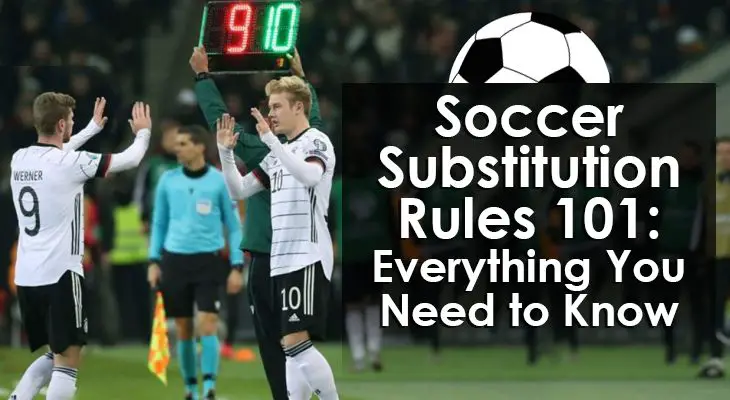
Top-tier competitions operate under strict substitution quotas that dictate your bench strategy before kickoff. Understanding these tiers prevents disallowed changes that could cost you the game.
Professional Match Limits
In Premier League or Champions League matches, you get five total substitutes but only three substitution opportunities during regulation time. Crucially, halftime doesn’t count as a window—so if you make two halftime changes, you still have three full windows for the second half. During extra time, one additional window opens (allowing a sixth sub), but unused opportunities from regulation don’t carry over. When both teams substitute simultaneously, each uses one window regardless of how many players enter.
International Game Exceptions
Senior national teams operate under different rules: you can name up to fifteen substitutes but use only six during the match. This accommodates unique scheduling demands where squads rotate frequently between tournaments. Forget the club football limits—this extra flexibility is why you’ll see six fresh faces entering during World Cup knockout stages.
Amateur League Flexibility
Grassroots and lower-division matches default to six substitutes maximum if no pre-game agreement exists. But here’s your tactical edge: you can negotiate higher limits with opponents before kickoff (e.g., unlimited subs for U12 development leagues). Always confirm this with the referee—otherwise, you’re stuck with six slots.
Substitution Timing Windows: The Hidden Tactical Weapon
Most coaches focus on how many subs they have, but when you use them matters more. These stoppage-based windows create high-stakes decisions that define modern soccer strategy.
Free Windows You Can’t Afford to Waste
Half-time and the break between full-time and extra time are free substitution periods that don’t consume your three regulation windows. Use halftime to adjust tactics against an unexpected formation, then save all three windows for critical second-half moments. If extra time looms, this preserves your fourth window for fresh legs when fatigue sets in.
Simultaneous Substitution Strategy
When both teams signal for changes during the same stoppage (e.g., after an injury), each uses one window—but you can introduce multiple players during that single opportunity. Smart managers bundle tactical shifts here: pull your tired center-back and defensive midfielder together to reset your shape without burning extra windows.
The Unused Window Trap
Unused substitution opportunities expire after regulation—they don’t roll into extra time. If you’ve used only two windows by 90 minutes, you still get just one extra window during extra time (not two plus your unused one). Always track this counter like a clock; teams have lost finals by mismanaging this limit.
Step-by-Step Substitution Execution: Avoid Costly Errors
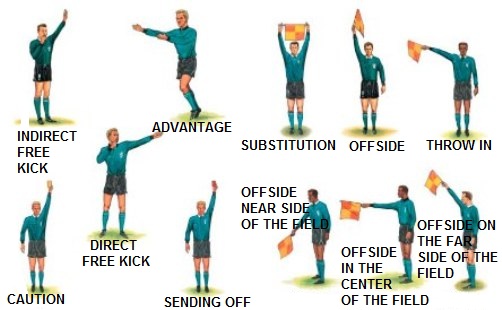
Even with perfect strategy, botched procedures nullify substitutions. Follow this exact sequence to keep changes legal.
Pre-Match Requirements
You must submit all substitute names to the referee before kickoff. No exceptions—even if a player arrives late with team-sheet documentation. Once the list is locked, anyone missing is ineligible. Double-check this with your fourth official; traveling teams get caught weekly when flights are delayed.
During-Game Procedure
- Verbally notify the referee before sending players toward the halfway line
- Ensure the outgoing player exits at the nearest boundary point (unless injured)
- Wait for the referee’s signal before the substitute enters
- Confirm entry happens only at the halfway line during the stoppage
- Treat the substitution as complete when the new player’s foot touches the field
Common Procedure Violations
Players who delay exiting after being subbed off risk yellow cards. If they’re already cautioned, a second yellow means the substitution gets canceled—and your team plays short-handed. Never let emotion override procedure; that dramatic slow walk to the bench could cost you a player for the rest of the match.
Goalkeeper Substitution Guidelines: Special Rules
Goalkeeper changes follow standard substitution rules but with critical nuances that impact your emergency planning.
Field Player to Goalkeeper Swaps
Any outfield player can become goalkeeper during any stoppage after informing the referee—but they must wear distinguishable colors. This tactic surprises opponents when your backup keeper is injured, but unauthorized swaps trigger cautions. If play continues while the change happens (e.g., during live-ball substitutions), both players get booked at the next stoppage.
Injury-Related Replacements
When your keeper gets hurt and no subs remain, a field player must assume goalkeeping duties. They follow all keeper-specific rules (e.g., handling within the box) but cannot wear gloves unless provided. Several Premier League matches were saved by outfield players making crucial stops in these scenarios—always brief your captain on this protocol.
Youth and Grassroots Exceptions: Return Subs & Concussion Protocols
Lower-division and youth matches operate under flexible rules that prioritize development over strict compliance.
Return Substitution Protocol
In approved leagues (like U16 or veteran competitions), substituted players can re-enter later. This requires pre-approval from your national association and unlimited returns—but players can’t switch positions (e.g., an outfielder can’t become keeper mid-game). Track returning players with different-colored bibs to avoid confusion.
Concussion Substitute Protocol
Many leagues now allow one additional concussion substitute who doesn’t count against your five-player limit. This player can replace anyone showing head-injury symptoms, even if you’ve used all standard substitutions. Prioritize safety here—this rule exists to prevent catastrophic decisions under pressure.
Red Card Impact: When Substitutions Get Cancelled
Sending-offs drastically alter your substitution math, often forcing reshuffles that leave teams vulnerable.
Pre-Kickoff Dismissals
If a player gets a red card after team sheets are submitted but before kickoff, you can replace them with a named substitute. Crucially, you lose that substitute slot but don’t reduce your total substitution opportunities—so you’d still have five subs available during the match.
In-Game Red Cards
Players sent off after kickoff cannot be replaced. Your team plays short-handed for the remainder, forcing you to burn an early substitution just to cover positions. If this happens late, you might sacrifice tactical flexibility to avoid playing with nine.
Substitute Misconduct
A substitute who commits a sending-off offense before entering the field cannot be replaced. Your team loses that substitution slot entirely—and if it was your last available sub, you’re locked into your current lineup. Always brief substitutes on conduct; emotional reactions here have cost teams crucial late-game changes.
Tactical Substitution Strategies: Beyond Fresh Legs
Elite managers treat substitution windows as tactical weapons, not just personnel swaps.
Late Game Energy Boosts
Saving two windows for the 75th–90th minute allows complete tactical overhauls. Introduce pacey wingers to exploit tiring fullbacks or double up on defensive midfielders to “park the bus.” The three-window limit forces you to bundle these changes—never waste a window on one player when two are needed.
Youth Development Minutes
In leagues with expanded substitution limits (e.g., six subs), use rolling substitutions to give every squad member playing time. Rotate players every 20 minutes during lopsided matches—this builds depth without sacrificing competitive intensity. Always coordinate with parents to manage expectations.
Final Note: Mastering soccer substitution rules explained turns your bench from an afterthought into your most strategic asset. Remember these non-negotiables: submit subs before kickoff, track your three windows religiously, and never assume halftime changes are automatic. Whether you’re coaching U10s or analyzing Champions League tactics, these regulations dictate how—and when—you can influence the game after the whistle blows. Keep this guide taped to your clipboard; next season’s title might hinge on that fourth window in extra time.

I come from the “soccer heart” of Germany, the Ruhrpott. I have played, trained and followed soccer all my life and am a big fan of FC Schalke 04. I also enjoy following international soccer extensively.