Soccer Team Size Including Substitutes Explained
This post contains affiliate links. As an Amazon Associate, we earn from qualifying purchases.
Have you ever wondered why soccer teams seem to have so many players on the sideline during major matches? While only 22 players—11 from each team—take the field at kickoff, the complete soccer team size including substitutes reveals a much more complex picture. Understanding exactly how many players make up a full squad isn’t just trivia; it’s essential knowledge for coaches building rosters, parents navigating youth leagues, and fans who want to understand the strategic depth behind substitution decisions.
The answer varies dramatically depending on competition level, age group, and tournament rules. A professional team might register 26 players for a World Cup match while a youth team could have as few as 8 players total. This guide breaks down exactly how many players constitute a complete soccer team across different scenarios, explaining not just the numbers but why they matter for gameplay strategy and player development.
Professional Soccer Team Size: 11 Starters + 15 Substitutes
At the elite level, the complete soccer team size including substitutes has evolved significantly in recent years. Major tournaments now allow professional teams to register 26 players for competition (11 starters plus 15 substitutes), a change implemented for the 2022 World Cup to address fixture congestion. On match day, coaches select 23 players—11 starters and 12 substitutes—though they can only use five substitutions during regulation time.
This expanded roster size directly impacts how coaches manage player fatigue across demanding schedules. With teams often playing multiple competitions simultaneously, having 15 substitutes available means managers can rotate players strategically without weakening the squad. The extra depth becomes particularly valuable during congested holiday periods or when teams advance deep into knockout tournaments.
Why Modern Teams Need 26-Player Squads
The shift from 23 to 26 registered players isn’t arbitrary—it addresses real competitive pressures. Top clubs compete in four major competitions simultaneously (league, domestic cup, continental tournament, and international duty), creating unprecedented fixture density. With 26 players registered:
- Coaches can rotate players without tactical compromise
- Injury prevention becomes more manageable across 50+ match seasons
- Positional depth ensures no single position becomes a weakness
- Younger players gain valuable match experience through strategic substitutions
This expanded squad size reflects soccer’s evolution from a seasonal sport to a year-round professional enterprise where player welfare and performance optimization go hand in hand.
FIFA’s 5-Substitution Rule: Strategic Implications

Since 2022, FIFA’s permanent 5-substitution rule has fundamentally changed how coaches approach soccer team size including substitutes. While you can make five substitutions per match, you only get three opportunities to make these changes during regulation time (plus halftime and one additional opportunity in extra time).
Mastering Substitution Timing
The limitation on substitution opportunities creates fascinating tactical dilemmas:
- Early changes (within first 30 minutes): Typically for injury replacement or drastic tactical shift
- Mid-game changes (50-70 minutes): Most common window for tactical adjustments and fatigue management
- Late-game changes (75+ minutes): Used for protecting leads or chasing results
Smart managers often make multiple substitutions at once to preserve opportunities. For example, replacing two tired midfielders simultaneously uses just one substitution opportunity rather than two, leaving more flexibility for late-game adjustments.
Youth Soccer Team Sizes by Age Group

Understanding soccer team size including substitutes for youth players requires recognizing how formats scale with development stages. The United States Soccer Federation (USSF) guidelines create progressive experiences that prioritize participation while building toward the professional format.
Age-Appropriate Squad Structures
U6-U8 (4v4 format): Total team size of 6-8 players with no goalkeepers. Most leagues allow unlimited rolling substitutions, ensuring equal playing time regardless of skill level. This format focuses on constant engagement rather than competitive structure.
U9-U10 (7v7 format): Teams expand to 10-12 players total with 5 substitutes maximum. The introduction of limited substitutions teaches basic rotation concepts while still prioritizing participation. Goalkeepers become permanent positions at this stage.
U11-U12 (9v9 format): Squad sizes grow to 12-14 players with 5 substitutes permitted. This transitional format introduces more complex tactical considerations while maintaining developmental focus. Positional specialization begins but with rotation expectations.
U13+ (11v11 format): Full professional structure with standard substitution rules. Teams typically carry 16-18 players, creating genuine competition for starting spots while ensuring adequate coverage. The 5-substitute rule becomes fully implemented.
High School and College Soccer Roster Limits
American scholastic soccer creates unique roster dynamics that differ significantly from international standards. The National Federation of State High School Associations (NFHS) and NCAA establish different frameworks that directly impact soccer team size including substitutes.
High School Soccer Constraints
NFHS rules cap high school rosters at 22 players total (11 starters + 11 substitutes), but with more flexible substitution protocols:
- Unlimited substitutions permitted during natural stoppages
- Re-entry allowed in the second half (players can return after being substituted)
- Most teams carry 18-20 players to accommodate academic schedules
This structure prioritizes participation over specialization, allowing coaches to develop multiple players at each position while maintaining competitive standards.
College Soccer Flexibility
NCAA rules create different challenges:
- No roster size limits (practical squads range from 25-30 players)
- Unlimited substitutions permitted
- Strict re-entry restrictions (once substituted, players can only return once per half)
The absence of roster limits means elite college programs often carry more players than professional clubs, creating intense competition for starting spots while developing depth for tournament runs.
World Cup Team Size: Why 26 Players Became Standard
The 2022 World Cup marked a significant shift when FIFA increased squad sizes from 23 to 26 players. This change wasn’t arbitrary—it addressed specific challenges of modern tournament play:
- Group stage rotation across three matches in 8-10 days
- Fixture congestion from pandemic-delayed schedules
- Increased injury risks from condensed calendars
- Player welfare concerns after years of fixture congestion
The expanded roster allows coaches to rotate more freely without weakening the squad, particularly valuable when teams advance deep into knockout stages. However, only 23 players (11 starters + 12 substitutes) dress for each match, meaning three registered players remain unavailable for selection.
Substitute Roles: Beyond Just Bench Warmers
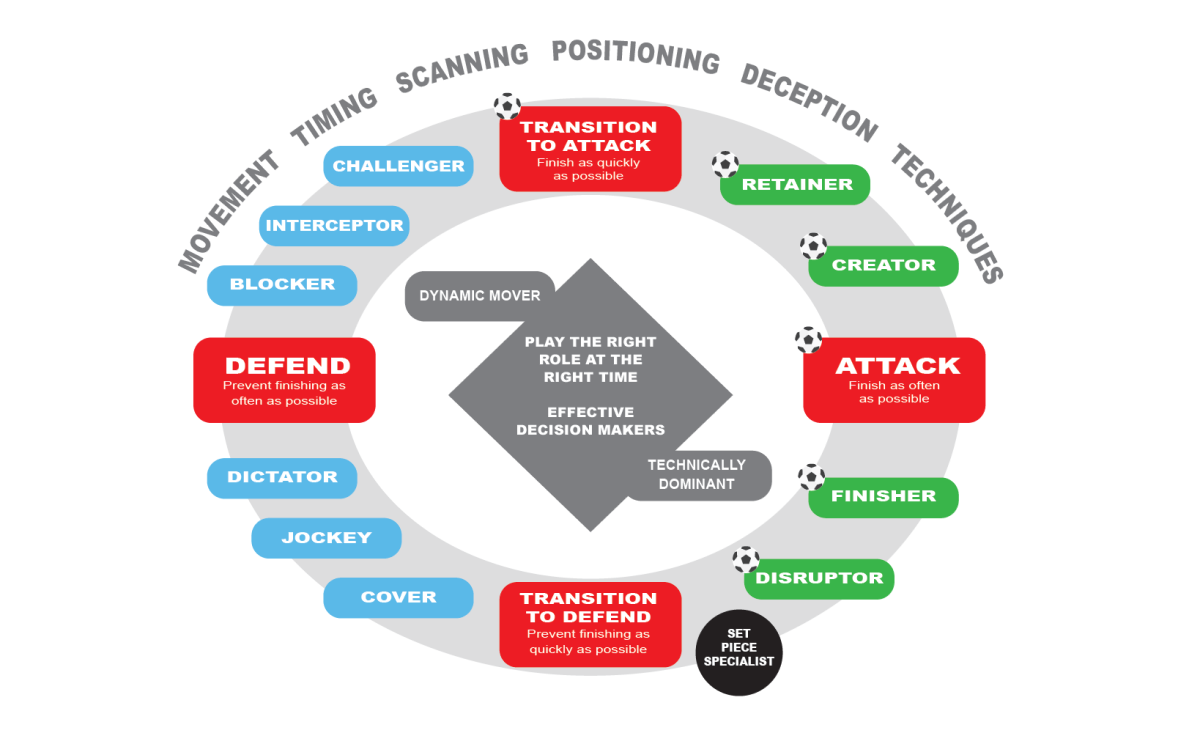
Modern soccer team size including substitutes reflects sophisticated tactical planning. Elite teams designate specific roles for their available substitutes:
- Impact substitutes: 3-4 players trained to change match dynamics immediately
- Defensive specialists: Players who enter to protect narrow leads
- Midfield engines: High-energy players who disrupt opponents’ rhythm
- Attacking options: Pace or creativity boosters for chasing results
Top clubs invest significant resources in substitute preparation protocols, including systematic warm-up routines, position-specific tactical briefings, and psychological readiness training. The difference between an average substitute and an impact substitute often determines match outcomes in tight contests.
Extra Time and Penalty Shootout Rules
When knockout matches extend beyond 90 minutes, special rules affect soccer team size including substitutes:
- Teams receive one additional substitution opportunity (six total)
- Only players on the field at the final whistle of extra time may participate in penalty shootouts
- Concussion substitutes don’t count against substitution limits
This creates crucial strategic considerations for late-game substitutions. Managers must balance fresh legs for extra time against ensuring their best penalty takers remain on the field. The rule preventing bench players from taking penalties means coaches can’t save specialist takers for shootout scenarios.
Historical Evolution of Team Size Regulations
Soccer team size including substitutes has evolved dramatically:
- Pre-1958: No substitutions permitted (teams played short if injured)
- 1958 World Cup: First injury substitutions allowed
- 1970: Tactical substitutions introduced
- 1995: Increased from 2 to 3 substitutions per match
- 2020: Temporary increase to 5 substitutions (made permanent in 2022)
This progression reflects soccer’s adaptation to modern demands—greater emphasis on player welfare, increased fixture density, and the recognition that squad depth significantly impacts competitive balance.
Understanding soccer team size including substitutes reveals the sport’s strategic complexity beyond what appears on the field. From youth leagues prioritizing participation to professional tournaments optimizing for competitive advantage, the numbers tell a story of evolution and adaptation. Whether you’re building a youth roster or analyzing World Cup tactics, knowing these specifications helps you appreciate the careful balance between player development, competitive intensity, and the beautiful game’s enduring traditions. The next time you watch a match, notice how coaches deploy their available players—those seemingly routine substitutions represent years of regulatory evolution and strategic refinement.

I come from the “soccer heart” of Germany, the Ruhrpott. I have played, trained and followed soccer all my life and am a big fan of FC Schalke 04. I also enjoy following international soccer extensively.