A Simple Guide to Understanding the Offside Rule in Soccer
The offside rule in soccer prevents a player from gaining an unfair advantage by being closer to the opponent’s goal than both the ball and the second-last defender when a teammate plays the ball. It’s judged at the exact moment the pass is made, not when the player receives it. A player in an offside position only commits an offence if they then interfere with play, interfere with an opponent, or gain an advantage.
Most people think offside is about being ahead of the last defender. That’s close, but it misses the two parts that cause real confusion. The first is timing. The second is what you do after you’re in that position. Get those wrong, and you’ll argue with the TV every weekend.
This guide strips the rule down to three conditions, three actions, and three exceptions. You will learn how referees see it, where VAR fits in, and why a player can be in an offside spot and still be completely legal.
Key Takeaways
- Offside is judged the millisecond a teammate plays the ball forward, not when you receive it. This timing nuance is why slow-motion replays often confuse fans.
- Simply being in an offside position is not a foul. You only commit an offside offence by interfering with play, interfering with an opponent, or gaining an advantage from a rebound.
- There is no offside from a goal kick, throw-in, or corner kick. These three restarts reset the offside line completely.
- The “second-last opponent” is usually the last outfield defender, with the goalkeeper being the “first” opponent. You must be closer to the goal line than this defender.
- A player level with the second-last opponent is onside. The 1990 rule change made this universal, moving away from the old “daylight” requirement.
The 3-Step Check for an Offside Position
Forget the last defender. The law talks about the second-last opponent. This is almost always the last defender, because the goalkeeper is the first opponent. The check happens in a freeze-frame at the moment the passer’s foot connects with the ball.
First, the player must be in the opponent’s half. The halfway line itself counts as the defensive half, so a toe on the line keeps you onside. Second, any part of the head, body, or feet that can legally play the ball must be closer to the opponent’s goal line than the ball itself. Third, that same part must be closer to the goal line than the second-last opponent.
A player is in an offside position if any part of the head, body, or feet (excluding arms and hands) is in the opponents’ half and nearer to the opponents’ goal line than both the ball and the second-last opponent when a teammate plays the ball. The upper boundary of the arm for this purpose is the bottom of the armpit.
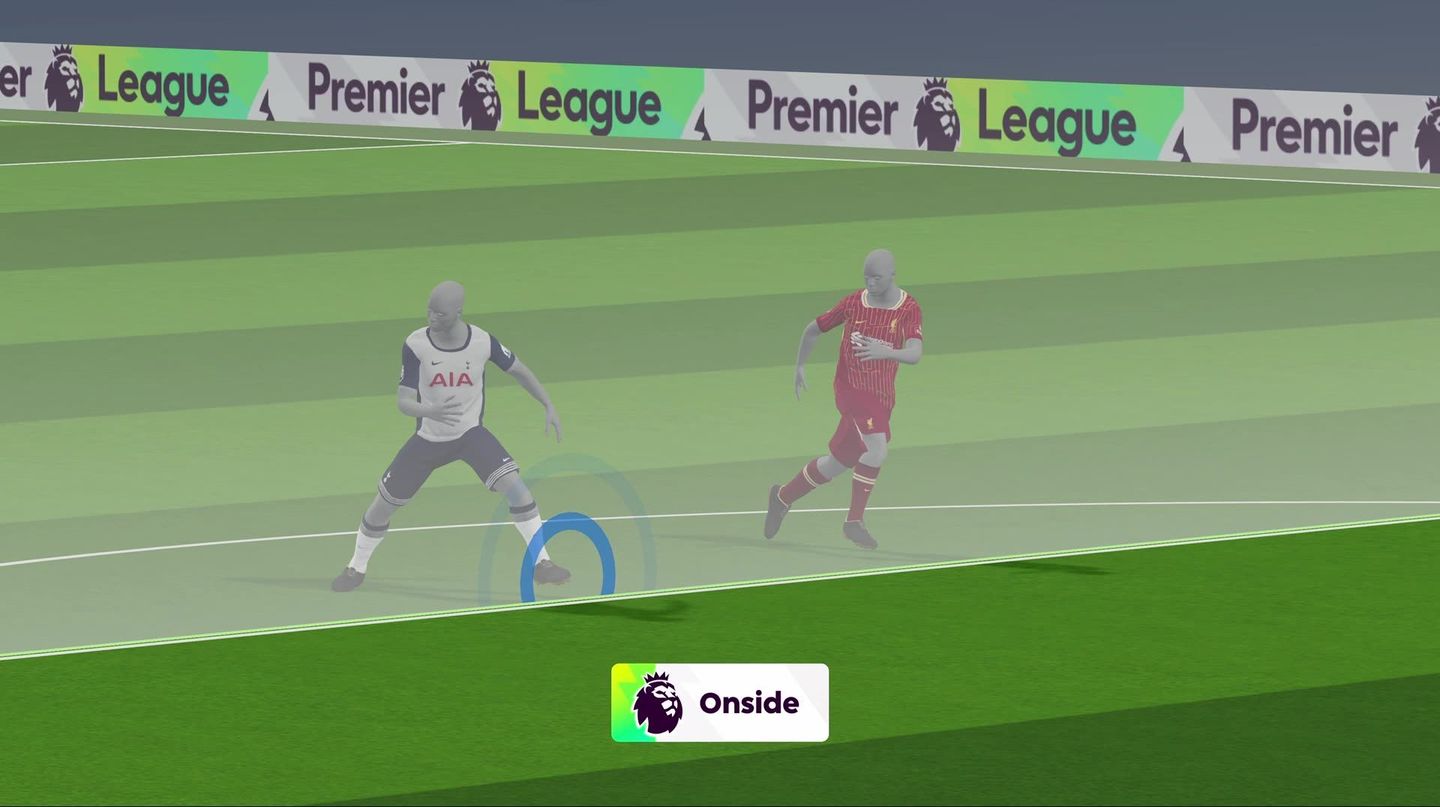
The “level” rule is critical. If you are exactly even with that second-last defender, you are onside. This is why defenders step up in unison, to catch attackers offside. It’s also why assistant referees wait to raise their flag; they’re judging that split-second alignment. For a complete visual breakdown, our visual offside guide uses diagrams to make this spatial judgment crystal clear.
TL;DR: Offside position requires three things: be in the opponent’s half, be ahead of the ball, and be closer to the goal than the second-last defender at the moment of the pass.
Active Play: The 3 Ways to Commit an Offside Offence
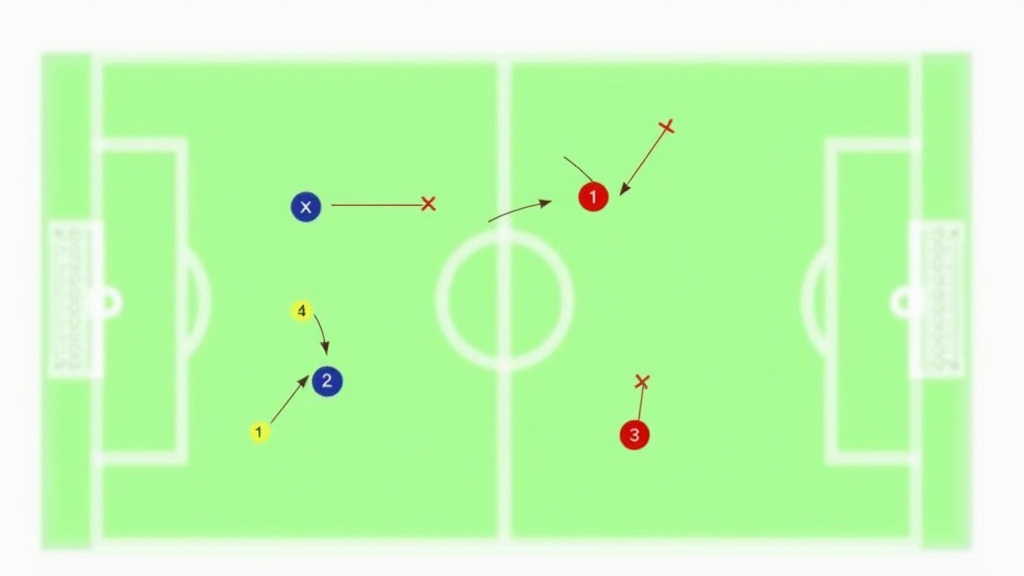
This is the part that separates casual watchers from students of the game. Standing in an offside spot is like parking in a no-parking zone with the engine off. You’re only getting a ticket if you do something. In soccer, you get the “ticket”, an indirect free kick, only if you become actively involved.
The first and most obvious way is interfering with play. This means touching or playing the ball after it has been passed forward by a teammate. If you’re offside and you shoot, pass, or dribble that ball, the whistle blows immediately.
The second way is interfering with an opponent. This is subjective and causes most post-match debates. It means you obstruct the opponent’s line of vision or movement. Standing in front of a goalkeeper so they can’t see the shot? That’s offside. Making a challenge for the ball that impacts a defender’s ability to play it? Also offside. You don’t have to touch the ball.
Common mistake: Thinking you can stand in an offside position as long as you don’t touch the ball, if you block the goalkeeper’s view of a shot, the referee will award an offside offence even if you never move.
The third way is gaining an advantage. This happens when the ball rebounds to you from the goalpost, crossbar, an opponent, or after a deliberate save by the goalkeeper. If you were in an offside position when the original shot or cross was made, and you then play this rebound, you’re offside. The law assumes you gained an unfair position from being offside initially.
| Type of Involvement | What It Looks Like | Consequence if Missed |
|---|---|---|
| Interfering with Play | Receiving a direct pass while offside. | Play stops, indirect free kick to defenders. |
| Interfering with an Opponent | Screening the goalkeeper or blocking a defender’s run. | Subjective call; if missed, attackers score an unfair goal. |
| Gaining an Advantage | Scoring from a rebound off the post while offside. | Goal disallowed; restart with indirect free kick. |
Understanding the difference between active vs passive offside is crucial here. A player who is offside but running back towards their own half, making no attempt to play the ball and not affecting any opponent, is passive. No offence. The moment they gesture for the ball or step toward it, they become active. For a deeper dive into this critical distinction, see our article on passive offside rule.
The 3 Exceptions: When Offside Does Not Apply
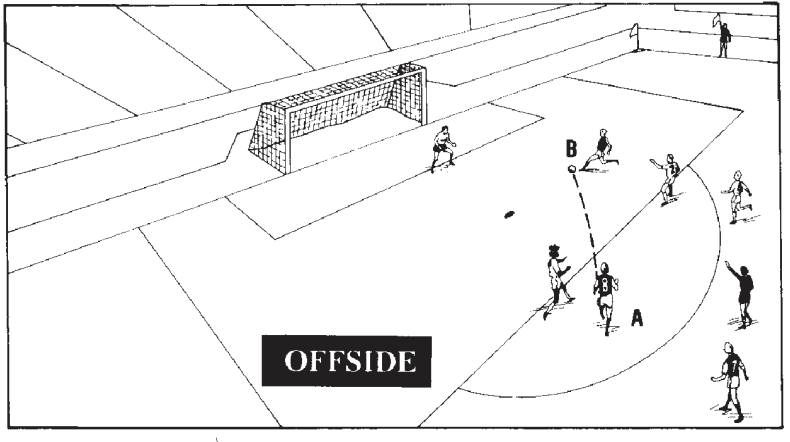
The rule has built-in reset buttons. In three specific restart scenarios, you cannot be offside. This isn’t a loophole, it’s by design to keep the game flowing from certain set pieces.
- Goal Kicks. When the goalkeeper or a defender takes a goal kick, the receiving player can be anywhere on the field, even if they are standing next to the opponent’s goalkeeper. The offside line is effectively erased until the next touch.
- Throw-Ins. Similarly, a player receiving the ball directly from a throw-in cannot be offside. This encourages quick, long throws into the box as a tactical weapon.
- Corner Kicks. The ball is placed on the corner arc, which is by definition behind the goal line. Since you can’t be closer to the goal line than the ball itself at the moment it’s played, offside is impossible on the initial kick.
These are absolute. They are part of the basic soccer rules that every player learns early. If you’re ever unsure why an attacker wasn’t flagged in the box, check the restart. It was likely one of these three. For example, the procedures and tactics around a corner kick are designed precisely because attackers can crowd the goal without offside worry.
How Referees and VAR Make the Call
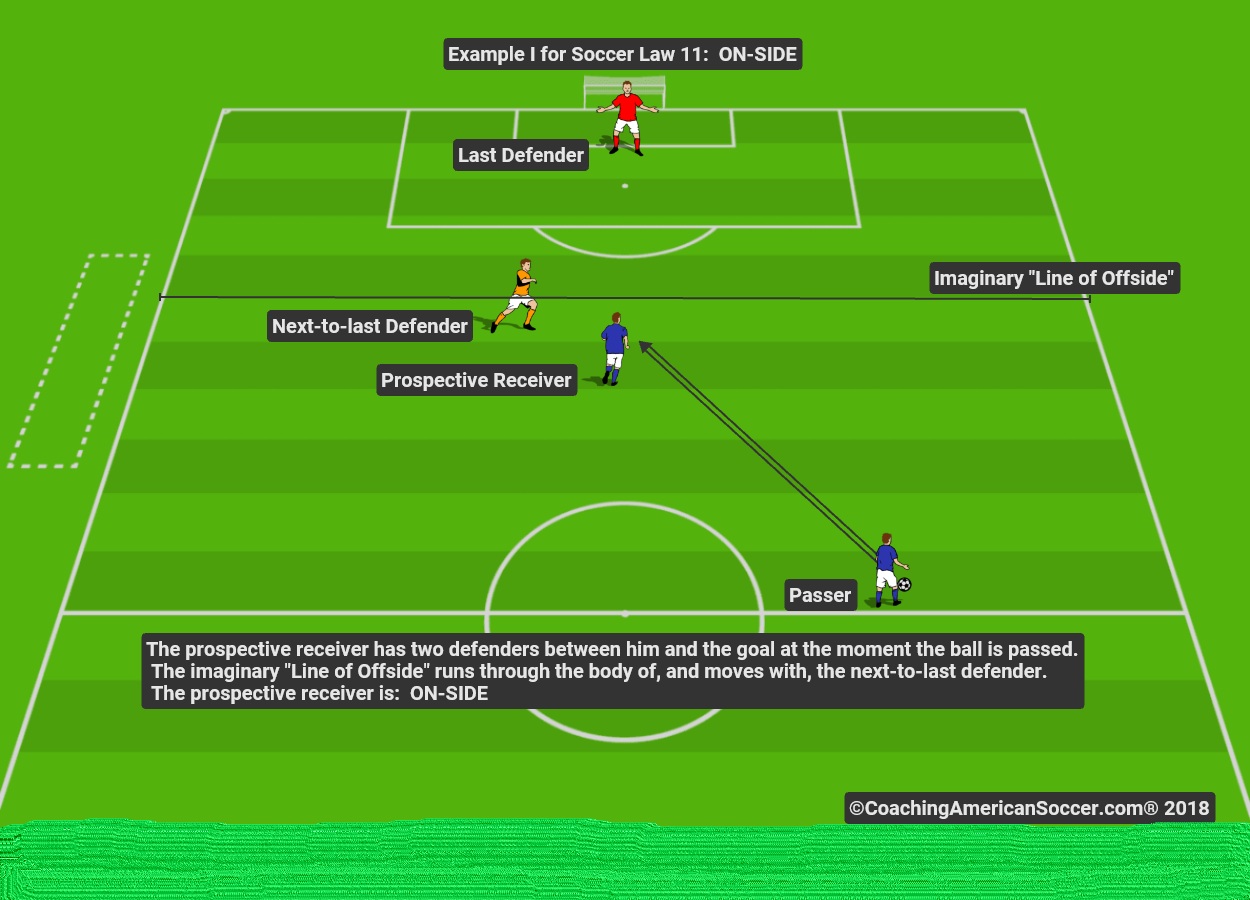
The assistant referee (linesman) on the touchline has the primary job. They keep in line with the second-last defender or the ball, whichever is closer to the goal, and watch for the moment of the pass. Their flag goes up for an offside offence, not just an offside position.
The introduction of the Video Assistant Referee (VAR) has added a technological layer, but it hasn’t removed controversy. For clear “offside position” calls, VAR uses calibrated lines on a frozen video frame to judge millimeters. This has solved the blatant missed calls.
I’ve seen a Bundesliga match where a goal was disallowed because a striker’s armpit was ruled offside by the VAR line. The fans booed for five minutes. The law is the law, but it feels brutal when a player’s shirt sleeve negates a brilliant move.
The real controversy remains with interfering with an opponent. VAR can replay the incident, but deciding if a player truly impacted a defender’s ability to play is a human, subjective judgment. One referee’s “clear obstruction” is another’s “incidental presence.” This is where post-match punditry earns its keep. The core soccer rules for beginners always emphasize the referee’s decision is final, and VAR has only amplified that truth in high-stakes moments.
The Defensive Counter: The Offside Trap
Knowing the rule allows you to defend with it. The defensive offside trap is a coordinated tactic where the back line steps forward together just as an opponent is about to play a through pass, leaving attacking players in an offside position. Executed well, it turns defence into attack in seconds.
It’s high-risk, high-reward. If one defender holds their position or moves late, the trap is broken and the attacker is through on goal with no defenders left. Teams with a disciplined, communicative back four use it as a weapon. For a tactical breakdown of when and how to use it, our guide on offside trap strategy covers the risks and rewards in detail.
The Punishment for an Offside Offence
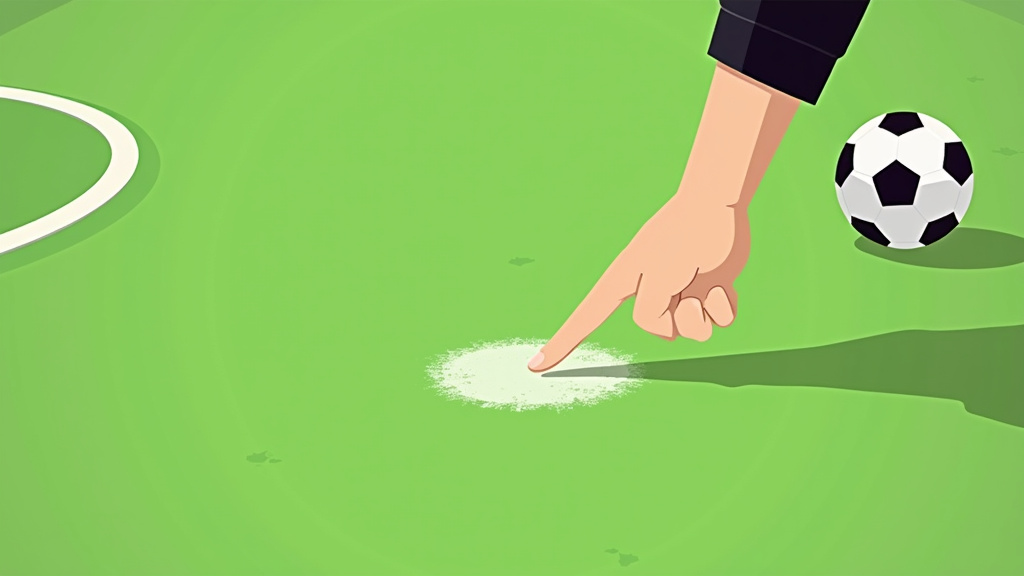
If an offside offence is called, the restart is an indirect free kick for the defending team. It is taken from the spot where the offending player was when they became actively involved. This is crucial: it’s not from where they were initially offside, but from where they committed the offence.
Common mistake: Arguing for a direct free kick or a penalty for offside, the punishment is always an indirect free kick, meaning a goal cannot be scored directly from the kick itself without another player touching it.
Understanding the different restarts is key. An offside offence is just one of several infractions that result in an indirect free kick. Others include a dangerous play or goalkeeper handling a back-pass. You can learn about all the offenses leading to indirect kicks in our dedicated article. There is no yellow or red card for being offside. It’s considered a technical infringement, not a foul.
Frequently Asked Questions
Can you be offside in your own half?
No. The first condition for an offside position is being in the opponents’ half. If any part of your head, body, or feet that can play the ball is in your own half (including on the halfway line), you cannot be offside.
Is there offside from a free kick or a kick-off?
Yes. The exceptions are only for goal kicks, throw-ins, and corner kicks. Offside rules apply normally from free kicks and kick-offs. Defenders often set a line at a free kick to catch attackers offside.
Why do assistants sometimes delay raising the flag?
They are applying the “wait and see” protocol. If a player is in an offside position but it’s unclear if they will become active, or if the defending team gains possession, they hold the flag. This prevents stopping a promising non-offside attack. If the offside player then touches the ball, the flag goes up.
What if a defender deliberately plays the ball to an offside attacker?
This is a tricky scenario. If a defender makes a deliberate, controlled play of the ball (like a clear pass or header), it can reset the phase of play, potentially putting the attacker onside. However, if the ball merely deflects or rebounds off a defender, the attacker’s original offside position is still judged from the teammate’s pass.
Where can I read the official wording of the law?
The International Football Association Board (IFAB) writes the Laws of the Game. For the definitive, legalistic wording, you can consult the IFAB offside law documentation which details every clause and interpretation note used by referees worldwide.
The Bottom Line
The offside rule exists to promote fair and dynamic play, stopping attackers from camping by the goal. Remember the sequence: Position, then Action. You must be in an offside position and then become actively involved for the whistle to blow. The three exceptions, goal kick, throw-in, corner kick, are your get-out-of-jail-free cards.
Watch for the assistant referee’s timing and the defender’s line. That’s where the game within the game happens. Now you know what to look for.

I come from the “soccer heart” of Germany, the Ruhrpott. I have played, trained and followed soccer all my life and am a big fan of FC Schalke 04. I also enjoy following international soccer extensively.