Soccer World Cup Qualification Process Explained
This post contains affiliate links. As an Amazon Associate, we earn from qualifying purchases.
Every four years, 211 national teams across six continents embark on a grueling 2.5-3 year journey for just 31 available spots in soccer’s ultimate tournament. The soccer World Cup qualification process explained here reveals why reaching football’s biggest stage remains one of sports’ most challenging accomplishments. From tiny Pacific islands to European powerhouses, this marathon determines which nations earn the right to compete on football’s grandest platform.
Whether you’re a dedicated fan tracking your team’s progress or a newcomer trying to understand how nations reach the World Cup, this guide breaks down the intricate pathways. You’ll discover why South America’s qualification is considered the world’s toughest tournament outside the finals, how Oceania nations must win an intercontinental playoff just for a chance, and why European qualification involves more teams than any other region.
Asian Football’s Multi-Round Qualification Journey
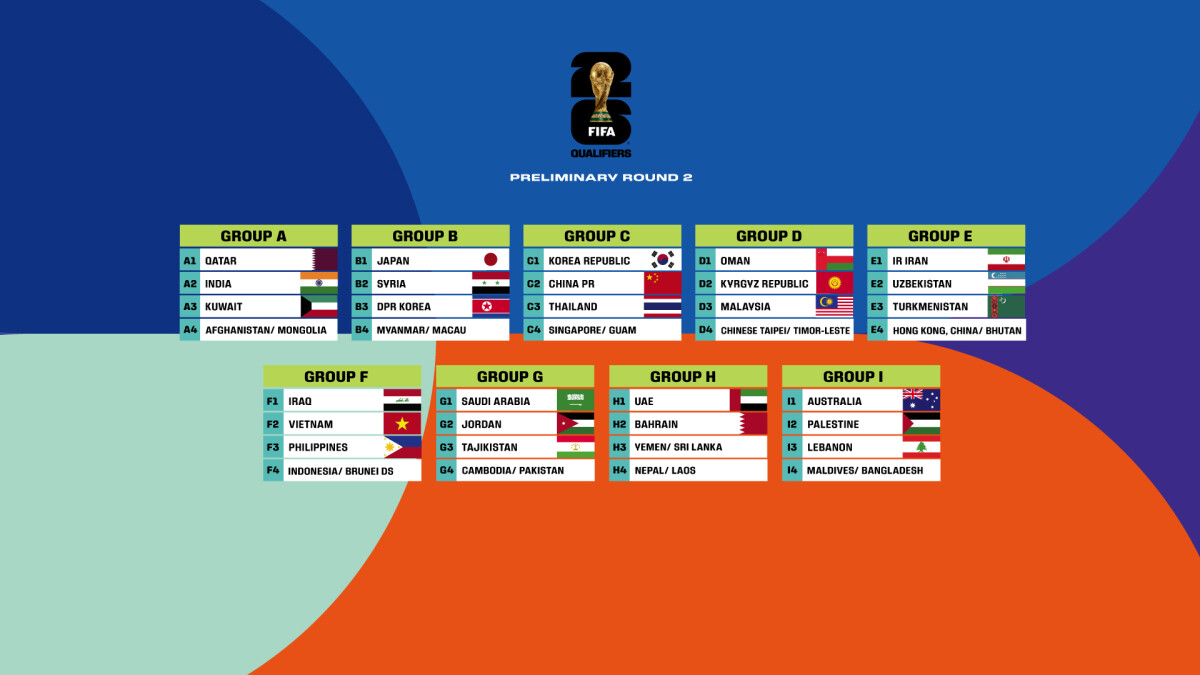
Asia’s qualification process stands as the longest continental pathway, spanning nearly three years through four distinct elimination stages.
First Round Knockout Eliminations for Lowest-Ranked Teams
The journey begins with Asia’s lowest-ranked teams (typically ranked 35th and below) facing immediate elimination in home-and-away knockout matches. These high-stakes two-legged ties reduce the field by half, with only winners advancing to join higher-ranked Asian nations in the next round. This initial elimination creates dramatic moments as minnows battle for survival against slightly stronger opposition.
Second Round Group Stage with Dual Purpose
Forty teams enter this critical phase, divided into eight groups of five. Each nation plays eight matches (home and away against every opponent), with the top team from each group plus the four best runners-up advancing. Crucially, this stage also serves as Asian Cup qualification, doubling the competitive pressure as teams chase dual objectives with every match.
Final Round Deciders: Direct Spots and Playoff Hopes
Two groups of six teams compete in the decisive third round, playing 10 matches each. The top two finishers from each group secure direct World Cup entry, creating Asia’s four automatic qualifiers. The two third-placed teams then face off in a playoff, with the winner advancing to the intercontinental playoff for Asia’s potential fifth representative spot.
Africa’s Straightforward but Ruthless Qualification System
CAF employs one of football’s most unforgiving qualification structures where only winners advance at every stage.
Group Stage with No Margin for Error
Forty teams divide into 10 groups of four, playing six matches each in home-and-away round-robin format. Every match carries enormous weight—second place achieves nothing. Only group winners advance, creating just 10 semifinalists from 54 participating nations. This win-or-go-home format explains why traditional African powers occasionally miss World Cup qualification entirely.
Final Knockout Deciders: Single Elimination Drama
The 10 group winners face single elimination through five two-legged knockout ties. Winners of each tie secure Africa’s five World Cup spots with no second chances. These high-pressure matches often produce dramatic moments as continental giants face elimination with a single poor result.
CONCACAF’s Evolving Qualification Pathway
North America’s qualification has transformed dramatically, expanding from six to eight teams in recent cycles to accommodate growing regional strength.
Final Octagonal Stage: The Ultimate Test
The top eight CONCACAF teams (based on FIFA rankings) enter the grueling “Octagonal”—a single group playing 14 matches each. Teams face every opponent twice, with the top three qualifying directly for the World Cup. Fourth place enters the intercontinental playoff, giving CONCACAF either three or four World Cup representatives depending on playoff success.
South America’s Unmatched Qualification Challenge

CONMEBOL operates the world’s most difficult qualification format where every match feels like a World Cup final.
The Marathon Round-Robin Against Football Giants
All 10 South American nations compete in one massive group, playing 18 matches each over two years. Each team faces every other nation twice—once at home, once away—creating 90 total matches featuring football powerhouses like Brazil, Argentina, Uruguay, and Colombia in every qualifying window. With South America producing four of the last eight World Cup champions, securing qualification from this region represents the ultimate football achievement.
Direct Spots and Precarious Fifth Place
The top four teams qualify automatically, while fifth place enters the intercontinental playoff. This creates intense pressure throughout the campaign, as even powerhouse nations risk missing direct qualification with inconsistent performances against lower-ranked but dangerous opponents.
Oceania’s Intercontinental Playoff Reality
The OFC faces a unique qualification process unlike any other confederation.
No Direct World Cup Spots for Pacific Nations
Oceania receives no direct World Cup spots regardless of qualification performance. The OFC winner must face a team from another confederation in a two-legged playoff for World Cup entry. This system has repeatedly seen New Zealand win OFC qualification but lose intercontinental playoffs to teams from Asia, South America, or North America.
European Qualification’s Complex Dual Pathway
UEFA manages the largest qualification process, involving 55 teams competing for just 13 World Cup spots through multiple pathways.
Group Stage with Nations League Integration
Fifty-five European nations divide into 10 groups—five groups of five teams and five groups of six. Each team plays eight or 10 matches in home-and-away round-robin format. Group winners qualify directly, while the Nations League creates additional pathways for teams failing to win their groups but performing well in the secondary competition.
Playoff Pathways: Four Teams, Three Spots
Ten group runners-up plus two Nations League teams compete in playoffs featuring single-elimination matches. These playoffs produce three additional European qualifiers beyond the 10 group winners, with each playoff pathway featuring semifinals and finals to determine the final qualifiers.
Intercontinental Playoff System: Final Chance for World Cup Glory

The qualification process concludes with dramatic intercontinental playoffs—last opportunities for teams that narrowly missed direct qualification.
Two-Legged Knockout Format with High Stakes
Four teams compete in two separate two-legged playoffs: typically one team each from AFC, CONCACAF, CONMEBOL, and OFC. Winners secure the final World Cup spots through winner-take-all scenarios where aggregate score determines advancement. If tied on aggregate, away goals rule applies, followed by extra time and penalties if needed.
World Cup Spot Distribution and 2026 Expansion Impact
Current qualification allocates 31 spots (plus host) among six confederations based on competitive strength and historical performance.
Current Allocation (32-Team World Cup)
- UEFA: 13 spots
- CAF: 5 spots
- AFC: 4-5 spots
- CONMEBOL: 4-5 spots
- CONCACAF: 3-4 spots
- OFC: 0-1 spot
- Host Nation: 1 automatic spot
2026 Expansion Game-Changer
Starting with the 2026 World Cup, expansion to 48 teams will dramatically increase qualification spots. This change provides more opportunities for smaller nations while potentially altering qualification formats across all confederations, making the soccer World Cup qualification process explained here subject to significant evolution.
Tiebreakers That Decide World Cup Dreams
Qualification often comes down to narrow margins, making tiebreaker procedures crucial in determining final standings.
Sequential Group Stage Tiebreakers
When teams finish level on points, FIFA applies these decisive criteria:
1. Goal difference across all group matches
2. Goals scored in all group matches
3. Head-to-head points between tied teams
4. Head-to-head goal difference
5. Head-to-head goals scored
6. Fair play conduct (yellow/red card accumulation)
7. Drawing of lots by FIFA
Understanding these tiebreakers helps explain why teams might prioritize certain results in their final group matches beyond simply winning.
The soccer World Cup qualification process represents sport’s ultimate endurance test—three years of matches spanning every continent, producing heartbreak and triumph in equal measure. From South America’s relentless round-robin to Europe’s complex dual pathways and Oceania’s playoff-only chance, each continental route presents unique challenges. As the 2026 expansion approaches, more nations will experience this grueling journey, but the fundamental truth remains: reaching the World Cup remains the pinnacle achievement for players and nations worldwide, making understanding the soccer World Cup qualification process explained here essential for any football fan.

I come from the “soccer heart” of Germany, the Ruhrpott. I have played, trained and followed soccer all my life and am a big fan of FC Schalke 04. I also enjoy following international soccer extensively.