FIFA World Cup Format Explained: 48 Teams, New Knockouts
The FIFA World Cup 2026 format is a 48-team tournament hosted across Canada, Mexico, and the United States from June 11 to July 19. It features 12 groups of four, with the top two teams from each group plus the eight best third-placed teams advancing to a new, four-round knockout stage that starts with a Round of 32.
Most guides list the basic facts, 48 teams, more games, but miss the tactical and logistical chaos this expansion creates. They don’t explain how a third-place team from one group gets ranked against another, or why a group winner might face a tougher knockout path than a runner-up. That’s where tournaments are won and lost.
This breakdown covers the new group stage math, the knockout bracket’s hidden traps, and the real-world impact of a 39-day event spanning four time zones. You’ll learn the rules that will decide who lifts the trophy in New Jersey.
Key Takeaways
- The 2026 World Cup adds a Round of 32, creating four knockout rounds instead of three, which increases the physical toll on squads and demands deeper rosters.
- Advancing from the group stage requires understanding a six-tier tiebreaker system where Fair Play points (yellow/red cards) can eliminate a team before FIFA Ranking is used.
- The eight best third-placed teams are ranked by points, then goal difference, then goals scored across all 12 groups, a rule that encourages aggressive play even in the final group match.
- With 13 different kick-off times across 16 host cities, team recovery schedules and global TV viewership patterns will be more fragmented than in any previous tournament.
- Three host nations (Canada, Mexico, USA) qualify automatically and are pre-seeded into specific group positions (A1, B1, D1) for the draw, per the official FIFA draw procedures.
The 2026 Hosts and Schedule
The tournament runs from June 11 to July 19, 2026, a 39-day marathon. It’s the first World Cup with three host nations: Canada, Mexico, and the United States. Sixteen cities will stage matches, from Vancouver to Guadalajara to Boston.
The final is set for MetLife Stadium in East Rutherford, New Jersey. The two semifinals will be in Atlanta’s Mercedes-Benz Stadium and AT&T Stadium in Arlington, Texas. Miami Gardens, Florida, hosts the bronze medal match. This geographic spread is unprecedented. A team could play a group match in Seattle, a Round of 32 game in Mexico City, and a quarterfinal in Toronto. Travel logistics and climate adaptation become a core part of team strategy.
The official FIFA regulations confirm the tournament will include mandatory hydration breaks, three minutes per half, due to the expected high summer temperatures across North American host cities.
TL;DR: A 39-day tournament across 16 North American cities forces teams to factor cross-continent travel and varying climates into their preparation, not just their opponents.
How Does the 2026 Group Stage Work?
Forget the old eight groups of four. The 2026 group stage structure features 12 groups of four teams. Each team plays the other three in its group once. That’s three matches per team, totaling 72 group stage games.
The advancement rule is the first major change. The top two teams from each of the 12 groups automatically qualify for the knockout stage. That’s 24 teams. They are joined by the eight best third-placed teams from across all groups, bringing the knockout field to 32. This system, where 66% of the field advances, fundamentally alters group-stage psychology. A single win and a draw might be enough. It rewards consistency over a single spectacular result.
Common mistake: Assuming goal difference is the primary tiebreaker between teams level on points, head-to-head result comes first, a rule that cost Portugal top spot in a recent European Championship group.
Ranking those eight best third-placed teams is a mini-tournament in itself. FIFA compares all third-placed teams using a specific cascade of criteria:
1. Highest number of points
2. Best goal difference
3. Highest number of goals scored
4. Highest number of wins
5. Lower number of disciplinary points (Fair Play)
6. FIFA Ranking
This makes the final group matches incredibly tense. A team finishing third in Group B with 4 points and a +2 goal difference could advance over a third-place team in Group F with 3 points and a +3 difference. Points trump everything.
| Ranking Criteria for Third-Placed Teams | What It Measures | Why It Matters |
|---|---|---|
| Points | Total points earned (Win=3, Draw=1) | The primary filter; a draw in the last match could be the difference between 4 points (advancing) and 3 points (going home). |
| Goal Difference | Goals scored minus goals conceded | Encourages attacking play until the final whistle, even in a settled match. |
| Goals Scored | Total goals for | Further incentive to push for a second or third goal after securing a lead. |
| Fair Play Points | Yellow/red card deductions | A single reckless yellow card in a match already decided can knock a team out. |
The New Knockout Round: From 32 to Champion
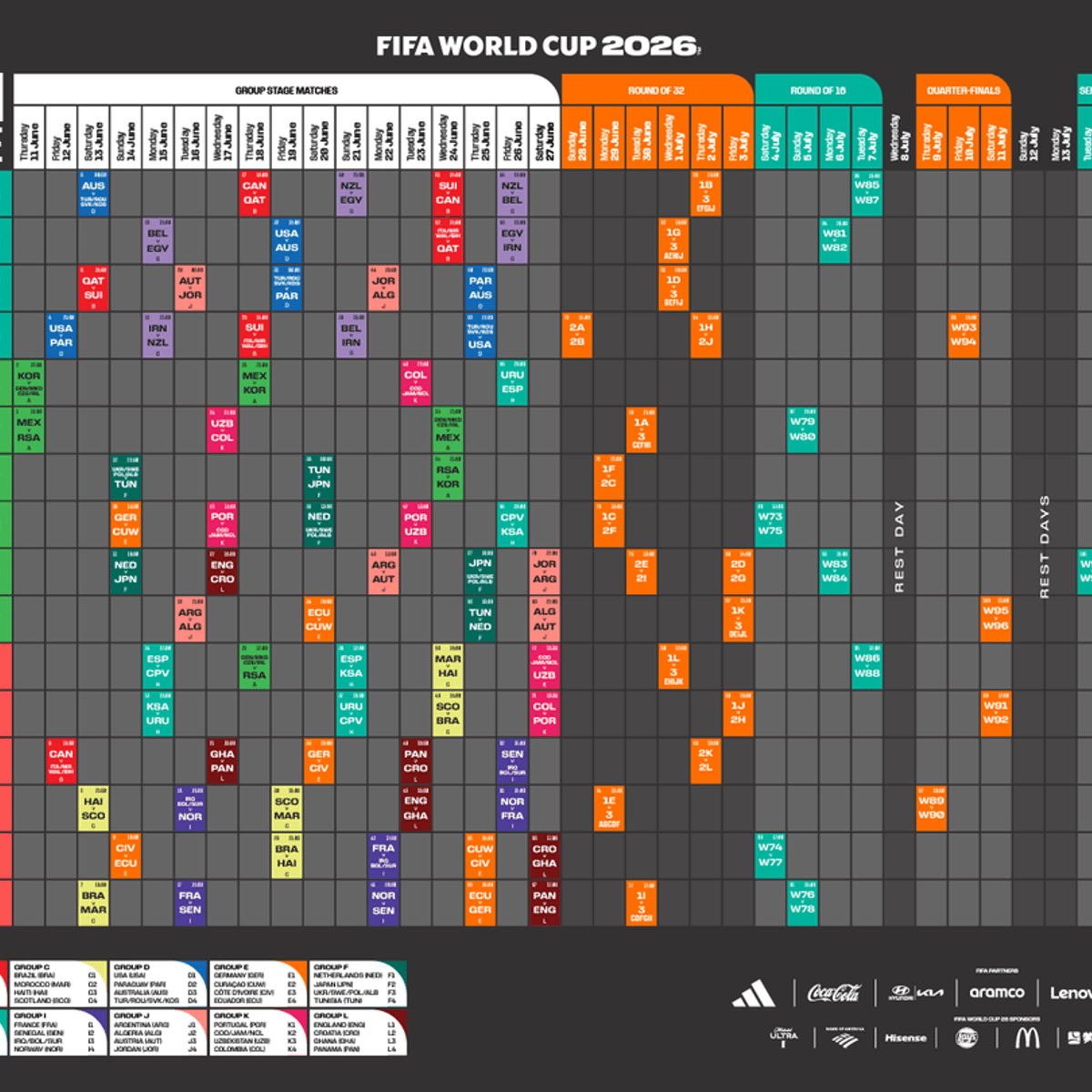
The knockout phase begins with a Round of 32, a completely new round for the modern World Cup. This is the second major structural shift. The bracket is designed to balance the path for group winners, but it’s not perfectly straightforward.
The group winners and runners-up are placed into specific knockout bracket positions based on their group designation (Group A winner, Group B runner-up, etc.). FIFA’s draw procedures aim to ensure group winners do not face each other in the Round of 32. However, a group winner could face a very strong third-placed team that narrowly missed second in a tough group. There’s no easy path.
The knockout matches follow a standard single-elimination format. If a match is tied after 90 minutes, two 15-minute periods of extra time are played. If still tied, a penalty shootout decides the winner. The schedule is relentless:
* Round of 32: June 28 – July 3
* Round of 16: July 4 – July 7
* Quarterfinals: July 9 – July 11
* Semifinals: July 14 – July 15
* Bronze Medal Match: July 18
* Final: July 19
Winning the tournament requires navigating seven matches if a team goes through the group stage as a third-placed side, that’s the same number as the old format, but with one more high-stakes knockout game packed into the schedule. Squad depth and rotation are non-negotiable.
I prefer the old 32-team knockout bracket. The purity of a Round of 16 felt like a proper reward for surviving the groups. This new Round of 32 waters down that achievement. It protects the big nations and adds a revenue-generating match, but it risks turning the first knockout round into a formality for the favorites.
How Teams Qualify for the 48 Spots
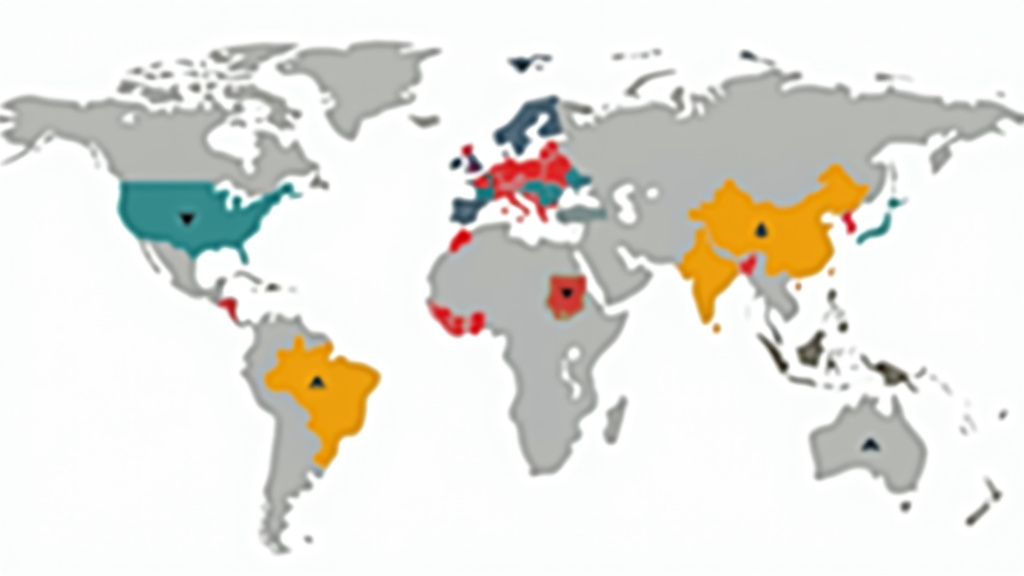
The expanded format means more nations than ever have a realistic chance to qualify. The three host countries. Canada, Mexico, and the United States, occupy spots automatically. The remaining 45 spots are allocated to FIFA’s continental confederations:
* AFC (Asia): 8 spots (+1 from 2026)
* CAF (Africa): 9 spots (+4)
* CONCACAF (North/Central America): 3 spots (+1, excluding hosts)
* CONMEBOL (South America): 6 spots (+2)
* OFC (Oceania): 1 spot (+1)
* UEFA (Europe): 16 spots (+3)
The final two spots in the 48-team field are decided by a six-team intercontinental play-off tournament. One team each from AFC, CAF, CONCACAF, CONMEBOL, OFC, and UEFA (based on ranking) will be invited to a single host nation. They’ll play in a knockout format, likely two semifinals and a final, for the last two tickets to the World Cup. This play-off is a brutal, high-stakes mini-tournament that often produces a Cinderella story.
The seeding for the Final Draw in late 2025 will use the FIFA/Coca-Cola Men’s World Ranking. The hosts will be pre-assigned: Mexico to position A1, Canada to B1, and the USA to D1. FIFA’s rules generally prevent more than one team from the same confederation (except UEFA) from being in the same group. Each group will contain one or two European teams.
Key Rules and Tie-Breakers You Need to Know
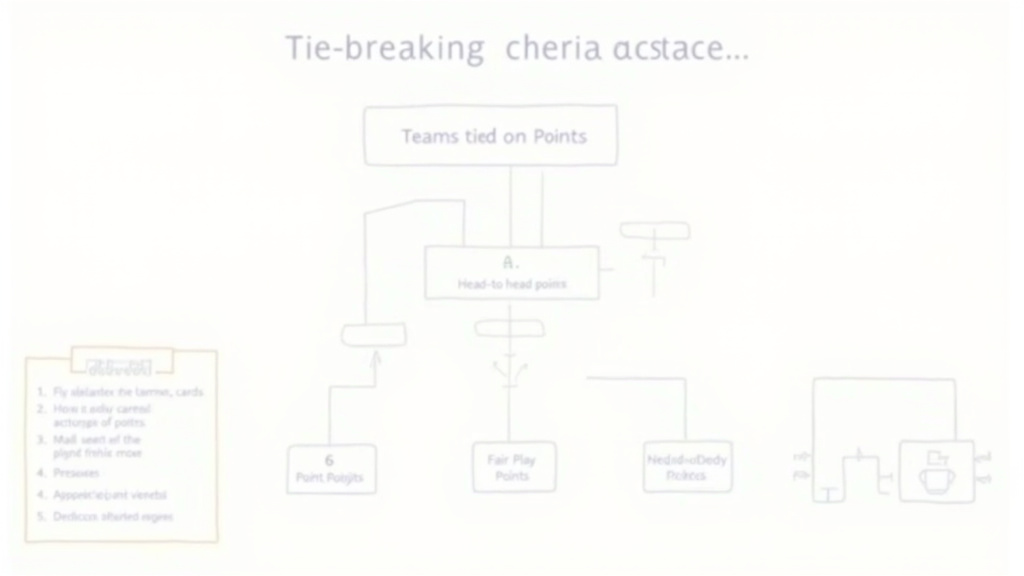
The tie-breaking sequence within a group is critical. It’s a cascade, moving to the next criterion only if teams are level on the previous one:
1. Points in head-to-head matches
2. Goal difference in head-to-head matches
3. Goals scored in head-to-head matches
4. Goal difference in all group matches
5. Goals scored in all group matches
6. Fair Play points (yellow card = -1 pt, indirect red = -3 pts, direct red = -4 pts, yellow + direct red = -5 pts)
7. FIFA Ranking
Notice that head-to-head record is the absolute decider before overall goal difference. This is why a 0-0 draw between two eventual title contenders can have massive implications months later. Fair Play is the sleeper. In the 2018 World Cup, Japan advanced over Senegal because they had fewer yellow cards. Clean play is a tactical asset.
Never underestimate the Fair Play tiebreaker. A defender taking a “professional” yellow card to stop a counter-attack in the 85th minute of a match you’re winning 2-0 could be the reason your nation watches the Round of 32 from home. It’s a rule that punishes cynical play, and I’ve seen coaches drill it into players during pre-tournament camps.
For the global fan, the fragmented schedule is a new challenge. The BBC reports there will be 13 distinct kick-off time slots across the 16 venues. A fan in London might watch a lunchtime game from Vancouver, but the prime-time match from Mexico City won’t start until 2 a.m. local time. This disrupts traditional viewing rituals and will test the stamina of even the most dedicated supporters.
Frequently Asked Questions
How many matches are in the 2026 World Cup?
There will be 104 matches total: 72 in the group stage and 32 in the knockout stage. This is a significant increase from the 64 matches in the 2022 tournament.
What happens if a knockout game is tied after 90 minutes?
The match goes to extra time, two periods of 15 minutes each. If the score is still level after 120 minutes, the winner is decided by a penalty shootout.
Do all host countries automatically qualify?
Yes. Canada, Mexico, and the United States all qualified automatically as co-hosts. Their places are protected and do not come from their confederation’s allocated quota of qualifying spots.
How are the “best” third-placed teams determined?
FIFA ranks all 12 third-placed teams across every group using a set list of criteria. They look at total points first, then overall goal difference, then overall goals scored. The top eight teams on that combined ranking advance to the Round of 32.
When is the draw for the 2026 World Cup?
The official Final Draw is scheduled for late 2025, likely in November or December. The exact date will be set by FIFA. The draw will use the FIFA World Ranking published closest to that date to seed the pots.
Why is the format changing?
FIFA’s stated goal is to increase global participation and revenue. The expansion to 48 teams allows more nations from Africa, Asia, and North America to experience the tournament. The new four-year cycle of the World Cup remains unchanged, but the larger event generates more broadcast and sponsorship income for FIFA and its member associations.
The Bottom Line
The 2026 World Cup format is a gamble on scale over tradition. The 48-team field and the new Round of 32 guarantee more matches, more drama, and more revenue. They also dilute the exclusivity of the knockout stages and place a brutal physical demand on players.
Your takeaway should be this: surviving the group stage requires a calculator and disciplined defending. Advancing as a third-placed team is a viable strategy, but it leaves no margin for error in the tiebreakers. Winning the whole thing demands a squad of 26 players who are all ready to start a knockout game, because the path is longer and more punishing than ever.
The beauty and the chaos of this new format will unfold across North America in the summer of 2026. Start planning your sleep schedule now.
I come from the “soccer heart” of Germany, the Ruhrpott. I have played, trained and followed soccer all my life and am a big fan of FC Schalke 04. I also enjoy following international soccer extensively.