Top Things to Do Around Levi’s Stadium for the World Cup
To experience the 2026 FIFA World Cup around Levi’s Stadium, you need a split-base strategy: stay in San Francisco for iconic tourism and nightlife, then shift to the South Bay. Santa Clara, San Jose, or Sunnyvale, for efficient match-day transit. Your non-match days should be grouped by region to avoid exhausting cross-Bay travel, and you must commit to public rail (Caltrain + VTA) to reach the stadium.
Most visitors assume the stadium is in San Francisco. It’s not. Levi’s Stadium sits in Santa Clara, 45 miles south. That mistake burns half a day in traffic or on a cramped train if you try to sightsee and attend a match from a single San Francisco hotel. You’ll miss the local scene, the tech museums, the family-friendly parks, the affordable taquerias, because you’re stuck commuting.
This guide maps out the specific activities, transit hacks, and local secrets that turn a World Cup trip into a proper Bay Area visit. We’ll cover how to get there without driving, where to stay, what to do on days without a match, and how to pack for two different climates.
Key Takeaways
- Drive only if you pre-booked FIFA parking. On-site sales are banned, prices start at $203, and traffic jams are guaranteed. The VTA Orange Line light rail from Mountain View is the smarter move.
- Split your accommodation. Start in San Francisco for Alcatraz and the bridges. Then move to a Santa Clara or San Jose hotel for match days. The Hilton Santa Clara and Hyatt Regency Santa Clara are walkable to the stadium.
- Santa Clara is sunny, San Francisco is foggy. Pack a jacket for the city and sunscreen for the stadium. The temperature gap can hit 25 degrees.
- Group your tourism by zone. Don’t mix a Golden Gate Bridge morning with a Silicon Valley afternoon. The travel time kills the vibe.
- Post-match transit has a queue. After the final whistle, the VTA station at Great America will be packed. Walk to a nearby restaurant, have a meal, and let the crowd thin.
How to Get to Levi’s Stadium Without Driving
Head straight for the rails. Driving to Levi’s Stadium for a World Cup match is the number one rookie error. Parking must be pre-booked through FIFA’s official portal, you cannot buy a spot on-site. Prices for group-stage games start at $203. For a Round of 32 match, they climb toward $269. The highways (101, 237, 880) will be choked.
The stadium’s official transit guidance directs all fans to take Caltrain to Mountain View Station, transfer to the VTA Orange Line light rail, and ride to the Great America Station adjacent to the venue. A one-way VTA fare is $2.50, and a combined Caltrain+VTA day pass is available for purchase online.
The VTA Orange Line is your lifeline. From San Francisco, take Caltrain south. The journey to Mountain View takes about an hour. Transfer to the waiting Orange Line train. That leg takes another 15 minutes. Total transit time from downtown San Francisco: 75 to 90 minutes. Match-day crowds will stretch that. Arrive at the stadium at least 90 minutes before kickoff for security screening.
TL;DR: Caltrain to Mountain View, switch to VTA Orange Line to Great America Station. Do not drive.
The Bike and Scooter Backup Plan
If you’re staying within a few miles of the stadium, the San Tomas Aquino Creek Trail leads directly to the venue. Roads closed to cars on game days often remain open to bicycles. The Silicon Valley Bicycle Coalition offers free, supervised bike and scooter parking near the stadium gates.
I tried riding from a Sunnyvale hotel once for a 49ers game. The trail was smooth, but I underestimated the post-game exhaustion. Riding back after four hours in the sun felt like a marathon. Bring water. And a lock.
Rideshare Drop-off Zones
Designated areas exist for Uber and Lyft. Use them if you must. After the match, the pick-up zone becomes a logjam. Wait times can exceed an hour as thousands request rides simultaneously. Your best post-game move is to walk to a nearby restaurant, eat, and request your ride after the crowd surge passes.
Where to Stay: The Split-Base Strategy
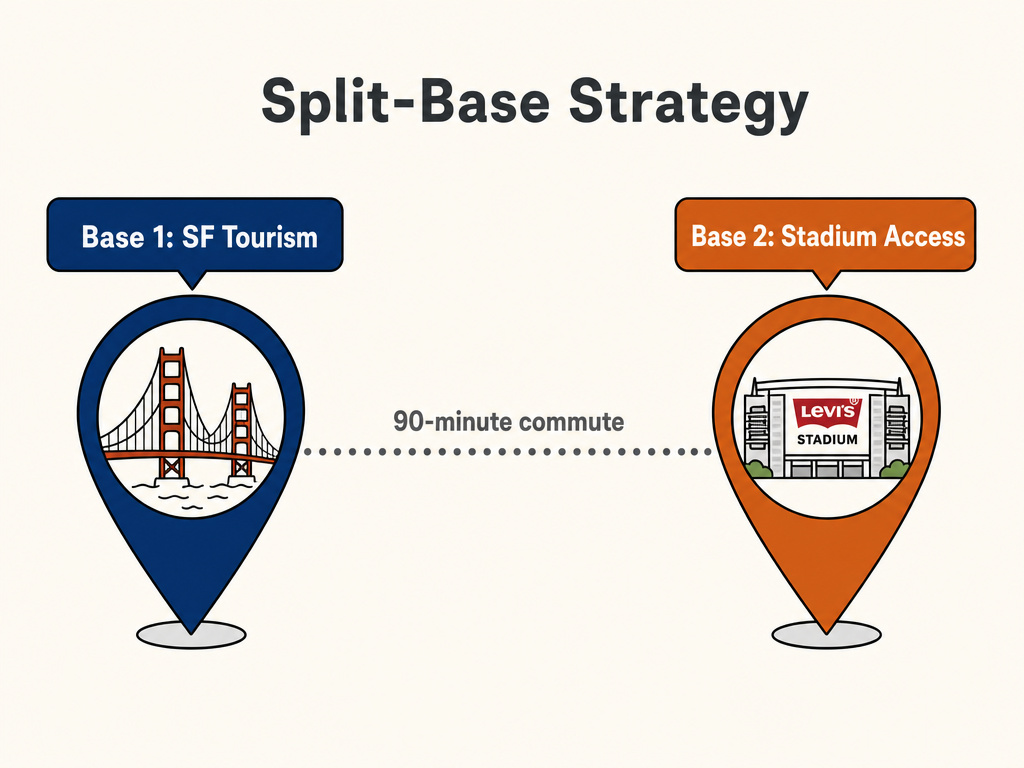
Sleep in two places. San Francisco delivers the iconic tourism, walkable neighborhoods, Alcatraz tours, waterfront dining. But it’s a 90-minute transit ride to the stadium. Santa Clara, San Jose, and Sunnyvale put you 15 minutes from the gates via light rail or car, but the nightlife is quieter.
Common mistake: Booking a single San Francisco hotel for the entire trip, you’ll spend 3+ hours commuting on each match day, leaving you too tired for evening tourism.
Your first base should be San Francisco. Use those days for concentrated city exploration. Then, before your first match, relocate to the South Bay.
| Area | Best For | Match-Day Transit Time | Sample Hotel |
|---|---|---|---|
| San Francisco | Tourism, nightlife, iconic sights | 75–90 minutes (Caltrain + VTA) | Any downtown hotel near a Caltrain station |
| Santa Clara | Stadium proximity, family trips | 5–15 minutes (walk or VTA) | Hilton Santa Clara, Hyatt Regency Santa Clara |
| San Jose / Sunnyvale | Balanced access, more hotel options | 15–20 minutes (VTA or car) | Santana Row area hotels |
The Hilton Santa Clara and Hyatt Regency Santa Clara are the two hotels within walking distance of Levi’s Stadium. They will be premium-priced during the World Cup. San Jose’s Santana Row area offers upscale lodging with dining and shopping, and it’s a short VTA ride or drive to the stadium.
I once stayed only in San Francisco for a concert at Levi’s. The post-event train ride back felt endless. I missed the last ferry to Alcatraz the next day because I was too drained to wake up early. Now I always split the stay.
The Two-Climate Packing List
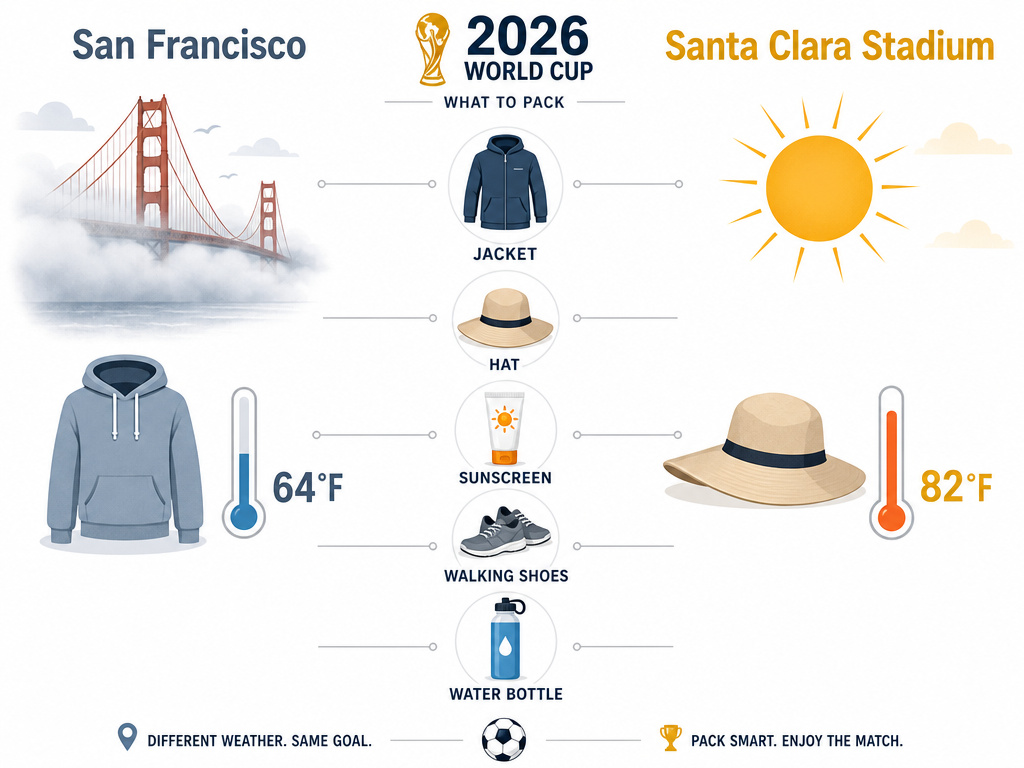
San Francisco and Santa Clara exist in different weather worlds. In June and July, San Francisco averages 60 to 68 degrees Fahrenheit with morning fog and a chilly evening breeze. Santa Clara, just 45 miles south, can hit 75 to 88 degrees under clear sun. At the stadium, you’ll bake if you’re dressed for the city.
Pack these layers:
– A lightweight, long-sleeve jacket or hoodie for San Francisco.
– A wide-brim hat and sunscreen (SPF 30+) for the stadium.
– Comfortable walking shoes for city exploration and stadium concourses.
– A reusable water bottle, stadium vendors will be busy, and tap water is free.
The stadium’s LEED Gold certification includes a massive rooftop farm, but that doesn’t shade the seats. You’ll be exposed.
Santa Clara’s Local Scene Beyond Great America
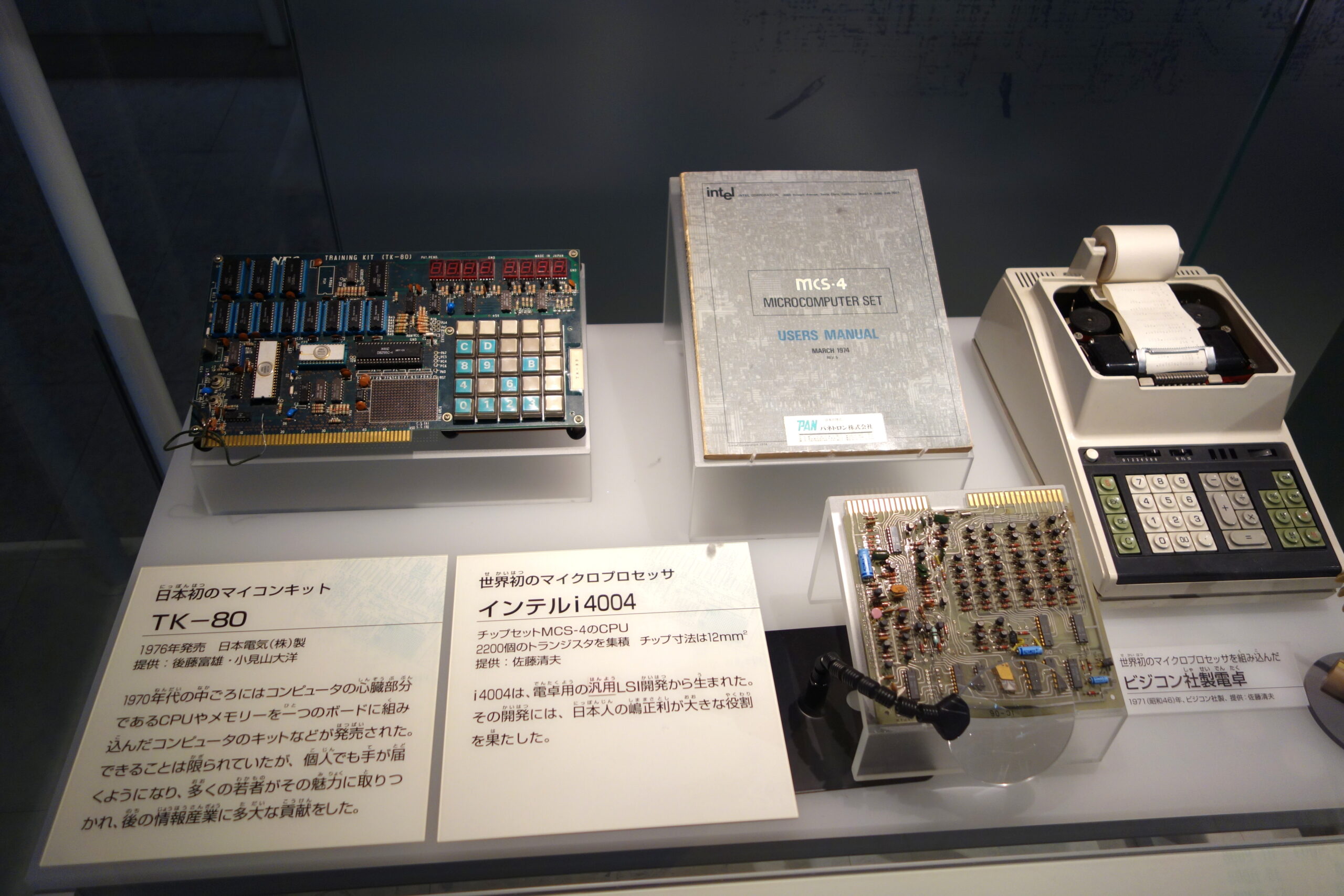
Photo: Daderot / Wikimedia Commons / CC0

On a non-match day, you have options within a short VTA ride or drive from the stadium. Most guides just mention California’s Great America theme park. There’s more.
For Families: Museums and Parks
The Intel Museum in Santa Clara offers free admission and a hands-on look at semiconductor history. It’s small, about an hour visit, perfect for kids curious about tech. The Santa Clara Central Park, a few blocks from the stadium, has playgrounds, picnic areas, and a library.
For a bigger excursion, the Children’s Discovery Museum of San Jose is a 20-minute VTA ride away. It’s a half-day activity with interactive science exhibits.
For Tech Enthusiasts: The Silicon Valley Pulse
The Computer History Museum in Mountain View is a deep dive. It’s located right by the Mountain View Caltrain station, making it a natural stop before or after your transit transfer. The museum covers everything from early mainframes to the rise of the smartphone. Allow two to three hours.
Apple Park Visitor Center in Cupertino is about a 15-minute drive from Santa Clara. You can’t tour the main building, but the visitor center has a café, an observation deck, and a design-focused Apple Store.
Affordable Dining Near the Stadium
Walking distance from Levi’s Stadium, you’ll find a cluster of casual, family-run spots. Taqueria El Grullo on El Camino Real serves solid burritos and tacos. Salad’s Mediterranean Grill offers quick, healthy plates. For a post-match beer and burger, The Old Wagon Saloon & Grill has a local crowd.
Avoid the stadium concession crush. Walk ten minutes to these places instead.
I made the mistake of queueing for stadium food at halftime during a hot 49ers game. By the time I got my order, the third quarter had started. I missed a touchdown. Now I eat outside the gates before entry.
Grouping Your San Francisco Tourism Days
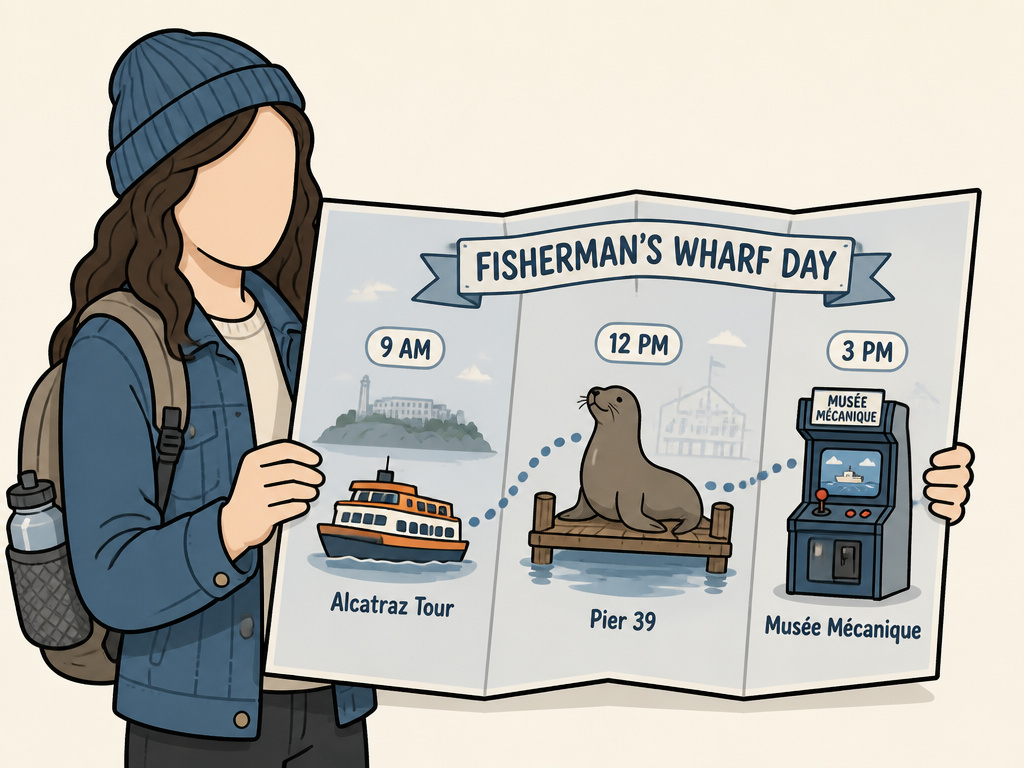
San Francisco deserves dedicated days. Do not attempt a morning at the Golden Gate Bridge and an afternoon at the Stanford University campus in Palo Alto. The travel between them consumes two hours by car or transit.
Pick a neighborhood and explore it deeply.
Fisherman’s Wharf & North Waterfront: Alcatraz Island tours (book weeks ahead), sea lion sightings at Pier 39, the Musée Mécanique antique arcade. Use a full day here.
Golden Gate Park & Haight-Ashbury: The California Academy of Sciences, the Japanese Tea Garden, a walk through the historic Haight-Ashbury district. Another full day.
Mission District & Downtown: Mission Dolores, mural walks along Balmy Alley, and the contemporary art at SFMOMA. Mix with downtown shopping if you like.
The cable cars are iconic but slow. For efficient cross-city movement, use the Muni Metro light rail or buses. Purchase a Muni Passport for unlimited rides.
Navigating Post-Match Transit and Crowds
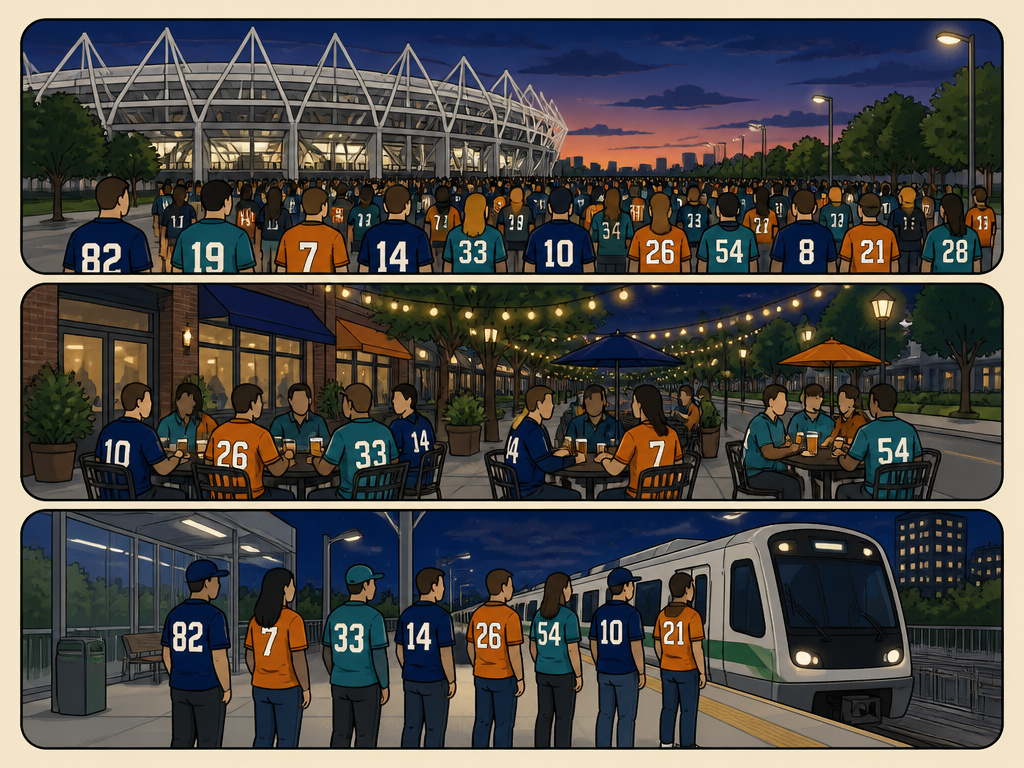
When the final whistle blows, 70,000 fans will move toward the exits. Your transit strategy must account for this crush.
The VTA Orange Line station at Great America will form long queues. The trains run frequently, but boarding will be slow. Here’s a better sequence:
1. Walk away from the stadium toward the restaurants on El Camino Real or the Great America theme park area.
2. Have a meal or a drink. Let the initial crowd load onto the first few trains.
3. After 45 to 60 minutes, walk back to the station. The queue will be shorter.
4. If you’re heading to San Francisco, ensure you know the last Caltrain departure time. Miss it, and you’re stuck finding a late-night alternative.
For drivers with pre-booked parking, expect a 30- to 60-minute delay exiting the lot. Traffic officers direct the flow, but volume creates gridlock.
Common mistake: Rushing directly to the VTA station after the match, you’ll stand in a sun-exposed queue for 30 minutes while trains fill slowly. A nearby taqueria is smarter.
Stadium Accessibility and Fan Experience Upgrades
Levi’s Stadium received $200 million in upgrades ahead of the World Cup. New scoreboards, enhanced premium seating, and improved concourses are part of the package. For accessibility, the venue offers designated seating areas, accessible restrooms, and companion seating.
Public transit accessibility: VTA light rail trains are accessible, with level boarding at stations. Caltrain cars have accessible compartments. Announce your needs to station staff; they can assist with boarding.
The stadium’s fan zones will be interactive, but the Bay Area Host Committee is supporting distributed fan activities across nine counties rather than one massive central fest. Look for local community-run watch parties in Santa Clara, San Jose, or San Francisco neighborhoods. These smaller events often have better food and shorter lines.
The on-site 49ers Museum and team store will be open, offering a football history diversion before soccer takes over.
Frequently Asked Questions
How many World Cup matches will Levi’s Stadium host?
The stadium will host six matches: five group-stage games and one Round of 32 knockout match. The games are scheduled between June 13 and July 1, 2026.
What is the cheapest way to get to Levi’s Stadium from San Francisco?
The VTA Orange Line light rail, connected via Caltrain, is the cheapest official route. A one-way VTA fare is $2.50, and Caltrain fares vary by distance. A combined day pass is available. Driving costs over $200 for pre-booked parking plus fuel and time.
Can I stay in San Francisco and still easily attend a match?
You can, but it’s not easy. The transit time is 75-90 minutes each way, which consumes over three hours on your match day. This leaves you little energy for tourism. A split-stay. San Francisco for sightseeing, South Bay for match days, is the expert recommendation.
What is there to do in Santa Clara besides the theme park?
Visit the Intel Museum (free), explore Santa Clara Central Park, dine at local taquerias like El Grullo, or take a short VTA ride to San Jose’s Children’s Discovery Museum or the Computer History Museum in Mountain View.
What should I absolutely not forget to pack?
Sunscreen for Santa Clara’s stadium sun and a warm layer for San Francisco’s fog and wind. The temperature difference can exceed 25 degrees Fahrenheit. Also, a refillable water bottle to avoid concession queues.
The Bottom Line
Your World Cup trip to Levi’s Stadium is a Bay Area trip. Treat it like one. Base yourself in San Francisco for the iconic sights and move south for match efficiency. Bind your days to specific regions, don’t zigzag across 45 miles of traffic. Commit to the VTA Orange Line rail; driving is a costly headache.
Remember the climate split. Dress for the city’s chill and the stadium’s bake. Seek out Santa Clara’s local gems, the free tech museum, the family parks, the affordable Mexican food. They’re the authentic experiences that most visitors miss because they’re rushing back to San Francisco.
Finally, let the post-match crowd dissipate. Walk to a nearby restaurant, relax, and then catch your train. That patience turns a chaotic exit into a calm conclusion.
I come from the “soccer heart” of Germany, the Ruhrpott. I have played, trained and followed soccer all my life and am a big fan of FC Schalke 04. I also enjoy following international soccer extensively.