Top Things to Do Around Lumen Field During the World Cup
The best things to do around Lumen Field during the 2026 World Cup center on three actions: ride the Link Light rail everywhere, immerse yourself in the pre-match pub culture of Pioneer Square, and use your rest days to explore Seattle’s core attractions like Pike Place Market and the official FIFA Fan Zones.
Most visitors get this wrong by fixating on the stadium itself. They treat Lumen Field as an island and plan a complicated, car-dependent trip. That approach misses the point and guarantees traffic headaches. Seattle is built for a car-free tournament experience, with a 38-minute light rail line from the airport that stops at the stadium’s north gate. Your visit is about the city’s atmosphere as much as the match.
This guide maps out the seven-day fan experience. We’ll cover the exact transit strategy, pinpoint the bars that will become national team hubs, detail the four official fan zones, and build a rest-day itinerary that actually works with the match schedule.
Key Takeaways
- Forget your car. The Link Light Rail 1 Line is your lifeline. It runs from Sea-Tac Airport directly to Stadium Station in 38 minutes and connects downtown, Capitol Hill, and the University District. On-site parking is limited, expensive, and requires pre-purchase.
- Pioneer Square is the heart. Seattle’s oldest neighborhood, a 5-15 minute walk from the stadium, is the organic fan hub. Its cobblestone streets and Victorian-era bars are the pre- and post-match ritual for Sounders FC fans and will be ground zero for World Cup crowds.
- Book hotels for transit, not just price. Pioneer Square hotels sell out first. Downtown/Belltown offers the best blend of selection and light rail access. Capitol Hill is a strong alternative for nightlife. Airport hotels are a logistical mistake.
- Plan for two types of days. Match days are for transit, Pioneer Square, and the stadium. Rest days are for the Space Needle, Pike Place Market, and the sprawling Seattle Center fan zone.
- Arrive early for high-demand matches. For a game like USA vs. Australia on June 19, gates open three hours before kickoff. Aim to be in Pioneer Square at least 2.5 hours early to secure a spot in the buzzing pubs before the march to the stadium.
How to Get to Lumen Field Without a Car
Driving to Lumen Field for a World Cup match is the single most avoidable mistake. Seattle traffic is notorious, and the stadium’s SoDo neighborhood has limited parking that will be sold via pre-purchase only, no cash payments on match day. The city’s design makes it a “no-car-needed” host city if you use the system built for this.
Your primary tool is the Link Light Rail (1 Line). It offers the best airport-to-stadium rail connection of any West Coast host city. From Sea-Tac Airport, it’s a 38-minute direct ride to Stadium Station, which exits onto the plaza just north of the stadium. From downtown Westlake Station, the trip is about 10 minutes. Service will be increased for the tournament, with trains running every 6-10 minutes.
The Link Light Rail 1 Line from Sea-Tac Airport to Stadium Station takes 38 minutes and requires no transfers. An adult one-way fare costs $3.25. Purchase an ORCA card at the airport station or use a transit app like Transit Go for payment. The Stadium Station platform is designed to handle large crowds, but for high-demand matches, allow extra time for boarding.
Two other stations are useful. International District/Chinatown Station is a short walk south and places you near the district’s excellent restaurants. SODO Station is a bit farther south but still walkable. The Sounder commuter rail also serves a special game-day station just west of the stadium, useful if you’re coming from south (Tacoma) or north (Everett) suburbs.
King County Metro buses will have re-routed service on match days, but the light rail is simpler and more reliable. If you must drive, reserve parking far in advance via official stadium partners. Expect to pay a premium and still face a significant walk.
| Transit Mode | Best For | Trip Time (From Downtown) | Key Consideration |
|---|---|---|---|
| Link Light Rail | All attendees | ~10 minutes | Highest capacity, direct airport link, frequency will increase for matches. |
| Sounder Commuter Rail | Suburban visitors | Varies by line | Special game-day service only; check schedule ahead of time. |
| King County Metro Bus | Specific neighborhood routes | 15-30+ minutes | Routes will be altered; expect delays near the stadium. |
| Rideshare/Taxi | Door-to-door convenience | 10-20 minutes (plus surge pricing) | Drop-off zones will be crowded and blocks from the gates. |
TL;DR: Buy an ORCA card at Sea-Tac and take the Link Light Rail 1 Line directly to Stadium Station. It’s the only sensible choice for match day.
The Pioneer Square Pre-Match Ritual
Photo: Egan, Howard, 1815-1878; Egan, Howard R. (Howard Ransom), 1840-1916; Egan, Wm. M. (William Monroe), b. 1851, ed. edt / Wikimedia Commons / No restrictions
The 90-minute window starting about 2.5 hours before kickoff is the golden time in Pioneer Square. This historic district, with its cobblestone streets and red-brick buildings, is the established gathering point for Seattle’s MLS supporters. For the World Cup, it will transform into a global fan village.
.jpg)
The walk from the heart of Pioneer Square to the stadium’s north gates takes between 5 and 15 minutes, depending on your starting pub. That proximity is everything. The atmosphere builds in the bars and spills onto the streets, creating a natural march toward the stadium, an experience you miss if you go straight to your seat.
Common mistake: Going straight to the stadium gates after getting off the light rail. You bypass the entire cultural buildup of the match. The bars fill, songs start, and the crowd momentum builds toward kickoff. Arrive late, and you’re fighting against a human river to get in.
Every pub will be packed, but each has a character. The Berliner has a German-inspired vibe and is a known Sounders fan bar, expect a mix of European and American supporters. Fuel Sports Bar is massive, with multiple floors and screens, catering to a broader crowd. The Lodge Sports Grille and Cowgirls Inc are other long-standing options with plenty of space. For a slightly more low-key start, Flatstick Pub offers indoor mini-golf.
The neighborhood isn’t just bars. Occidental Square is a public park that often hosts food trucks and can become an overflow gathering space. The Klondike Gold Rush National Historical Park museum is a quiet oddity if you need a break from the noise.
After the match, the flow reverses. The bars refill, and the energy shifts from tension to celebration or commiseration. This is the time to get food. Many Pioneer Square restaurants will be busy, but you can also walk a few blocks east into the International District for superb Vietnamese pho at Pho Bac or dim sum.
TL;DR: Be in a Pioneer Square pub 2.5 hours before the game. Soak in the build-up, then join the walk to the stadium. It’s the authentic Seattle soccer ritual.
Navigating the Official FIFA Fan Zones
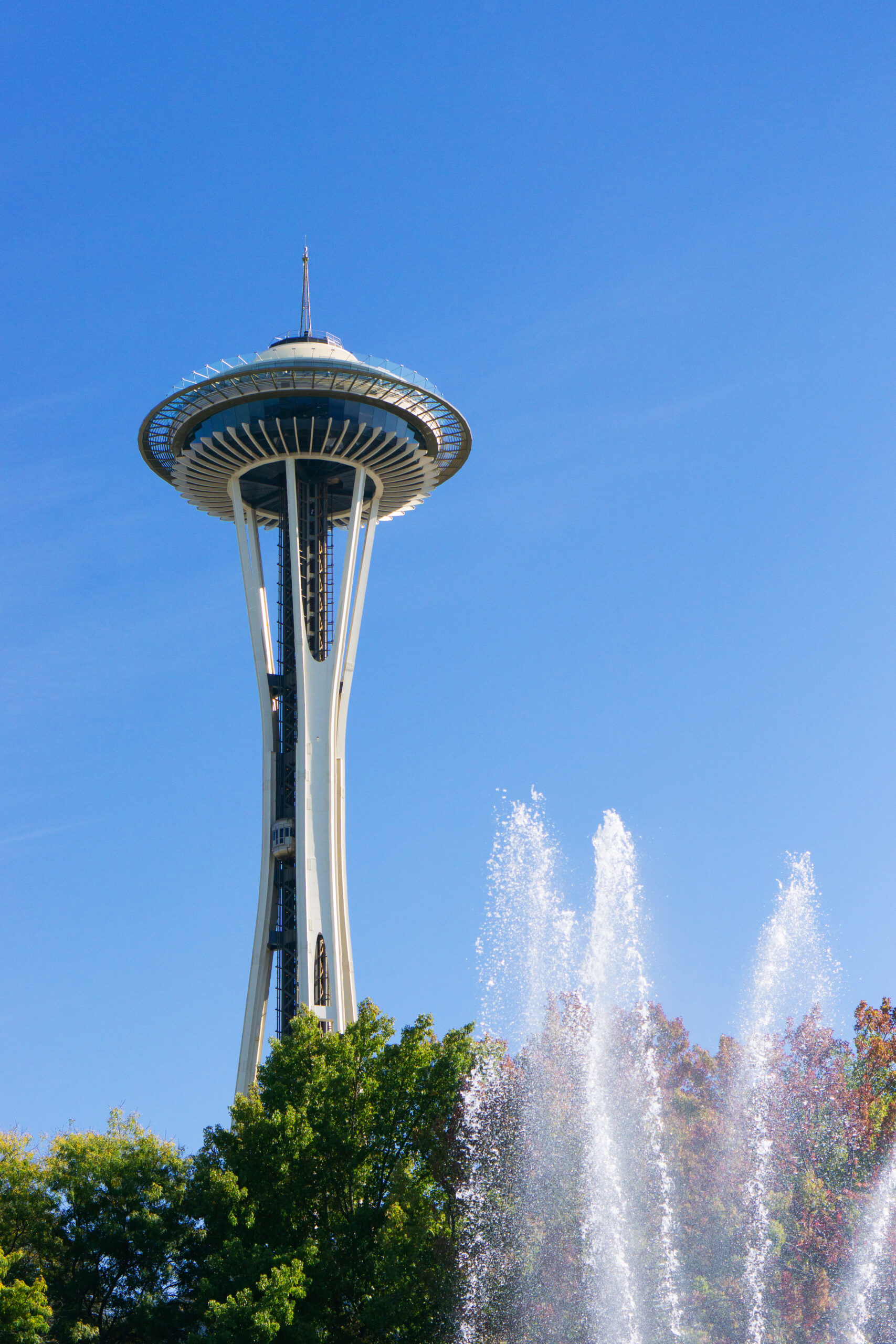
Photo: Rozulafi / Wikimedia Commons / CC BY-SA 4.0
Beyond the organic scene in Pioneer Square, FIFA and the local organizers will set up four official Fan Zones connected by a 4.25-mile “Unity Loop.” These are designed for days when you don’t have a ticket or for pre-match entertainment away from the stadium crush. Each has a different focus.

| Fan Zone | Location | What’s There | Best For |
|---|---|---|---|
| Seattle Center | At the base of the Space Needle | Large viewing screens, DJs, food vendors, interactive football activities. | Families and groups spending a full day; combines sightseeing with fan festivities. |
| Pacific Place | Downtown shopping center | Information booths, interactive exhibits, a large LED screen for viewing. | A centralized, indoor option if the weather is poor; easy to combine with downtown shopping. |
| Waterfront Park (Pier 62) | On the Elliott Bay waterfront | Watch parties and fan celebrations with a scenic backdrop. | A more relaxed, open-air vibe with views of the water and Olympic Mountains. |
| Victory Hall | In the SoDo neighborhood, near the stadium | A 23-foot screen for game viewing, closest to Lumen Field. | Fans without tickets who want to be near the stadium energy on match day. |
The Seattle Center zone is the largest and most significant. It turns the entire 74-acre campus, already home to the Space Needle, Chihuly Garden, and Museum of Pop Culture, into a football festival. This is your best bet for a full rest-day activity. You can ride the monorail from downtown to the Center, visit the attractions, and watch a match on the big screens all in one visit.
I learned this hosting friends for an international friendly: the fan zone at the base of a major landmark absorbs crowds differently. At Seattle Center, people spread out across the lawns and plazas. It never feels as claustrophobic as a confined city square, even when it’s full. That’s a win for a six-hour visit.
The Unity Loop is the conceptual (and possibly physically marked) path linking these zones. Realistically, you’ll use the light rail and buses to hop between them. The loop is a nice idea, but walking 4.25 miles across Seattle’s hills is a serious hike. Use transit to go from downtown (Pacific Place) to Seattle Center via the monorail, or from downtown to the Waterfront via a short walk.
TL;DR: The Seattle Center fan zone is a day-long destination combining iconic sights with match viewing. Use the monorail to get there from downtown.
Your Rest-Day Seattle Itinerary

Photo: Julian Lupyan / Wikimedia Commons / CC0
You’ll have gaps between matches. Seattle hosts six games from June 15 to July 6. A rest day is not a day to sit in your hotel. It’s your chance to see the city without match-day pressures. This itinerary assumes you’re based downtown or in Pioneer Square and are using transit.

Morning (9 AM – 12 PM): Pike Place Market & The Waterfront
Start at Pike Place Market. Go early to see the fishmongers at their peak and avoid the worst crowds. It’s a working market, not just a tourist spot. Grab a coffee at the original Starbucks (the line moves fast) or from one of the smaller stands. From the market, walk down the stairs to Seattle’s Waterfront. The new Pier 62 public space is also a fan zone, so you can check its setup.
Afternoon (12 PM – III PM): Seattle Center & Fan Zone
Walk from the Waterfront to the Westlake Center monorail station (about 15 minutes). Take the short monorail ride to Seattle Center. Here, you have choices:
1. Visit the Space Needle (book tickets in advance).
2. Explore the stunning Chihuly Garden and Glass right next door.
3. Immerse yourself in the FIFA Fan Zone activities and watch any afternoon matches on the big screens.
You can easily spend 4-5 hours here. The fan zone provides the football context, while the landmarks deliver the classic Seattle photo.
Late Afternoon/Early Evening (III PM – 7 PM): International District or Capitol Hill
From Seattle Center, take the monorail back to Westlake and transfer to the Link Light Rail. One stop south is Westlake Station; going one stop north takes you to Capitol Hill.
* Option A (International District): Get off at International District/Chinatown Station. This neighborhood offers fantastic, often more affordable, dining. Try Jade Garden for dim sum, Tammy’s for baked goods, or any of the excellent Vietnamese pho shops.
* Option B (Capitol Hill): Get off at Capitol Hill Station for a vibrant nightlife and dining scene. It’s less touristy, with a huge variety of restaurants and bars. It’s a great place to decompress after a day of sightseeing.
This plan efficiently links major sights, the primary fan zone, and a genuine neighborhood meal using the city’s best transit links.
Where to Stay: Neighborhoods Ranked by Convenience
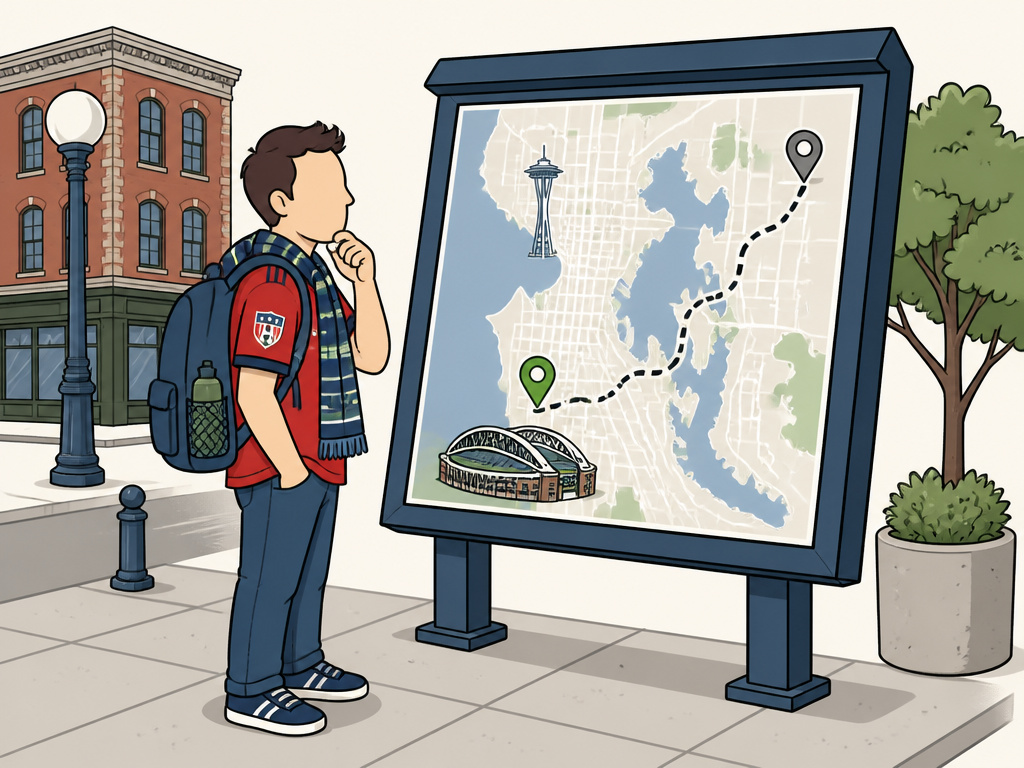
Your hotel location dictates your daily experience. Booking based on price alone can land you in a suburb with a 90-minute commute on match day. Prioritize walkability to the light rail or to the stadium itself.
- Pioneer Square (Best for Hardcore Fans): This is the closest neighborhood. You can walk to the stadium and be at the heart of the pre-match scene. Hotels here will sell out first and may command the highest prices. It’s the “live and breathe football” choice.
- Downtown / Belltown (Best Overall Balance): Excellent hotel selection (from luxury to mid-range). A 10-15 minute walk to Westlake or University Street light rail stations puts you 10 minutes from the stadium. You’re also close to shopping, restaurants, and the waterfront. This is the most strategic base for most visitors.
- Capitol Hill (Best for Nightlife): Directly on the Link Light Rail line (Capitol Hill Station). The neighborhood has Seattle’s densest concentration of restaurants, bars, and cafes. It’s a 15-minute light rail ride to the stadium. Ideal if you prioritize food and evening options over stadium proximity.
- South Lake Union / Uptown (A Solid Alternative): Close to Seattle Center, which is a major fan zone. Transit options are good with buses and a walk to the light rail. Slightly removed from the downtown core but well-connected.
- Airport Hotels (The Logistical Mistake): Seems convenient for arrival/departure, but it commits you to a 38-minute light rail ride each way on every match day. You lose the spontaneity of being in the city and will spend hours commuting.
Common mistake: Booking an airport hotel to save $50 a night. The time cost is brutal. For a USA match day, you’d need to leave your room 3.5 hours before kickoff to account for the rail ride and Pioneer Square time. That’s a draining way to start a celebration.
Within your chosen area, book as early as possible. World Cup accommodations will see peak demand, especially for the USA group stage match on June 19.
Inside Lumen Field: What Changes for the World Cup
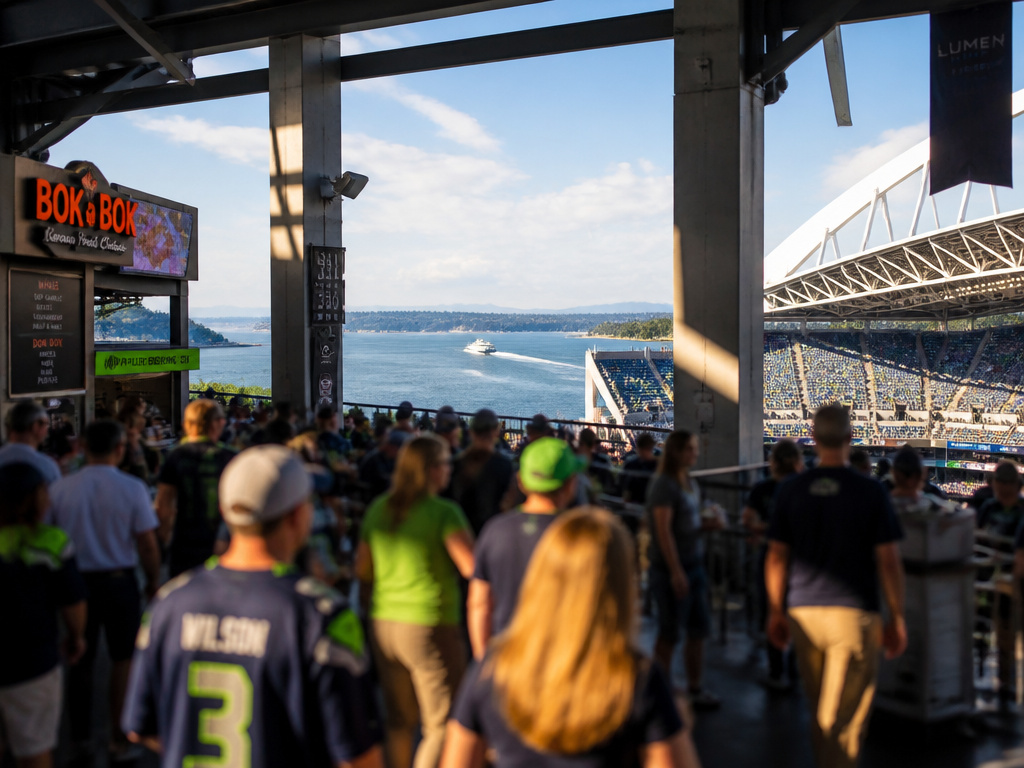
Lumen Field is a modern, loud stadium with a capacity of 68,740. For Seattle Sounders and NFL Seahawks games, it uses a FieldTurf surface. For the World Cup, they will install a natural grass pitch over the summer of 2026. The stadium’s partial roof is famous for amplifying crowd noise, expect a deafening atmosphere for knockout matches.
Stadium gates open three hours before kickoff. Use that time. Don’t just find your seat. Walk the concourses to see the Puget Sound views from the upper decks on the west side. Check out the food options, which are more diverse than typical stadium fare: look for local teriyaki, poke bowls, and razor clam chowder alongside the usual pizza and burgers.
FIFA’s bag policy will be strictly enforced. Expect the standard tournament rule: bags larger than approximately 6 x 6 x 12 inches (15 x 15 x 30 cm) will be prohibited. Plan to carry essentials in a small clutch or clear bag. The stadium is cashless, so have a credit/debit card or mobile payment ready.
The first time I attended a major international final at a converted NFL stadium, the sheer scale of the concourses was a shock. Lumen Field is built to move 70,000 people for football games. The ramps are wide, but the concession lines for popular items will be 20 minutes deep at halftime. Eat before you go in, or buy your food and drink in the first 30 minutes after the gates open.
TL;DR: Arrive when gates open to avoid lines, expect a natural grass pitch, and bring a small bag and cashless payment.
Frequently Asked Questions
What is the best way to get from Sea-Tac Airport to Lumen Field?
Take the Link Light Rail 1 Line. It’s a direct, 38-minute ride to Stadium Station, which exits onto the plaza north of the stadium. Purchase an ORCA card at the airport station or use the Transit Go app. It’s significantly cheaper and faster than a taxi or rideshare on a match day.
Can I walk from downtown Seattle to Lumen Field?
Yes, but it’s a substantial walk, about 1.5 miles (30-40 minutes) from the core of downtown to the stadium gates. The route takes you through Pioneer Square. It’s doable on a nice day, but for match days with crowds and energy, taking the 10-minute light rail ride from Westlake Station is more efficient.
Where should I go if I don’t have a match ticket?
Head to the Victory Hall fan zone in SoDo, closest to the stadium, to feel the match-day energy. For a better overall experience, go to the Seattle Center fan zone. You can watch the game on massive screens while being at the foot of the Space Needle with food, drinks, and activities all around.
What should I do on a day with no matches?
Execute the rest-day itinerary: Pike Place Market in the morning, then take the monorail to Seattle Center. Visit the Space Needle or Chihuly Garden, and spend the afternoon in the fan zone there. For dinner, take the light rail to the International District for great Asian cuisine or to Capitol Hill for nightlife.
Is Seattle a good host city for families during the World Cup?
Yes, particularly because of the Seattle Center fan zone. It’s a large, open campus with the Space Needle, children’s museum, and fountain, making it easy to mix football viewing with kid-friendly activities. The light rail system is also straightforward for families to navigate compared to bus networks in other cities.
The Bottom Line
Your World Cup trip to Seattle hinges on one decision: embracing a car-free plan built around the Link Light Rail. That unlocks everything else. It brings you from the airport directly to the stadium, connects you to the historic fan hub of Pioneer Square, and gives you easy access to the city’s iconic sights on your rest days.
Treat Pioneer Square as your match-day base camp. Its cobblestone streets and pubs are where the global football culture will visibly collide. Use your days between games to explore the Seattle Center fan zone and Pike Place Market, they’re worth the time. Book a hotel in downtown, Pioneer Square, or Capitol Hill to stay connected. Forget driving. In Seattle, the train is the secret to a seamless tournament experience.
I come from the “soccer heart” of Germany, the Ruhrpott. I have played, trained and followed soccer all my life and am a big fan of FC Schalke 04. I also enjoy following international soccer extensively.