What Are Soccer Goalkeeper Gloves Made Of
This post contains affiliate links. As an Amazon Associate, we earn from qualifying purchases.
When that 70-mph strike rockets toward your upper corner in the 89th minute, your split-second reaction depends on engineering more sophisticated than most realize. What are soccer goalkeeper gloves made of isn’t just casual curiosity—it’s the difference between a fingertip save that preserves a clean sheet and a ball slipping through your grasp. These specialized tools contain precisely engineered materials working in concert to maximize grip, protection, and control under extreme conditions.
Your gloves represent the culmination of decades of materials science research, with each component meticulously designed for specific performance requirements. Understanding what soccer goalkeeper gloves made of transforms you from passive user to informed athlete, capable of making strategic equipment choices that directly impact your performance between the posts.
Latex Palm Technologies: Why Your Grip Isn’t Just Rubber
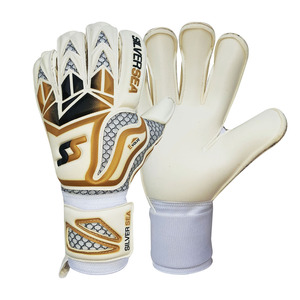
The palm of your glove contains the most critical material technology—specialized latex formulations engineered for specific environmental conditions. Professional goalkeepers often rotate between different palm constructions based on weather forecasts, with some maintaining separate pairs for dry, wet, and variable conditions.
Contact Latex: The Dry-Weather Grip Specialist
Contact latex creates an almost adhesive bond with the ball through microscopic surface texturing that increases contact area. This premium formulation contains higher concentrations of natural rubber compounds, generating superior grip through mechanical adhesion. You’ll find this material on match-day gloves used by professionals in arid climates or indoor facilities.
When you spread your fingers to catch a hard shot, these micro-textures create thousands of tiny grip points that prevent ball rotation and slippage. The molecular structure becomes tackier as it warms during play, reaching peak performance when your hands are active but not sweaty. This is why top professionals often break in new gloves during warm-ups rather than before matches.
Giga Latex: Revolutionizing Wet-Weather Performance
Giga latex transforms when exposed to moisture, expanding to create enhanced surface contact through its unique water-absorbent properties. Unlike standard latex that becomes slippery when wet, this specialized formulation maintains consistent grip characteristics during heavy rain. The spongy texture absorbs water while preserving tackiness—like having built-in towel action.
For optimal performance, soak giga latex palms before matches to activate their expansion properties. This pre-hydration creates maximum surface contact before kickoff, preventing the hydroplaning effect that ruins most gloves in wet conditions. You’ll notice the difference immediately when catching crosses in driving rain—the ball sticks rather than skimming off your palms.
Composite Blends: The All-Weather Solution for Practical Goalkeepers
Hybrid latex formulations combine properties of multiple compounds, creating adaptive grip characteristics that automatically adjust to environmental conditions. These gloves perform adequately in both dry and damp scenarios, making them ideal for players who can’t maintain multiple specialized pairs.
While composite blends don’t match the peak performance of dedicated dry- or wet-weather gloves, they eliminate the guesswork of material selection for weekend warriors. The mid-tier construction provides reliable performance across changing conditions, though with some compromise in extreme scenarios. If you play in unpredictable climates or multiple positions requiring quick equipment changes, this versatile material might be your best match-day solution.
Backhand Protection: The Unsung Hero of Hard-Driven Shots
Your glove’s backhand faces a different challenge entirely—absorbing impact forces from powerful shots while maintaining flexibility for natural catching motions. This balance requires sophisticated material layering that would impress aerospace engineers, with each component serving a specific protective function.
Neoprene Flex Zones: Comfort Meets Performance
Neoprene construction creates second-skin fit through soft synthetic rubber compounds that mold to your hand contours. This material provides excellent breathability during extended play while maintaining shape retention through repeated impacts. Strategic placement around knuckle areas ensures unrestricted finger articulation, which you’ll notice most during fingertip saves requiring micro-adjustments.
Unlike rigid protective materials, neoprene flexes with your natural hand movements while still providing structural support. This flexibility prevents the “boxing glove” effect that compromises dexterity during crucial moments. When diving for a low shot, the neoprene backhand moves with your hand rather than against it, maintaining the natural catching motion that makes split-second saves possible.
Silicone Shock Absorption: Military-Grade Protection Against Power Shots
Advanced silicone integration provides shock dissipation capabilities that distribute force across broader surface areas to protect hand bones. Strategic placement in high-impact zones—particularly across the knuckles and back of the hand—creates protection without bulk. During powerful shots, these silicone pads compress then immediately return to original shape, ready for the next impact.
This rapid recovery prevents protective systems from becoming compacted and ineffective over time. Unlike foam padding that degrades with repeated impacts, silicone maintains consistent performance throughout the match. When facing point-blank shots from strikers known for their powerful finishes, this technology becomes your first line of defense against painful hand injuries.
Seam Construction: The Hidden Factor in Ball Control

The way your glove is stitched directly impacts both ball feel and longevity. Professional goalkeepers obsess over seam placement, as these construction details determine tactile feedback and control precision—factors that make the difference between catching and deflecting the ball.
Rolled Finger Seams: The Professional’s Choice for Precision Control
Curved latex construction wraps around fingertips, creating seamless contact surfaces that eliminate seam interference during ball contact. This design provides enhanced grip and control while reducing pressure points during extended wear. You’ll notice the difference during wet weather, where traditional flat seams create water channels that compromise grip.
Rolled seams maintain consistent contact regardless of environmental conditions, which is why they dominate at professional levels. The rounded construction also prevents the finger fatigue that affects late-game performance during 90-minute matches. If you prioritize ball control over maximum durability, this seam type should be your first consideration.
Flat Palm Seams: Maximum Durability for Daily Training Sessions
Traditional flat palm construction maximizes latex contact area through wider surface engagement. While sacrificing some tactile feedback, this construction offers superior durability for goalkeepers who train daily on abrasive surfaces. The increased latex coverage provides consistent grip across the entire palm, particularly beneficial during slide tackles and ground ball pickups.
The construction creates more material contact with the ball, generating additional friction through surface area alone. This becomes crucial when latex compounds begin aging, as the increased contact compensates for gradual grip degradation. For developing goalkeepers putting in countless training hours, flat palm seams represent the smart investment that withstands daily punishment.
Finger Protection: Preventing Career-Threatening Injuries
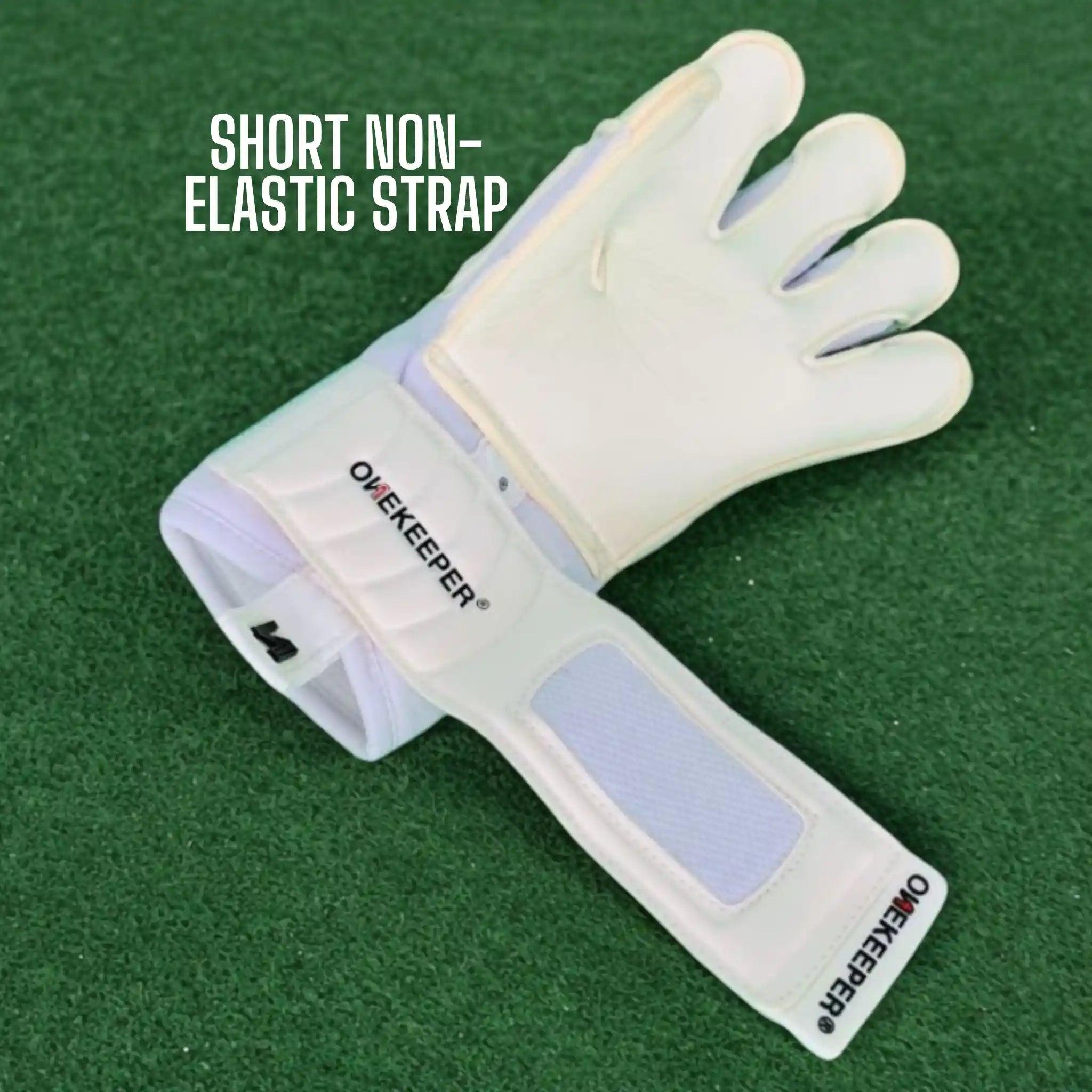
Modern finger spines represent biomechanical engineering at its finest—preventing hyperextension while maintaining natural catching motion. These systems have evolved from simple plastic inserts to sophisticated shock-absorbing mechanisms that protect against the most common goalkeeper injuries.
Removable Spine Technology: Customizable Safety for Different Situations
Plastic finger spines slide into specialized channels along finger backs, creating mechanical restriction against backward hyperextension. The removable design allows customization based on match requirements—you might remove spines for better ball feel during technical training sessions, then reinstall them for competitive matches against powerful shooters.
Each spine distributes impact forces across broader surface areas, preventing concentrated stress on individual finger joints. This technology becomes essential when facing point-blank shots or awkward deflections that could cause serious injury. Consider carrying two pairs to matches—one with full spine protection for high-risk situations and another with minimal protection for when you need maximum ball feel.
Material Selection: Matching Gloves to Your Specific Needs
Choosing goalkeeper gloves requires understanding how different materials perform in specific scenarios. Your glove choice should adapt to environmental conditions just like tactical formations adapt to opponent strategies.
Dry Conditions: Optimizing for Maximum Grip Potential
Contact latex palms paired with standard neoprene backhand construction create optimal performance in arid conditions. The adhesive properties of contact latex reach peak effectiveness in low-humidity environments, while neoprene provides necessary flexibility without moisture management concerns. Indoor facilities particularly benefit from this combination, where climate control eliminates weather variables and allows focus on pure grip performance.
Wet Conditions: Choosing Gloves That Thrive in Rain
Giga latex palms with enhanced drainage backhand construction become essential for rainy conditions. The water-absorbent properties maintain grip when wet, while mesh ventilation systems prevent water weight gain that affects dexterity. Pre-match preparation involves soaking giga latex palms to activate expansion properties, creating maximum surface contact before kickoff.
During heavy downpours, these specialized gloves outperform standard options by maintaining consistent grip characteristics that would cause ordinary gloves to become slick and unreliable. The difference becomes most apparent when catching high balls in driving rain—the ball sticks rather than skimming off your palms.
Maintenance Protocol: Preserving Your Investment
The sophisticated materials in your gloves require specific care protocols to maintain performance characteristics. Improper maintenance can degrade latex compounds and compromise protection systems within weeks of purchase.
Cleaning Best Practices: Preserving Latex Integrity
Lukewarm water application with mild soap solution removes dirt and debris without damaging latex compounds. Specialized latex glove wash contains pH-balanced formulas that preserve natural rubber properties while removing performance-compromising contaminants. Avoid harsh chemicals and extreme temperatures that can permanently alter material characteristics.
Gentle hand washing preserves seam integrity and prevents spine displacement. The process should take 2-3 minutes per glove, focusing on palm surfaces while avoiding excessive backhand saturation. After washing, gently squeeze out excess water—never wring your gloves as this damages the latex structure.
Drying Methods: Avoiding Material Degradation
Natural air drying away from direct sunlight preserves material integrity through controlled evaporation. Room temperature environments prevent thermal degradation of latex compounds and maintain spine positioning. Avoid artificial heat sources that can cause material shrinkage and permanent deformation.
Proper drying extends functional lifespan significantly—many goalkeepers report double the usable life simply by following correct drying protocols. Place gloves on a drying rack with palms facing outward to maximize airflow while maintaining shape. Never store damp gloves in equipment bags, as this creates the perfect environment for latex deterioration.
Understanding what soccer goalkeeper gloves made of transforms your approach to equipment selection and maintenance. These aren’t just accessories—they’re precision instruments engineered to enhance performance and prevent injuries. By matching materials to your specific playing conditions and maintaining them properly, you ensure your gloves perform when it matters most: during those critical moments that define your performance between the posts.

I come from the “soccer heart” of Germany, the Ruhrpott. I have played, trained and followed soccer all my life and am a big fan of FC Schalke 04. I also enjoy following international soccer extensively.