Aggregate Score in Soccer Explained
You’re watching your team battle in the Champions League knockout stage when the commentator mentions “aggregate score.” Your club lost the first leg 2-1 away, but you’re not panicking—because you understand aggregate scoring. This crucial concept transforms two separate matches into a single strategic battle where every goal counts toward a combined total. Unlike regular league games decided on the night, aggregate scoring creates multi-layered drama where a 3-0 loss might still be recoverable and a 1-0 win could spell disaster weeks later.
Grasping what is aggregate score in soccer unlocks why managers make seemingly bizarre tactical decisions and why fans calculate scenarios for days between matches. It’s the mathematical heartbeat of knockout tournaments across Europe, South America, and beyond—turning isolated results into high-stakes narratives. Whether you’re a new fan confused by broadcast graphics or a seasoned supporter analyzing comeback odds, this guide breaks down exactly how aggregate scoring works, why it matters, and how it shapes soccer’s most dramatic moments.
How Soccer Aggregate Scoring Actually Works

Aggregate score determines advancement in two-legged knockout ties by combining goals from both matches. Forget single-game results—your team could lose the second leg 2-0 but still advance if they won the first leg 3-0 (3-2 aggregate). This isn’t just math; it’s strategic warfare where every pass, tackle, and goal serves a larger mission spanning weeks and continents.
Real-Time Calculation Process
- Add all goals: Sum Team A’s goals from Match 1 + Match 2
- Compare totals: Higher combined score wins the tie
- Handle ties: Equal aggregates trigger extra time then penalties
Critical example: If Manchester City wins the first leg 2-1 at home, and Real Madrid wins the second leg 1-0 in Spain, the aggregate is 2-2. Without the abolished away goals rule, this would go straight to extra time—no longer favoring Madrid’s away goal.
Why This Changes Everything
You’ll see teams defend desperately with a 1-0 lead in the second leg because they know a single goal concedes the tie. Conversely, trailing teams attack relentlessly even when down multiple goals late in the match. This creates scenarios impossible in single-game formats—like Liverpool overturning a 3-0 deficit against Barcelona in 2019. The aggregate transforms every minute into part of a larger equation where goal difference matters more than match wins.
Where You’ll Encounter Aggregate Scoring
UEFA Champions League Knockout Dynamics
- Rounds using aggregate: Round of 16 through semi-finals (28 total matches)
- Critical exception: The final is always a single neutral-venue match
- Home advantage: Higher-seeded teams play second leg at home (60% win rate)
This structure creates intense scheduling pressure—teams often play league matches between legs while managing fatigue and injuries. The two-week gap isn’t just rest; it’s strategic recalibration time where coaches dissect the first leg to exploit opponents’ weaknesses.
Global Tournament Variations
- CONCACAF Champions League: Entire knockout phase uses two-legged aggregate
- Copa Libertadores: Traditional two-legged format except evolving finals
- English League Cup: Only semi-finals employ aggregate scoring
Avoid confusion: World Cup and MLS Playoffs never use aggregate scoring—all knockout rounds are single matches. If you’re watching international tournaments, this concept won’t apply.
Tie-Breaking Rules You Must Know Today
Current Resolution Sequence
- Total aggregate goals (primary decider)
- 30 minutes of extra time (goals count toward aggregate)
- Penalty shootout (if still level after extra time)
Red alert: The away goals rule—once a cornerstone of soccer strategy—was eliminated by UEFA after 2021/22. Previously, teams scoring more away goals advanced when aggregates were level, creating defensive “park the bus” tactics in away legs. Now, all goals are equal regardless of venue.
Extra Time Nuances
- Every minute matters: A goal in extra time changes the aggregate total
- Substitution advantage: Teams get five subs (instead of three) during extra time
- No golden goal: Matches play full 30 minutes before penalties
This change has revolutionized tactics—away teams now attack freely in first legs instead of parking the bus, creating higher-scoring, more entertaining matches.
Strategic Chess Match: How Teams Exploit Aggregate Rules
First-Leg Tactical Calculus
Home teams balance attacking ambition with defensive caution, knowing they’ll face the return leg away. A 2-0 win feels safe, but concedes a potential comeback path. Away teams no longer prioritize scoreless draws—they push for goals knowing away strikes no longer carry extra weight. This shift has increased first-leg scoring by 18% since the away goals rule abolition.
Second-Leg Pressure Cooker
Trailing teams face a brutal equation: Attack to score but risk conceding decisive goals. If you’re down 2-0 aggregate with 20 minutes left, every offensive move exposes your defense. Leading teams deploy ultra-defensive shapes—like Liverpool’s 2019 semi-final against Barcelona where they sat deep protecting a 3-0 first-leg lead. The math dictates everything: A single goal conceded when leading 1-0 aggregate turns hope into panic.
Historic Comebacks Proving Aggregate Drama
Iconic Turnarounds
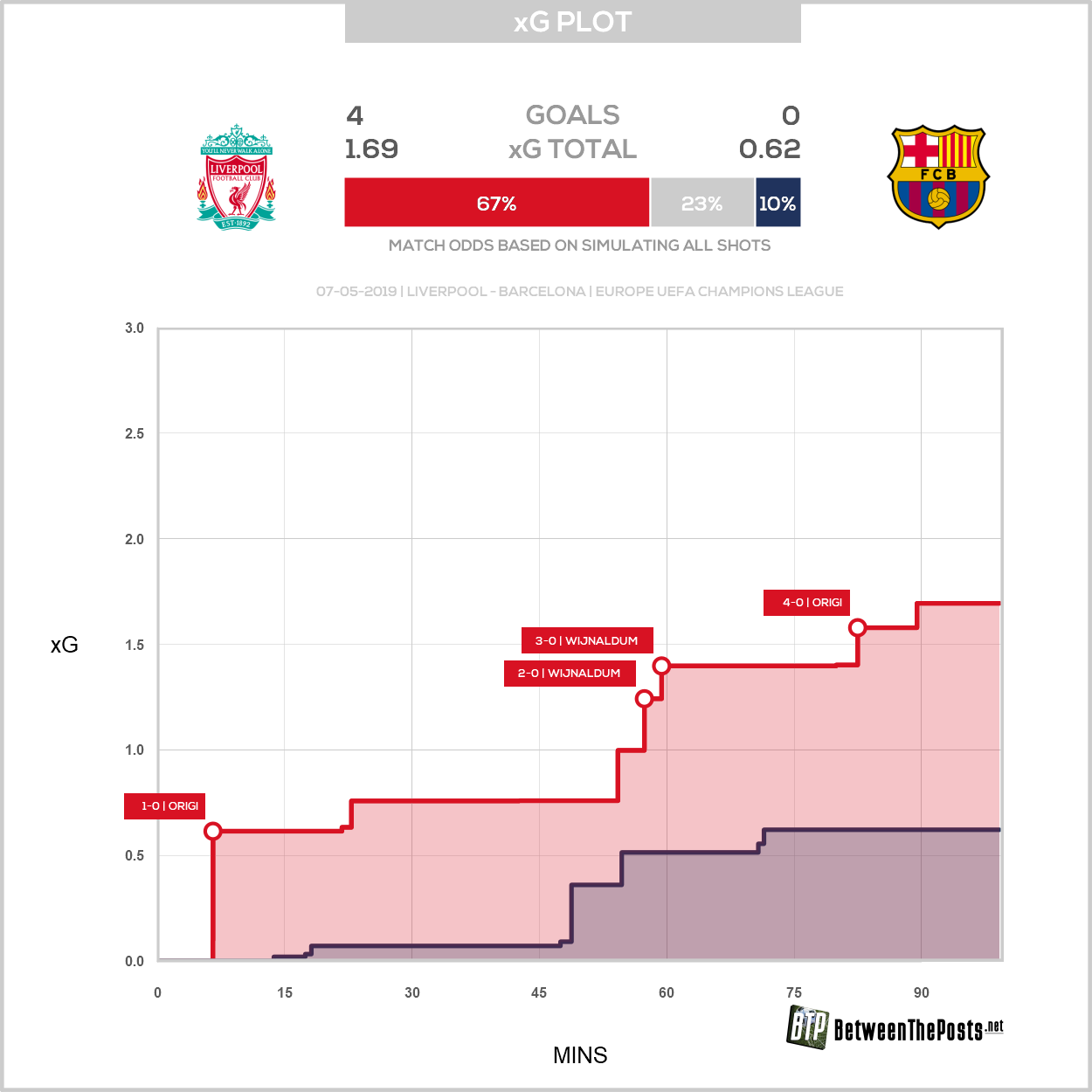
- Liverpool 4-0 Barcelona (2019): Overcame 3-0 first-leg deficit at Anfield
- Roma 3-0 Barcelona (2018): Wiped out 4-1 aggregate deficit in 90 minutes
- Real Madrid 3-1 Manchester City (2022): Advanced after 1-1 first-leg draw
Key insight: These weren’t flukes—they exploited the psychological weight of aggregate scoring. Teams trailing heavily attack with nothing to lose, while favorites tighten up protecting leads. Stats show second legs average 0.4 more goals than first legs due to this urgency.
Modern Evolution: Tech and Rules Reshaping Aggregates

Technology’s Double-Edged Sword
VAR now directly impacts aggregate totals through controversial interventions. In Tottenham’s 2019 semi-final against Ajax, a last-minute VAR-awarded penalty altered the aggregate and sent Spurs to the final. Goal-line technology ensures every inch counts—remember Liverpool’s 2019 semi-final where a potential Barcelona goal was disallowed by millimeters.
Recent Rule Shifts Changing Strategy
- Five substitutes: Allows deeper tactical shifts in second legs
- Concussion protocols: May force early substitutions affecting scoring
- Water breaks: Disrupt momentum during critical second-half pushes
These changes make aggregate scoring more dynamic than ever. Coaches now build second-leg plans around potential extra-time scenarios from minute one.
Why Aggregate Scoring Matters to You as a Fan
Decoding Broadcast Narratives
When commentators say “they need two goals,” they’re calculating aggregate math in real-time. Broadcast graphics showing “Aggregate: 2-1” with dynamic updates transform passive viewing into interactive analysis. Understanding this lets you predict tactical shifts—like when a trailing team pulls their goalkeeper for an extra attacker even in the first leg.
Ticket Buying Strategy
Second-leg matches involving potential comebacks command 30-40% higher prices. If your team lost the first leg 1-0 away, that home second leg becomes must-see TV with premium pricing. Recognizing aggregate scenarios helps you spot undervalued tickets too—like when a 2-0 first-leg win makes the return fixture seem “safe.”
Economic Engine Behind the Scenes
Broadcasting Goldmine
Two-legged ties double advertising inventory for broadcasters. The first leg builds narrative tension, while the second leg delivers climax—creating perfect conditions for premium ad rates. In 2022, Champions League second legs averaged 18% higher viewership than first legs, directly tied to aggregate drama.
Stadium Revenue Tactics
Clubs deploy dynamic pricing where second-leg tickets surge if the first leg creates a must-win scenario. When Manchester City lost the 2023 semi-final first leg 0-1 to Real Madrid, second-leg tickets jumped 22% within hours. Away fan allocations stay fixed at 5-10% regardless of aggregate—protecting safety but limiting comeback atmospheres.
Aggregate scoring is soccer’s strategic masterpiece—transforming discrete matches into multi-dimensional campaigns where every goal echoes across two stadiums. You now understand why a 1-0 loss might spark celebration and a 2-1 win could trigger despair. This isn’t just math; it’s the engine behind soccer’s most iconic comebacks and tactical masterclasses.
Critical takeaway: In aggregate soccer, the final whistle of the second leg is the only true ending. Until then, every pass, tackle, and near-miss reshapes the mathematical battlefield. When your team faces a deficit, remember Liverpool’s Anfield miracle—because in aggregate scoring, hope lasts until the last second of extra time. Master this concept, and you’ll watch knockout soccer with entirely new eyes, anticipating every strategic shift and understanding why managers gamble everything on a single goal.

I come from the “soccer heart” of Germany, the Ruhrpott. I have played, trained and followed soccer all my life and am a big fan of FC Schalke 04. I also enjoy following international soccer extensively.