Global Guide: How Soccer Leagues Work Around the World Today
Soccer leagues work around the world through a hierarchical system governed by FIFA and its six continental confederations. Most countries use an open “pyramid” structure with promotion and relegation between tiers, while North America’s MLS uses a closed, single-entity model. Leagues operate domestically but connect globally through qualification for elite continental tournaments like the UEFA Champions League.
Most people think every league works like the English Premier League. They picture promotion battles and relegation scraps as universal. That assumption falls apart the moment you look at a league schedule from Colombia or try to explain the MLS playoff system to a fan from Buenos Aires.
The structure isn’t random. It’s the result of history, money, and local football culture. This guide maps the global system from the top-down FIFA bureaucracy to the grassroots Sunday leagues, explaining the rules that create both drama and disparity.
Key Takeaways
- The global system is a pyramid: FIFA governs six confederations (UEFA, CONMEBOL, etc.), which oversee national associations that run their own domestic league pyramids.
- Promotion and relegation defines about 85% of leagues, creating a dynamic, competitive ladder. Missing this system is the key difference with MLS.
- League formats split between Europe’s long double round-robin and the Americas’ split-season Apertura/Clausura tournaments.
- The real money and prestige are in continental tournaments. Your domestic league finish dictates your ticket to competitions like the UEFA Champions League.
- Governance models range from independent leagues with stakeholder boards to single-entity structures like MLS, which centrally controls teams and player contracts.
The Global Governance Pyramid: FIFA to National Leagues
Forget the idea of one world league. Global soccer is a federation of federations. It looks like a corporate org chart, but it dictates everything from the World Cup final to your local club’s transfer window.
At the top sits FIFA. It’s the United Nations of football, setting the Laws of the Game and organizing the World Cup. FIFA doesn’t run your Saturday matches. It delegates authority to six continental confederations.
Each confederation manages its own region’s tournaments and acts as the intermediary between FIFA and the national football associations. UEFA (Europe), CONMEBOL (South America), AFC (Asia), CAF (Africa), CONCACAF (North/Central America & Caribbean), and OFC (Oceania) each have distinct styles, financial power, and competitive rhythms.
Your country’s football association, like the German DFB or the English FA, is a member of its confederation. This association is the ultimate domestic authority. It licenses clubs, organizes the national cup, and crucially, sanctions the professional league structure. The league itself, like the Premier League or Bundesliga, is often a separate entity that runs the day-to-day competition but operates under the association’s umbrella and rules.
TL;DR: FIFA makes global rules, confederations run continental events, national associations govern domestically, and professional leagues operate the competition you watch every weekend.
The Engine of Competition: League Formats Explained
A league’s format decides its rhythm, its drama, and how a champion is crowned. The two dominant templates are the marathon and the sprint.
Europe’s model is a marathon. The Bundesliga, Premier League, and La Liga use a double round-robin. Each of the 18 to 20 teams plays every other team twice, once at home, once away. The team with the most points after 34 or 38 games wins. It’s a brutal test of squad depth and consistency from August to May. The standard points system is non-negotiable: three for a win, one for a draw.
Cross the Atlantic, and the logic changes. Many Latin American leagues use a split season: the Apertura (Opening) and Clausura (Closing) tournaments. Countries like Argentina and Colombia crown two champions per calendar year. This format creates more frequent climaxes and allows for mid-season table resets. It’s a cultural preference for constant drama over sustained endurance.
| Format Type | Primary Regions | Season Rhythm | Key Advantage |
|---|---|---|---|
| Double Round-Robin | Europe, parts of Asia/Africa | Long, continuous (Aug–May) | Tests consistency & squad depth over a marathon. |
| Apertura/Clausura | Latin America, some CONCACAF | Two short, intense tournaments per year | Creates frequent climaxes and dramatic resets. |
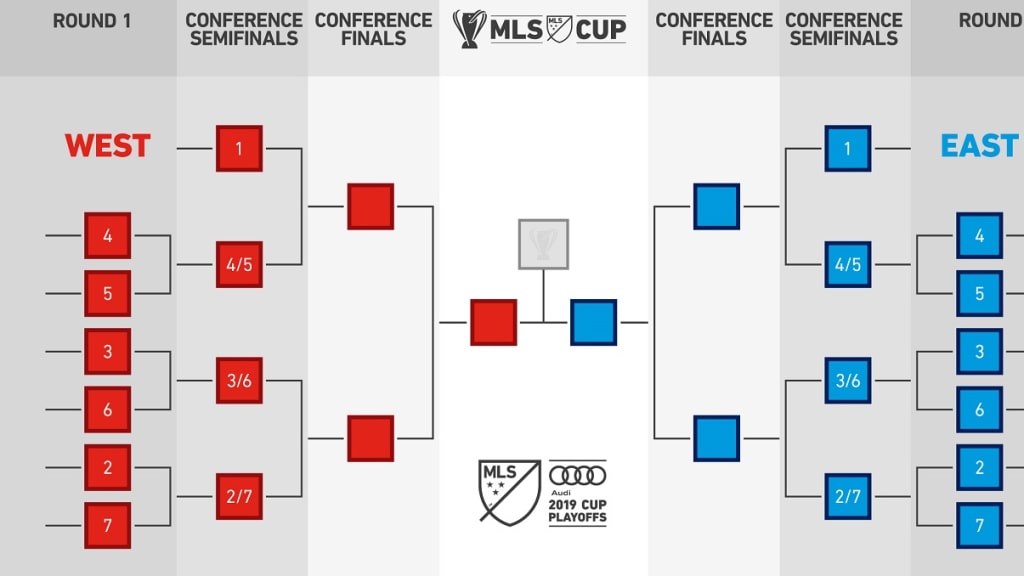
| Conference System (MLS) | USA, Canada | Regular season + playoff knockout | Blends league play with a North American-style postseason spectacle. |
Then there’s the North American hybrid. Major League Soccer uses a conference system (East and West) followed by a massive playoff knockout tournament. The MLS season structure prioritizes a thrilling postseason over rewarding the best regular-season team. It’s a cultural export, not a global standard.
Common mistake: Assuming every league uses the European calendar, many South American leagues run on a calendar-year schedule (February to December), which creates constant friction with the European transfer windows and leads to mid-season player departures.
The Two Dominant Models: Open Pyramids vs. Closed Shops
This is the great philosophical divide. Your league either believes in sporting meritocracy or financial stability. There’s very little middle ground.
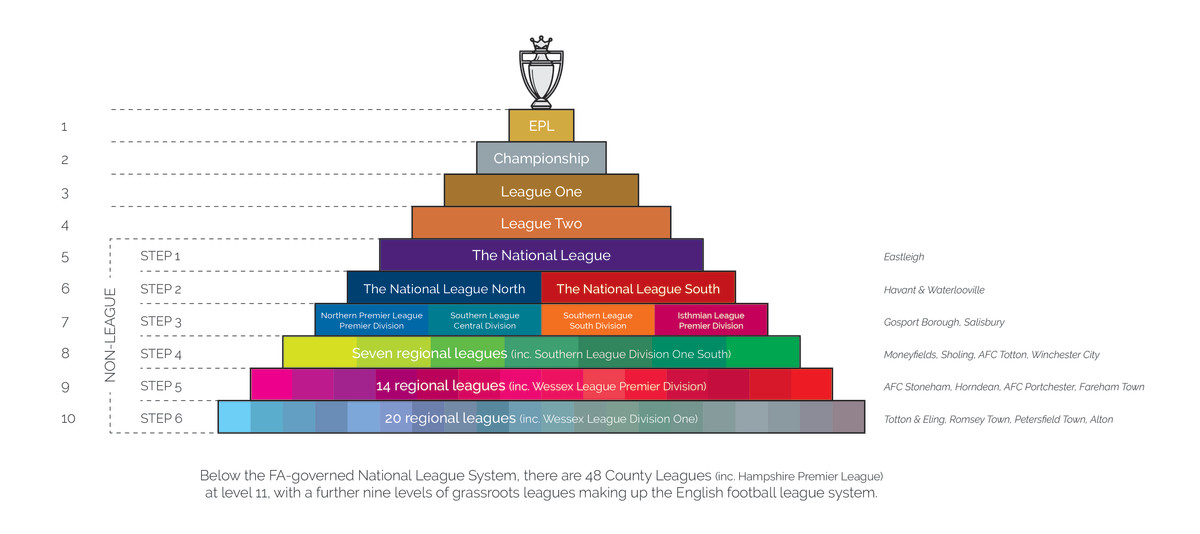
The open pyramid, or promotion/relegation system, is the global norm. Imagine a ladder. The top division is the highest rung. Below it are the second, third, fourth divisions, often branching into regional semi-pro and amateur leagues. At the end of each season, the bottom two or three teams from a higher division are relegated, dropped down a level. Their spots are taken by the top two or three teams from the division below, who are promoted.
This system is relentless. It means every match matters, even for mid-table teams trying to avoid the drop. It also allows for fairy tales, a small, well-run club can theoretically climb from the local leagues to the top flight. The financial and emotional stakes are immense. Relegation can mean a 40-60% drop in television revenue overnight.
The closed model, exemplified by Major League Soccer history, is different. MLS is a single-entity. The league owns all the teams and player contracts; club “owners” are actually shareholders. There is no pyramid beneath it. You cannot play your way into MLS. Entry is by expansion fee, which now exceeds $500 million. The system uses a salary cap and allocation rules to maintain parity.
The goal here isn’t meritocratic mobility; it’s controlled growth and financial sustainability. It avoids the existential dread of relegation but can lack the visceral stakes of a European relegation battle.
| Model | Defining Mechanism | Primary Goal | Risk to Clubs |
|---|---|---|---|
| Open Pyramid | Promotion & Relegation | Sporting meritocracy, dynamic competition | Relegation causes massive revenue loss and squad dismantling. |
| Closed Single-Entity | Expansion fees, salary caps | Financial stability, controlled parity | No threat of relegation, but no organic path to the top division. |
The Ultimate Prize: How Leagues Feed Continental Tournaments
Winning your domestic league is huge. But for the biggest clubs, it’s often just step one. The real prestige and astronomical television money live in the continental tournaments.
Your league’s finish is your ticket to the continental dance. The number of tickets each league gets is determined by its confederation’s coefficient, a ranking based on the historical performance of its clubs in Europe. A strong league like the Premier League might earn four or five spots in the UEFA Champions League group stage. A weaker league might only get one, and that champion might have to start in an early qualifying round.
I followed Schalke’s 2011 run to the Champions League semi-finals. The prize money from that single campaign funded the club’s operations for years. Missing out on European qualification the following season felt like a financial catastrophe, not just a sporting one. It changes everything.
The path is hierarchical. Domestic league performance qualifies you for a confederation tournament. Success there can qualify you for the FIFA Club World Cup. This interconnected system is what truly makes club football a global game. A team from the Colombian top-flight league can, through a series of victories, eventually face a European giant on a neutral site.
The fight for these spots defines entire seasons. The battle for fourth place in the Premier League is often more intense than the title race because it’s a fight for a Champions League payday worth over £50 million. This financial reality directly influences league salary structures and transfer market behavior.
TL;DR: Your domestic league table is a qualifying ladder for continental money and prestige. More slots go to historically stronger leagues, creating a rich-get-richer cycle that defines modern football economics.
Money, Power, and Who Really Runs the Leagues
Leagues are not just sporting competitions; they are multi-billion dollar businesses with complex governance. Who gets a seat at the table decides everything from kick-off times to profit distribution.
In most of the world, the professional league is a separate legal entity from the national association. It has its own executive committee, typically with about nine members. This committee includes representatives from the clubs, sometimes a representative from the national association, and increasingly, independent directors. They negotiate the all-important broadcasting deals, set league rules, and handle commercial partnerships.
The trend is toward greater independence and commercial savvy. The Premier League’s breakaway from the English Football League in 1992 is the classic example, clubs wanted control over their television rights to maximize revenue.
Common mistake: Thinking the national association (like the French FFF) runs Ligue 1 day-to-day. They sanction it, but a separate Professional Football League (LFP) organization handles the broadcasting, scheduling, and commercial operations. This separation is critical for modern commercial growth.
In the single-entity model like MLS, the governance is centralized. The league office holds most of the power. It negotiates all player contracts, secures the league-wide broadcast deal, and distributes revenue. Individual teams have a voice, but the league’s board makes the strategic decisions to protect the collective. This model can move quickly on league-wide initiatives but can frustrate ambitious individual club owners.
External investment is reshaping governance. The influx of sovereign wealth funds, private equity, and American ownership groups is pushing leagues toward more closed, financially predictable models. The failed European Super League project was the ultimate expression of this tension: a desire by elite clubs to replace the open pyramid with a closed, financially guaranteed super league.
Regional Spotlights: A Tour of League Characteristics

The global principles get filtered through local culture, history, and economics. Here’s how it plays out in three major regions.
Europe: The Pyramidal Heartland
Europe is the home of the deep pyramid. England’s system has over 140 divisions, theoretically linking the Premier League to your local pub team. Germany’s is similarly deep, with a strong emphasis on 50+1 fan ownership rules that prevent external investors from taking majority control. The drama of promotion and relegation is a cultural fixture. The league season end dates in May are followed by nerve-shredding playoff finals at Wembley and other national stadiums to determine the final promotion spots.
South America: Passion & Volatility
Leagues here are defined by the Apertura/Clausura format and intense, often volatile, fan culture. The pyramids exist but can be shallower. Financial disparity is acute, with a handful of giant clubs dominating. The road to continental glory in the Copa Libertadores is often the primary season goal, even over the domestic title. Player sales to Europe are a fundamental part of the business model, creating a constant cycle of talent export and renewal.
North America: The Deliberate Builder
MLS is building a league from a blueprint. No promotion/relegation. A focus on geographic expansion, salary caps, and the college draft. Its calendar (March to December) clashes with the global norm, and its regular season calendar culminates in a playoff spectacle designed for domestic television. It’s a closed ecosystem, but one that has achieved remarkable stadium-level stability and growth. Understanding its Champions League qualification path, however, requires learning a completely different set of CONCACAF rules.
Frequently Asked Questions
Why doesn’t MLS have promotion and relegation?
MLS was founded as a single-entity business to ensure financial survival and controlled growth. The league believes the threat of relegation would deter investment in franchises and stadiums. Stability is the priority, not the sporting meritocracy of the pyramid system.
How does a team get into the UEFA Champions League?
Teams qualify primarily through their final position in their domestic league. The number of slots each league gets is based on the UEFA coefficient ranking. For example, the top four teams in the Premier League typically enter the Champions League. The exact Champions League qualification paths can involve group stage entry or playoff rounds depending on the league’s strength.
What’s the difference between a league and a confederation?
league is a domestic competition for clubs within one country (e.g., La Liga). A confederation is a regional governing body for many countries (e.g., UEFA for Europe). Confederations organize tournaments between clubs from different countries within their region, like the Champions League.
Does winning your league mean you’re the best in the world?
No. It means you’re the best in your domestic competition. To be considered best in the world, a club must win the FIFA Club World Cup, which pits the champion of each continental tournament against each other. The prestige and difficulty of winning a top European league, however, often carries more weight in the global conversation.
How many games are in a typical league season?
It varies massively. A Bundesliga team plays 34 games (18 teams x 2). A Premier League team plays 38 games (20 teams x 2). In an Apertura/Clausura system, each short tournament might have 19-22 games. The MLS regular season games count is different again, as teams play a balanced schedule within their conference and a selection of games against the other conference.
Before You Go
The world’s soccer leagues are a patchwork of different philosophies stitched together by FIFA’s rulebook. The European pyramid offers relentless drama and tradition. The American model offers stability and growth. The South American split season offers constant celebration.
Understanding the system means following the money and the power. The fight for a top-four finish in England isn’t just about glory; it’s a financial lifeline. The lack of relegation in MLS isn’t an oversight; it’s the foundational business plan. The global game is connected through these leagues, feeding stars and stories upward to the Champions League and the World Cup. To truly follow it, you need to read the league table not just as standings, but as a map of power, economics, and sporting destiny. For deeper dives into the culture, check out some great soccer audiobooks or find the perfect soccer fan merchandise to show your league allegiance.

I come from the “soccer heart” of Germany, the Ruhrpott. I have played, trained and followed soccer all my life and am a big fan of FC Schalke 04. I also enjoy following international soccer extensively.