What Is Champions League In Soccer?
This post contains affiliate links. As an Amazon Associate, we earn from qualifying purchases.
The UEFA Champions League is a prestigious annual soccer competition featuring top club teams from European leagues, determining the best team in Europe.
When your favorite team scores a last-minute winner in a Champions League match, the roar from fans echoes across continents. You’ve probably seen those iconic scenes—players sliding across rain-soaked pitches, flares lighting up stadiums, and fans singing anthems that give you chills. But when you ask “what is Champions League in soccer,” you’re tapping into the heart of club football’s most electrifying spectacle. This isn’t just another tournament; it’s where domestic league heroes become global icons through battles that define careers.
Every August through May, Europe’s elite clubs like Manchester City, Real Madrid, and PSG leave their domestic leagues behind to chase continental glory. The Champions League transforms ordinary midweek nights into must-watch events, generating more global buzz than any other annual sporting competition. Players consistently call it the pinnacle of club football—where legends are born through moments like Liverpool’s miraculous 2019 comeback against Barcelona. If you’ve ever wondered why this tournament dominates sports headlines every fall and spring, you’re about to discover exactly what makes the Champions League soccer’s ultimate stage.
Champions League Definition Explained
The UEFA Champions League is Europe’s premier annual club soccer competition where only the continent’s elite earn the right to compete. While many participants are domestic league champions, the tournament actually features a complex qualification system that includes top-performing non-champions from powerhouse leagues like England’s Premier League and Spain’s La Liga. This carefully structured battle for continental supremacy operates completely outside domestic leagues, creating a parallel competition where the best clubs test themselves against Europe’s finest.
This tournament’s prestige stems from its exclusivity and history. Winning the Champions League instantly elevates a club’s status worldwide, with the trophy representing the highest achievement in club soccer. Unlike domestic cups decided in single matches, the Champions League unfolds over eight months through a grueling format that separates true contenders from pretenders.
Tournament Structure Basics
- Annual timeline: Runs from August qualifiers through May final
- Current participants: 32 teams (expanding to 36 for 2024-25 season)
- Core format: Group stage followed by knockout rounds
- Climactic moment: Single-match final at neutral venue
Historical Evolution Timeline
European Cup Origins (1955–1992)
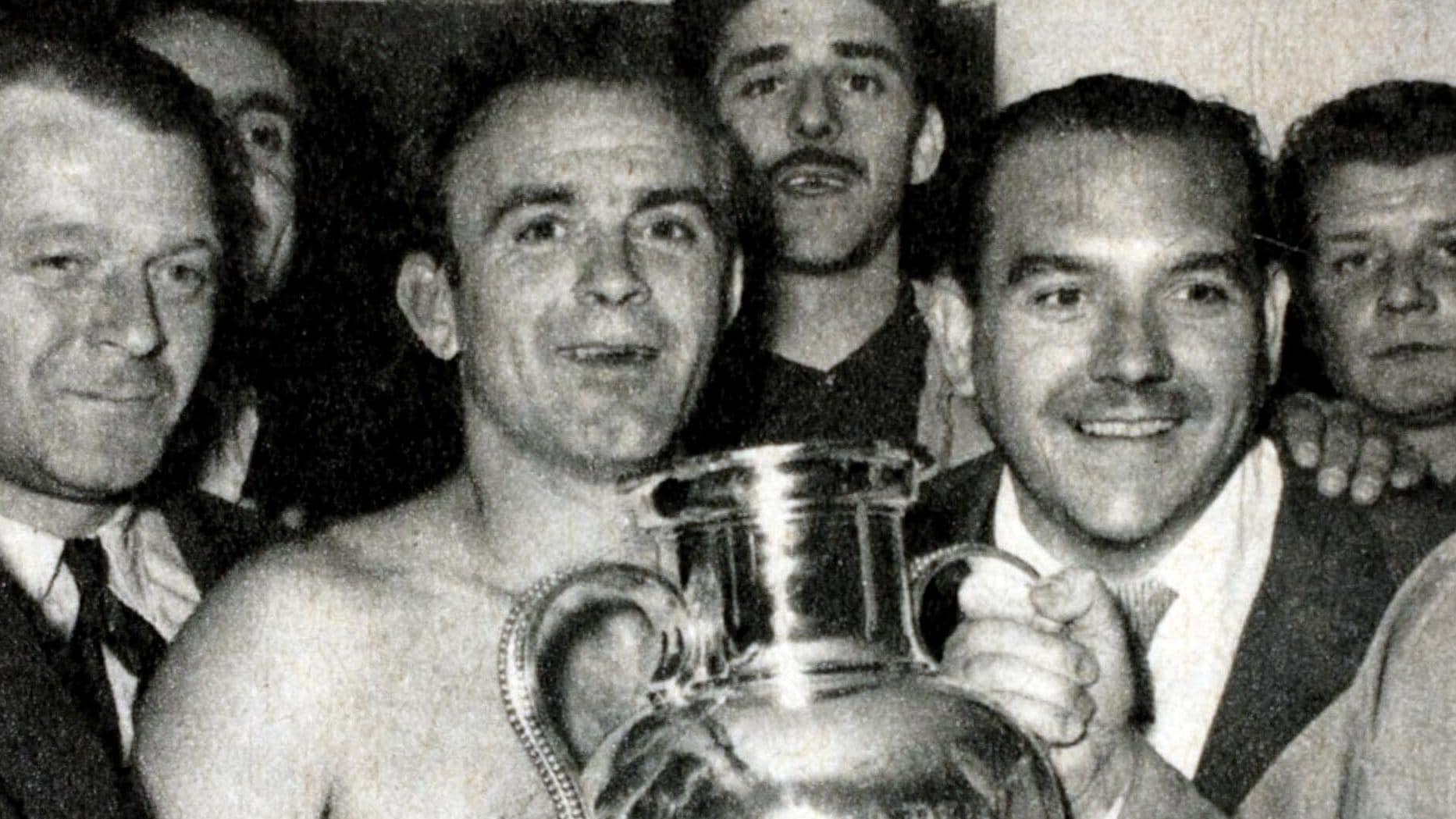
The competition began as the European Cup in 1955 with just 16 national champions competing in a straightforward knockout format. Real Madrid immediately established dominance by winning the first five consecutive titles—a record that still stands today. For nearly four decades, this pure knockout format created legendary matches but limited opportunities for Europe’s strongest leagues to showcase multiple teams. The competition remained exclusively for domestic champions, meaning powerhouse clubs finishing second in their leagues couldn’t participate regardless of their global reputation.
Rebranding to Champions League (1992–Present)
The 1992 overhaul revolutionized European club football when UEFA introduced a group stage format and rebranded the competition as the UEFA Champions League. Marseille’s 1-0 victory over AC Milan in Munich marked the first Champions League final under this new structure. This transformation opened the door for multiple teams from top leagues to participate, dramatically increasing the tournament’s commercial appeal and competitive depth.
Key Format Changes Since 1992:
– 1992: Group stage replaces pure knockout format
– 1997: Top leagues gain multiple automatic qualification spots
– 2003: Current 32-team group stage format introduced
– 2021: Away goals rule eliminated in knockout rounds
– 2024: Swiss Model expansion to 36 teams implemented
Modern Tournament Format Breakdown
Qualification System Explained
Champions League qualification operates through UEFA’s coefficient system, which ranks national associations based on their clubs’ recent European performances. This creates distinct pathways:
Automatic Qualification Routes:
– League champions from the ten highest-ranked domestic leagues
– Defending Champions League titleholder (Real Madrid in 2023-24)
– Defending Europa League titleholder
– 2nd, 3rd, and 4th-place finishers from top-ranked leagues
Qualifying Paths for Smaller Leagues:
– Champions Path: National champions from lower-ranked leagues compete through three qualifying rounds plus playoffs
– League Path: High-performing non-champions from stronger leagues enter parallel qualifying rounds
Current Competition Structure
From August to May, the tournament unfolds in distinct phases:
Group Stage: 32 teams divided into eight groups of four. Each club plays six matches (home and away against every group opponent). The top two teams from each group advance based on points (3 for win, 1 for draw), with head-to-head results as primary tiebreaker.
Knockout Phase: Two-legged ties determine advancement through the Round of 16, quarterfinals, and semifinals. Since 2021-22, tied aggregates proceed directly to extra time and penalties—eliminating the controversial away goals rule. This change means teams must score more goals overall rather than relying on away goals as tiebreakers.
The Final: A single match at a pre-selected neutral venue (like London’s Wembley Stadium or Istanbul’s Atatürk Olympic Stadium), typically held in late May. This winner-takes-all showdown transforms the champion into “European champions”—a title carrying immense prestige in global soccer.
2024-25 Format Revolution

The upcoming “Swiss Model” represents the most significant structural change since 1992, designed to create more meaningful matches across the competition:
Key Changes You’ll Notice Starting This Season:
– Expanded field: 36 teams enter one unified league stage instead of eight groups
– Personalized schedule: Each club plays eight different opponents (four home, four away)
– New advancement rules:
– Top 8 teams → direct to Round of 16
– Teams 9-24 → compete in knockout playoffs for remaining spots
– Teams 25-36 → eliminated with no Europa League safety net
This format eliminates uncompetitive “dead rubber” matches common in the group stage while increasing high-stakes fixtures. You’ll see your favorite teams face more varied opponents rather than repeating the same group matchups annually.
Record Champions and Notable Clubs
Multiple Title Winners
Certain clubs have dominated Champions League history through sustained excellence:
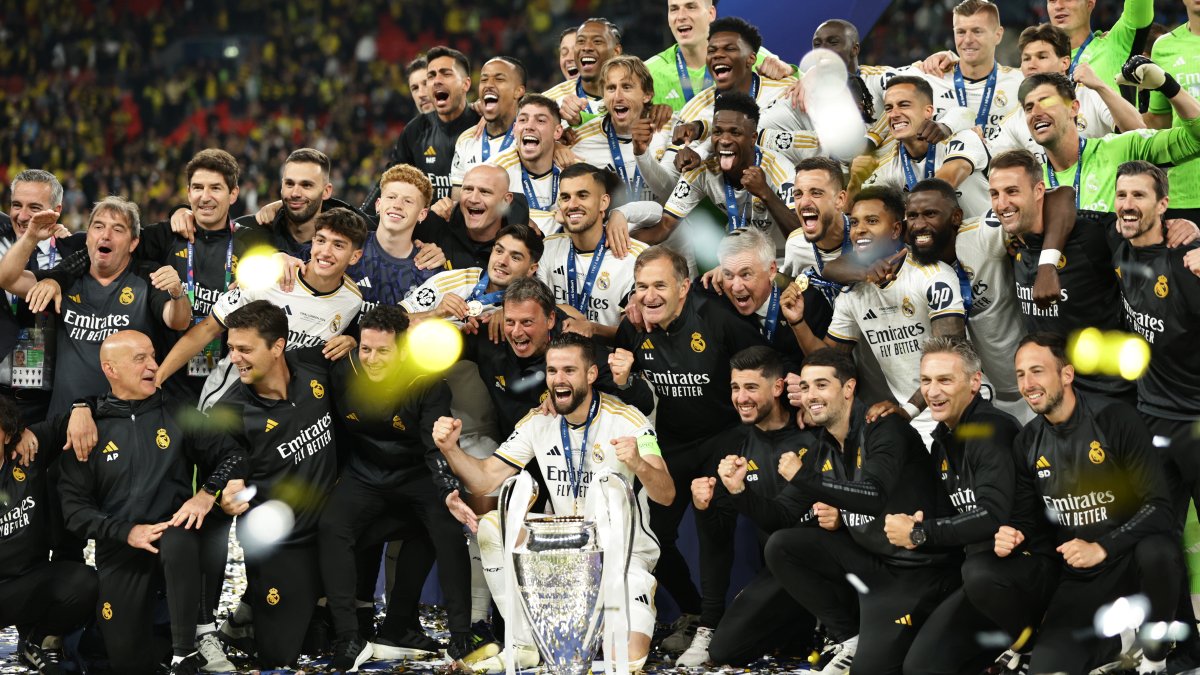
- Real Madrid: 15 titles (most recent 2023-24) – the undisputed kings of Europe
- AC Milan: 7 titles – Italian giants with legendary defenses
- Liverpool: 6 titles – famous for dramatic comebacks and European nights
- Bayern Munich: 6 titles – German efficiency personified
- Barcelona: 5 titles – home of tiki-taka brilliance
Finalists Without Glory
Several prestigious clubs have reached multiple finals without lifting the trophy:
– Atlético Madrid (three final defeats, including heartbreakers against Real Madrid)
– Reims (two final losses in the 1950s European Cup era)
– Valencia (two final defeats in the 2000s)
Champions League vs Other Competitions
Distinction from Domestic Leagues
The Champions League operates completely independently from competitions like the English Premier League. While the Premier League features 20 teams playing 38 matches in a double round-robin format for a domestic title, the Champions League creates entirely different dynamics:
Why This Matters to Fans:
– Geographic scope: Pan-European competition vs purely domestic leagues
– Qualification: Based on previous season’s domestic performance
– Match intensity: Higher stakes with elimination looming
– Global significance: Continental supremacy vs national championship
Relationship to Other UEFA Tournaments
UEFA operates a three-tier European competition system:
UEFA Europa League: The second-tier tournament where clubs not qualifying for the Champions League compete. The Europa League winner earns automatic Champions League group stage entry the following season—a massive incentive that makes every Europa League final crucial.
UEFA Conference League: The third-tier competition launched in 2021-22 for clubs excelling domestically but missing higher competitions. Its champion advances to the following season’s Europa League, creating a clear promotion path through Europe’s club hierarchy.
Cultural Impact and Global Reach
Broadcast and Commercial Power
The Champions League generates unprecedented global engagement that reshapes club finances:
– Viewership: Peak final audiences exceed 400 million worldwide
– Revenue: Billions distributed annually through centralized TV and sponsorship deals
– Prestige: Victory confers “European champions” status—the pinnacle of club achievement
Why Players Prioritize Champions League
For professional footballers, Champions League nights represent career-defining moments. The competition’s iconic anthem, legendary venues like Munich’s Allianz Arena and Madrid’s Santiago Bernabéu, and the opportunity to test skills against the world’s best create an unmatched atmosphere. You’ll often hear players say victories in domestic leagues feel incomplete without Champions League success—a testament to its status as soccer’s ultimate club prize.
The Champions League has evolved from a simple knockout tournament for national champions into soccer’s most prestigious global club competition. As you follow this season’s matches, remember you’re witnessing the latest chapter in a legacy stretching back to 1955—where Real Madrid’s early dominance paved the way for today’s multi-billion dollar spectacle. Whether you’re cheering for a historic giant like Bayern Munich or a rising contender like Napoli, the Champions League delivers drama that domestic leagues simply can’t match. With the 2024-25 Swiss Model format promising even more meaningful matches, now’s the perfect time to deepen your understanding of what makes the Champions League soccer’s crown jewel. Keep an eye on those crucial group stage matchups—they could determine which teams advance to the knockout rounds where legends are truly made.

I come from the “soccer heart” of Germany, the Ruhrpott. I have played, trained and followed soccer all my life and am a big fan of FC Schalke 04. I also enjoy following international soccer extensively.