Best PSI for Soccer Ball (2026 Guide)
This post contains affiliate links. As an Amazon Associate, we earn from qualifying purchases.
Your perfectly inflated soccer ball could be the difference between scoring the winning goal and watching it sail over the crossbar. Whether you’re a weekend warrior or coaching youth soccer, getting the pressure right transforms how the ball responds to your touch, bounces off the turf, and flies through the air. Most players grab a ball and start playing without thinking twice about pressure, yet the question “what PSI should soccer ball be” holds the key to consistent performance on the field.
FIFA’s official standards specify an exact pressure range that affects everything from ball control to injury prevention. Understanding what PSI your soccer ball should be isn’t just about following rules—it’s about optimizing your game. This guide breaks down the precise measurements, conversion methods, and practical techniques to ensure your ball performs at its best every time you step on the pitch.
FIFA’s Mandatory Soccer Ball Pressure Range Revealed
8.82–16.17 PSI stands as the definitive standard for all soccer balls used in official competitions worldwide. This specific range, established by FIFA and IFAB in the Laws of the Game 2026–26 edition, ensures consistent performance across all levels of play. When you’re wondering what PSI should soccer ball be for regulation matches, this is the non-negotiable measurement that governs professional and amateur competitions globally.
The regulation isn’t arbitrary—FIFA’s technical committee determined this range through extensive testing of ball flight characteristics, player safety, and fair play considerations. Balls falling outside this range create unfair advantages or compromise player control, potentially altering the outcome of matches. For serious players who want their training to mirror game conditions, maintaining pressure within this official range is essential.
How Pressure Affects Game Performance
Lower pressures (8.82 PSI) provide softer touch and better control for technical play, while higher pressures (16.17 PSI) deliver faster ball speed and longer flight distance. The range accommodates different playing styles, weather conditions, and field surfaces without compromising the game’s integrity. When you’re practicing with a ball inflated to the correct PSI, your skills transfer directly to match day, eliminating the frustration of inconsistent ball behavior.
Convert Official Standards to PSI Without Confusion
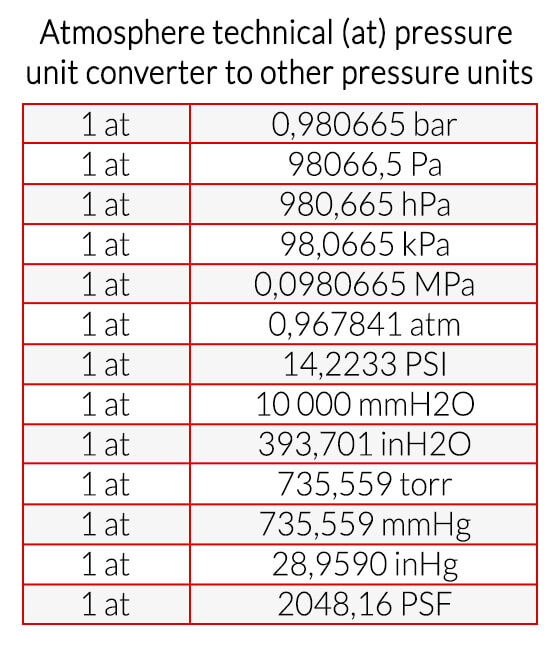
Soccer ball manufacturers often list pressure in multiple units, creating confusion for players worldwide. The official specification uses atmospheres and g/cm², but most pumps display PSI—leaving many players wondering what PSI should soccer ball be when their equipment uses different measurements.
Quick Conversion Cheat Sheet
- 0.6 atmospheres = 8.82 PSI (minimum official pressure)
- 1.1 atmospheres = 16.17 PSI (maximum official pressure)
Pro tip: Modern digital pressure gauges eliminate guesswork by displaying exact PSI readings, making inflation precise regardless of the units shown on your ball packaging. When purchasing a new gauge, look for one that shows both atmospheres and PSI to avoid conversion errors during critical pre-game preparations.
Avoid These Common Conversion Mistakes
Never rely on “feel” alone—underinflated balls can measure 2-3 PSI below target without obvious visual cues. Similarly, overinflated balls above 16 PSI feel rock-hard and increase injury risk during headers. Many players mistakenly believe that harder balls travel farther, but going beyond FIFA’s 16.17 PSI limit actually reduces control and increases the risk of ball damage.
Check Your Soccer Ball Pressure Like a Pro
Visual Inspection First
Before reaching for your pressure gauge, examine the ball’s surface. Properly inflated balls maintain their spherical shape without visible bulges or flat spots. Press your thumb firmly into the ball—a correctly inflated ball should depress approximately 1/4 inch under moderate pressure. If it feels like a basketball or barely gives under pressure, you’re likely outside the official 8.82-16.17 PSI range.
Step-by-Step Pressure Measurement
- Remove valve cap and moisten the needle with water
- Insert gauge needle straight into valve (angled insertion causes air leaks)
- Wait 2-3 seconds for stable reading
- Remove gauge quickly to minimize air loss
- Note exact PSI measurement against FIFA standards
Critical warning: Never use ball pumps without integrated gauges. Standalone pumps can easily overinflate balls beyond safe limits, potentially damaging the bladder or making the ball illegal for competition.
Temperature Impact on Ball Pressure
Ball pressure drops approximately 1 PSI for every 10°F temperature decrease. A ball inflated to 14 PSI at 70°F will measure 12 PSI at 50°F. Always check pressure in the actual playing environment 30 minutes before kickoff—never inflate indoors then head straight to cold fields. This temperature adjustment is crucial when determining what PSI should soccer ball be for specific match conditions.
Fix Underinflated Soccer Balls Correctly

Precise Inflation Process
- Locate ball valve and remove protective cap
- Lubricate pump needle with water or silicone spray
- Insert needle completely into valve
- Pump slowly—count strokes to track progress
- Check pressure every 5-7 pumps
- Stop 0.5 PSI below target to account for gauge removal loss
Pro tip: Inflate to the lower end of the range (12-13 PSI) for wet conditions where heavier balls perform better, and the higher end (15-16 PSI) for dry, hard fields where faster ball movement is advantageous—always staying within the official 8.82-16.17 PSI parameters.
Critical Inflation Errors to Avoid
Never use: Gas station air compressors, which lack precision control and can explode balls instantly. Avoid: Overcompensating for temperature changes—don’t inflate balls indoors then use immediately outdoors in cold weather. Many players make the mistake of inflating to 16 PSI indoors, only to find their ball measures 14 PSI on the field—still within range but not optimal for their intended playing style.
Prevent Dangerous Overinflation Immediately
Recognize Overinflated Ball Warning Signs
Overinflated balls exhibit distinct characteristics: they bounce excessively high on grass, feel hard as basketballs, and create sharp, stinging sensations during kicks. The ball’s panels may appear stretched or show visible seam strain. When you’re uncertain what PSI should soccer ball be, err on the side of slightly underinflated rather than risking overinflation.
Safe Deflation Protocol
- Insert pressure gauge to check current PSI
- If above 16.17 PSI, depress valve gently with gauge needle
- Release air in short bursts—2-3 seconds maximum
- Recheck pressure after each release
- Stop at 15.5 PSI to account for temperature increases during play
Expert note: Slightly underinflated balls (13-14 PSI) often perform better than overinflated ones, especially on hard field surfaces. The official range provides flexibility, but most players find optimal control between 12-15 PSI depending on conditions.
Maintain Competition-Ready Pressure All Season
Pre-Game Pressure Checklist
- Check pressure 30 minutes before play in actual conditions
- Inspect for punctures or valve leaks (submerge in water to find bubbles)
- Account for weather conditions and temperature changes
- Verify gauge accuracy against known standard
- Have backup ball at correct pressure ready
Proper Soccer Ball Storage Techniques
Store balls at 50-70°F in dry conditions. Extreme heat (car trunks, direct sunlight) increases internal pressure beyond safe limits, while freezing temperatures cause pressure loss and potential bladder damage. Never store balls fully inflated—release air to approximately 50% of playing pressure (4-8 PSI) for long-term storage to prevent bladder deterioration.
Seasonal Pressure Management
Check pressure weekly during active play seasons and monthly during storage periods. Quality match balls lose approximately 1 PSI weekly through natural air permeation, while training balls may lose pressure faster due to lower-quality bladders. Remember that the question “what PSI should soccer ball be” has different answers depending on whether you’re preparing for a weekend game or storing equipment for off-season.
Different Soccer Ball Types and Their PSI Requirements
Match Balls vs Training Balls
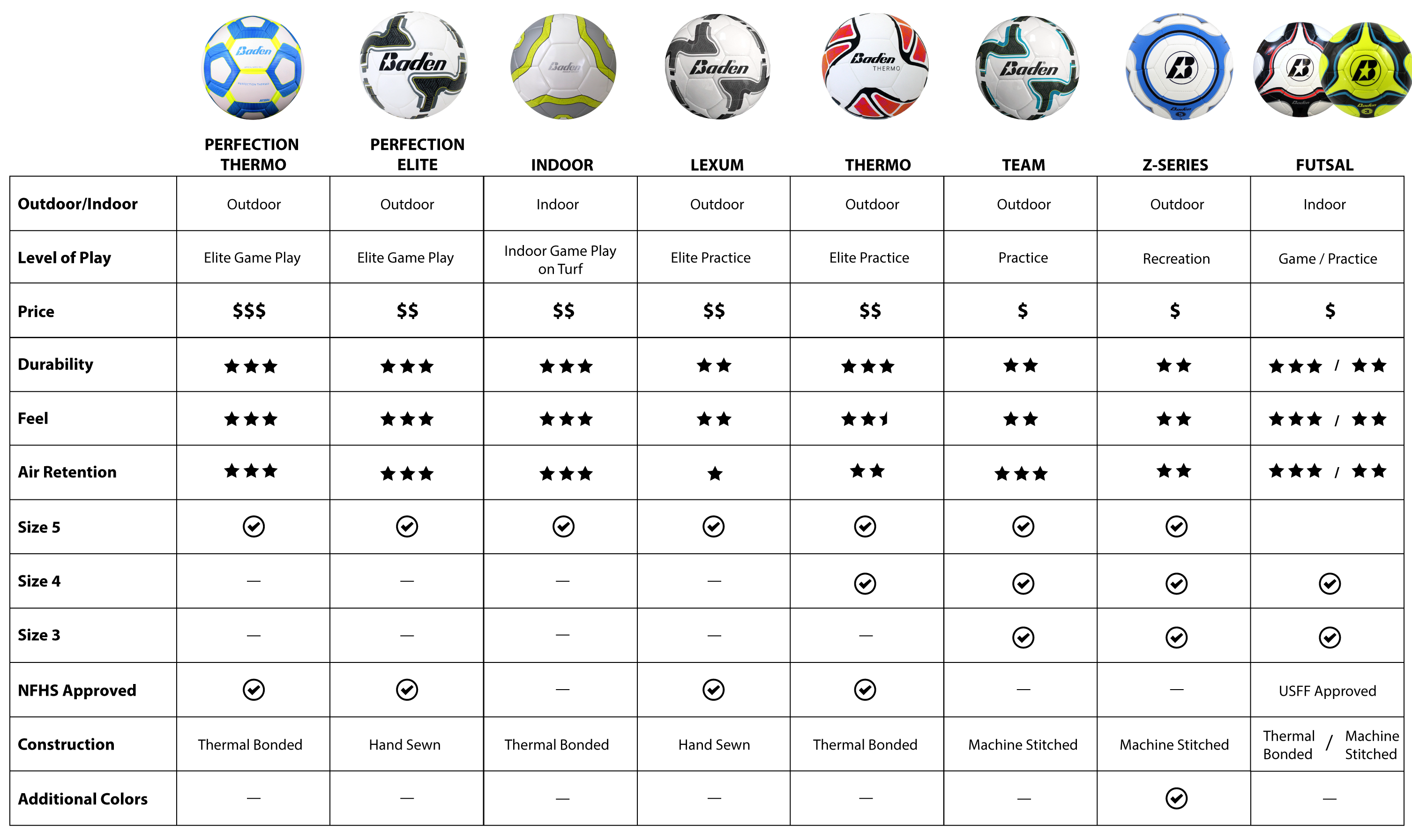
Premium match balls require precise pressure management—typically 13-15 PSI for optimal flight characteristics. Training balls tolerate wider ranges (11-16 PSI) but perform best at 12-14 PSI for extended durability. When using training balls for serious practice, maintain them within the official range to ensure skills transfer directly to match conditions.
Youth Soccer Pressure Adjustments
Younger players benefit from slightly lower pressures (10-12 PSI) for easier control and reduced injury risk. However, youth tournament balls must still meet official standards when specified in competition rules. Always check local league regulations, as some youth competitions modify FIFA standards for safety reasons.
Indoor vs Outdoor Pressure Differences
Indoor soccer balls often use 1-2 PSI less than outdoor balls due to harder playing surfaces and reduced air resistance. Futsal balls specifically require different pressure characteristics altogether, though they still fall within modified official ranges for their respective competitions.
Key Takeaway: Mastering soccer ball pressure transforms your game from unpredictable to precise. Keep a quality pressure gauge in your bag, check before every session, and maintain balls at 13-14 PSI for optimal performance across most conditions. Your improved ball control starts with getting this fundamental detail exactly right. Remember that when asking “what PSI should soccer ball be,” the official answer is always 8.82-16.17 PSI—but the sweet spot for your personal performance lies within that range based on conditions and playing style. Check pressure regularly, respect the temperature variables, and never compromise on this critical element of your soccer equipment.

I come from the “soccer heart” of Germany, the Ruhrpott. I have played, trained and followed soccer all my life and am a big fan of FC Schalke 04. I also enjoy following international soccer extensively.