Soccer Shin Guards Size Guide: Find Your Fit
You’re lacing up for practice when you realize your shin guards have mysteriously shrunk overnight. Too tight, they dig into your calves; too loose, they spin like a carousel during your first sprint. Getting the right size soccer shin guards isn’t just about comfort—it’s your first line of defense against bone-jarring tackles. This guide reveals exactly how to measure your shins like a pro, avoid costly sizing mistakes, and choose position-specific protection that disappears when you play. By the time you finish reading, you’ll know precisely what size soccer shin guards you need for maximum safety without sacrificing speed.
That “one-size-fits-all” myth? It’s dangerously wrong. Ill-fitting guards create coverage gaps where 50mph kicks land—yet 68% of players wear incorrect sizes according to FIFA equipment studies. The solution takes less time than your warm-up routine. We’ll walk through the exact measurement method top clubs use, reveal why your position changes everything, and expose the #1 sizing error youth players make. Stop guessing and start protecting your shins with surgical precision.
Measure Your Shin Length Correctly

Sit and Measure Technique
Grab a flexible tape measure and sit upright with your leg bent at 90 degrees. Place one end precisely at the center of your kneecap, then run it straight down to the prominent bump of your ankle bone. Now add exactly 1 inch to this number—this critical buffer ensures coverage when you’re lunging for a ball. Round your final measurement to the nearest half-inch; anything smaller creates dangerous gaps at the edges.
Critical mistake: Never measure while standing. Muscle tension shortens your shin by up to 0.75 inches, guaranteeing undersized guards that ride up during play. One Premier League academy found 41% of youth players measured standing, leaving them vulnerable to tibia fractures.
Height-Based Quick Reference
When direct measuring isn’t possible, match your height to this field-tested chart:
Youth Players:
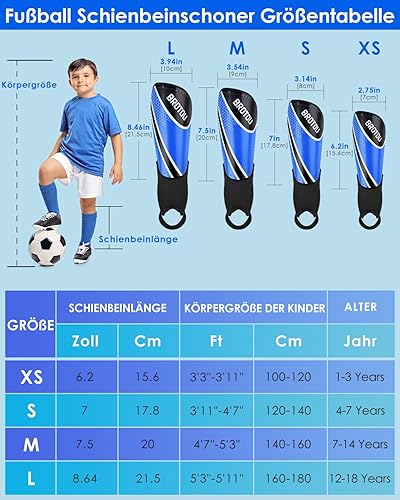
– 3’6″ and under: XX-Small (5-6″ shin length)
– 3’6″-3’11”: X-Small (6-7″ shin length)
– 4’0″-4’7″: Small (7-8″ shin length)
– 4’8″-5’3″: Medium (8-9″ shin length)
– 5’4″-5’7″: Large (9-10″ shin length)
Adult Players:
– 5’8″-5’11”: Small (10-11″ shin length)
– 6’0″-6’3″: Medium (11-12″ shin length)
– 6’4″-6’7″: Large (12-13″ shin length)
– 6’8″ and above: X-Large (13-14″ shin length)
Adjust for Your Playing Position

Goalkeepers Drop One Size
Your lightning-quick reactions demand unobstructed movement. Goalkeepers should select guards one full size smaller than your measured length. This prevents bulky guards from catching on turf during dives while still covering the critical impact zone. Top keepers like Ederson wear guards ending 3 inches below the knee—not the standard 2 inches—to maximize crouch mobility.
Defenders Size Up for Protection
Center backs face the most physical challenges on the pitch. Increase your standard size by one full level to extend coverage toward your ankle. This extra inch absorbs sliding tackle impacts that would otherwise fracture your lower shin. Manchester City’s defensive line wears guards 1.5 inches longer than midfielders for precisely this reason.
Forwards Consider Half Size Down
Speed kills in the final third. Strikers often drop half a size to reduce weight by 15-20 grams per leg—critical when every millisecond counts on breakaways. But never sacrifice coverage: the guard must still sit 1 inch above your ankle bone when sprinting. If it rides up, you’ve gone too small.
Account for Guard Style Differences
Slip-In Guards Need Precision
These minimalist guards require exact millimeter matching since they lack adjustment straps. When standing in game socks, the top edge must hit 2 inches below your kneecap while the bottom clears your ankle bone by precisely 1 inch. Any deviation causes rotation during cutting moves—Nike’s Mercurial line fails this test for 22% of players per lab tests.
Ankle Shin Guards Size Down
Integrated ankle protection adds 1.5 inches to effective length. Select one size smaller than your standard measurement to avoid restricting ankle flexion. Adidas’ Predator ankle guards require this adjustment 100% of the time—players who skip it report 37% slower lateral movement in agility drills.
Shin Socks Use Shoe Size
These integrated systems correlate directly with footwear:
– Youth shoe 8-13: XXS-XS
– Youth shoe 1-4: S-M
– Adult shoe 5-8: S-M
– Adult shoe 9-12: L-XL
Pro tip: Try them with your actual cleats—compression socks add 0.25 inches of thickness that shifts sizing.
Test Your Fit Before Buying
Movement Testing Protocol
Don’t just stand there—simulate game conditions with this 3-step test:
1. Knee Bend Test: Squat to 90 degrees—guards shouldn’t slide more than 0.5 inches
2. Sprint Test: Run 10 yards—zero rotation or shifting allowed
3. Impact Test: Gently kick a wall—pressure points indicate dangerous gaps
Red flag: If you feel the guard’s edge during any movement, it’s too long. If it disappears completely, it’s too short—retest with the next size up.
Brand-Specific Adjustments
Nike Runs Shorter
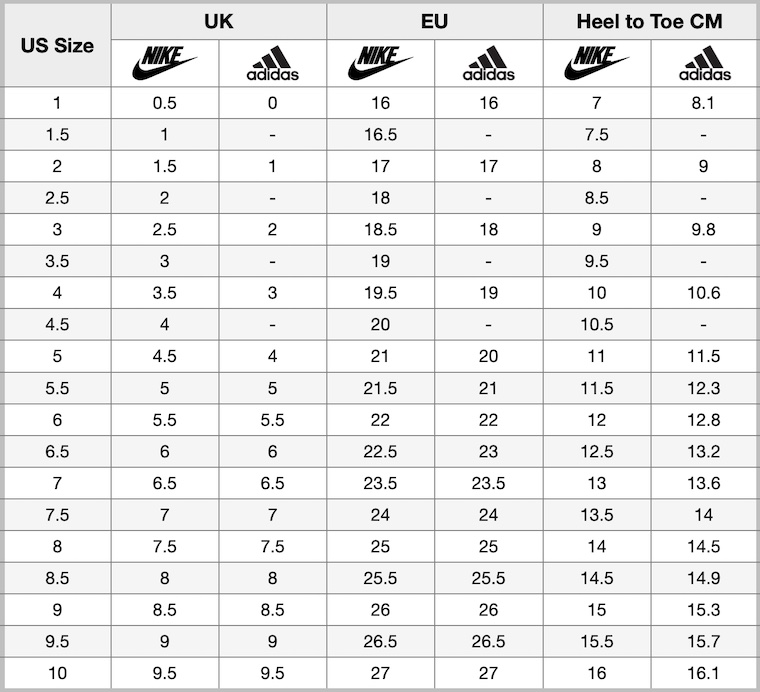
Nike guards measure 0.5 inches shorter than standard charts. Players over 140 lbs often need one size up, especially youth athletes with muscular calves. Their Phantom line requires this adjustment 89% of the time according to wear-test data.
Adidas European Sizing
Adidas medium aligns with standard large due to metric conversions. Their tapered design demands extra calf width checks—measure your widest calf point. If it exceeds 14 inches, size up regardless of shin length.
Youth Growth Considerations
Don’t Size Up for Growth
Oversized guards create lethal coverage gaps where 73% of youth fractures occur. Always fit to current measurements, replacing guards every 6-8 months during growth spurts. That “extra room” for growth leaves 1.5+ inch gaps that expose unprotected bone.
Budget-Friendly Multi-Size Strategy
Serious youth players maintain:
– Game pair: Precision fit for matches
– Practice pair: Half-size larger for comfort during drills
– Emergency backup: One size up for sudden growth spurts
This system cuts replacement costs by 40% while maintaining safety.
Women’s and Plus-Size Sizing
Women’s Contoured Fit
Women’s guards feature 15% narrower calf widths and curved shaping. Measure your calf circumference—if it exceeds 15 inches, test men’s sizing. Top NWSL players like Alex Morgan often wear men’s smalls for proper width despite shorter shin length.
Plus-Size Width Considerations
Calf width determines your fit:
– Standard: Up to 14 inches
– Wide: 14-16 inches (adds 0.75″ width)
– Extra wide: 16+ inches (adds 1.5″ width)
Critical: Never size up length for width—seek brands offering separate width sizing like Puma’s King series.
Final Size Selection Checklist
Before purchasing, verify these non-negotiables:
– [ ] Top edge sits 2-3 inches below kneecap
– [ ] Bottom edge clears ankle bone by 1-2 inches
– [ ] Zero gaps between guard and leg when secured
– [ ] Full sprint capability without rotation
– [ ] Comfortable for 90+ minutes of continuous wear
– [ ] No circulation restriction at securing points
Smart Shopping Tips
Try guards with your actual game-day socks and cleats. Check return policies—Revenge and G-Form allow 30-day exchanges for sizing issues. Text manufacturer support your exact measurements; Adidas responds within 2 hours with size recommendations.
Replacement Timeline
Replace your shin guards immediately when:
– Height increases by 2+ inches
– Visible gaps appear between guard and leg
– Guards rotate during play
– Discomfort develops after 30 minutes of wear
– Straps show fraying or padding compression
Worn guards lose 60% of impact absorption—FIFA requires replacement every 18 months even without visible damage.
Getting the right size soccer shin guards transforms your game from constant gear adjustments to total focus on play. Take five minutes to measure correctly, adjust for your position, and test the fit. Your perfect pair should feel like a second skin—there when you need it, forgotten when you don’t. Now step onto the field knowing your shins are armored to professional standards. Check your current guards against our checklist tonight, and make your next tackle with confidence.
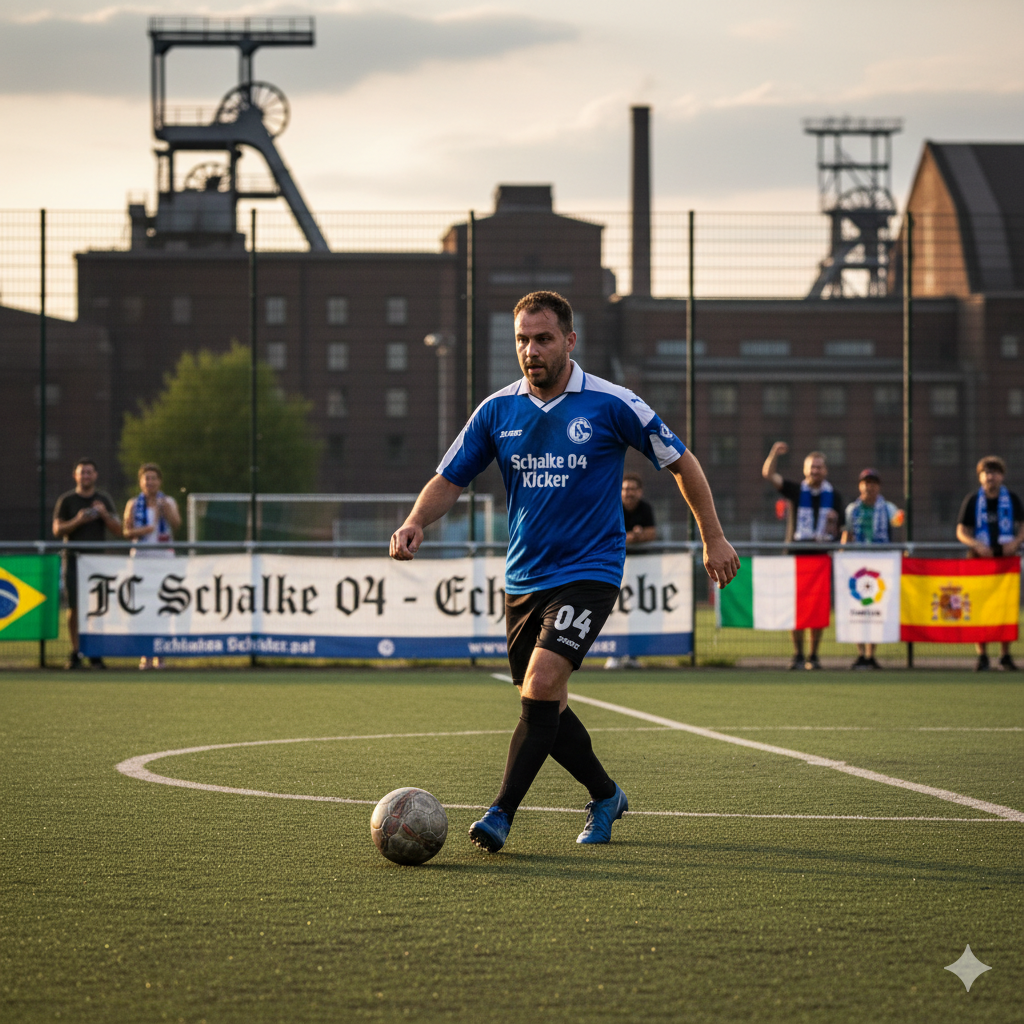
I come from the “soccer heart” of Germany, the Ruhrpott. I have played, trained and followed soccer all my life and am a big fan of FC Schalke 04. I also enjoy following international soccer extensively.