When to Replace Soccer Goalkeeper Gloves
This post contains affiliate links. As an Amazon Associate, we earn from qualifying purchases.
That critical save in the 89th minute shouldn’t fail because your gloves gave out first. Every goalkeeper has experienced the frustration of a ball slipping through fingers that once held firm—often the result of gloves past their prime. Your gloves aren’t just equipment; they’re your essential connection to the ball, and ignoring their wear signs puts your performance and safety at risk. Knowing exactly when to replace soccer goalkeeper gloves separates the serious keeper from the casual player, transforming unreliable saves into confident stops when it matters most.
Visual Signs Your Gloves Are Done
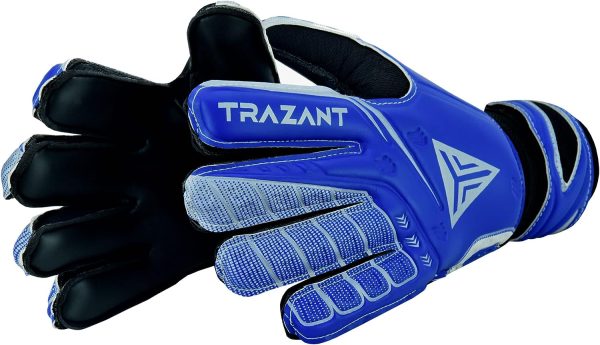
Foam Cracks Across Palm Surface
Those tiny hairline fractures spreading across your palm foam signal the beginning of the end for your gloves’ grip capabilities. Run your fingertip along the high-impact zones—the base of your palm and fingertips—and feel for ridges where once was smooth, tacky latex. These cracks multiply rapidly with each save, creating channels where moisture collects and accelerates further breakdown. Pro tip: Hold your gloves under bright light at an angle; this makes developing cracks far more visible than casual inspection reveals.
Shiny Smooth Spots Develop
Fresh goalkeeper gloves have a matte, slightly textured surface that grabs the ball like nature’s adhesive. As wear progresses, certain areas transform into reflective, glass-like patches where the grip texture has completely vanished. These smooth spots typically appear first on the thumb pad and lower palm—the zones that contact the ball most frequently during routine saves. When you notice these shiny sections, your gloves’ ability to control wet balls has already diminished by 50% or more.
Peeling Layers Create Flaps
Latex foam separating from the backing material creates flapping sections that interfere with your ball control during crucial moments. This delamination usually starts at the edges or seams, where stress concentrates during dives and punches. Even a small flap catching on the ball can redirect what should have been a comfortable catch into a dangerous rebound. Warning: Once peeling begins, it accelerates rapidly—don’t wait for it to worsen before replacing your gloves.
Performance Drops You Can’t Ignore
Ball Control Becomes Unpredictable
When routine chest-height balls suddenly squirt out of your hands during training, your gloves have likely crossed the performance threshold. Track your catch success rate over three consecutive sessions; if it drops below 85% in dry conditions or 70% in wet weather, replacement time has arrived. Elite keepers monitor this metric religiously, knowing that inconsistent glove performance often masquerades as technique regression.
Increased Hand Sting After Saves
Quality foam absorbs impact energy like a miniature trampoline, protecting your hands from the ball’s force. Worn foam transfers that energy directly to your bones and joints, creating sharper pain with each catch. If you find yourself shaking out your hands after routine shots that never bothered you before, your gloves’ shock absorption has degraded beyond safe levels. Expert note: Persistent hand pain after training could indicate glove failure rather than injury—check your equipment first.
Finger Hyperextension Incidents Rise
When finger spines crack or foam compresses permanently, you lose the critical protection against hyperextension injuries. Count how many times during your last match your fingers bent backward unnaturally on hard shots—if you experienced three or more such incidents, immediate glove replacement is non-negotiable. The cost of new gloves pales compared to the weeks or months you’ll miss with a serious finger injury.
Usage Timeline by Player Level
Professional Match Schedule
Top-tier keepers replace gloves every 6-12 matches regardless of appearance, recognizing that peak grip performance degrades before visible signs appear. For those playing twice weekly with daily training, this translates to new gloves every 2-4 weeks during competitive seasons. World-class goalkeepers treat gloves as consumables, not equipment—because when championship moments hinge on a single save, compromised grip isn’t an option.
Competitive Amateur Reality
Serious club players training twice weekly with weekend matches typically get 15-25 matches from quality gloves. This 6-8 week lifespan means planning for two to three glove replacements per competitive season. Budget-conscious keepers extend this timeline by maintaining a dedicated training pair, reserving premium gloves exclusively for match days where performance matters most.
Youth and Recreational Lifespan
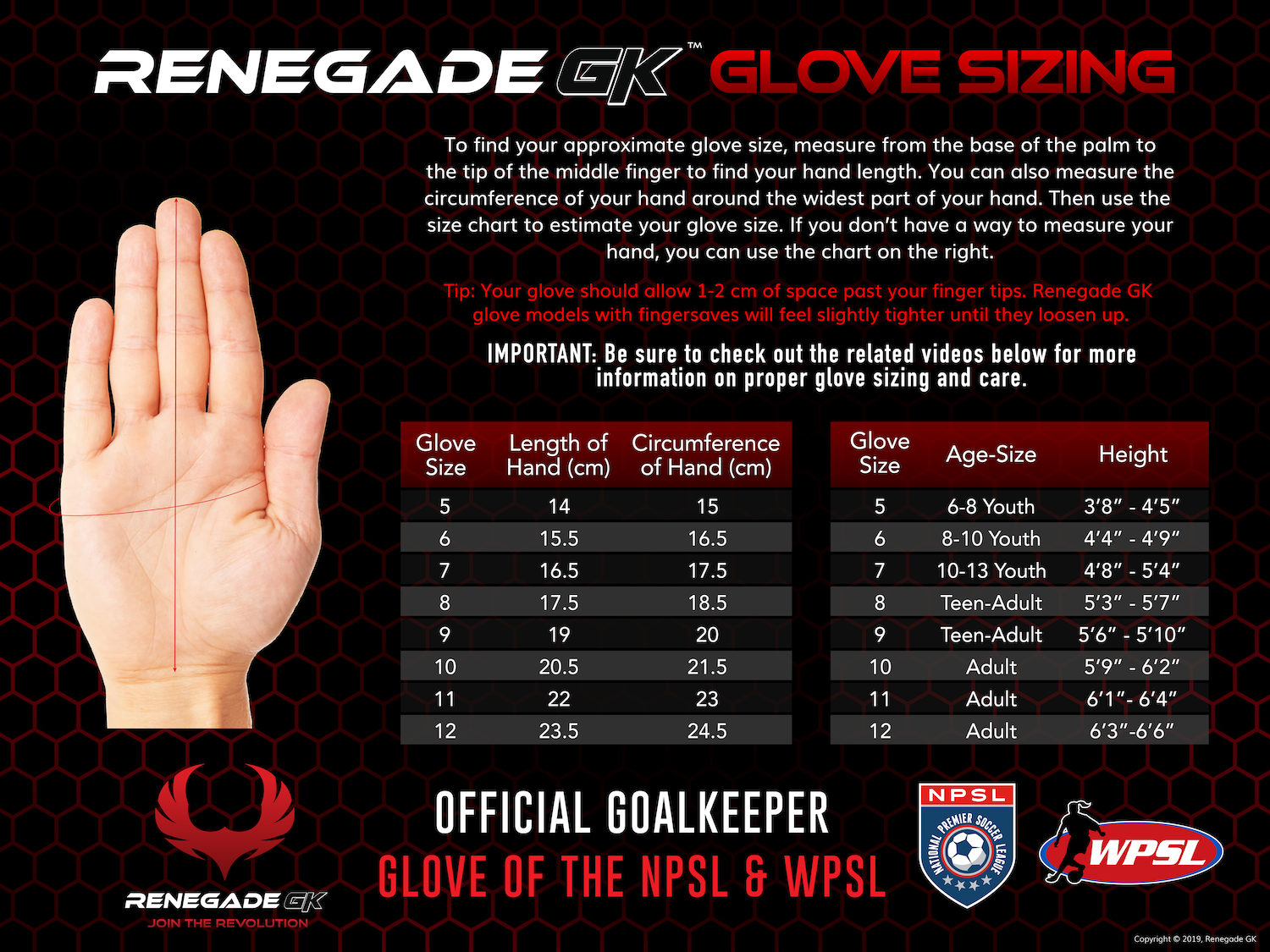
Young players often outgrow gloves before wearing them out completely, making size the primary replacement factor rather than wear. Expect 1-2 full seasons (6-12 months) from recreational gloves with proper care, though growth spurts frequently necessitate earlier replacement. For casual players with weekly games, seasonal replacement aligns with both wear patterns and budget planning.
Surface and Weather Acceleration
Artificial Turf Destruction
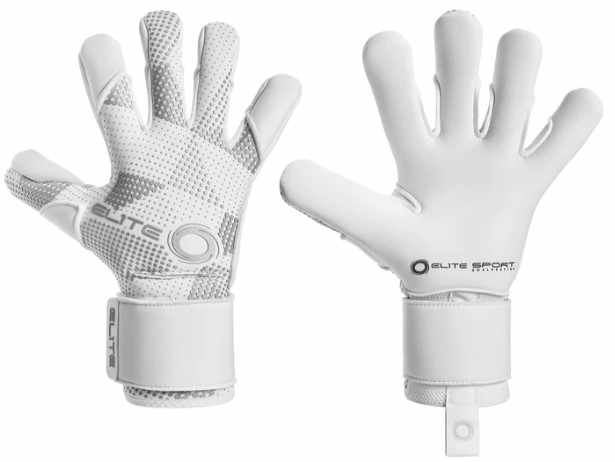
Synthetic playing surfaces act like fine sandpaper on latex foam, accelerating wear by 40-50% compared to natural grass. A glove lasting 20 matches on grass might survive only 10-12 on turf, forcing more frequent replacement for those who primarily play on artificial surfaces. Pro tip: If your home field is turf, budget for 50% more glove replacements than grass-playing counterparts.
Wet Weather Wear Patterns
Rain-soaked games accelerate foam breakdown through repeated water absorption and drying cycles. Each wet match equals 1.5 dry matches in wear calculation, making dedicated wet-weather gloves a smart investment. Keep separate gloves for rainy conditions to preserve your primary pair’s grip performance for optimal playing days.
Indoor Facility Benefits
Indoor soccer extends glove life by 20-30% due to controlled conditions—no moisture extremes, reduced dirt accumulation, and consistent temperatures. If your schedule includes both indoor and outdoor play, reserve your best gloves for indoor matches where grip consistency provides the greatest competitive advantage.
Quality vs. Budget Lifespan Reality
Entry-Level Expectations
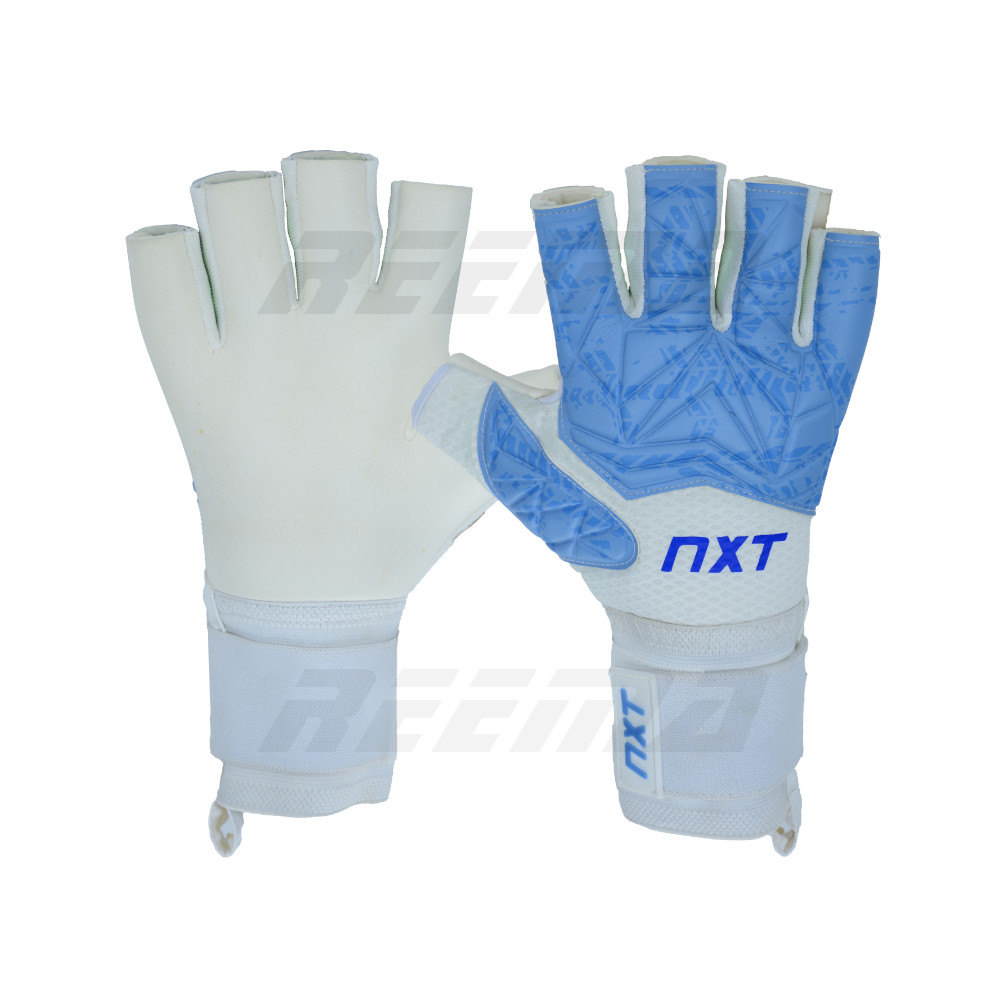
$20-40 gloves deliver 10-15 matches for recreational players before significant degradation. The foam quality simply can’t withstand intensive use, making these suitable for beginners testing goalkeeper position interest rather than committed keepers. Don’t expect professional-level performance or longevity from budget gloves—they serve as entry points, not long-term solutions.
Mid-Range Sweet Spot
$40-80 gloves balance performance and durability for most competitive players, delivering 20-30 matches with proper care. These represent the value sweet spot for club and high school goalkeepers who need reliable grip without professional price tags. Proper washing and rotation extend their useful life, making them the most cost-effective choice for serious players.
Premium Investment Returns
$80-150 professional gloves might last 25-40 matches with meticulous care, but their peak performance window spans just 15-20 matches. Higher price buys superior initial grip and materials, not infinite durability—elite keepers replace them proactively before performance degradation affects critical saves.
Critical Safety Red Flags
Finger Protection System Failure
Any visible crack in finger spines requires immediate replacement. These plastic supports prevent hyperextension injuries that can sideline you for weeks. Playing with compromised finger protection turns routine saves into potential injury scenarios—never risk this critical safety feature for the sake of a few extra matches.
Seam Separation Risks
Split seams connecting palm to backhand create weak points that can tear completely during diving saves. Small seam splits become large failures under game stress, potentially causing complete glove detachment mid-save. Replace at first sign of seam separation rather than risking equipment failure during critical moments.
Smart Rotation Strategies
Match vs Training Separation
Reserve premium gloves exclusively for games—this simple practice extends their lifespan by 2-3 times. Use older but functional gloves for training where repetition accelerates wear. Label gloves clearly to prevent accidental mix-ups that compromise your match-day performance.
Backup Pair Readiness
Maintain three pairs in rotation: primary match gloves, daily training pair, and emergency backup. This system prevents complete equipment failure and extends individual glove life by 30-40% through proper usage distribution. Pro tip: Start breaking in new gloves 2-3 weeks before replacement becomes critical to ensure seamless transition.
Economic Replacement Decisions
Cost-Per-Use Calculation
Calculate your investment: $80 gloves lasting 25 matches equals $3.20 per game—less than most match-day meals. Compare this to potential performance costs of missed saves or injury risk from worn equipment. The math consistently favors proactive replacement over gambling with failing gear.
Seasonal Budget Planning
Map replacement needs to your competitive calendar, timing new gloves before important tournaments rather than risking equipment failure during championship runs. Budget for mid-season evaluation even if gloves appear functional—sometimes performance degradation happens before visible signs appear.
Pre-Game Inspection Routine
Before every match, spend 30 seconds inspecting palms for new cracks, checking finger spines for damage, and testing wrist closure security. This quick visual check prevents mid-game surprises and builds confidence in your equipment. Wash your hands thoroughly, then test glove tackiness with your match ball—if control feels different, consider switching to backup gloves.
Making the Final Decision
When performance drops meet visual wear indicators, replacement becomes non-negotiable. The best keepers replace gloves proactively, not reactively, ensuring peak performance when championships hang on single saves. Track your gloves like you track your training—note match dates, sessions, and performance changes. Remember: your gloves are tools, not heirlooms. Replace them before they replace you on the highlight reel—for the wrong reasons. Knowing precisely when to replace soccer goalkeeper gloves transforms equipment management from guesswork into a strategic advantage that pays dividends in every save you make.

I come from the “soccer heart” of Germany, the Ruhrpott. I have played, trained and followed soccer all my life and am a big fan of FC Schalke 04. I also enjoy following international soccer extensively.