Guide to Mexican Soccer Stadiums Hosting the FIFA World Cup
The 2026 FIFA World Cup in Mexico will be played across three stadiums: Mexico City Stadium (Estadio Azteca), Estadio Guadalajara, and Estadio Monterrey. These venues will host 13 matches, including all of Mexico’s group stage games. Each stadium brings a distinct history, architectural style, and set of logistical considerations for traveling fans.
Most guides just list capacities and opening dates. They miss the gritty details that actually shape a fan’s experience, the subsidence concerns under a historic colossus, the last-minute scramble to fix a stadium’s internet, the specific public bus line that gets you to the gate. You can’t plan a trip on Wikipedia specs alone.
This guide covers the stadiums inside and out. You’ll get the full 2026 match schedule for Mexico, a clear breakdown of each venue’s strengths and known issues, and the practical logistics you need to navigate them successfully.
Key Takeaways
- Mexico is the first nation to host three men’s World Cups, with 13 matches spread across three cities in 2026.
- Mexico City Stadium (Estadio Azteca) is the only venue to host two previous finals (1970, 1986). Its 2,200-meter altitude is a proven home-field advantage, but the 2026 renovations have faced scrutiny over construction quality and digital infrastructure.
- Estadio Guadalajara is the modern, architecturally distinct “volcano” stadium with a 48,000 capacity. It will host four matches, including a crucial group game for Mexico.
- Estadio Monterrey, the “Steel Giant,” is a LEED Silver-certified, sustainable venue set against the mountains. It hosts four matches, including a Round of 32 game.
- All stadiums operate under strict FIFA control during the tournament. This means neutral names, cashless concessions, and enhanced security screenings similar to major international events.
The Three Mexican Stadiums: A Side-by-Side Look
Forget the corporate names. During the World Cup, FIFA strips them away. You’re looking for Mexico City Stadium, Estadio Guadalajara, and Estadio Monterrey. The character of each venue, its history, its flaws, its atmosphere, dictates the experience.
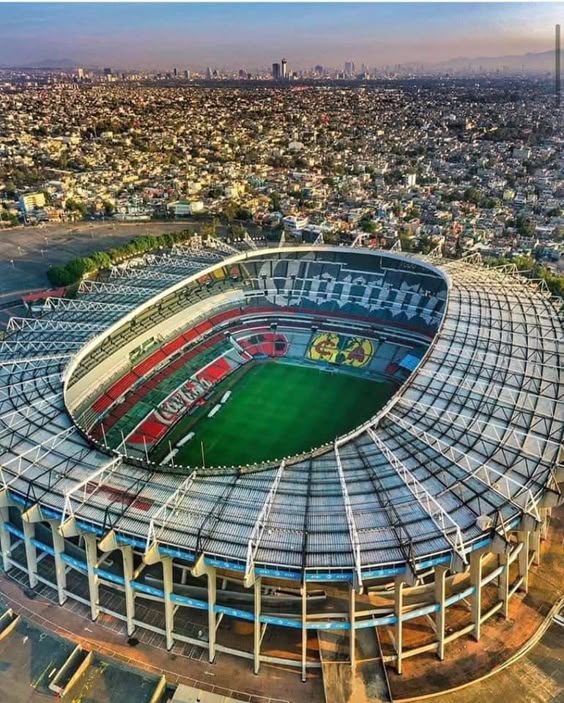
Mexico City Stadium (Estadio Azteca) is the only stadium in history to host two World Cup finals (1970, 1986). Its 2026 renovation, completed just months before the tournament, increased capacity to approximately 87,523 but introduced concerns over sightlines, concourse crowding, and ground subsidence that requires continuous monitoring.
The following table breaks down the core facts you need to compare them.
| Stadium (FIFA Name) | Location & Altitude | World Cup Capacity | Key 2026 Matches |
|---|---|---|---|
| Mexico City Stadium | Coyoacán, Mexico City 2,200 meters (7,218 ft) |
~87,523 | Opening Match (MEX vs RSA, Jun 11) Mexico vs Czechia (Jun 24) |
| Estadio Guadalajara | Zapopan, Guadalajara Metro Area | ~48,000 | Mexico vs South Korea (Jun 18) Uruguay vs Spain (Jun 20) |
| Estadio Monterrey | Guadalupe, Monterrey Metro Area | ~53,500 | Three Group Stage matches One Round of 32 match (Jun 29) |
TL;DR: Mexico City is the historic, high-altitude giant. Guadalajara is the modern, compact volcano. Monterrey is the sustainable steel bowl in the mountains. Your match ticket determines which universe you enter.
Mexico City Stadium: The Colossus with Questions
Headline facts don’t tell the whole story. The Azteca is a legend, but legends age. Its 2026 reopening on March 28 was met with relief and immediate criticism.
The renovation aimed to modernize a 1966 icon. They added seats, upgraded VIP areas, and installed new screens. Independent inspectors from StadiumDB.com, however, noted persistent issues: unfinished welding on new structures, poor sightlines from some new seats, and overloaded Wi-Fi that crashed digital ticket scanners during test events. The most serious note is the ongoing monitoring for ground subsidence, the stadium is built on a former lakebed, and the soil shifts.
Common mistake: Assuming Mexico City Stadium’s renovations are fully complete and trouble-free. Reports indicate operational hiccups with digital systems and concessions; arrive earlier than you think to account for potential delays at the gate.
FIFA officials reportedly demanded immediate fixes to the internet infrastructure. The stadium will also be cashless for the tournament, so bring cards. For transport, a dedicated Metrobús line will run between Perisur and Cañaverales stations, stopping near Gate 8. That’s your best bet.
The altitude is the X-factor. At 2,200 meters, the thin air is a tangible advantage for acclimatized teams like Mexico. For fans, it means taking the stairs slowly and drinking more water than you think you need. The first time I attended a Clásico here, I felt the burn in my lungs by the time I found my seat in the upper tier. It’s real.
Estadio Guadalajara: The Modern Volcano
Opened in 2010, Estadio Guadalajara (commercially known as Estadio Akron) represents Mexico’s newer generation of football-specific grounds. Its design is unmistakable, a red seating bowl nestled into an artificial grass-covered berm, topped with a wavy white roof that looks like settling cloud or eruption plume.
This is the home of Club Deportivo Guadalajara (Chivas). The atmosphere is passionate but lacks the overwhelming, metropolitan scale of Mexico City. For the World Cup, its 48,000 capacity will feel intimate but loud. It hosts four group stage matches.
The stadium’s location in Zapopan, a suburb of greater Guadalajara, means your travel planning should focus on the Guadalajara metro area. Public bus routes are the primary way for most fans to reach the venue. The city itself offers a more manageable, traditional Mexican experience compared to the capital’s chaos, with famous tequila distilleries and mariachi music as part of the local culture.
Architecturally, it’s a success. Functionally, it’s a modern venue without the legacy baggage of the Azteca. This means fewer reported operational concerns heading into the tournament. The pitch is hybrid grass, and facilities are designed for clear event flow.
Estadio Monterrey: The Sustainable Steel Giant
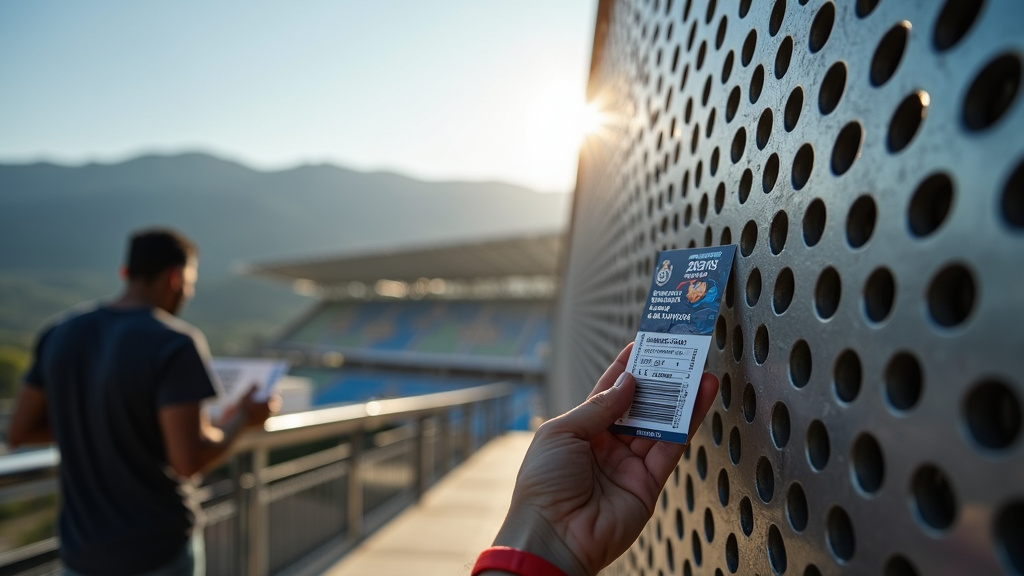
In the industrial north, Estadio Monterrey (Estadio BBVA) stands as a statement of modern engineering and environmental consciousness. Opened in 2015, its nickname “El Gigante de Acero” (The Steel Giant) comes from its massive, perforated metallic facade.
The stadium is built into a natural slope in Guadalupe, offering a postcard view of the Sierra Madre Oriental mountains from the open south stand. It was the first stadium in North America to earn LEED Silver certification for sustainability, featuring water-efficient systems and optimized energy use. A new hybrid pitch was installed for the World Cup.
Its 53,500 capacity is split between two main tiers, hundreds of corporate boxes, and 324 luxury suites. It will host three group stage matches and one Round of 32 match on June 29, 2026, the only knockout game in Mexico.
I prefer the design and flow of Estadio Monterrey over the Azteca for a pure fan experience. The concourses are wide, the sightlines are steep and clear, and the mountain backdrop is unbeatable. It lacks the historical weight, but it wins on consistent, modern execution. That matters when you’re shepherding a group to their seats.
The greater Monterrey area is hotter and drier than the other host cities. Planning should include sun protection and hydration. The city is known for a robust food scene, take the opportunity to explore local cuisine beyond the stadium concessions.
Mexico’s Match Schedule and the Full 13-Game Slate
Mexico plays all its Group A matches on home soil, a massive advantage. But the Mexican venues host more than just El Tri’s games. Here is the complete schedule of all 13 matches.
- June 11, 2026: Mexico vs South Africa – Mexico City Stadium (Opening Match)
- June 14, 2026: Senegal vs Netherlands – Estadio Monterrey
- June 15, 2026: Uzbekistan vs Colombia – Mexico City Stadium
- June, 18, 2026: Mexico vs South Korea – Estadio Guadalajara
- June 20, 2026: Uruguay vs Spain – Estadio Guadalajara
- June 20, 2026: South Africa vs Japan – Estadio Monterrey
- June 22, 2026: Czechia vs South Africa – Mexico City Stadium
- June 24, 2026: Mexico vs Czechia – Mexico City Stadium
- June 24, 2026: South Korea vs Czechia – Estadio Monterrey
- June 26, 2026: Colombia vs Netherlands – Estadio Guadalajara
- June 26, 2026: Japan vs Senegal – Mexico City Stadium
- June 28, 2026: Spain vs Uzbekistan – Estadio Guadalajara
- June 29, 2026: Round of 32 Match (1B vs 3A/D/E/F) – Estadio Monterrey
TL;DR: Mexico’s group stage is a home tour: opener in Mexico City, second match in Guadalajara, third back in Mexico City. The other ten matches in Mexico feature compelling global fixtures like Uruguay-Spain.
Practical Logistics for Attending Fans
Stadium knowledge is useless if you can’t get in, get fed, or get out. FIFA’s operational takeover creates a uniform, strict environment.
Transportation and Access
Each city has a primary public transport link.
* Mexico City: Use the dedicated World Cup Metrobús line (Perisur to Cañaverales). Do not rely on taxis or ride-shares for the final approach, traffic will be gridlocked.
* Guadalajara & Monterrey: Study the local bus networks or official shuttle services announced closer to the event. Stadiums are in metropolitan areas, not downtown cores.
Before you start: Gates open 3-4 hours before kickoff. FIFA security will screen all bags, restricting sizes and contents. Have your digital ticket loaded and your phone charged. Concession lines peak 30 minutes before halftime and immediately after the final whistle.
The Cashless Mandate and Concessions
FIFA has mandated cashless payments for all venues. This means all food, drink, and merchandise purchases require a credit/debit card or mobile wallet (Apple Pay, Google Pay). Test events revealed that overloaded networks can sometimes slow transactions. Carry a backup card.
Ticket Acquisition and the “Box Seat” Controversy
For the average fan, tickets are obtained through FIFA’s sales phases or authorized resellers. However, a unique controversy erupted at Mexico City Stadium regarding its private box seats. A federal judge granted an injunction to box owners, upholding their property rights against FIFA’s attempts to control resale and access. This is a behind-the-scenes legal battle, but it underscores the complex reality of preparing a historic, privately-owned venue for FIFA’s globalized event machine.
The Historical Context and What It Means for 2026
Mexico’s 2026 hosting is not just another tournament. It’s a record-setting third men’s World Cup for a single country, following 1970 and 1986.
The 1970 tournament, won by Pelé’s Brazil at the Azteca, is remembered for its attacking football and the first live-color global broadcasts. The 1986 tournament, won by Maradona’s Argentina at the same venue, is etched in history for the “Hand of God” and the “Goal of the Century.” The Azteca is therefore a sacred ground in football lore.
This history creates a powerful narrative for 2026, but also a challenge. Can a stadium built in the 1960s, even renovated, provide the same seamless, digital-first experience as a new build like Atlanta’s Mercedes-Benz Stadium? The evidence suggests it will be a mix of awe and friction. The atmosphere will be electric, the history palpable. The Wi-Fi might cut out.
This blend of old and new defines Mexico’s hosting role. Guadalajara and Monterrey offer modern, efficient venues. Mexico City offers the immortal, imperfect cathedral. Understanding this split is key to setting your expectations.
Frequently Asked Questions
How many World Cup matches will be in Mexico?
Mexico will host 13 matches during the 2026 FIFA World Cup. This includes all three of Mexico’s Group A matches and ten other group stage fixtures, with one Round of 32 match in Monterrey.
Will the stadiums be called Estadio Azteca and Estadio BBVA during the World Cup?
No. FIFA enforces neutral naming for all World Cup venues. You must refer to them and look for signage for Mexico City Stadium, Estadio Guadalajara, and Estadio Monterrey.
What is the biggest challenge facing Mexico City Stadium?
Beyond the known altitude, the primary challenges are operational readiness and legacy infrastructure. Reports highlight concerns over digital ticketing systems, concession flow, and the long-term ground subsidence under the stadium that requires constant engineering monitoring.
Can I use cash inside the stadiums?
No. All three Mexican stadiums will be cashless for the World Cup. You must pay for everything inside the gates with a credit card, debit card, or approved mobile wallet.
Which Mexican stadium is the most modern?
Estadio Monterrey, opened in 2015, is the newest and most sustainable, holding LEED Silver certification. Estadio Guadalajara (2010) is also modern, while Mexico City Stadium is a renovated historic venue.
The Bottom Line
Mexico’s 2026 World Cup stadiums present a trilogy of experiences: the historic, high-altitude giant; the compact, modern volcano; and the sustainable steel bowl in the mountains. Your trip hinges on which match you attend.
Plan around the hard facts: FIFA-controlled names, cashless payments, and early arrival for security. Respect the altitude in Mexico City. Embrace the distinct character of each city, the chaos of the capital, the tradition of Guadalajara, the industrial vigor of Monterrey.
Most importantly, understand that you are walking into living history at the Azteca, or witnessing the global game in Mexico’s finest modern venues. The football will be spectacular. The logistics will test you. That’s part of the story.
I come from the “soccer heart” of Germany, the Ruhrpott. I have played, trained and followed soccer all my life and am a big fan of FC Schalke 04. I also enjoy following international soccer extensively.