Authentic vs Replica Soccer Jerseys: The Real Difference
The difference between an authentic and replica soccer jersey comes down to three core specs: fit, fabric technology, and badge construction. Authentic jerseys, or player versions, have a tight athletic fit, use advanced lightweight fabrics like Nike VaporKnit, and have heat-pressed badges. Replica jerseys, or fan versions, have a relaxed fit, use standard durable polyester, and have embroidered badges. Choose an authentic for playing or collecting; choose a replica for everyday comfort and value.
Most people buy the wrong one because they think it’s just about price. They see two shirts with the same crest and assume the more expensive one is a rip-off. That’s the universal mistake. The price gap reflects a completely different engineering brief, one is a performance garment, the other is a piece of fan apparel. Choosing the right one depends on whether you want to feel like you’re in the tunnel or in the stands.
This guide breaks down the specs you can’t see online. We’ll cover the exact fabric tech, why the fit matters for more than looks, and how to care for each type so your investment lasts.
Key Takeaways
- Authentic (player) jerseys use performance fabrics like Nike’s VaporKnit or Adidas’s HeatReady for moisture-wicking and weigh significantly less, but require delicate proper jersey cleaning.
- Replica (fan) jerseys have a classic, relaxed fit and embroidered badges, making them far more durable for weekly wear and standard washing cycles.
- The athletic cut of an authentic jersey means you should consider sizing up, especially if you plan to wear it casually over another shirt.
- Heat-pressed badges on authentic jerseys can crack or peel if machine-dried; always air dry.
- For 90% of fans attending matches, a replica jersey offers better comfort, durability, and value.
The Core Differences at a Glance
The choice isn’t premium versus basic. It’s tool versus trophy. One is engineered for a 90-minute match under stadium lights; the other is built for years of pub visits and backyard barbecues. The specs tell the story.
| Feature | Authentic (Player Version) | Replica (Fan Version) |
|---|---|---|
| Primary Purpose | On-pitch athletic performance | Casual fan wear & comfort |
| Fit & Cut | Slim, athletic, form-fitting | Relaxed, standard t-shirt fit |
| Fabric Technology | Nike VaporKnit, Adidas HeatReady, Puma Ultraweave | Standard polyester or polyester blend |
| Badge & Logo Application | Heat-pressed (smooth, synthetic) | Embroidered (stitched, textured) |
| Weight & Feel | Ultra-lightweight, technical feel | Standard weight, soft, durable feel |
| Price Point | Premium (approx. 50-60% higher) | Standard |
Authentic soccer jerseys, designated as player or match versions, incorporate advanced textile engineering such as bonded seams, laser-cut ventilation panels, and hydrophobic yarns to manage thermoregulation and reduce aerodynamic drag during high-intensity activity. These garments prioritize minimal weight and moisture vapor transmission rate over long-term durability in casual wear contexts.
TL;DR: Authentic jerseys are techwear for playing; replicas are durable fan apparel for watching.
Authentic Jersey: The Player Version
This is the shirt the pros wear. Manufacturers like Nike and Adidas sell a retail version that is materially identical to what hits the pitch, minus the ultra-customized tailoring for individual athletes. The entire design philosophy answers one question: how does this garment perform at a sprint in the 85th minute?
The fabric is the first tell. It’s not just “polyester.” It’s a specific, branded performance substrate. Nike uses VaporKnit, a single-layer engineered mesh with zones of varying knit density. Adidas uses HeatReady, a fabric treated to enhance sweat evaporation. Puma uses Ultraweave, which is ridiculously thin. You can literally see through it if you hold it to a light. This isn’t for show, it’s to shave grams and increase breathability.
The fit is the second shock. It’s cut for a professional athlete’s physique. The shoulders are narrow, the chest is snug, and the torso tapers sharply. If you have anything other than a very athletic build, you will need to size up. Possibly two sizes for a comfortable, casual fit. The hem is often curved longer in the back to stay tucked in during dynamic movement.
Common mistake: Washing an authentic jersey on a regular cycle with heavy detergent, the agitation frays the thin, technical fibers and the heat from drying melts the adhesive on heat-pressed badges, causing peeling within 5-10 washes.
The badges and team crests are heat-pressed, not stitched. They lay perfectly flat to prevent chafing. Run your finger over one. It feels smooth, almost rubbery. This application is lighter than thread, but it has a weakness: heat. A hot dryer will compromise the adhesive bond.
For match day, wearing the real thing creates a tangible connection. You feel the difference. The shirt whispers when you move. It’s a piece of performance sleeve gear, but for your whole torso. I bought my first authentic jersey, a Schalke 04 VaporKnit, thinking it would be a slightly nicer fan shirt. Wore it to a summer tournament. By halftime, I was drenched and the thin material felt clingy and uncomfortable off the pitch. I learned its place was on it.
Replica Jersey: The Fan Version
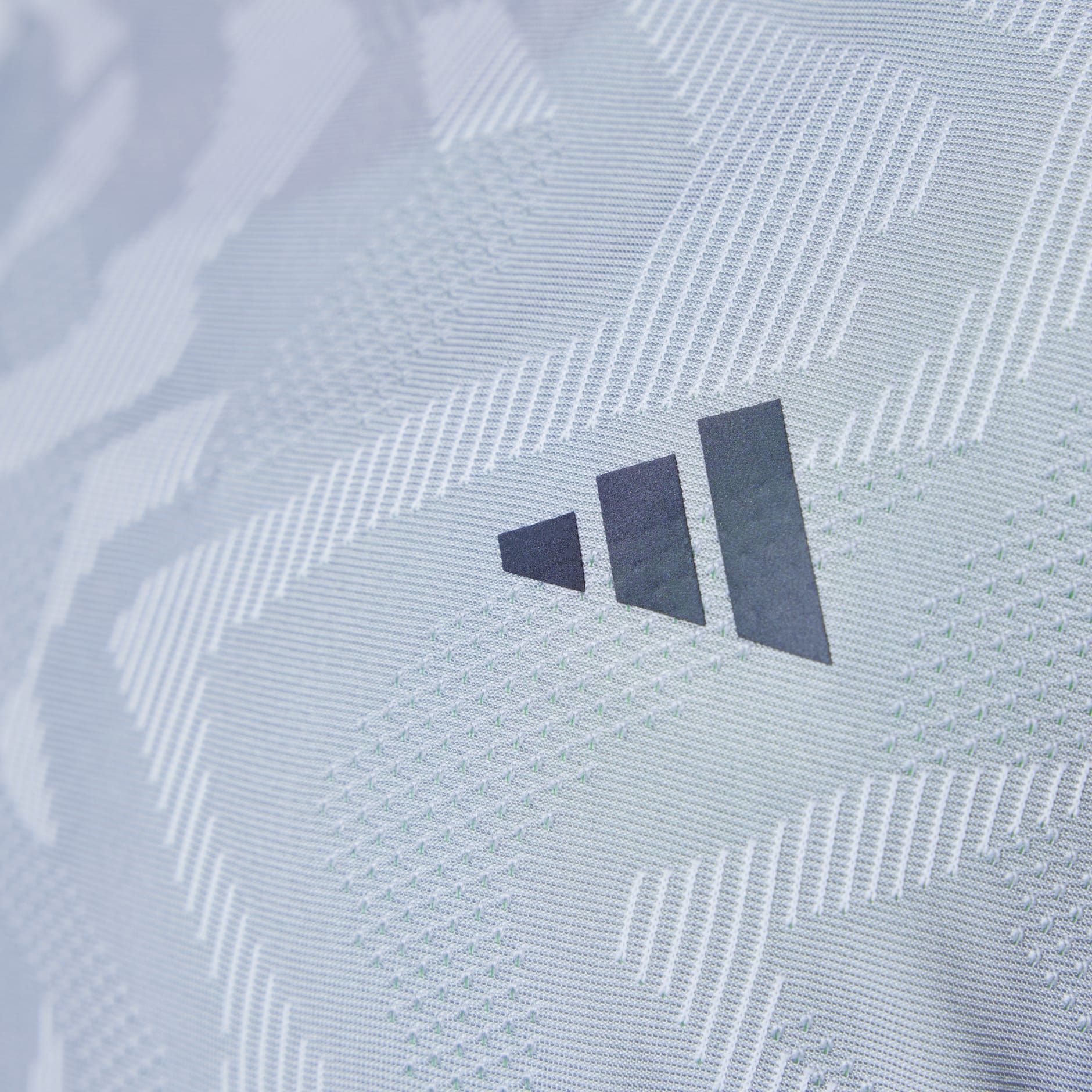
This is the shirt you see in the stands. Its design brief is durability, comfort, and recognizable team identity. It’s meant to survive years of washes, beer spills, and being pulled from a crowded gear carrying solutions bag week after week.
The fabric is a workhorse. It’s a denser, softer polyester blend, often with a slight cottony feel for comfort against the skin. It’s thicker by design. This weight gives it structure, so the shirt holds its shape wash after wash. It doesn’t have the advanced moisture-wicking channels of its authentic counterpart, but it also doesn’t require special jersey-safe detergents to maintain its integrity. You can treat it like any other athletic t-shirt.
The fit is forgiving. It’s cut like a standard casual shirt, with room in the shoulders, chest, and waist. You buy your normal t-shirt size. This makes it ideal for layering on a cold match day or for fans of all body types. The classic team spirit outfits you envision are built around this replica cut.
The badges are embroidered. This is the classic look, raised threads that you can feel. It’s a more durable application for the long haul. While the stitching can sometimes be abrasive against bare skin (a non-issue if you wear it over a base layer), it won’t peel or crack. It frays only under extreme abuse.
Its value is in its resilience. A replica jersey is a companion. It’s the shirt you pack for every away day, the one you wear for Saturday morning errands. You don’t think about it. That’s the point. For building a practical soccer game wardrobe, replicas are the foundation. They are the undisputed best choice for most supporters in the stadium.
Fit Guide: Sizing Up or Staying True?
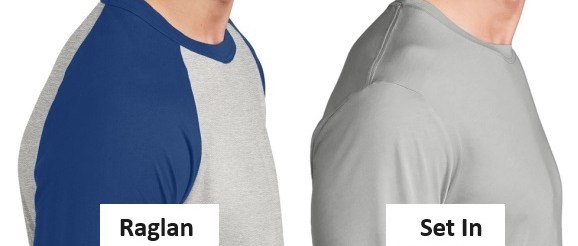
Don’t guess. Measure. A size “Large” means two completely different things across these two product lines. Getting this wrong is the fastest way to waste your money.
For Authentic Jerseys:
1. Take your chest measurement at the widest point.
2. Consult the specific brand’s authentic jersey sizing chart, not the generic size guide.
3. If between sizes, or if you plan to wear it over a base layer, size up.
4. Expect a tight fit across the shoulders and chest. This is by design.
For Replica Jerseys:
1. Take your standard t-shirt size.
2. That’s it. Buy that size.
3. The fit will be relaxed. If you prefer a snugger look, you could size down, but it’s not necessary.
The consequences are physical. An authentic jersey in your usual size will feel restrictive across the back and arms. It might ride up when you raise your arms. A replica jersey sized up will look and feel like a dress. Use the chart below to translate.
| Your Typical T-Shirt Size | Recommended Authentic Size | Recommended Replica Size |
|---|---|---|
| Small | Medium | Small |
| Medium | Large | Medium |
| Large | X-Large | Large |
| X-Large | XX-Large | X-Large |
TL;DR: For authentic jerseys, size up once, maybe twice. For replicas, buy your normal size.
Fabric and Technology Deep Dive
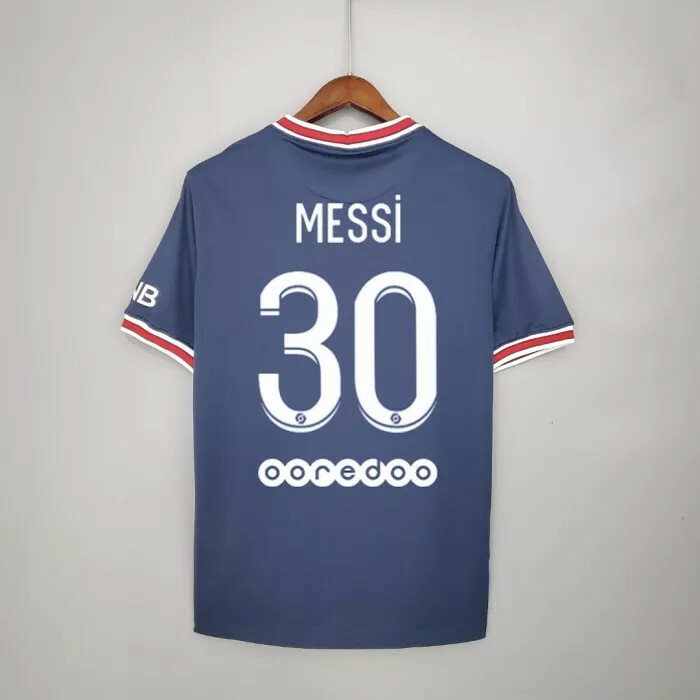
The material difference isn’t just marketing. It’s chemical engineering. Understanding it explains the price gap and the care instructions.
Authentic fabrics are about thermodynamics. Nike’s VaporKnit, for example, isn’t one uniform fabric. It’s a mapped mesh. The knit pattern is looser under the arms and along the spine, the major heat zones, to facilitate airflow. The yarn itself is often coated with a hydrophobic finish, pushing sweat to the surface of the fabric where it can evaporate quickly. This is the same principle behind high-end compression arm sleeves. The goal is to keep the player’s core temperature down. The trade-off is that these ultra-fine, technical fibers are more delicate.
I once washed a blue Germany authentic jersey (Adidas HeatReady) with a red towel. The dye ran slightly, but more critically, the towel’s texture abraded the jersey’s thin back panel, creating a faintly fuzzy patch. The technology layer is superficial. It wears.
Replica fabrics are about longevity. They use a tighter, more robust weave or even a double-knit construction. The focus is on colorfastness, resistance to pilling, and maintaining shape. They handle friction, from stadium seats, from durable equipment carriers, from regular washing, much better. While they might feel warmer during activity because they don’t wick as aggressively, they are built for the long-term fan experience, not the 90-minute performance window.
This divergence originates from the philosophical concept of authenticity itself. Is the authentic item the one that embodies the true essence of the object, the on-pitch performance? Or is it the one that delivers the true value to the wearer, durable team pride? The manufacturers answer by building both.
Care and Maintenance: Preserving Your Investment
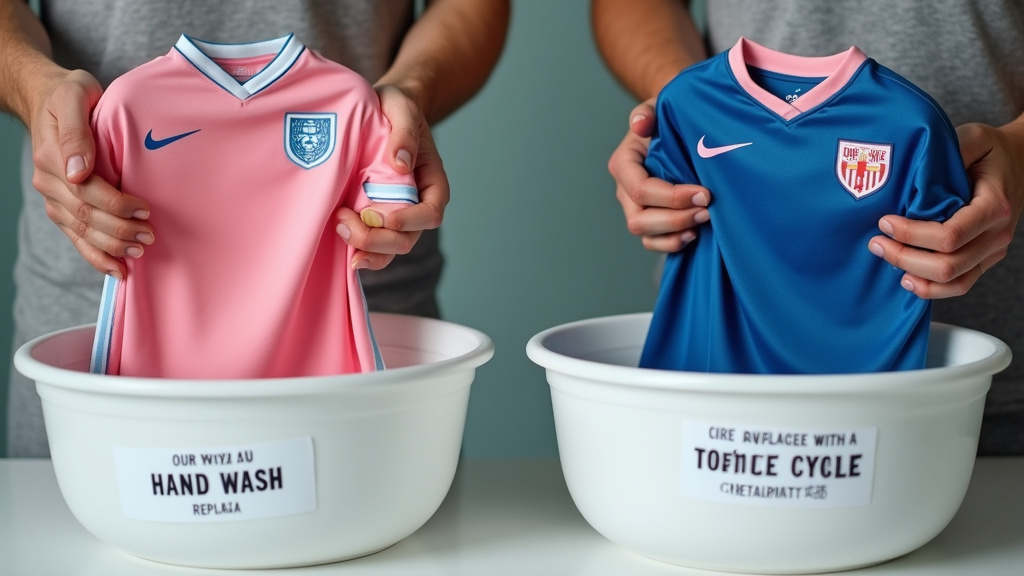
How you wash your jersey determines its lifespan. The rules are not the same.
Authentic Jersey Care (Hand-Wash Preferred)
- Turn the jersey inside out. This protects the heat-pressed graphics.
- Use cold water and a mild detergent, ideally a specialized uniform detergent without bleach or fabric softeners.
- Gently agitate by hand. Do not scrub or wring.
- Rinse thoroughly with cold water.
- Lay the jersey flat on a clean towel, roll it up to press out excess water (do not twist), then air dry flat away from direct sunlight. Never use a tumble dryer.
Replica Jersey Care (Machine Wash Gentle)
- Turn the jersey inside out.
- Wash on a cold, gentle cycle with similar colors.
- Use a standard detergent. You can hang dry or tumble dry on low heat if necessary, though air drying is always gentler.
The real enemy of authentic jerseys is heat and abrasion. The dryer’s heat will delaminate the badges. Rough spinning with heavy items like jeans will degrade the technical fibers. A replica jersey will survive this abuse, but it will fade faster. For preserving jersey fabric, the gentle approach always wins.
When to Buy Authentic vs. Replica
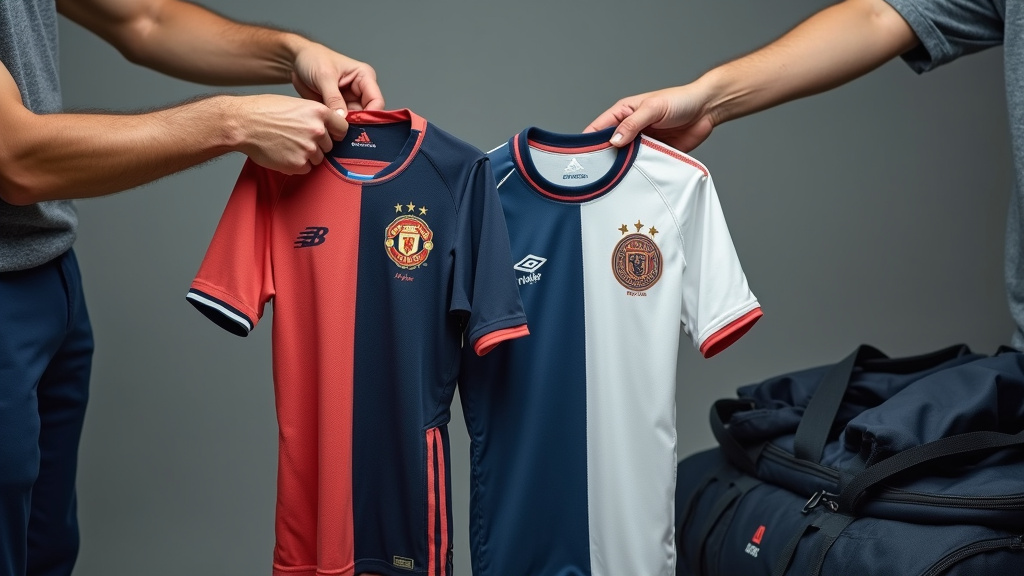
Your use case dictates the choice. This isn’t a matter of quality; it’s a matter of tool selection.
Buy an Authentic Jersey If:
- You play soccer regularly and want performance-grade gear.
- You are a collector who values “on-pitch specification” above all else.
- You have an athletic build and prefer a tailored, modern fit.
- You understand and accept the more demanding step-by-step cleaning instructions.
Buy a Replica Jersey If:
- You are a fan who wears jerseys casually to matches, pubs, or out and about.
- You value comfort, a relaxed fit, and not worrying about delicate fabrics.
- You want durability for frequent wear and easy washing.
- You are looking for the best value for showing team support.
- You need a jersey that can be tossed in a sports gear duffel without a second thought.
For most people filling the stands, the replica is the correct and rational choice. The authentic is for a specific, often more passionate, niche, the player, the hardcore collector, the fan who wants that precise connection to the game itself. A study on authenticity value and appeal confirms that perceived authenticity significantly increases an item’s valuation, which explains the premium some are willing to pay for the player version.
Frequently Asked Questions
Are authentic jerseys worth the extra money?
Only if you value what they are designed for: performance and exact on-pitch specification. For playing, they are worth it. For casual wear, a replica offers better comfort, durability, and value. The premium is for technology, not merely a status label.
Can you get names and numbers on both types?
Yes. Most retailers offer customization on both authentic and replica jerseys. The font and style of the printing will often match what is used on the actual players’ kits for the authentic version, adding to its collectible appeal.
Which type holds its value better for collectors?
Authentic jerseys typically hold value better, especially if they are match-issued, player-worn, or from a significant season. A standard replica jersey is mass-produced fan apparel and does not appreciate in the same way. Condition and proper care are critical for either.
Do authentic jerseys tear more easily?
The performance fabrics are thinner and more delicate than replica materials. They are more susceptible to snagging on sharp objects or abrasion from rough surfaces. They are not designed for the same kind of rugged, long-term wear as a replica.
What’s the difference between “Stadium” and “Player” versions?
“Stadium” is often another term for the replica or fan version. “Player” version means authentic. Some brands, like Adidas, use this naming convention. Always check the product description for keywords like “VaporKnit,” “HeatReady,” or “ultra-lightweight” to confirm it’s the authentic model.
The Bottom Line
Choose with your intent, not your wallet. The authentic jersey is a piece of sports engineering. The replica is a piece of fan culture. One belongs on the field, the other in the stands.
If you play, buy the authentic. You’ll feel the difference in weight and breathability. If you support, buy the replica. You’ll appreciate its comfort and resilience season after season. Both serve the same colors, but they are built for different battles. Know which one you’re signing up for, and you’ll never regret the purchase.

I come from the “soccer heart” of Germany, the Ruhrpott. I have played, trained and followed soccer all my life and am a big fan of FC Schalke 04. I also enjoy following international soccer extensively.