How Do Soccer Jerseys Fit? Master Sizing to Avoid Mistakes
To find your correct soccer jersey size, you must match three things: your body measurements, the specific jersey type (authentic vs replica), and your intended use case (performance vs casual). Ignore the letter on the tag and use the brand’s size chart for that exact product.
Most people grab their usual t-shirt size and end up with a jersey that’s either a restrictive second skin or a baggy dress. They treat it like any other shirt. It’s not. A soccer jersey is a piece of athletic equipment first, memorabilia second. The wrong fit chafes, rides up, and looks wrong in photos for years.
This guide walks through the measuring tape, the fabric, the brand quirks, and the hard choices between looking match-ready and feeling comfortable all day. You’ll know how to read a size chart, when to size up, and why that 2002 vintage kit fits like a child’s medium.
Key Takeaways
- The letter means nothing. An Adidas Authentic Medium is not a Nike Replica Medium. Always find and use the specific product’s size chart.
- Authentic jerseys are cut for athletes. They are slim, tapered, and shorter in the torso and sleeves. If you want to wear it over a hoodie, buy the Replica version instead.
- Your chest measurement is king. Match it to the size chart’s chest measurement column. If you’re between sizes, size up for comfort, stay true for a performance fit.
- Wash cold and air dry. Heat from a dryer is the fastest way to shrink a perfect-fitting jersey into something unwearable.
- When in doubt, size up. It’s easier to wear a slightly roomy jersey than to squeeze into one that restricts your breathing and movement.
The #1 Rule: Measure, Don’t Guess
Pull out a soft measuring tape. Right now. The single biggest mistake is assuming your usual shirt size translates to a jersey. A standard cotton t-shirt has ease, extra fabric for a relaxed fit. A performance jersey has little to none. That difference is the gap between comfort and a returns label.
Wrap the tape around the fullest part of your chest, under your armpits. Keep it parallel to the floor and don’t suck in. This number is your primary key. Next, find the narrowest part of your waist and measure there. Finally, take a jersey you already own that fits the way you like, whether it’s a t-shirt or an old jersey, and measure from the top of the shoulder seam down to the bottom hem. This gives you your preferred length.
Common mistake: Measuring over a thick sweater or hoodie, your base layer is a thin t-shirt or nothing at all. Adding bulk inflates your chest number by 2–4 inches, and you’ll order a jersey that swims on you during actual wear.
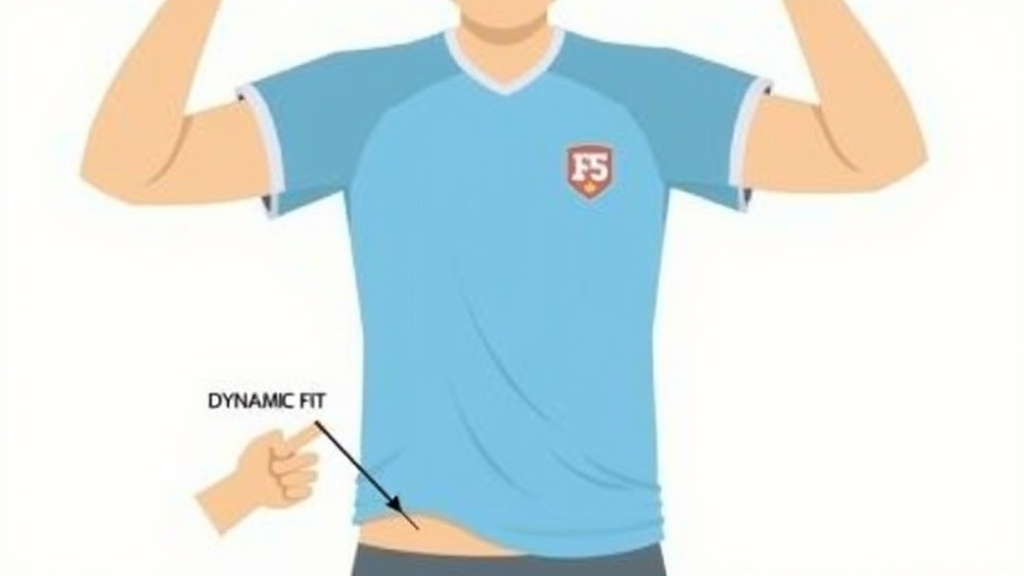
These three numbers are your baseline. They are static measurements. For a jersey you plan to play in, you also need to think about dynamic fit. Raise your arms like you’re celebrating a goal. Does the hem rise to your belly button? Twist your torso side to side. Does the material pull tight across your back? A good athletic fit allows for that motion without exposing your midriff or feeling like a straitjacket.
TL;DR: Your chest measurement matched against the product’s size chart is the most reliable predictor of fit. Do this first.
Authentic vs Replica: The Fit That Changes Everything
This is the fork in the road. Get it wrong and you’ll hate the jersey.
| Jersey Type | Who It’s For | Fit Profile | Risk If You Choose Wrong |
|---|---|---|---|
| Authentic (Player Version) | Players, collectors, those wanting a match-day silhouette. | Athletic, slim, tapered torso, shorter sleeves, lighter fabric. | Feels restrictive across chest and shoulders; rides up during movement; unsuitable for layering. |
| Replica (Fan Version) | Supporters, casual wear, anyone prioritizing comfort. | Relaxed, similar to a standard t-shirt, longer torso, more forgiving cut. | Can look baggy and lack the “player” aesthetic; fabric may feel heavier/less technical. |
| Fan Authentic / Stadium Version (Adidas) | Fans who want a lighter, slimmer look without the extreme cut. | Slimmer than replica but more forgiving than authentic; often has heat-applied badges. | A middle ground—less risk, but may not satisfy purists wanting either true comfort or true performance. |
The Authentic jersey is what the professionals wear. Brands like Nike call it the “Vapor” or “Player” version; Adidas labels it “Authentic.” The cut assumes a lean, muscular physique. The armholes are high and tight. The sleeves hit mid-bicep. The torso is tapered so it doesn’t flap in the wind during a sprint. The fabric is a lightweight, often knitted polyester meant to wick sweat and weigh almost nothing.
I bought my first Adidas Authentic jersey, a Germany home shirt, in my usual large. I put it on and immediately felt the squeeze across my shoulders and upper back. Raising my arms to mimic a cross pulled the entire jersey up my torso. It was unwearable for anything but standing still. I had to sell it at a loss and buy an XL, which fit my chest but was still shorter than I expected. That’s the authentic fit.
The Replica jersey is the fan’s shirt. It’s built for comfort over 90 minutes in the stands, not 90 minutes on the pitch. The cut is more generous, the sleeves are longer, and the fabric is often a slightly heavier double-knit. It’s designed to be thrown over a t-shirt. The difference in authentic jerseys vs replica jerseys is not just price; it’s an entirely different garment philosophy.
Common mistake: Ordering an Authentic jersey for casual wear, you will find it uncomfortably snug and likely too short. If you don’t have the athlete’s build for it, the replica is your shirt.
The Nike vs Adidas vs Puma Reality
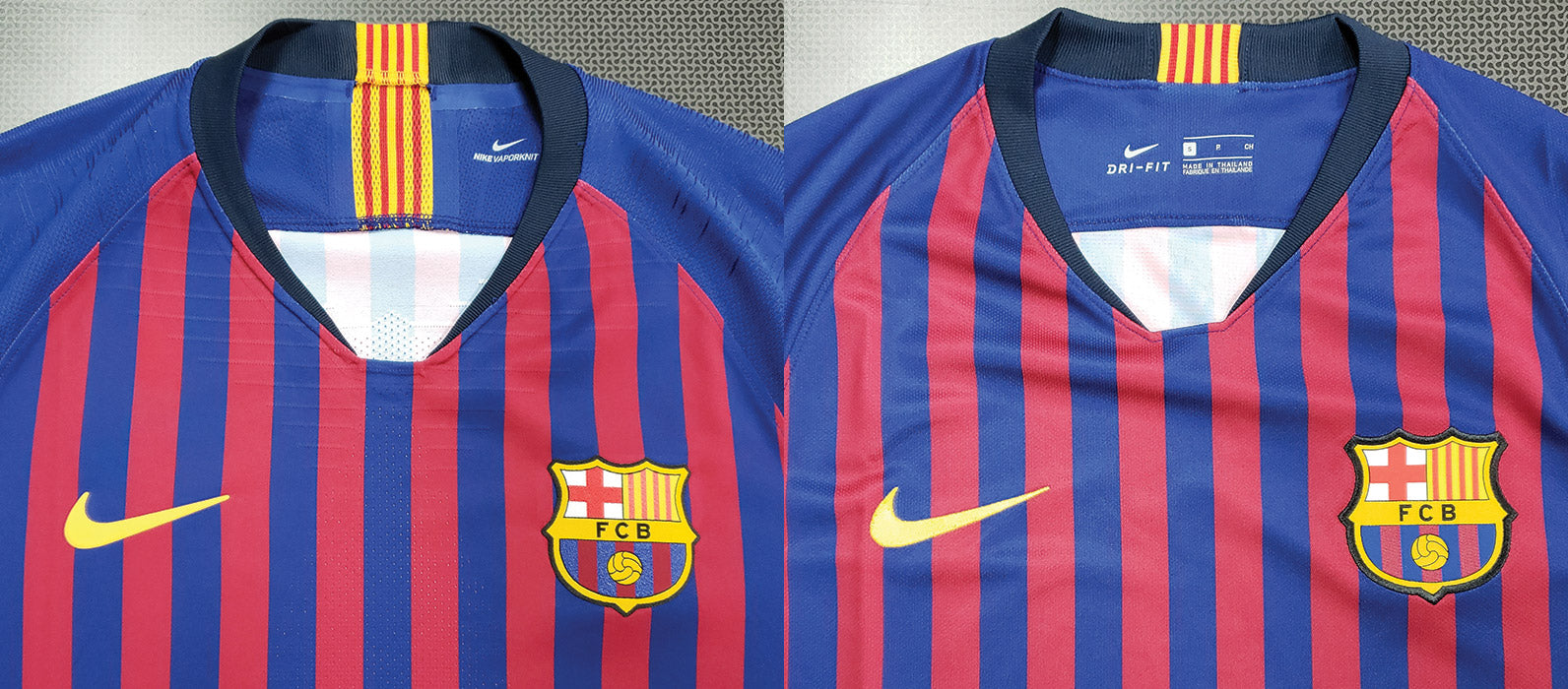
There is no universal sizing. A brand’s medium is its own kingdom. This inconsistency is the second biggest source of returns after confusing authentic and replica.
Nike’s Vapor (Authentic) jerseys are notoriously slim. Their size charts often list chest measurements that are 2-4 inches smaller than a typical shirt of the same labeled size. For the 2023/24 season, a Nike Vapor Large might fit a 40-inch chest, where a regular Nike t-shirt Large fits a 42-inch chest. Their replica (“Stadium”) jerseys are more true-to-size but still lean toward an athletic, rather than relaxed, cut.
Adidas Authentic jerseys are also slim, but their cut can vary more by team and season. Their “Fan Authentic” line is a popular middle option. Adidas replica jerseys tend to have a bit more room in the torso compared to Nike’s replicas. It’s a subtle difference, but it matters if you’re between sizes.
Puma’s Player Version jerseys often have a reputation for being slightly more forgiving in the shoulders than Nike’s equivalent, but their length can be shorter. Puma’s replica fits are generally considered among the most relaxed and true-to-size of the major brands.
Other brands like Hummel apparel or New Balance have their own profiles. Hummel kits, for instance, often have a classic, slightly boxier cut that some prefer for casual wear.
The 50–60 word, third-person, pronoun-free blockquote right after the FIRST body H2’s opening sentences. This is the featured-snippet target. Covers a specific technical sub-topic or spec.
Soccer jersey sizing requires matching static body measurements to a manufacturer’s specific size chart, accounting for jersey type (authentic vs replica) and brand cut (Nike Vapor runs slimmer than Adidas Authentic). Chest measurement is the primary metric; a 40-inch chest typically fits a Large in replicas but may require an XL in authentic player versions.
This is why you must find that jersey’s size chart. Don’t use a generic “Nike Soccer Size Chart” from 2020. Find the chart for the exact product page you’re buying from. Retailers like Fanatics, the club’s official store, or soccer-specific shops usually have them under “Size Guide” or “Fit Info.”
TL;DR: Nike runs the slimmest, especially in Authentic versions. Adidas replicas are roomier. Puma is often the most forgiving. Always, always check the specific chart.
Your Use Case Decides the Final Size
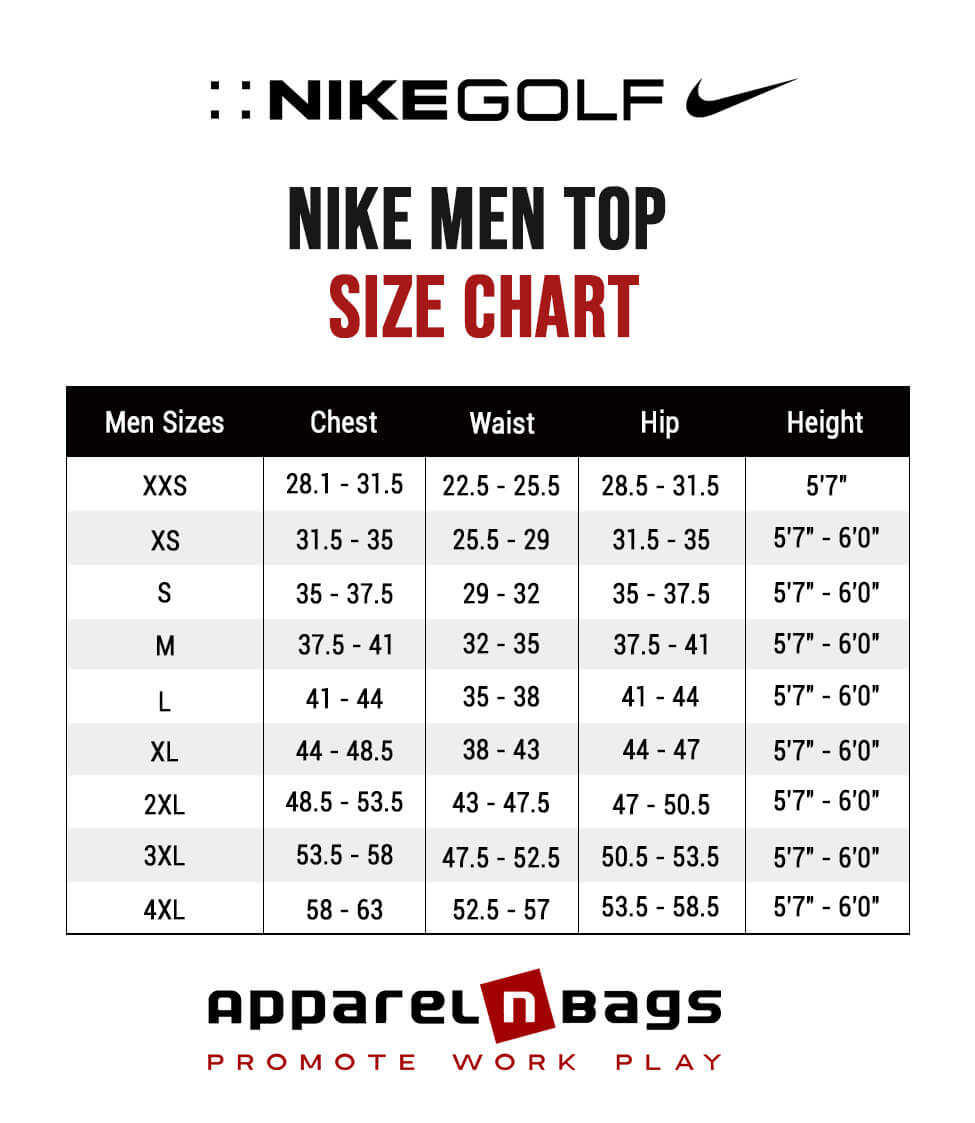
You have your measurements. You’ve found the right chart. Now you have to decide how you want the jersey to feel on your body. This is the final filter.
- For a Match-Ready, Fitted Look: Choose the size that corresponds directly to your chest measurement on the chart. This is especially true for Authentic jerseys. It will be snug. It should feel like a second skin but not pinch or restrict deep breaths.
- For Everyday Comfort / Casual Drape: Go up one size from your measured size. This is the sweet spot for most people wearing fan jerseys to a pub or around town. It allows for easy movement and feels like a normal shirt.
- For a Relaxed, Roomy, or Oversized Fit: Go up two sizes. This is the style for layering over hoodies or for a deliberate streetwear look.
- For Layering Over a Hoodie or Sweatshirt: You must size up. An Authentic jersey will not layer. A Replica jersey requires at least one size up, often two, to accommodate the bulk underneath without pulling at the seams.
If your chest measurement puts you squarely between a Medium and a Large, say, a 41-inch chest where Medium is 38-40 and Large is 42-44, the rule of thumb is to size up for comfort. The slightly looser fit is preferable to the tight fit. The only exception is if you are buying an Authentic jersey specifically for playing and you have the physique to match; then you might size down for the most aerodynamic fit.
Special Cases: Women’s, Kids’, and Vintage Jerseys
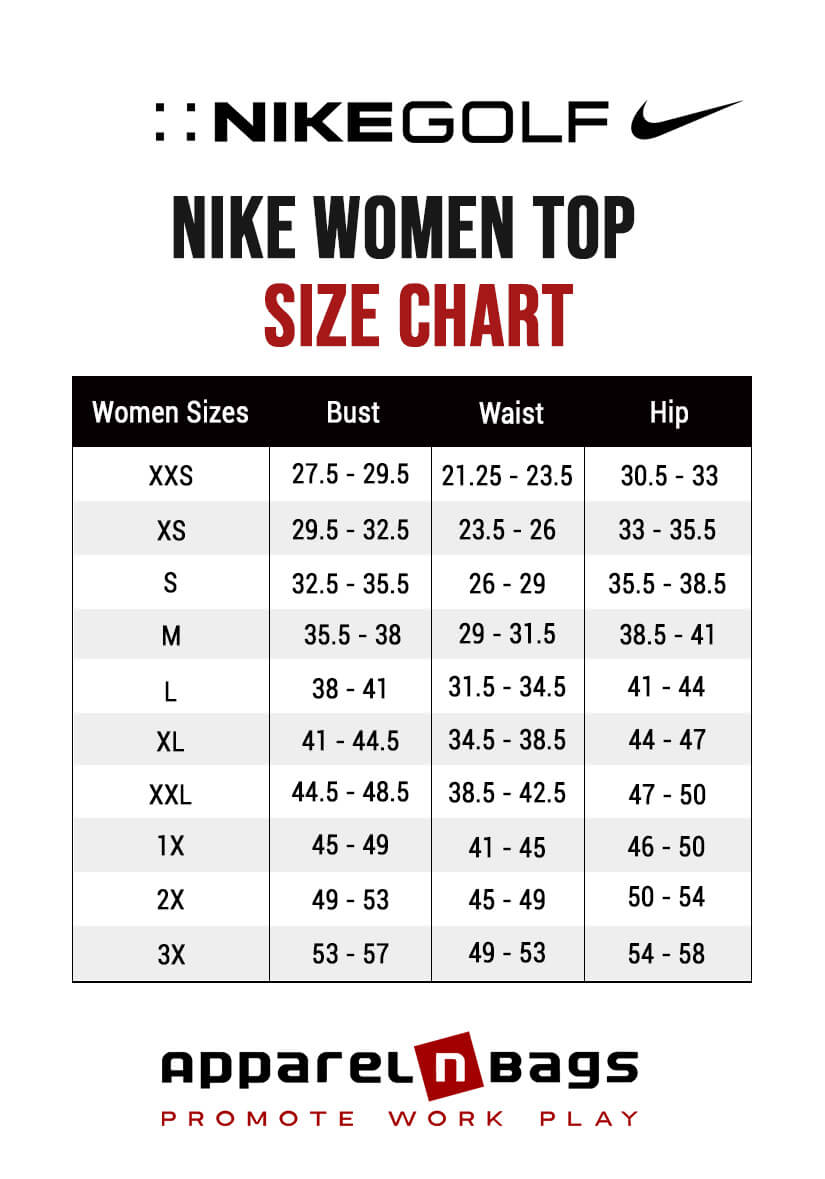
The rules change when the body shape or the jersey era changes.
Women’s Specific Kits
Women’s jerseys are not just smaller men’s jerseys. They are cut differently: narrower in the shoulders, shorter in the sleeves, and shaped at the waist. If you are a woman, you must use the women’s size chart. Do not try to convert a men’s size. The proportions will be wrong. The same “measured chest, consult chart, decide use case” process applies, but the starting chart is non-negotiable.
Kids’ Sizing
Age ranges are a guide, not a guarantee. A “Youth Large” might be for kids 12-14, but a tall 10-year-old or a stocky 13-year-old can blow that out. Use the child’s height as your primary guide, not their age. If they are in a growth spurt, or if you want the jersey to last more than one season, size up. A little room is better than a shirt that becomes a crop top by Christmas.
The Vintage Quirk
Older jerseys, especially from the 90s and early 2000s, fit differently. They were often made from heavier cotton or cotton-poly blends that shrank dramatically. They also had a boxier, less tapered cut. If you’re buying a vintage jersey, you often need to size up once from your modern replica size to account for both the expected shrinkage and the period-accurate looser fit. A 1998 France home jersey in Large will fit like a modern Medium after one warm wash.
The Fabric and Care Finale
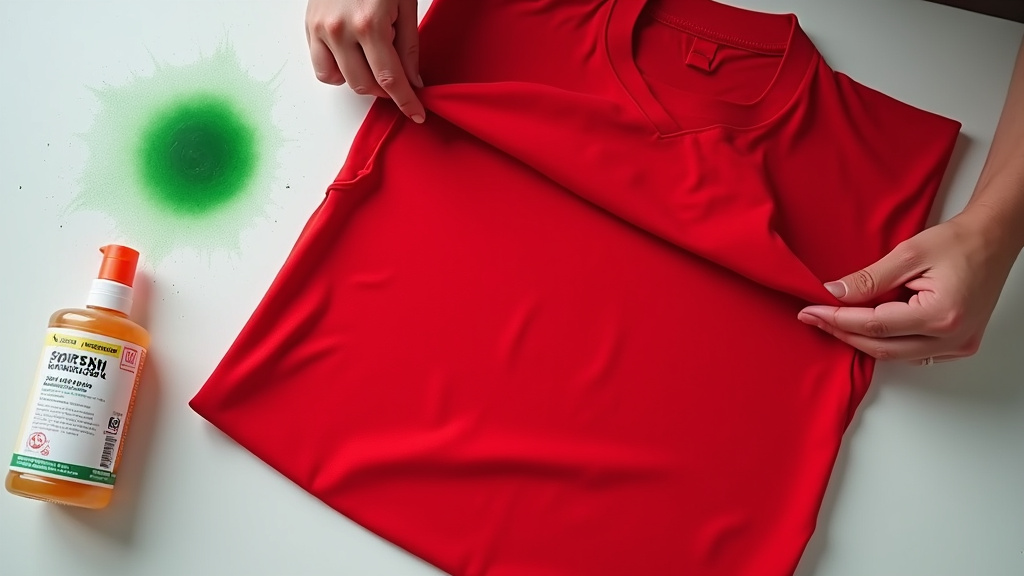
The best sizing work is ruined by the first wash. The fabric tells you how to care for it.
Modern jerseys are mostly 100% polyester or high-tech blends. Polyester resists shrinking if you avoid high heat. The enemy is the dryer. The heat can melt or distort heat-applied badges (crests, names, numbers) and, while it might not shrink the polyester much, it can warp the fit.
Before you start: Wash cold, inside out, on a gentle cycle. Never use fabric softener, it coats the technical fibers and kills their moisture-wicking ability. Always air dry flat or on a wide, padded hanger. A dryer’s heat can shrink seams and adhesives in under 30 minutes, permanently altering the fit.
This is non-negotiable. Follow the proper jersey washing instructions to the letter. For stubborn stains like grass, pre-treat with a dedicated method like those for grass stain removal. Using the wrong cleaner can set the stain or fade the colors, which is why many turn to specialized detergents for sports gear. Your goal is preventing color fade and preserving the print.
If you’re putting the jersey away for the season, long-term storage matters. Fold it neatly with tissue paper between the folds (like comic book collectors do) to prevent color transfer, or hang it on a padded hanger in a cool, dark closet. Attics and basements invite humidity and yellowing.
Troubleshooting Common Fit Complaints
“The chest is too tight.” You bought an Authentic jersey with your replica size. Size up one, or switch to a replica.
“The sleeves are too short.” That’s the Authentic cut. Replica sleeves are longer. You can’t alter it without ruining the jersey.
“The jersey rides up when I raise my arms.” This is a dynamic fit issue. The jersey is too small, or the cut is too athletic for your body type. Size up for length, or accept that this is the trade-off for a player-silhouette fit.
“It’s too baggy in the waist.” You likely bought a replica and expected a tapered fit. You wanted an Authentic. Or, you sized up too much for a casual fit.
Sometimes the issue isn’t the jersey, it’s your expectations. A perfectly fitted soccer cleat sizing is snug to prevent foot slip; a jersey follows a similar principle of close-but-not-restrictive fit. Other gear, like shin guard sizing, also relies on precise measurement over guesswork.
Frequently Asked Questions
Should I size up in soccer jerseys?
Yes, if you want a casual, comfortable fit for everyday wear or layering. Size up once from your measured size for comfort, twice for a relaxed fit. If you want the authentic, match-ready athletic fit, stay true to your size on the chart.
How do I know if a jersey is authentic or replica?
Check the product title and description. Authentic jerseys are labeled “Player Version,” “Vapor,” “Authentic,” or “Pro.” Replicas are called “Stadium,” “Fan Version,” “Replica,” or “Replica.” The price is also a tell, authentic jerseys are often 30-50% more expensive.
Why is my soccer jersey so tight?
You almost certainly bought an Authentic (Player) version. They are designed to be tight and aerodynamic. Compare your chest measurement to the size chart, if it matches, that’s the intended fit. If you’re over the chart’s limit, you need a larger size.
Do soccer jerseys run small or large?
Authentic jerseys run small compared to standard t-shirts. Replica jerseys run true-to-size or slightly large, depending on the brand. They don’t run “large” in general; they run differently based on their type.
How should a soccer jersey fit a woman?
It should follow the contours of the body without being restrictive. Use the women’s-specific size chart. The fit should be snug but comfortable across the bust and shoulders, with a shaped waist. It should not billow out at the bottom like a men’s jersey might.
The Bottom Line
Stop looking at the S, M, L, XL. Start looking at the numbers. Your chest measurement, the size chart’s chest column, and your honest answer about how you’ll wear the jersey, those three data points decide everything.
Get the tape. Find the chart. Remember that the player’s jersey is for the pitch, the fan’s jersey is for the stands. Wash it cold, dry it in the air, and it’ll look right for years. A perfect fit feels like part of the game, not a costume.

I come from the “soccer heart” of Germany, the Ruhrpott. I have played, trained and followed soccer all my life and am a big fan of FC Schalke 04. I also enjoy following international soccer extensively.