How to Wash a Soccer Jersey Step-by-Step: Clean Kit Guide
To wash a soccer jersey correctly, turn it inside out, pre-treat stains, wash it alone on a cold gentle cycle with sports detergent, and always air dry it flat or on a padded hanger. Avoid the dryer, as heat damages fabric and logos.
To wash a soccer jersey, turn it inside out, pre-treat any stains with a baking soda paste, wash it alone on a cold, gentle cycle with a small amount of sports detergent, and always air dry it flat or on a padded hanger. The dryer’s heat is the single fastest way to ruin the fabric and logos.
Most people wreck their kits with two mistakes. They throw a sweaty, stained jersey in with the regular laundry on a warm cycle. Then they toss it in the dryer because it’s fast. That routine fades the colors, cracks the numbers, and bakes in odors until the shirt smells like a locker room even when it’s clean. This guide is the opposite of that. It’s the method I use for my own match-worn and collector jerseys, the ones that need to look and feel new for years.
Key Takeaways
- Heat is the enemy. Washing in hot water or using a dryer will shrink polyester, fade dyes, and cause heat-pressed logos to peel. Cold water and air drying are non-negotiable.
- Turn it inside out, every time. This simple step protects the expensive printed crests, sponsor logos, and player numbers from direct abrasion against the drum and other garments.
- Attack stains immediately. Letting mud or grass stains dry sets them. Pre-treat with a paste of baking soda and white vinegar for 30 minutes before washing.
- Use half the detergent you think you need. Excess soap doesn’t rinse fully from synthetic fibers, leaving a residue that traps bacteria and causes permanent sour odors.
- Never use fabric softener. It coats the moisture-wicking fibers, rendering technologies like Nike Dri-FIT or Adidas Climacool useless and locking in sweat smells.
Why Your Jersey Needs Special Care
A modern match jersey isn’t a cotton t-shirt. It’s a technical garment. The fabric is almost always 100% polyester or a polyester blend engineered for moisture wicking and lightweight performance. The vibrant colors are sublimation-dyed, which bonds the color to the fiber. The team crest, sponsor logos, and player numbers are either heat-pressed (a vinyl layer melted onto the fabric) or embroidered.
Each of these elements has a specific weakness. Heat distorts polyester fibers and melts the adhesive on heat-pressed graphics. Abrasion from a rough wash cycle or a zipper will scratch and crack those same graphics. Harsh detergents or bleach strip the sublimated dyes. Getting this right isn’t just about cleanliness; it’s about preserving jersey colors and the garment’s structural integrity. The care label sewn into the side seam is your first point of authority, ignore it at your own peril.
Washing a polyester soccer jersey in water hotter than 30°C (86°F) can cause permanent shrinkage of 3-5% and accelerate color fading, according to textile care standards from the International Association for Textile Care Labelling. The adhesive for heat-applied graphics begins to soften at temperatures as low as 40°C (104°F).
I learned this the hard way with a prized FC Schalke 04 away jersey. I washed it on a warm, mixed load and dried it on low heat. The royal blue faded to a dull greyish hue, and the edges of the Veltins Arena sponsor logo started to curl. It looked five years old after two months.
The 7-Step Machine Washing Process
Follow this sequence exactly. Skipping a step might save two minutes now but costs you the jersey’s appearance over a season.
Step 1: Read the Label and Turn It Inside Out
This isn’t a suggestion. Find the care label, usually inside the neckline or along a side seam. It will specify maximum water temperature (stick to cold or 30°C), cycle type (gentle/delicate), and any ironing warnings. Then, turn the entire jersey inside out. This creates a protective barrier between the printed graphics and the washing machine drum, other clothes, and even the detergent.
TL;DR: The inside of the jersey is plain fabric; let that take the abrasion, not the expensive prints.
Step 2: Pre-Treat Stains Before They Set
Never let a stain dry. As soon as you take the jersey off, deal with it.
* For grass or dirt: Gently scrape off any solid debris. Mix a tablespoon of baking soda with just enough white vinegar to make a thick paste. Using a soft-bristled toothbrush, dab, don’t scrub, the paste onto the stain. Let it sit for 30 to 60 minutes. The paste lifts the chlorophyll and dirt particles.
* For blood: Rinse immediately under cold running water from the back of the fabric to push the stain out, not deeper in. Then apply a small amount of liquid detergent directly to the spot.
* For general sweat and body oil: A direct pre-wash spray or a dab of your recommended sports detergent on the underarm and collar areas works wonders.
Step 3: Choose the Right Detergent and Cycle
Your regular laundry detergent is too harsh. You need a detergent formulated for synthetic athletic wear, like Persil ProClean Sport or Tide Hygienic Clean Sport. These are designed to break down body oils and salts without leaving a residue. Use half the capful. More soap does not mean cleaner clothes, it means more soap residue.
Set your machine to a cold water wash (30°C or lower) and the gentlest cycle available, often called “Delicate,” “Hand Wash,” or “Sports Wear.”
Common mistake: Using a normal amount of all-purpose detergent, the surfactants don’t fully rinse from polyester, leaving a film that attracts dirt and makes future stains harder to remove.
Step 4: Add Odor Fighters (If Needed)
For jerseys that hold onto that locker-room smell even after washing, add one cup of plain white vinegar to the detergent dispenser or directly into the drum with the clothes. Don’t worry, the smell rinses completely away. For persistent odors, you can also add a half-cup of baking soda to the drum. The combination neutralizes acidic sweat odors without damaging the fabric.
Step 5: Wash Alone or With Like Fabrics
Wash the jersey by itself if you can. If not, wash it only with other colorfast synthetic athletic wear. This is a key part of durable uniform cleaning. Never, ever wash it with:
* Cotton towels or t-shirts: They shed lint that sticks to the jersey’s textured polyester and is nearly impossible to remove.
* Jeans or items with zippers/buttons: These will abrade and snag the delicate fabric.
* Brand-new dark-colored items: They might bleed dye in the first few washes.
Step 6: Skip the Fabric Softener Entirely
Fabric softener and dryer sheets coat fibers with a waxy film. On a technical fabric, this blocks the moisture-wicking channels. Your “performance” jersey will then trap sweat against your skin. It also makes the fabric less breathable and can cause color fading over time.
Step 7: Immediate Post-Wash Handling
As soon as the cycle ends, remove the jersey from the machine. Don’t let it sit wet in the drum for hours; this invites mildew and sets wrinkles. Gently shake it out to reduce creases before moving to drying.
| Step | Action | Why It Matters |
|---|---|---|
| 1. Pre-Wash | Turn jersey inside out; pre-treat stains. | Protects graphics; stops stains from setting permanently. |
| 2. Machine Settings | Cold water, gentle/delicate cycle. | Prevents shrinkage, color loss, and graphic damage from heat/agitation. |
| 3. Detergent | Half dose of sports-specific detergent. | Cleans effectively without leaving odor-trapping residue on synthetics. |
| 4. Load | Wash alone or with similar synthetics. | Prevents lint transfer from cotton and snags from zippers. |
| 5. Drying | Air dry flat or on padded hanger. | The dryer’s heat melts adhesives and shrinks fabric. |
Air Drying vs. Machine Drying: There Is No Debate
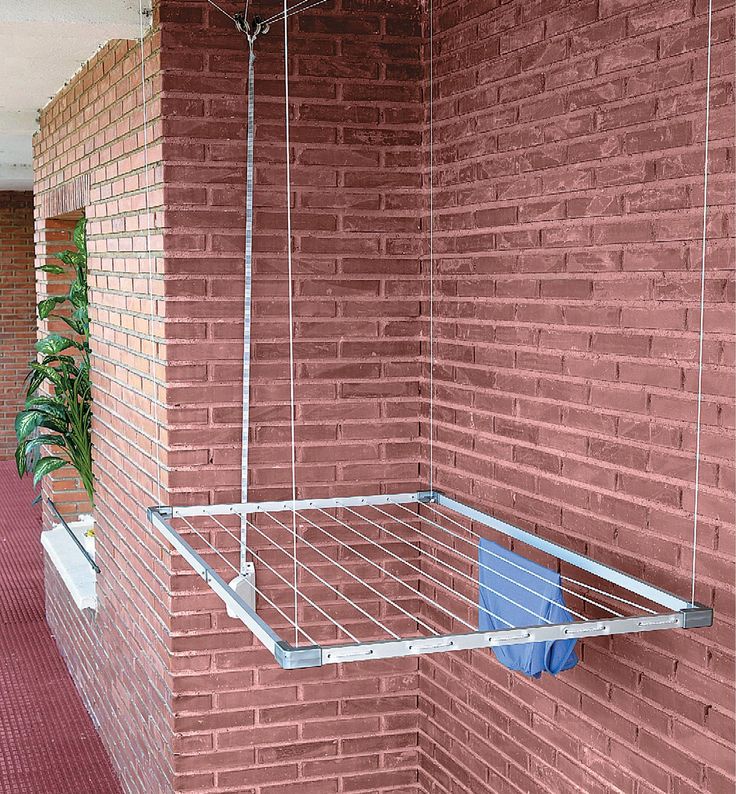
This is the line. Putting a soccer jersey in a tumble dryer is the single most destructive thing you can do. The heat, even on a low setting, does three things:
1. It shrinks the polyester fibers.
2. It weakens the bond of heat-pressed graphics, causing them to crack and peel.
3. It sets any remaining stains or odors into the fabric.
The correct method is air drying. You have two good options:
* Lay Flat: Spread the jersey on a clean, dry towel on a flat surface. Reshape it to its proper dimensions. This is best for very heavy, embroidered jerseys or those you’re worried about stretching.
* Hang Dry: Use a wide, padded hanger, never a thin wire hanger, which creates permanent shoulder bumps. Hang it in a well-ventilated area out of direct sunlight, which can also fade colors over time.
The jersey will be dry in a few hours to a day, depending on humidity. This is also the perfect time for long-term jersey storage preparation, ensuring the kit is completely dry before being put away.
When to Hand Wash Your Jersey
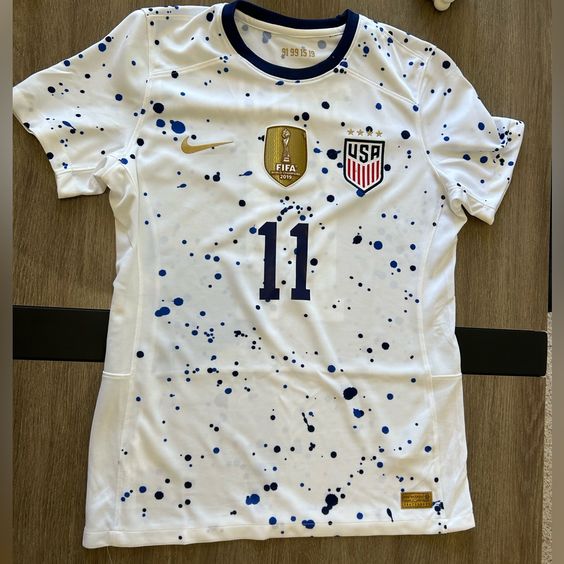
Machine washing is convenient, but hand washing is the gold standard for preservation, especially for:
* Vintage or collector jerseys with fragile fabrics.
* Jerseys with extensive, delicate embroidery.
* Cleaning soccer cleats is a separate, more abrasive process, but the principle is the same: gentle care for specialty gear.
The process is simple. Fill a clean sink or basin with cold water and a tiny amount of sports detergent. Submerge the inside-out jersey and gently agitate it with your hands for 3-5 minutes. Never wring, twist, or scrub it. Drain the soapy water, refill with clean cold water, and rinse by gently pressing the jersey against the side of the basin until the water runs clear. Press out excess water by rolling the jersey in a clean, dry towel before laying it flat to dry.
Solving Common Jersey Problems

Even with perfect care, issues arise. Here’s how to fix them.
Removing Set-In Stains and Odors
If a stain survived the first wash or an odor persists, don’t just wash it again. You’ll set it further.
* For old grass stains: Soak the stained area in a solution of one part white vinegar to two parts cold water for an hour. Then apply the baking soda paste again before washing.
* For permanent underarm odor: Soak the entire jersey in a bathtub or bucket with a scoop of oxygen-based bleach (like OxiClean) dissolved in cold water for 4-6 hours. Then wash as normal. This breaks down the bacterial residue that detergent misses.
* For mildew: This is tough. A soak in diluted white vinegar can help, but mildew often permanently weakens the fibers. Prevention, never storing a jersey damp, is the only real cure.
Dealing with Pilling, Snags, and Fraying
Pilling (those little fabric balls) happens from friction. You can carefully use a fabric shaver or a sharp razor to remove them. For small snags, use a blunt needle to gently pull the snagged thread to the inside of the garment. For frayed seams, a tiny dot of clear fabric glue on the inside can stop the fraying without being visible.
The Post-Season Deep Clean and Storage
At the end of the season, give your kit a final, perfect wash following all the steps above. Ensure it is bone-dry. Then, store it either neatly folded in a drawer or on a padded hanger in a closet. Avoid plastic garment bags for long-term storage, as they can trap moisture. Think of this as the storage preparation steps for your cleaning soccer cleats and other gear, everything needs to be clean, dry, and ready for its break.
Frequently Asked Questions
Can I use bleach on a white soccer jersey?
No. Chlorine bleach will yellow polyester fibers over time and weaken the fabric. For whites, use an oxygen-based bleach (like OxiClean) according to package directions with cold water. It’s color-safe and much gentler on synthetics.
How do I get rid of the permanent “sour” smell?
That sour smell is bacteria trapped in the fiber matrix. Wash the jersey as usual but add one cup of white vinegar to the drum. If it persists, soak the jersey overnight in a cold water solution with a scoop of oxygen-based bleach, then wash. This resets the fibers. Never use more detergent, that makes it worse.
Is it okay to iron a soccer jersey?
Almost never. If you must remove wrinkles, turn the jersey inside out, set the iron to the lowest possible heat setting (usually “Synthetic” or “Cool”), and place a thin cloth like a pillowcase between the iron and the jersey. Never iron directly on any printed or heat-pressed area.
Can I dry clean my soccer jersey?
Do not dry clean a modern polyester soccer jersey. The chemical solvents used in dry cleaning can damage the moisture-wicking treatments and the plastics in heat-pressed graphics. Stick to cold water washing.
How often should I wash my jersey?
After every wear. Sweat, oils, and dirt break down the fibers and dyes over time. Letting it sit unwashed allows stains and odors to set, making them harder to remove later and shortening the garment’s life.
The Bottom Line
Washing a soccer jersey isn’t complicated, but it is specific. Heat and harsh chemicals are what ruin them. Cold water, a mild sports detergent, and air drying are what save them. Turning the jersey inside out before every wash is the easiest way to protect the value of the kit. Treat it like the technical gear it is, not a regular t-shirt, and it will look and perform like new for seasons. The same meticulous care applies to your other gear, proper glove cleaning techniques and cleat maintenance guide routines ensure everything lasts.

I come from the “soccer heart” of Germany, the Ruhrpott. I have played, trained and followed soccer all my life and am a big fan of FC Schalke 04. I also enjoy following international soccer extensively.