World Cup Player Cleats: Technology & Sponsorship Guide
World Cup 2026 players will wear cleats from their individual sponsorship deals, primarily Nike, adidas, and Puma, featuring tournament-specific colorways and proprietary new technology like Nike’s rumored airbag sole system. The official match ball will also contain a battery-powered sensor for VAR.
Most fans look at the flashy color or the player’s name. They miss the actual engineering war happening under their feet. The boot a star wears in 2026 isn’t just a sponsorship badge. It’s a one-off prototype built to shave milliseconds off a sprint or add curl to a free-kick, tested in secret for years.
This guide breaks down the specific boot technologies you’ll see, the sponsorship battles behind them, and how new FIFA equipment rules for 2026 change what players can legally wear on pitch.
Key Takeaways
- Nike’s flagship boot for 2026, potentially called the Air Zoom Mercurial, is rumored to include an airbag system in the sole to enhance energy return for speed-focused players like Kylian Mbappé.
- Adidas is countering with fully custom graphic designs for stars like Lamine Yamal, integrating personal symbolism into the boot’s exterior panels.
- The 2026 World Cup official match ball contains an integrated sensor that requires charging and provides live touch data to the VAR room, a first for the tournament.
- FIFA’s 2026/27 Law changes include stricter equipment approval processes, meaning every boot design must be pre-cleared for safety and fairness.
- Players from non-sponsor nations often wear blacked-out boots, a quiet protest against federation deals that conflict with their personal contracts.
The Core Tech Battle: Nike vs. adidas
Forget the three stripes versus the swoosh as a logo contest. The real fight is in the soleplate lab. The goal is a measurable physical advantage within FIFA’s strict equipment rules.
Nike’s prototype for 2026, glimpsed in athlete teasers, focuses on raw speed replication. The innovation isn’t a lighter upper or a new stud configuration. It’s a cushioning system.
The rumored Nike Air Zoom Mercurial prototype incorporates an airbag unit under the forefoot. This design aims to reflect force layers applied to the ground during a sprint, offering energy return that could improve repeat sprint performance—a critical metric for modern wingers and full-backs.
The concept mirrors technology in elite running shoes but adapted for football’s multi-directional demands. If it works, a player like Mbappé could maintain top speed longer. The risk is altering the feel of the ball for passing and shooting. Nike’s athletes will have spent months in secret training grounds adjusting to that.
Adidas is taking a different path. Their F50 line for 2026 emphasizes extreme customization. For a phenom like Barcelona’s Lamine Yamal, adidas designed a boot with graphics that tell his personal story. The tech story here is fit and feel. By using 3D scanning and player feedback loops, they create a boot that feels like a second skin from the first wear.
The table below shows how the two giants are diverging in their 2026 approach.
| Brand | Primary 2026 Focus | Key Technology | Poster Player | Potential Risk |
|---|---|---|---|---|
| Nike | Maximizing linear speed | Airbag sole unit for energy return | Kylian Mbappé | Altered ball-strike sensation for passing/shooting |
| adidas | Hyper-personalization | Custom graphic integration & tailored fit | Lamine Yamal | Niche design less mass-appeal for replica sales |
| Puma | Lightweight agility | Ultra-thin FUTUREWEAVE upper | Likely a dynamic midfielder | Durability concerns over a 7-game tournament |
Puma plays a crucial third role. Without the budget for an airbag arms race, they focus on their FUTUREWEAVE knitted upper. It promises a sock-like fit that improves touch. Their target is the creative midfielder for whom a few extra grams matter.
TL;DR: Nike bets on physics with an airbag sole; adidas bets on psychology with full custom designs; Puma refines the existing formula of weight and fit.
The Sensor-Laden Official Ball
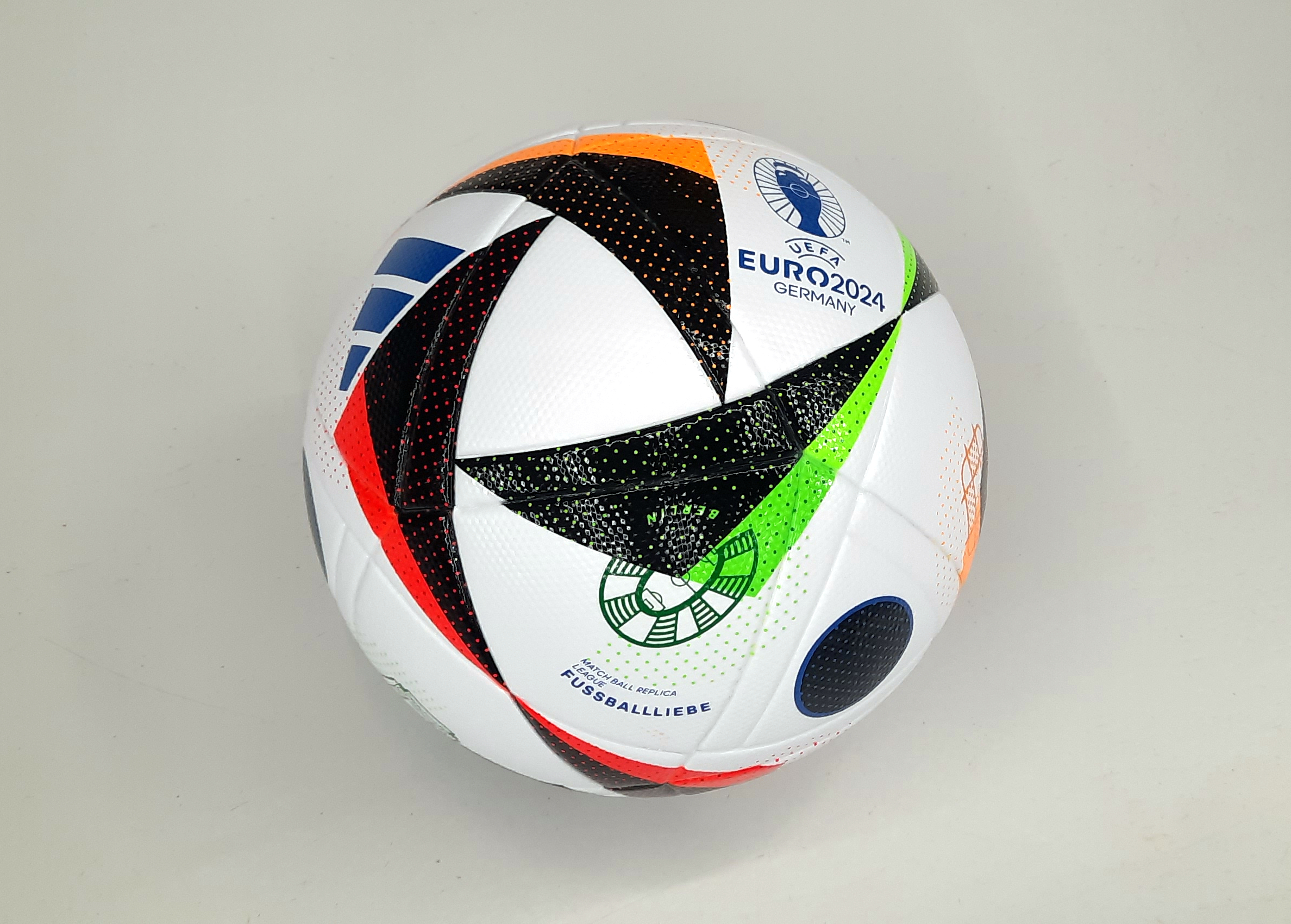
Photo: Bildersindtoll / Wikimedia Commons / CC0
The cleats interact with a ball that’s smarter than ever. The adidas “Fussballliebe” was the test. The 2026 ball is the final exam.

This ball has a battery and a transmitter inside. The sensor is no longer a bulky add-on. It’s laminated directly into one of the ball’s panels during manufacturing. Its job is simple: detect every touch and send that data in real time to the video assistant referee system.
The battery lasts up to six hours. That covers a match and extra time comfortably. Match officials will have a new pre-game checklist: charge the match balls. A dead ball means the VAR system goes blind.
There’s a performance twist. To house the sensor cleanly, the 2026 ball uses a radical four-panel construction. Fewer panels mean fewer seams.
Fewer seams change aerodynamics. Goalkeepers are notoriously conservative about new ball designs. A smoother surface can lead to more unpredictable knuckle and dip in flight. A study on ball dynamics in the Sports Medicine journal notes that environmental factors like altitude and heat interact with panel design, affecting trajectory. The 2026 tournament’s North American venues will provide plenty of both.
Common mistake: Assuming the sensor only helps referees. The real-time touch data also feeds into performance analytics, tracking which players make the most first-touch receptions under pressure—a key scouting metric.
Sponsorship vs. Performance: The Player’s Dilemma
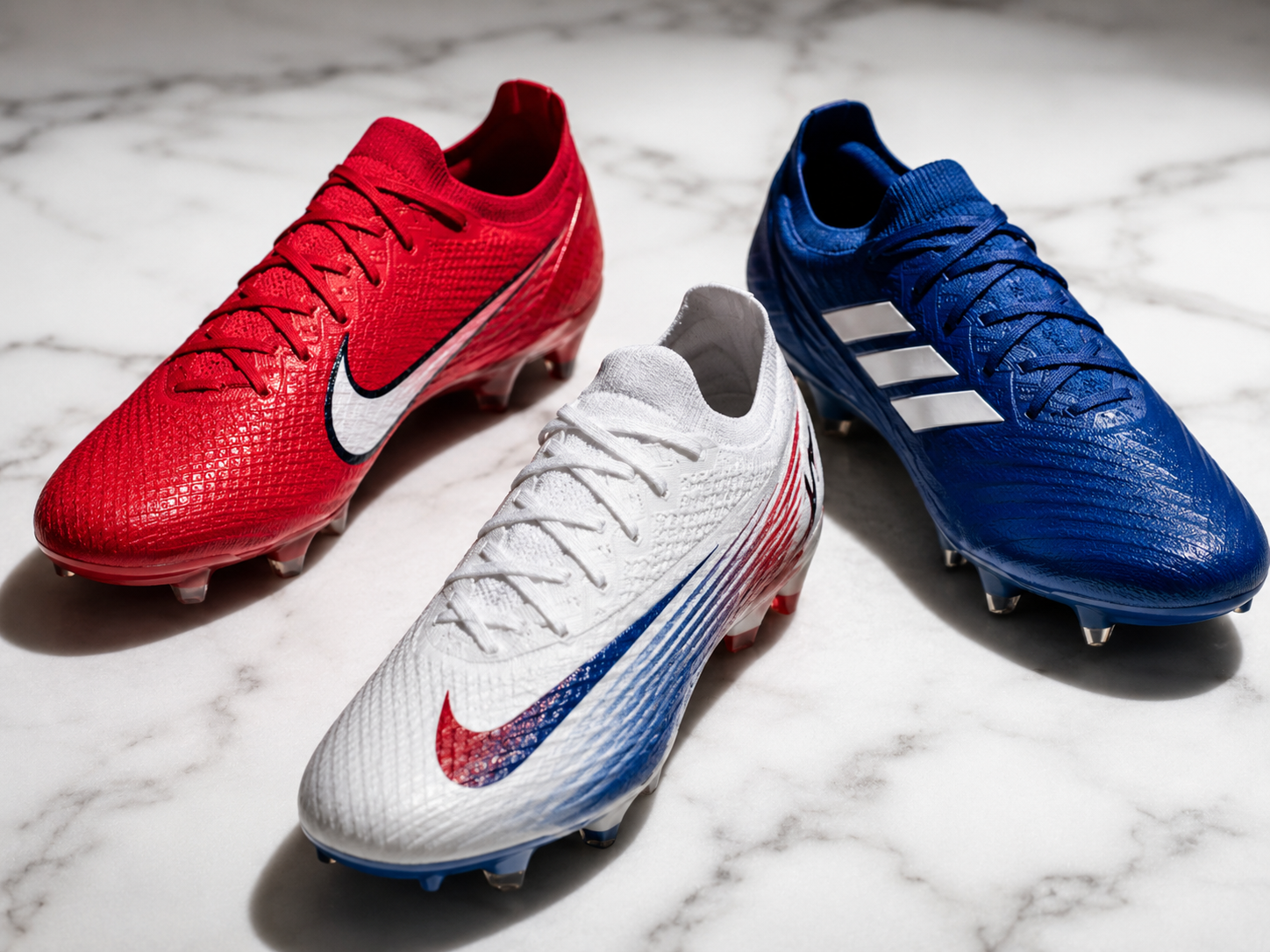
A player’s boot choice is rarely just their own. It’s a triangle of tension between personal sponsorship money, national team kit deals, and genuine performance preference.
The hierarchy is clear. A superstar with a multi-million dollar personal deal with Nike will wear Nike, even if his national team is sponsored by adidas. He might wear a custom color that blends with the kit, but the logo stays. This is why you’ll see French players in Nike despite their federation’s deal with adidas.
Players from smaller nations or those without mega personal contracts face more pressure. Their federation might have an exclusive deal with a brand. If that brand’s boot doesn’t suit them, they have two choices: wear it anyway or wear a blacked-out version of their preferred model.
Blacked-out boots are sanded down and painted matte black to hide logos. They are a last resort, a sign the player values performance over harmony. They feel different. The paints and coatings can affect the upper’s flexibility and water resistance.
The financial stakes make this more than a fashion debate. A player’s global soccer icon status is cemented not just by goals but by marketability. Boot deals are a huge part of that. Wearing the “wrong” boot can cost a young player a future sponsorship worth more than a year’s salary.
Consider the player social media influence of someone like Mbappé. His boot choice gets dissected in millions of posts. For brands, that visibility is the ultimate ROI, far beyond a stadium billboard.
FIFA’s 2026 Equipment Regulations: What’s Allowed?
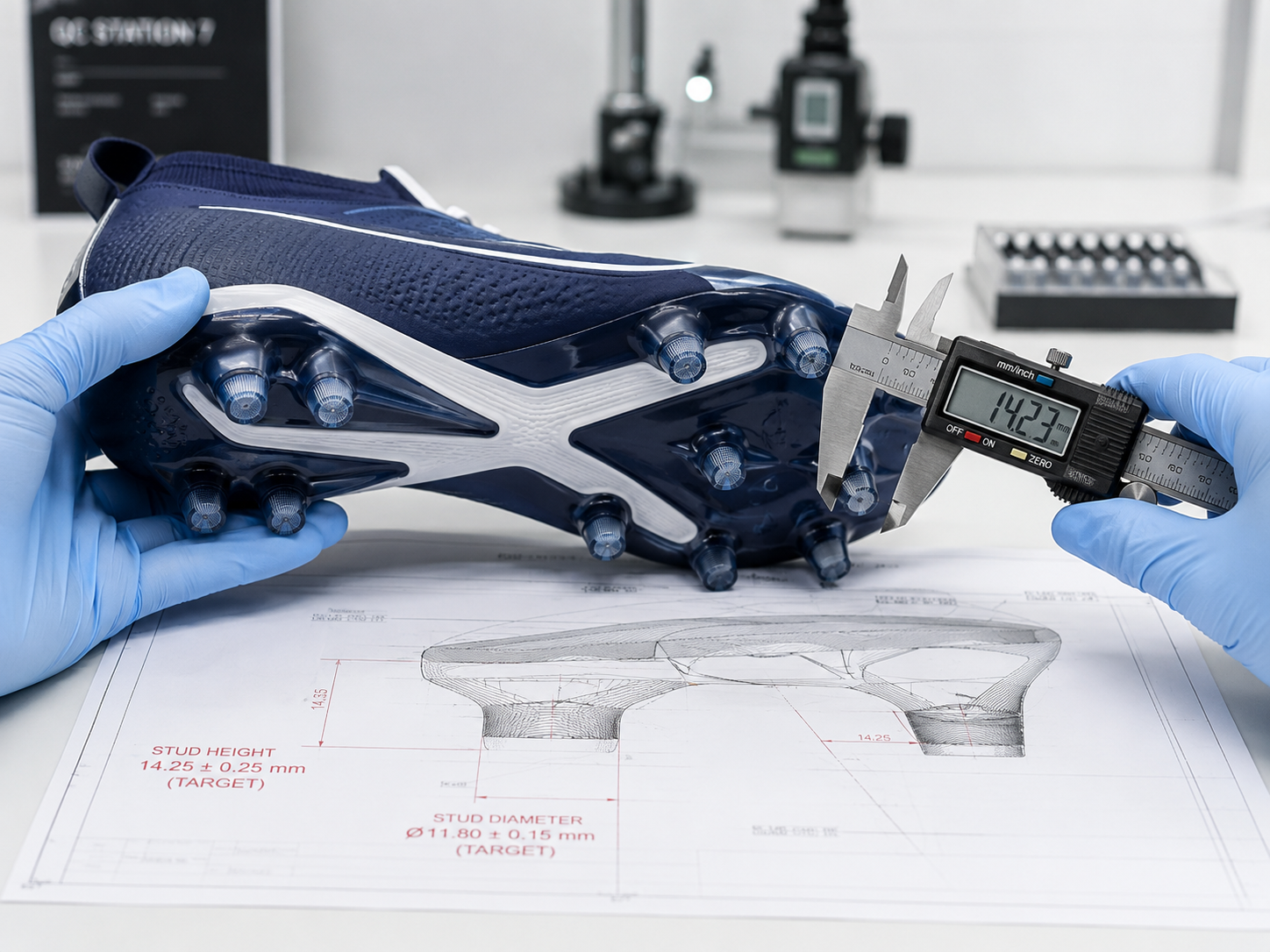
The boots and the ball don’t enter the field unchecked. FIFA’s 2026/27 Laws of the Game include specific updates to Equipment Regulations. The governing body’s job is to ensure fairness and safety.
The core rule remains: “A player must not use equipment or wear anything that is dangerous.” The interpretation tightens every cycle. For 2026, the focus is on new technology and data integrity.
First, any boot with a novel component like Nike’s airbag system must pass a battery of lab tests. These assess whether the technology provides an “unnatural advantage” or could injure another player. The tests for energy return are particularly stringent. FIFA’s consultants, cited in evidence-based Springer evidence-based football research, develop protocols to measure if a boot’s rebound effect exceeds that of a standard compressed EVA foam sole.
Second, the sensor ball’s data stream is now part of the official match record. The Laws explicitly state that data from the ball sensor is admissible for VAR decisions. This closes a potential loophole where a team could challenge a ruling by questioning the sensor’s accuracy.
The approval list is published before the tournament. If a player shows up with a non-compliant prototype, the match referee can demand a change. This happened in past tournaments with sock-taping and undershirts. In 2026, it could happen with a boot.
| Regulation Area | 2026 Specific Requirement | Consequence for Violation |
|---|---|---|
| Boot Safety | No external, rigid, sharp elements; new cushioning systems must pass impact redistribution tests. | Player cannot enter field of play; must change boots. |
| Ball Specification | Mandatory integrated sensor; battery must hold charge for minimum 4 hours; weight and circumference unchanged. | Ball replaced at next stoppage; sensor failure does not invalidate prior VAR calls. |
| Player Tracking | GPS vests permitted; data cannot be transmitted to team technical areas in real-time. | Warning for first offence; potential sanction for repeated violation. |
These rules exist to keep the contest focused on player fitness routines and skill, not on who has the best equipment lab. They are the great equalizer.
How to Spot the Boots on TV
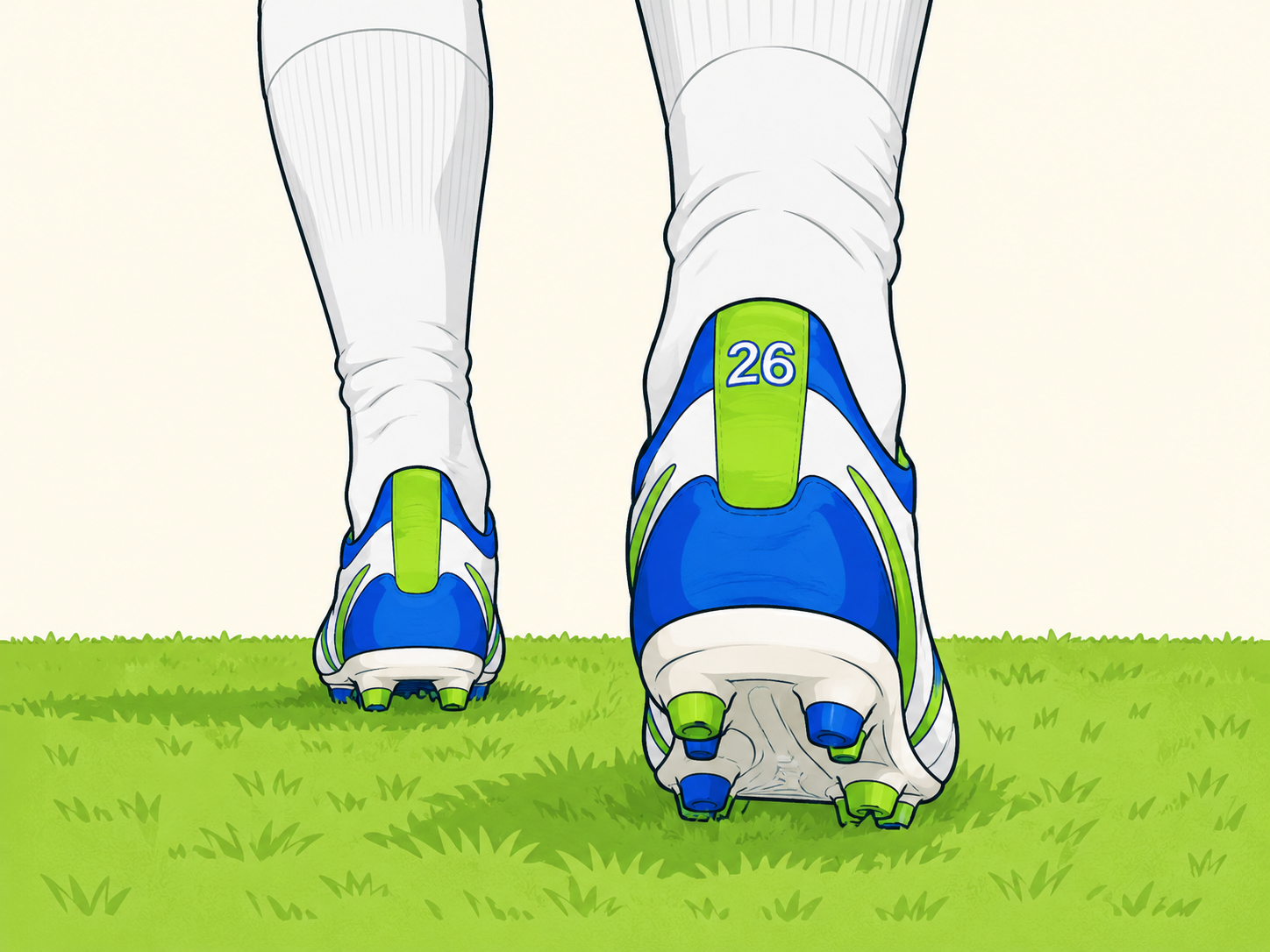
You want to know what Mbappé is wearing without waiting for a close-up replay. Use these cues during the broadcast.
Look at the warm-up. Players often wear the tournament-specific colorway during drills. This is the boot in its full glory, before it gets scuffed. The 2026 designs will use the tournament’s official colors—likely a palette of blue, green, and white reflecting the North American host nations.
Watch for the heel. That’s where brands often place a small tournament logo or a special insignia for the player’s national team. Nike might put a stylized “26” there; adidas could use a national flag graphic.
Listen to the commentators. They are briefed by the brands and federations. A line like “He’s wearing the new Mercurials today” is a planted piece of information. It’s free advertising.
Finally, recognize the blackout. If a player’s boots look suspiciously plain and matte under the stadium lights, it’s a blackout job. That tells a story of conflict between the player’s preference and a federation deal. It’s a quiet drama happening at his feet.
These details reveal more than brand loyalty. They show a player’s physical priorities. A winger in ultra-lightweight Pumas is betting on agility. A striker in adidas Predators is prioritizing shot power from the swerve-inducing strike zone. A full-back in the Nike airbag prototype is all about recovery speed.
Your own athletic training regimen won’t include these prototypes. But understanding them explains the margins at the very top. The right boot for a 2026 standout player is the one that makes his specific superpower feel effortless.
Frequently Asked Questions
Can a World Cup player wear any cleats they want?
No. Players must wear cleats that comply with FIFA’s safety regulations and are included on the approved equipment list for the tournament. However, within those rules, a player with a personal sponsorship will wear that brand’s boots, even if it differs from their national team’s kit sponsor.
What is the new technology in the 2026 World Cup cleats?
The most discussed innovation is a rumored Nike airbag system embedded in the soleplate, designed to return energy during sprints. Adidas is focusing on hyper-customized graphic designs for star players, integrating personal motifs into the boot’s exterior.
Do the cleats have sensors like the ball?
The boots themselves do not contain sensors that communicate with VAR. Player tracking is done via separate GPS vests worn under the jersey. The sensor technology is exclusive to the official match ball for 2026.
Why do some players wear black cleats at the World Cup?
Players wear blacked-out boots to hide the logos of a brand that conflicts with their national team’s sponsorship deal or their personal preference. It is a way to wear a performance model they trust without violating contractual obligations visually.
How long does the battery last in the 2026 World Cup ball?
The integrated sensor in the official adidas match ball for 2026 has a battery life of up to six hours. This is monitored by officials to ensure the ball is charged before each match for full VAR functionality.
Will the new ball design affect how it moves?
Yes. The four-panel design, which minimizes seams to house the sensor, creates a smoother surface. This can lead to more unpredictable flight patterns, especially in windy conditions or at high altitude, which may affect shooting power and accuracy.
Before You Go
The cleats on display at the 2026 World Cup are the product of a four-year innovation cycle, millions in sponsorship money, and intense athlete feedback. Look beyond the color. The soleplate tells the story of a brand’s technological bet. The presence or absence of a logo reveals a battle between personal and national interests.
Remember the ball is an active participant now. Its battery life and aerodynamics are as much a part of the game as the grass. FIFA’s updated rules are the referee in this unseen equipment war, trying to balance innovation with competitive integrity.
When you watch, you’re not just seeing 22 players. You’re seeing the result of countless hours in wind tunnels, material labs, and legal departments. That’s the modern game.
I come from the “soccer heart” of Germany, the Ruhrpott. I have played, trained and followed soccer all my life and am a big fan of FC Schalke 04. I also enjoy following international soccer extensively.