Soccer Legends : The Old Guard That Dominated the Year
To identify the soccer legends who dominated 2026, look at players aged 35 and older. Cristiano Ronaldo led this group with 29 goal contributions in 29 games. Lionel Messi, while playing fewer matches, was ranked the world’s most decisive player from March 2025 to March 2026. Their sustained excellence, alongside stars like Karim Benzema and Robert Lewandowski, redefined what’s possible for veteran athletes.
Most fans expect legends to fade. They watch for the inevitable decline in pace, the missed games, the shift to a lesser league. The narrative is set in stone by age 35.
The truth from 2026 shatters that script. This is the year a group of veterans didn’t just participate, they commanded the spotlight. We’re ranking them by the cold, hard numbers, explaining how they did it, and showing why their final chapters are rewriting history.
Key Takeaways
- Cristiano Ronaldo was the most productive veteran in 2026, directly contributing to a goal in every single one of his 29 appearances for Al-Nassr.
- Lionel Messi’s efficiency was unmatched; his 17 goal contributions in just 13 MLS games for Inter Miami translate to a staggering rate of 1.3 per match.
- League strength is a critical filter. The Saudi Pro League and MLS are not ranked among Europe’s top five, which contextualizes high goal tallies.
- Longevity now requires a radical style change. The top legends have moved from pure physical dominance to supreme tactical and technical roles.
- The “Gündogan Awards” for 2025-26 celebrate this trend, highlighting players over 32 who are maintaining or improving their world-class output.
The 2026 Goal Contribution Ranking for Players 35+
Forget legacy. This is about production in the calendar year. The metric that matters is goal contributions: goals plus assists. It’s the blunt instrument that measures direct offensive impact.
Transfermarkt’s data for 2026 across 20 valuable leagues gives us the leaderboard. The names at the top aren’t emerging stars; they’re legends writing late-career masterpieces.
According to Transfermarkt data for 2026, Cristiano Ronaldo made 29 goal contributions (26 goals, 3 assists) in 29 games for Al-Nassr. Lionel Messi recorded 17 contributions in 13 games for Inter Miami. Other notable veterans include Georginio Wijnaldum (22 contributions), Karim Benzema (19), and Robert Lewandowski (16).
The table below shows the hierarchy. It’s a mix of iconic forwards and adaptable midfielders who have found new life.
| Player (Age in 2026) | Club(s) | Goal Contributions | Games Played |
|---|---|---|---|
| Cristiano Ronaldo (41) | Al-Nassr | 29 | 29 |
| Georginio Wijnaldum (35) | Al-Ettifaq | 22 | 32 |
| Karim Benzema (38) | Al-Ittihad/Al-Hilal | 19 | 24 |
| Ivan Perišić (37) | PSV | 19 | 30 |
| Lionel Messi (38) | Inter Miami | 17 | 13 |
| Robert Lewandowski (38) | Barcelona | 16 | 30 |
Ronaldo’s consistency is mechanical. A goal contribution per game at 41 isn’t a comeback story; it’s a sustained siege. Wijnaldum’s numbers are a surprise, showing how a box-to-box engine can transform into a central scoring threat in a different league.
TL;DR: Cristiano Ronaldo topped the 2026 charts for players 35+ with a goal contribution in every match, but Lionel Messi’s rate of 1.3 per game was the most efficient.
How Messi and Ronaldo Redefined Longevity
They are the twin peaks. Comparing them using only 2026 league data is misleading because their seasons and contexts are opposites. You have to look at two different lenses.
Ronaldo’s year was about volume and a relentless pursuit of history. He plays in the Saudi Pro League, which offers more games and a less demanding overall schedule. His physical regimen is legendary, but his game has transformed. He’s no longer the flying winger. He is a penalty-box predator, a master of timing and finishing. Every calorie, every sprint, every recovery session is calibrated. The result is 959 career goals and counting.
Messi’s year was about density and influence. The MLS calendar meant fewer games in 2026, but his impact per minute was astronomical.
Common mistake: Dismissing Messi’s 2026 MLS stats due to league strength, the CIES Football Observatory ranked him the world’s most decisive player from March 2025 to March 2026 for a reason. His 59 goal contributions in that period dwarfed competitors in Europe’s top leagues.
His adaptation is technical, not physical. He operates as a deep-lying playmaker, a classic number 10 who dictates tempo. His passing range has expanded as his explosive bursts have shortened. He doesn’t beat five men; he eliminates them with one pass. This shift is why, at 38, he could still be considered the most decisive player on the planet. It’s a masterclass in using the brain to preserve the body.
Their rivalry fueled an era. Now, their parallel journeys in defiance of time are creating a new one.
The Supporting Cast: Other Legends Who Dominated
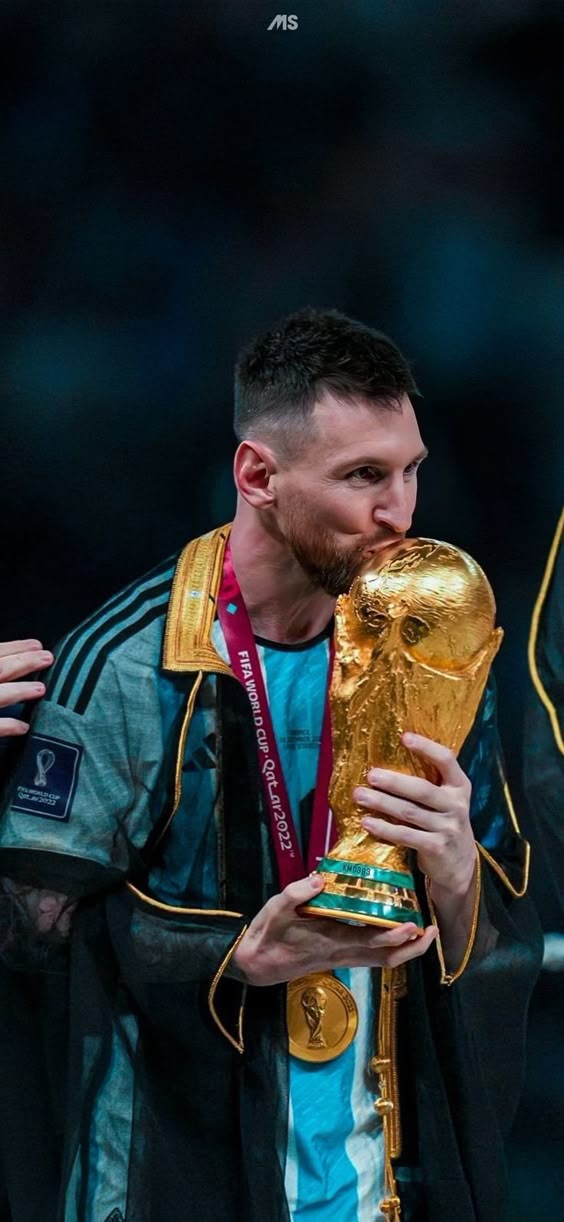
The story isn’t a two-man show. A cohort of elite veterans across Europe and beyond posted numbers that would be career-years for most players.
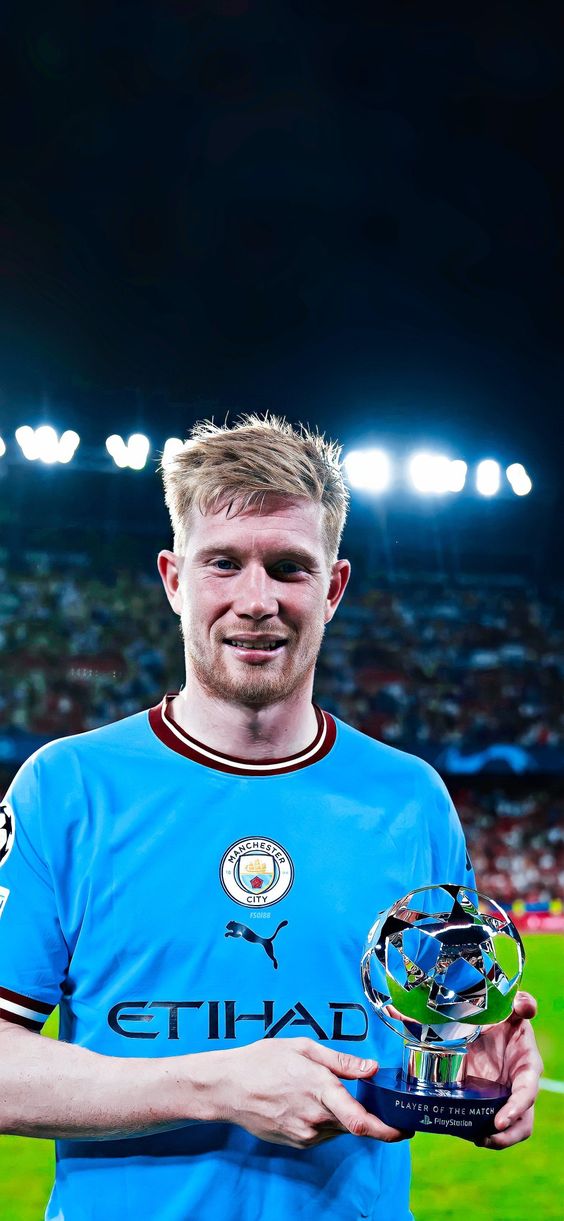
Karim Benzema and Robert Lewandowski are the other standard-bearers for the classic number nine. Benzema, 38, split 2026 between Al-Ittihad and Al-Hilal, netting 19 contributions. His game was always about intelligence, the link-up play, the subtle movement, so his decline in pure pace is less catastrophic. Lewandowski, also 38, managed 16 contributions for a Barcelona side in transition. He relies on positioning and a striker’s instinct that simply doesn’t age.
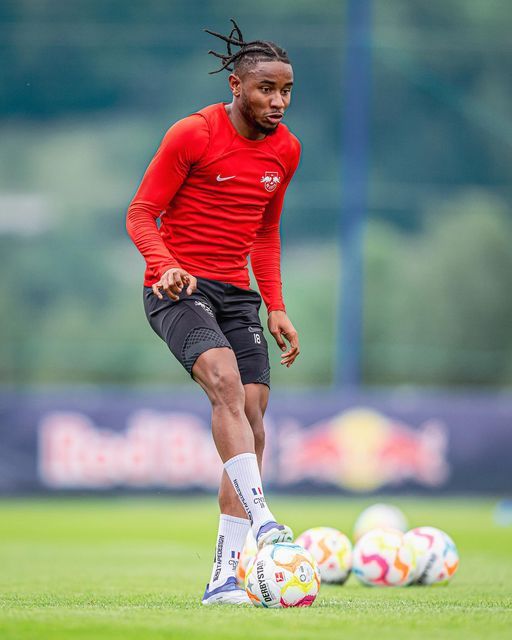
Then there are the converters. Georginio Wijnaldum’s 22 contributions for Al-Ettifaq show how a midfielder can reinvent himself. Ivan Perišić, at 37, was a force for PSV with 19 contributions, proving wide players can thrive by becoming more direct.
I thought Perišić was finished after his Premier League stint. The physicality seemed too much. Then he goes to the Eredivisie, gets deployed as a wing-back who times his runs into the box, and suddenly he’s one of the most productive veterans in Europe. It taught me that a smart tactical fit matters more than a famous league badge.
These players aren’t clinging on. They are central figures. They understand the modern 2026 tactical trends that prioritize control and chance creation over mindless running. This intelligence is what separates them from the retired peers who couldn’t adapt.
Why “Decisiveness” Matters More Than Just Goals
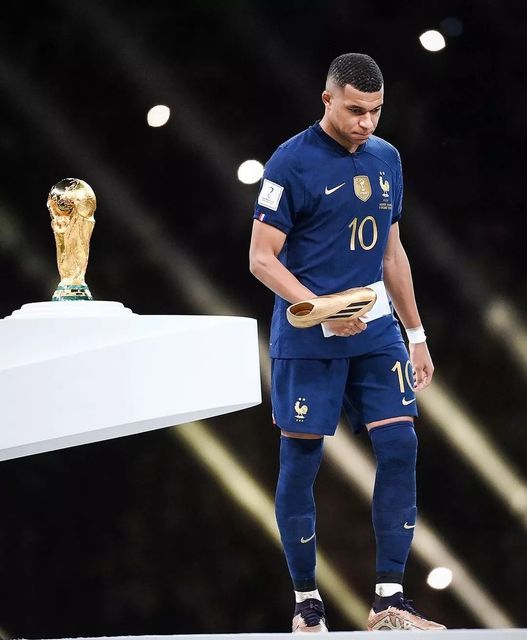
Goal contributions tell you what happened. “Decisiveness” tells you who made it happen. This is where Lionel Messi’s 2026 case becomes unassailable.
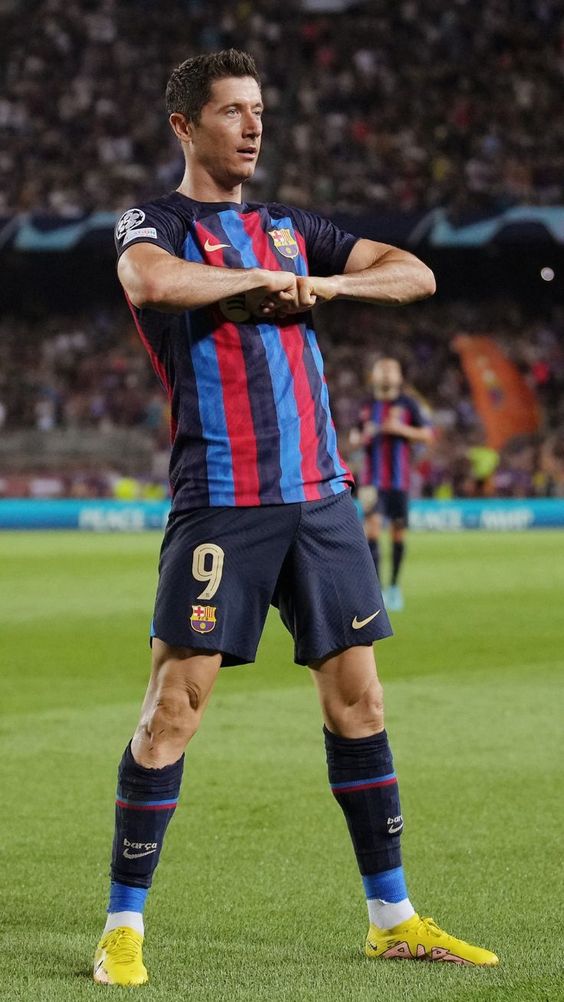
The CIES Football Observatory doesn’t just count goals. Their model for the “most decisive player” weighs every goal and assist by the level of the competition and the context of the match. For the period March 2025 to March 2026, Messi finished first globally. He beat Kylian Mbappé, Harry Kane, and every other star in Europe’s top five leagues.
This is critical. It means that in the eyes of a neutral, data-driven observatory, Messi’s output in MLS was more valuable over a full season than the output of superstars in the Premier League and Bundesliga. It accounts for the fact that not all assists are equal, a pre-assist or a game-breaking pass that leads to a penalty won’t show up on a stat sheet but is captured in deeper metrics.
This focus on decisiveness is why pure scorers, while still vital, are no longer the only measure of a legend. The true greats, the ones who dominate years like 2026, are the ones who control games. They are the masters of the assist and the architects of victory. It’s a shift that benefits the older, wiser player.
| Player | Primary 2026 Role | Key to Longevity | Risk if Style Doesn’t Adapt |
|---|---|---|---|
| Cristiano Ronaldo | Penalty Box Striker | Ruthless physical maintenance, reduced defensive duty | Becomes isolated if team can’t supply him |
| Lionel Messi | Deep-Lying Playmaker | Supreme vision, passing, low-intensity movement | Loses effectiveness if pressed high by athletic midfield |
| Karim Benzema | Link-Up Forward | Tactical intelligence, hold-up play, creativity | Struggles in systems that demand high pressing |
| Georginio Wijnaldum | Attacking Midfielder | Versatility, late runs into box, stamina | Can become a defensive liability if legs go |
The Physical and Tactical Evolution Required
So how do they do it? How does a 41-year-old outscore most 25-year-olds? It’s not magic. It’s a brutal, deliberate evolution with zero room for error.
The physical transformation is non-negotiable. Training shifts from building power to maintaining it, with a massive increase in recovery work. Cryotherapy, hyperbaric chambers, personalized nutrition plans, these aren’t luxuries, they are shift-work. Ronaldo famously reduced his body fat to a single-digit percentage years ago and maintains it. The training pitch is where they preserve their tools; the treatment room is where they earn their longevity.
The tactical evolution is more interesting. They are no longer assigned roles based on their physical prime. Coaches build roles around their remaining supreme skills.
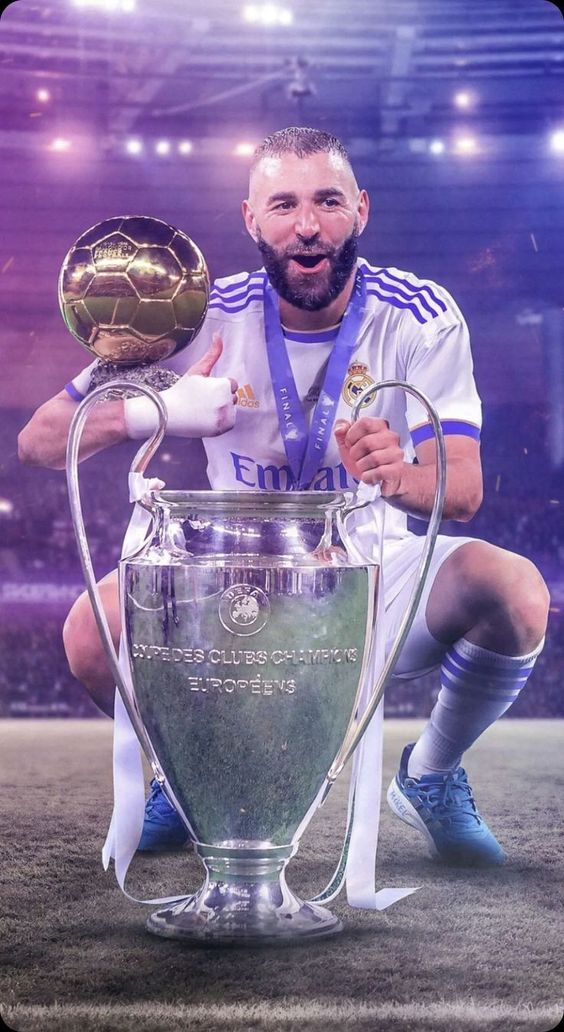
- From Winger to Striker (Ronaldo): All energy is focused on movement within 18 yards. He might only sprint ten times a game, but each one is toward the goal.
- From False Nine to Quarterback (Messi): He drops deeper, sees the whole field, and dictates play. His 10-yard passes are now more dangerous than his 50-yard dribbles.
- From Box-to-Box to No. 10 (Wijnaldum): He conserves energy by positioning himself higher, making decisive runs into the box rather than covering every blade of grass.
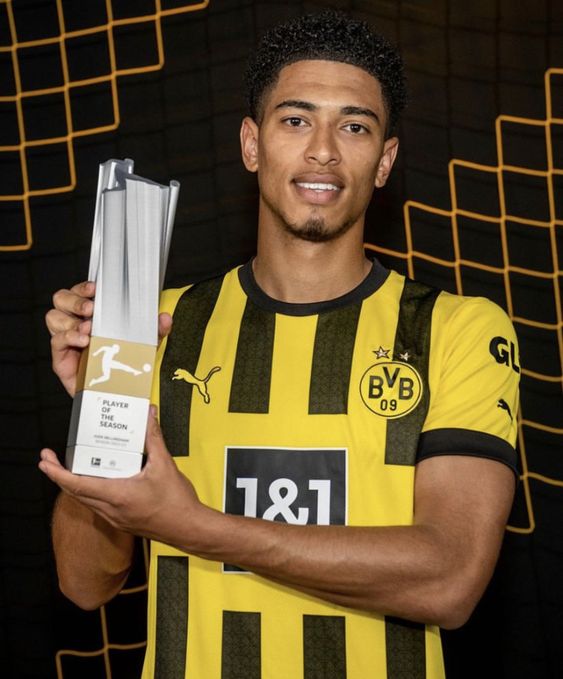
This is the blueprint. It requires a player with an immense technical base to begin with and the humility to change. Many underrated football legends from past eras never got this chance because the game wasn’t as analytically forgiving.
Common mistake: Assuming a veteran can play the same way in a less demanding league. The drop in league quality is often offset by a drop in team structure and player quality around them, making their individual task harder, not easier.
Their influence also extends off the ball. They are de facto coaches on the pitch, organizing younger teammates. This leadership, this ability to elevate a team’s tactical IQ, is an intangible that stats miss but winning requires.
Frequently Asked Questions
Who was the best soccer legend in 2026?
Based on pure, volume production in the calendar year, Cristiano Ronaldo was the best, with 29 goal contributions. Based on efficiency and overall decisiveness in a cross-league context, Lionel Messi claims the title, having been ranked the world’s most decisive player from March 2025 to March 2026.
How many goals does Ronaldo have in 2026?
In the 2026 calendar year, Cristiano Ronaldo scored 26 goals for Al-Nassr in the Saudi Pro League. This contributed to his historic career total, which surpassed 950 goals.
Is Messi still the best player in the world in 2026?
He is no longer the undisputed best player in the world week-to-week, but the data shows he remained arguably the most decisive and influential attacking force over a full season. His adaptation to a playmaking role at Inter Miami allowed him to dominate games intellectually.
Which older players, besides Messi and Ronaldo, had great years in 2026?
Karim Benzema (19 contributions), Robert Lewandowski (16 contributions), and Georginio Wijnaldum (22 contributions) all had excellent years. Ivan Perišić (19 contributions) and Pierre-Emerick Aubameyang (16 contributions) also proved that elite production doesn’t stop at 35.
Will these players compete in the 2026 World Cup?
This remains a major question. Lionel Messi has suggested the 2026 World Cup is a target. Cristiano Ronaldo’s participation will depend on his physical condition and Portugal’s qualification campaign. Their presence would be a historic moment for the tournament.
How do you evaluate stats from leagues like Saudi Pro League or MLS?
You must contextualize them. While the overall defensive intensity might be lower, these leagues often have less tactical cohesion, forcing star players to create everything themselves. High goal totals are impressive, but they should be weighed alongside efficiency metrics and cross-league performance rankings like the CIES decisiveness score.
The Bottom Line
The soccer legends who dominated 2026 did so by refusing the script. Cristiano Ronaldo and Lionel Messi led a group of veterans who combined savage physical discipline with intelligent role evolution. They proved that the final chapters of a career can be about dominance, not decline.
Look beyond the simple goal tally. The real lesson from 2026 is about adaptation. The players who changed their game, who moved from physical prowess to technical and tactical mastery, are the ones still setting the standard. They are not just living on past glory; they are actively defining what it means to be a legend right now. This is the new blueprint for longevity, and every youngest professional debut dreaming of a 20-year career should be taking notes.
I come from the “soccer heart” of Germany, the Ruhrpott. I have played, trained and followed soccer all my life and am a big fan of FC Schalke 04. I also enjoy following international soccer extensively.