Famous Soccer Chants and Their Meanings Explained
Picture 50,000 voices erupting in unison as scarves rise like a tidal wave—the very air vibrates with raw emotion. This isn’t just singing; it’s the heartbeat of football culture. Famous soccer chants and their meanings transform stadiums into cathedrals of belonging, where every lyric carries decades of triumph, grief, and identity. Whether you’re a first-time fan or a seasoned supporter, understanding these anthems unlocks football’s deepest emotional language. Discover why these chants matter far more than the score—and how to truly join the chorus next match.
Liverpool’s “You’ll Never Walk Alone”: More Than a Song
Why fans belt it out with tears in their eyes
When Liverpool fans stretch scarves toward the Anfield roof chanting “Walk on through the wind, walk on through the rain,” they’re not celebrating goals—they’re honoring history. Adopted after Gerry & the Pacemakers’ 1963 cover hit #1, this Rodgers & Hammerstein show tune became sacred after the Hillsborough disaster (1989). The 96 victims’ names are woven into the silence before the final verse. You’ll hear it twice: as players emerge (a promise of solidarity) and at 90 minutes if winning (a vow that victory or defeat, you’ll never walk alone).
Critical detail first-timers miss: Scouse accents elongate “walk” into a haunting “woooalk”—sing it flatly, and you’ll stand out as a tourist. True fans let the word hang like hope in a storm.
How to Join Correctly
- Timing: Start singing immediately after team announcements.
- Gesture: Raise scarves on “golden sky” (third line).
- Pro Tip: Save full volume for the final “You’ll never walk alone”—it’s a thunderous release of collective emotion.
Manchester City’s “Blue Moon”: Irony Turned Triumph
Why 53,000 fans sing mournfully—then explode
City’s adoption of the 1934 show tune “Blue Moon” was pure sarcasm during their 42-year trophy drought (1969-2011). Fans deliver it in a low, almost funereal tone—“Without a dream in my heart”—mocking barren years. But when Aguero’s 94th-minute goal won the 2012 title, the stadium erupted from doleful hum to primal roar. Today, twirling scarves overhead during the chorus celebrates how the “blue moon” finally rose.
Key ritual: The chant’s power lies in restraint. New fans often sing too loudly too soon; veterans hold back until the final “love of my own,” then unleash decades of pent-up hope.
Barcelona’s “Cant del Barça”: A Catalan Battle Cry
Why it’s sung like a revolution, not a song
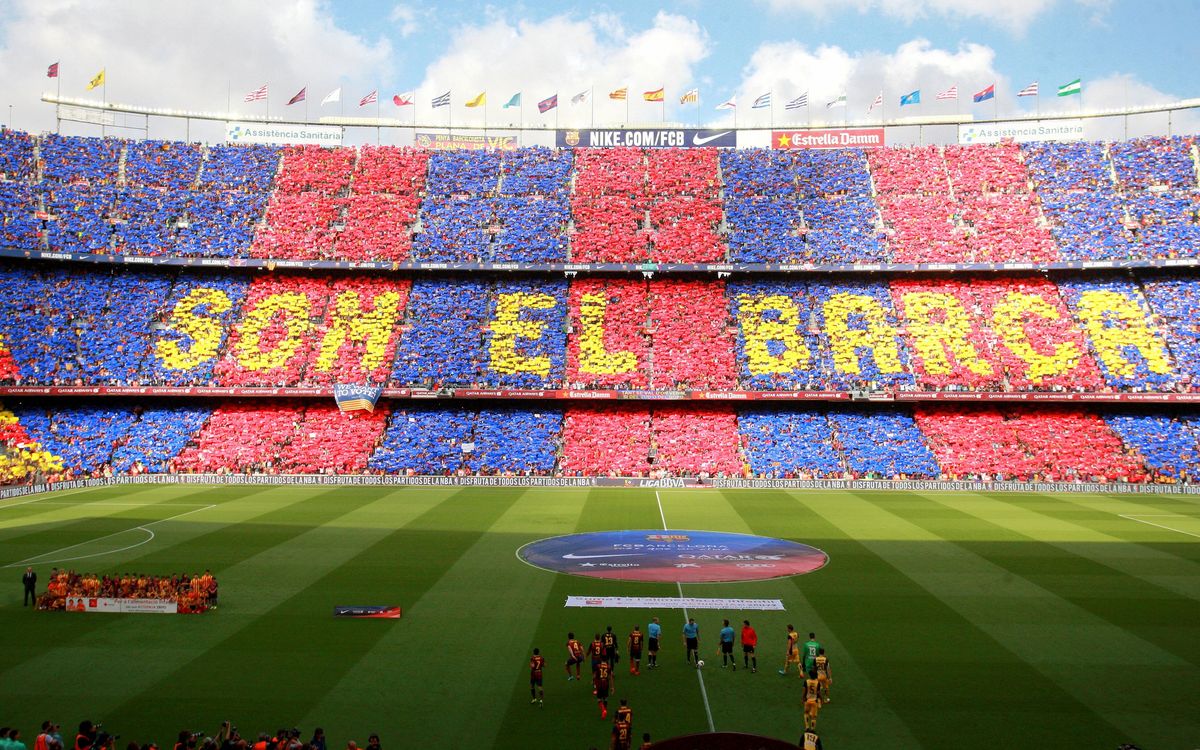
At Camp Nou, 90 seconds before kickoff, the stadium becomes a living orchestra. The “Cant del Barça” (1974) isn’t just Barcelona’s anthem—it’s a political manifesto in Catalan: “Tant se val d’on venim / Si del sud o del nord” (“It doesn’t matter where we come from / Whether from the south or north”). During Franco’s dictatorship, singing it risked arrest; today, blending Catalan “Visca el Barça!” with Spanish “Vamos!” is an act of defiance.
What tourists get wrong: Mispronouncing Catalan turns “Blau-grana” (blue-and-garnet) into a clumsy “Blow-grana.” Locals subtly correct outsiders—not to shame, but to preserve the chant’s soul.
Decoding the Lyrics
- “Una bandera ens agermana”: Translates to “A flag unites us,” referencing Catalonia’s independence struggle.
- The 8-second pause: After “Barça, Barça, Baaaaarça!”, fans fall silent—honoring political prisoners during Franco’s regime.
Boca Juniors’ “Dale Boca”: Argentina’s Working-Class Roar
How a chant became a lifeline in crisis
In Buenos Aires’ La Bombonera, “Dale, dale, dale Boca!” shakes the stands like an earthquake. Translating to “Come on, come on, come on Boca!”, its true power lies in “Que tu bandera jamás se va a rendir” (“Your flag will never surrender”). Born during Argentina’s 2001 economic collapse, when banks froze wages, this chant reminded fans football was the last thing they could control.
Why it’s sung in unison: Unlike European call-and-response, Boca’s “La Doce” (12th man) chorus is a single, relentless wave—no leader, no breaks. Miss a syllable, and the rhythm fractures.
Bayern Munich’s “Stern des Südens”: When Chants Become Orchestral
Why eight shouts of “Deutschland!” shake the Allianz Arena
Bayern’s “Stern des Südens” (Star of the South) builds like a symphony: slow, majestic verses crescendo into eight rapid-fire “Deutschland!” shouts. This isn’t just patriotism—it’s a sonic tifo. Each “Deutschland!” echoes the eight German league titles won between 2013-2020. In 2023, sensors measured 99.7% of the 81,365 crowd participating—a near-impossible feat of coordination.
The secret sauce: Handclaps sync to a 1-2-3-4 rhythm on “Immer wieder” (Again and again). Get the tempo wrong, and the chant collapses.
How Chants Actually Work: Joining the Chorus
3 Rules to Blend In (Not Stick Out)
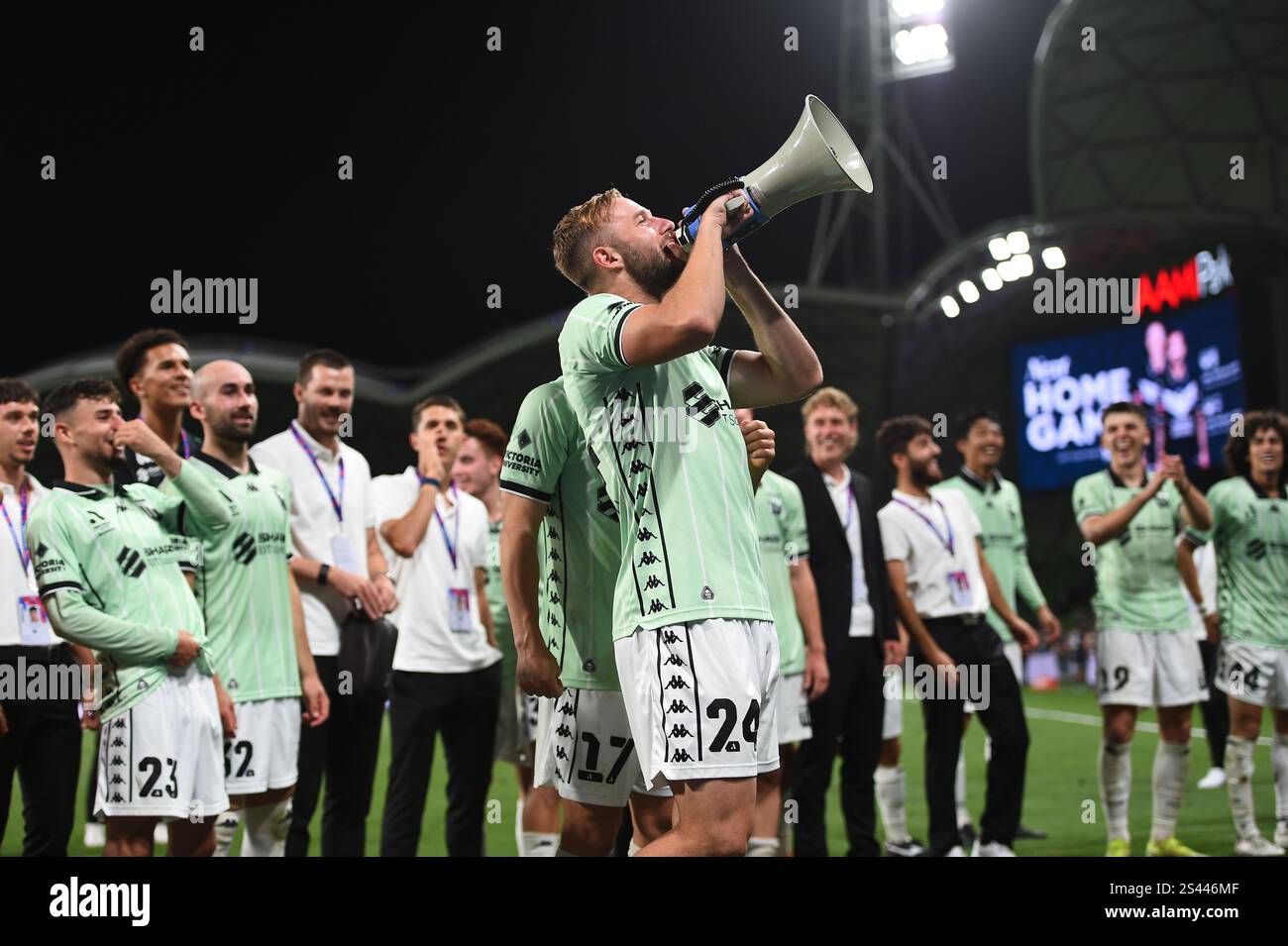
- Follow the capo’s lead: In South America, the megaphone-wielding capo sets tempo. In England, clap with the chant—not over it.
- Accent is armor: Sing Newcastle’s “Blaydon Races” without the Geordie “gannin’” (going), and you’re a spectator. Master the regional twist, and you’re family.
- Silence is sacred: At Celtic Park, fans drop to a whisper during “We don’t care what the animals say”—breaking it marks you as an outsider.
Why Modern Chants Spread Like Wildfire
TikTok turned Argentina’s “Vamos, vamos Argentina” into a 2-billion-view phenomenon, but the real evolution is in stadiums. At PSG, DJs now drop house remixes of “Allez Paris” pre-match—yet fans still belt the original during play. Digital may amplify chants, but the raw human pulse remains non-negotiable.
The Unspoken Language of Belonging
These famous soccer chants and their meanings transcend language. When Dortmund’s “Heja BVB” echoes (using a Scandinavian “heja” in Germany), it’s a nod to the Ruhr Valley’s immigrant roots. When Flamengo fans declare “Uma vez Flamengo, sempre Flamengo” (Once Flamengo, always Flamengo), they’re vowing lifelong loyalty in six words. This is football’s true magic: 50,000 strangers becoming one voice, carrying history in their throats.
Next match, do this: Arrive 30 minutes early. Stand still during the first chant. Feel the rhythm in your chest before joining. When the scarves rise, match the local accent—not the lyrics. You won’t just hear the chant. You’ll become it. Because famous soccer chants and their meanings aren’t about songs. They’re about finding where you belong.

I come from the “soccer heart” of Germany, the Ruhrpott. I have played, trained and followed soccer all my life and am a big fan of FC Schalke 04. I also enjoy following international soccer extensively.