How to Clean Soccer Ball Properly
This post contains affiliate links. As an Amazon Associate, we earn from qualifying purchases.
Your soccer ball just survived another intense session on the pitch, now caked with mud, grass stains, and who knows what else. While tossing it in the garage seems tempting, proper cleaning isn’t just about aesthetics—it’s the difference between a ball that lasts one season versus three. The good news? Learning how to clean soccer ball properly takes less than five minutes and requires no special equipment. Neglecting this simple ritual allows dirt to degrade stitching, warp panels, and compromise bounce consistency.
This guide delivers the exact steps professionals use to maintain match-quality balls, from basic wipe-downs after practice to deep cleaning stubborn stains. You’ll discover which cleaning mistakes destroy balls (like using dish soap), how different playing surfaces affect your cleaning routine, and the storage tricks that prevent warping. Stop replacing balls every season—start cleaning them right today.
Immediate Post-Game Cleaning for Maximum Longevity
Wipe Down Within 30 Minutes of Play
Grab a damp microfiber cloth immediately after your session ends—delaying allows dirt to bond permanently with the textured surface. Work in firm circular motions across all panels, focusing on high-impact zones where grime embeds:
– Stitching lines trapping grass blades
– Panel edges near scuff marks
– Valve area where debris compromises inflation
This quick wipe prevents moisture loss in leather balls and stops synthetic materials from drying brittle. For muddy conditions, let dirt dry first (15-30 minutes), then brush off flakes with a soft toothbrush before wiping. Never skip this step—even “clean” indoor balls collect court dust that dulls grip over time.
Verify Pressure Before Wet Cleaning
Always check your ball’s PSI rating printed near the valve (typically 8.5-15.6 PSI) before applying moisture. Cleaning a fully inflated ball creates internal pressure that blocks water from seeping into the valve mechanism. If you clean while deflated, water invades the bladder, causing slow leaks and mold growth. Use a digital pressure gauge for accuracy—under-inflated balls absorb more water during cleaning, while over-inflated ones risk seam splitting.
Water-Only Cleaning Protocol for All Ball Types
The Foolproof Wipe Technique
Fill a bowl with lukewarm water only—never hot or soapy solutions. Dip your cloth, wring until barely damp (excess water swells seams), and wipe one panel at a time. Rinse the cloth after every two panels to avoid grinding grit into the surface. For leather balls, add just two drops of specialized leather cleaner like Lexol to the water—dish soap strips protective oils, causing irreversible cracking. This method takes 90 seconds and works for soccer, futsal, and freestyle balls alike.
Why Bleach and Detergents Destroy Balls
Never use household cleaners—they break down adhesives holding panels together. The resource document explicitly warns: “Do not use detergents or bleaches, as these chemicals deteriorate the ball’s surface material.” Even mild dish soap removes the hydrophobic coating on synthetic balls, making them waterlogged and heavy. Stick to water or manufacturer-approved leather cleaners. If stains persist, move to deep cleaning—don’t risk chemical damage.
Surface-Specific Deep Cleaning Strategies

Grass and Mud Stain Removal
After rainy field games, let mud dry completely (30+ minutes) before brushing. Attempting wet removal smears dirt deeper into the texture. Use a soft-bristled toothbrush in short strokes along seams, then wipe with a damp cloth. For dried grass stains, dip your cloth in water with two drops of leather cleaner, scrub for 30 seconds per spot, and immediately rinse the cloth to wipe residue away.
Indoor Court Dust and Beach Salt Fixes
Futsal balls develop a slippery film from rubberized courts. Mix 1 cup water with 3 drops leather cleaner, focus on the lower hemisphere where floor contact occurs, and dry within 5 minutes to prevent moisture absorption. Beach balls demand urgent action: rinse briefly under cool water to flush salt crystals, then towel-dry seams thoroughly. Salt left overnight accelerates panel separation—never store a damp beach ball.
Deep Cleaning Process for Stubborn Stains
Step-by-Step Restoration Guide
- Deflate 20% using your pump needle (eases panel access without risking creases)
- Prepare solution: 1 cup cool water + 3 drops leather cleaner (for synthetic balls, skip cleaner)
- Soak cloth, wring until damp, and scrub stains using 30-second circular motions
- Rinse cloth immediately and wipe entire ball to remove cleaner residue
- Pat dry with microfiber towel, focusing on seam junctions
- Air-dry 2-3 hours at room temperature (no heat!)
- Re-inflate to exact PSI after drying
Critical Drying Mistakes to Avoid
Never use hair dryers, radiators, or direct sunlight—uneven heat warps the spherical shape, ruining flight accuracy. The resource document emphasizes: “Store in a temperature-controlled environment away from direct sunlight.” Instead, rotate the ball every 30 minutes while air-drying to ensure even moisture evaporation. If seams feel damp after 2 hours, extend drying time; playing with a wet ball stretches panels permanently.
Storage Protocols to Prevent Warping
Pre-Storage Inspection Checklist
Before storing your ball:
– Confirm 100% dryness by running fingers along seams
– Reduce pressure to 75% of playing PSI (prevents overexpansion in storage)
– Check for cuts >¼ inch requiring patching
– Wipe valve area free of grit to maintain seal integrity
Storing at full pressure in fluctuating temperatures causes micro-tears in the bladder.
Long-Term Storage for Off-Seasons
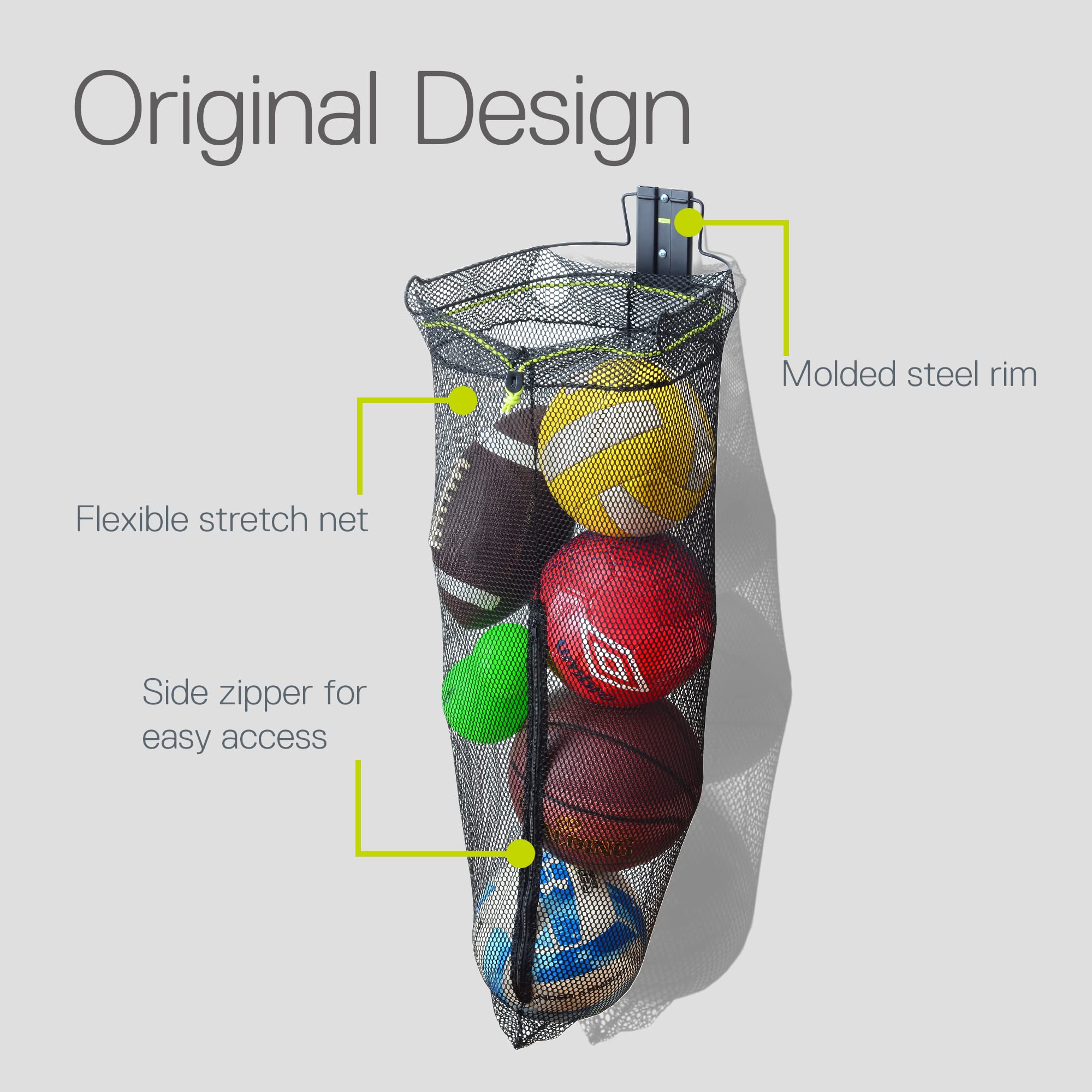
For balls unused over two weeks: deflate 50% (never fully), place in a mesh bag, and store upright in a closet away from windows. Rotate monthly to prevent flat spots—this is non-negotiable for leather balls. The resource document warns that improper storage “causes material degradation,” turning a $60 ball into trash within months.
Deadly Cleaning Mistakes That Ruin Balls
Never Stand on or Submerge Your Ball
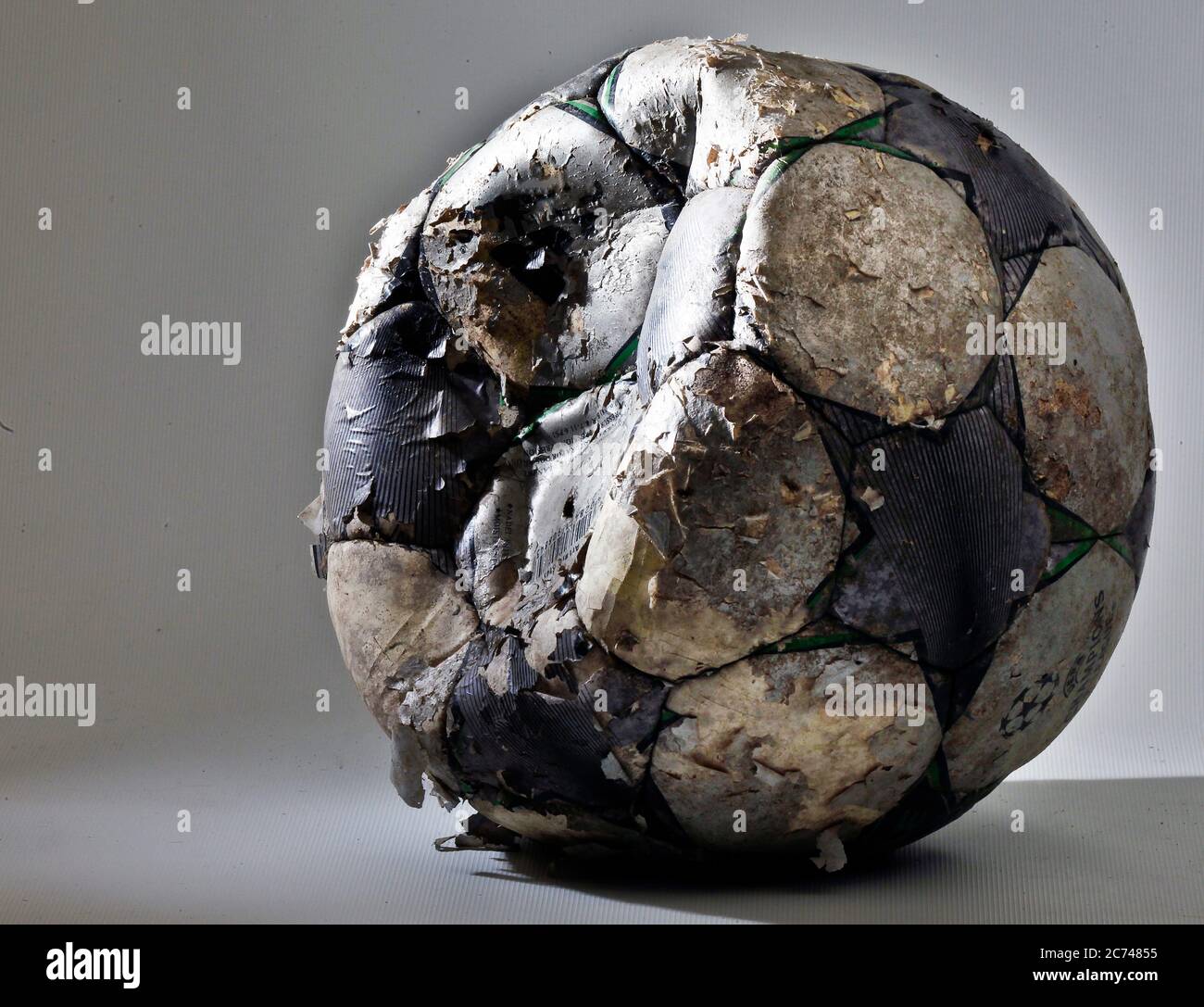
Standing on the ball during cleaning permanently deforms its shape—the resource document explicitly states this damages “shape and structure permanently.” Similarly, submerging balls in water (even for “thorough cleaning”) invites moisture into the valve, destroying the bladder. Other fatal errors:
– Using metal-bristled brushes that scratch panels
– Cleaning fully deflated balls (causes permanent creases)
– Storing wet balls (breeds mold inside seams)
Pro Time-Saving Hacks
- Keep a microfiber “ball towel” in your gear bag for instant post-game wipes
- Use unscented baby wipes for emergency touch-ups (no alcohol or oils)
- Store two balls—rotate them to allow full drying between uses
- Clean futsal balls weekly since court dust dries them faster than grass balls
Weather-Adapted Cleaning Schedules
Rain Game Emergency Protocol
Pat dry within 10 minutes of play using a towel—not air-drying—to prevent water absorption. Then wipe with a damp cloth within 1 hour. Never store a rain-soaked ball; moisture trapped in seams weakens adhesives and causes delamination. For frequent wet-weather players, deep-clean weekly instead of monthly.
Extreme Heat Recovery Steps
Balls left in hot cars expand rapidly, stressing seams. If your ball feels rock-hard after heat exposure, release 10% of air before cleaning to prevent splitting. Then wipe immediately—heat-baked dirt is harder to remove. Store cooled balls in shaded areas; never leave them in car trunks where temperatures exceed 100°F.
Mastering how to clean soccer ball properly extends its life by 200%—transforming a seasonal purchase into a three-year companion. That five-minute post-game ritual prevents the hour-long restoration needed for neglected balls, saving you money and ensuring truer passes and shots. Remember: water only for synthetics, leather-specific cleaners for traditional balls, and never skip the dry-down check. Your next match demands a ball that responds instantly to your touch—start cleaning like a pro today, and feel the difference in every kick.
I come from the “soccer heart” of Germany, the Ruhrpott. I have played, trained and followed soccer all my life and am a big fan of FC Schalke 04. I also enjoy following international soccer extensively.