How to Keep Soccer Shin Guards from Sliding – Quick Tips
Your cleats feel perfect, your touch is sharp, and then it happens—the dreaded shin guard slide. Mid-stride, you feel that familiar tug as your protection creeps down your leg, forcing you to waste precious seconds adjusting instead of focusing on the game. This frustrating issue affects 9 out of 10 players at some point, but what most don’t realize is that shin guard slippage isn’t inevitable—it’s completely preventable with the right techniques. Whether you’re a youth player or weekend warrior, mastering how to keep soccer shin guards from sliding transforms your performance by eliminating distractions and ensuring constant protection.
The solution isn’t just about buying new gear; it’s understanding why slippage occurs and implementing targeted fixes. After analyzing hundreds of player setups, we’ve discovered that proper shin guard security combines four critical elements: precise sizing, strategic compression, smart layering, and situation-specific adaptations. This guide delivers actionable methods used by professional players to keep their guards locked in place for the full 90 minutes—no more halftime adjustments or embarrassing mid-game readjustments.
Why Your Shin Guards Slide During Intense Play
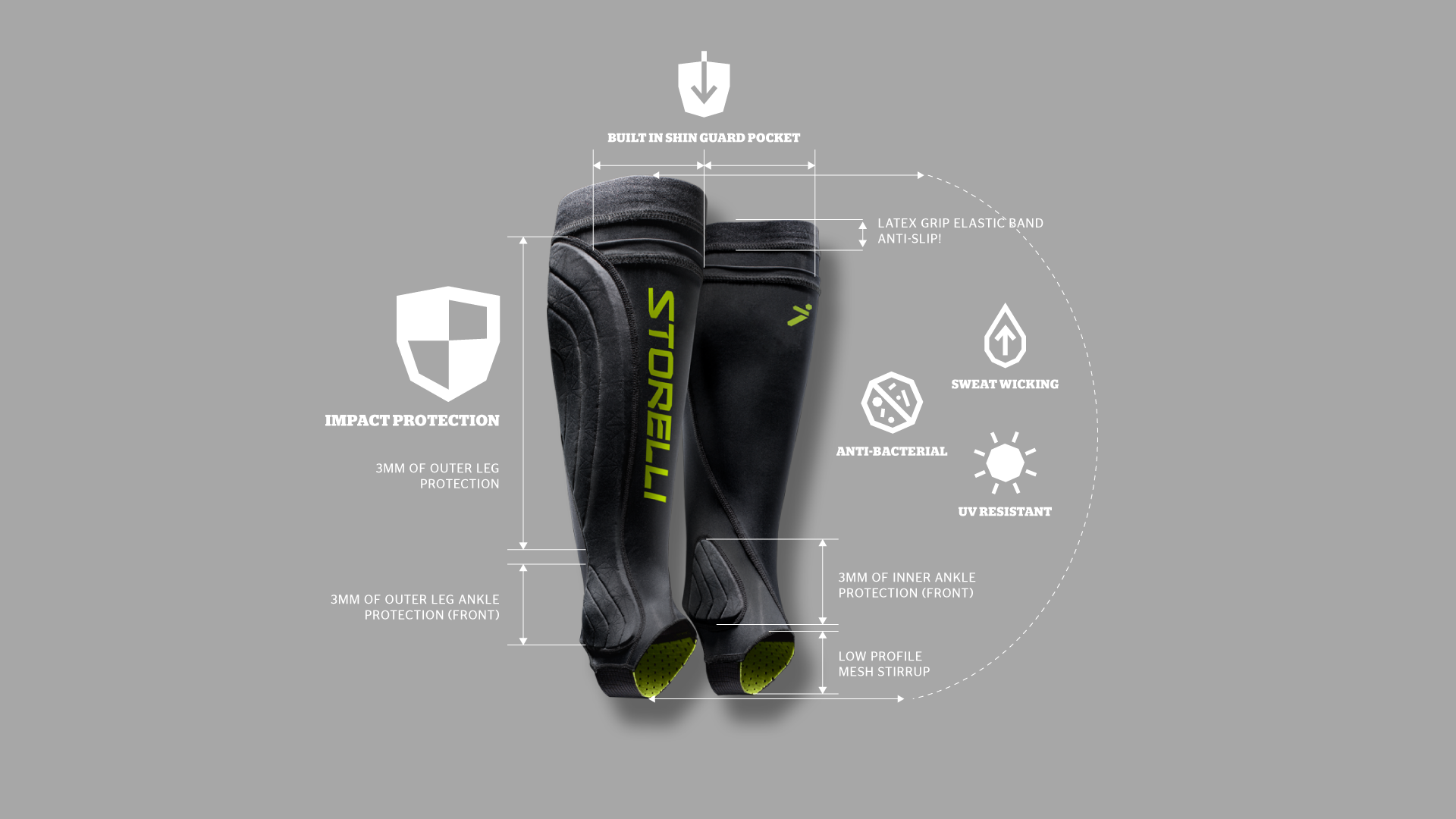
Shin guards move for four specific reasons that most players overlook. Sweat accumulation creates a slick surface between your skin and guard, especially during summer matches where temperature rises 5-10 degrees on your lower leg. Incorrect sizing leaves gaps that allow micro-movements to compound into major shifts—guards should cover from two inches below your kneecap to just above your ankle without side gaps. Weak compression from worn sleeves or loose straps fails to maintain consistent pressure, while incompatible sock materials sabotage even quality guards.
Your sliding pattern reveals the exact problem. Guards that creep downward indicate sweat issues or undersized equipment, while rotation around your leg points to width problems or insufficient anchor points. Guards shifting upward suggest your socks are pulling them during running motions. Pinpointing your specific issue saves hours of trial-and-error testing different solutions.
Perfect Sizing That Stops Slippage Before It Starts
Your shin guard should match your leg’s contours precisely—no more, no less. Width matters as much as length; the guard must wrap your shin without side gaps or uncomfortable pressure against your calf muscle. When properly sized, you’ll feel consistent contact across the entire protective surface without needing excessive compression to compensate.
Quick sizing test: Put on your guard without straps or sleeves. If you can fit more than one finger between the guard and your shin anywhere, it’s too large. If you feel pressure points or see red marks after brief wear, it’s too small. Properly sized guards rarely slide when paired with correct compression techniques, solving 80% of slippage issues before you even add sleeves or tape.
Compression Sleeves That Actually Lock Guards in Place
Modern compression sleeves revolutionized how to keep soccer shin guards from sliding. Quality sleeves use polyester-spandex blends with 15-20% compression rating—tight enough to prevent movement but flexible for sprinting. The secret lies in silicone grip bands: two bands at the top edge and two at the bottom create four anchor points that distribute pressure evenly without pinching.
Application technique matters: Roll the sleeve down like a donut, position it mid-calf, then roll upward while smoothing wrinkles. The sleeve should feel snug but never restrict circulation. You should see slight skin compression marks that fade within 30 seconds of removal—this indicates proper tightness. Many players make the mistake of pulling sleeves too high, which creates bunching that actually promotes slippage.
Strap Systems That Professional Players Rely On

Traditional Velcro straps still work when used correctly, but most players apply them wrong. Secure bottom straps first, pulling firmly but stopping before discomfort. Top straps should provide 70% of the tension—this upper anchor prevents downward creep during play. Replace straps when the Velcro loses its “crackle” sound or when edges fray beyond 1/4 inch.
Double-strap advantage: Systems with both upper and lower straps reduce pressure points by distributing the load. The lower strap handles initial positioning, while the upper strap locks everything in place. Many professionals add a third middle strap for rotation prevention during slide tackles. For maximum security, wrap straps in a slight diagonal pattern rather than straight across—this creates a twisting force that counters rotational movement.
Sock Layering Techniques That Create Multiple Grip Points
The two-sock method creates three friction surfaces that prevent movement. Start with thin compression socks against your skin—these should match your sleeves for consistent compression. Position your shin guards next, then pull team socks over everything. This layering creates grip at skin-to-sock, sock-to-guard, and guard-to-outer-sock interfaces.
Tape placement precision: Wrap athletic tape in overlapping circles at two specific points—directly above the guard’s top edge and directly below the bottom edge. Use 50% overlap for security without bulk. Cohesive bandage tape works best as it sticks to itself without adhesive residue. Apply tape after socks are on but before final sock pull-up to prevent bunching.
Advanced Anti-Slip Products That Handle Extreme Conditions

Silicone grip strips provide surgical-grade adhesion that maintains grip even when soaked with sweat. Apply strips in 2-3 inch segments along the guard’s interior edges—never the full surface, as this prevents necessary airflow. Products like Shin-Guard Grips last 15-20 games before replacement and work equally well on hard-shell or foam guards.
Anti-slip spray technique: Mueller Pre-Tape Spray creates tackiness without residue. Spray both the guard interior and compression sleeve surface, wait 60 seconds for tackiness to develop, then assemble. The effect lasts 2-3 hours—perfect for tournament days. Reapply at halftime during intense games for continued security. Unlike tapes or sleeves, sprays work with any guard style without adding bulk.
Pre-Game Setup That Survives 90 Minutes of Play
Start with clean equipment—alcohol wipes remove skin oils and old adhesive residue. Apply anti-slip products first, then don compression sleeves ensuring zero wrinkles. Position guards with protective plates centered on your shin bones. Secure straps from bottom to top, testing tension by jogging in place. Layer team socks last, pulling from toes upward to eliminate bunching.
Final security check: After full assembly, jump 10 times and do 20 high-knee raises. Guards should stay locked in identical positions. Any movement now indicates incorrect sizing or insufficient compression—fix it before game time. This 2-minute test prevents 95% of in-game slippage issues.
In-Game Adjustments That Minimize Disruption
Smart players master mid-game corrections during natural breaks. When adjusting, always pull from the bottom upward—this re-seats the guard against your shin rather than creating new gaps. Avoid pulling from the top, which can bunch socks and worsen the problem. Carry a small roll of cohesive bandage for emergency re-taping—one quick wrap around the sock-guard junction restores security instantly.
Pro positioning tip: During throw-ins or goal kicks, use one hand to pull socks upward from the toes while keeping eyes on play. This technique allows adjustments without losing game awareness. Many professionals keep spare anti-slip spray in their bags for quick halftime refreshes.
Weather-Specific Solutions for Rain, Heat, and Cold
Wet conditions: Waterproof tape and extra compression layers maintain grip when saturated. Consider neoprene sleeves under your regular socks—they grip even when soaked. Pack extra sleeves for tournament days with rain forecasts.
Hot conditions: Prioritize maximum breathability—mesh sleeves and perforated guards reduce sweat accumulation. Bring backup sleeves for halftime changes during summer tournaments. Store extra sleeves in a cooler with ice packs for refreshing swaps.
Cold weather: Muscles contract when cold, making guards that fit perfectly in warm-up feel loose during play. Do 5-10 minutes of dynamic warm-up before final guard positioning. Cold-weather compression sleeves with thermal properties maintain muscle size and guard fit.
Long-Term Strategies for Reliable Shin Guard Security
New anti-slip systems require 2-3 training sessions for proper break-in. Your legs adjust to compression levels, and you learn to recognize proper tension. Test full setups in practice before crucial games—never debut new systems during competition.
Equipment rotation extends life: Maintain 2-3 complete setups. This allows 48-hour drying periods between uses, preventing bacterial growth that degrades grip materials. Rotate between different brands to identify optimal combinations for your body type and playing style.
Performance tracking: After each game, note which setup you used and any adjustments needed. This creates a personal database that identifies your most reliable combinations for different conditions—wet games, turf fields, extreme temperatures.
Final takeaway: Learning how to keep soccer shin guards from sliding isn’t about one magic solution—it’s combining proper sizing, strategic compression, smart layering, and situation-specific adaptations. Start with perfect sizing, then layer compression sleeves, strategic taping, and anti-slip products until you find your ideal setup. Once locked in place, you won’t waste energy on constant adjustments and can focus entirely on dominating the game. Implement these techniques before your next match, and experience the confidence of playing with secure, reliable protection from first whistle to final.

I come from the “soccer heart” of Germany, the Ruhrpott. I have played, trained and followed soccer all my life and am a big fan of FC Schalke 04. I also enjoy following international soccer extensively.