How to Remove Mud from Soccer Cleats (The 5-Minute Clean)
To remove mud from soccer cleats, act while the mud is still wet. Knock off large clumps, remove the laces and insoles, then use a soft brush and cold, soapy water to scrub the studs and upper. Rinse gently, stuff with newspaper, and air dry completely away from direct heat. Never use hot water or a washing machine.
Most players wait until they get home, letting the mud dry into a concrete-like crust. That crust doesn’t just look bad. It pulls moisture from the leather or synthetic fibers, stressing the seams and glue. By the time you scrape it off, you’ve already started the countdown to a separated sole or cracked upper.
This guide walks through the fast fieldside routine and the deeper home clean, tailored for leather, synthetic, and knit materials. You’ll learn how to dry them without warping the soleplate and how to stop the locker-room smell before it starts.
Key Takeaways
- Clean mud immediately while wet; dried mud acts as an abrasive and damages glue bonds.
- Never use hot water or a washing machine, both melt adhesives and warp materials.
- Always air dry cleats stuffed with newspaper; heat from dryers or sun causes cracking.
- Remove laces and insoles separately to combat odor and ensure a thorough dry.
- Match your cleaning pressure to the material: gentle circular motions for leather, firmer scrubbing for synthetics.
Why Wet Mud is Easier Than Dried Mud
Physics works against you the moment the game ends. Wet mud is mostly water held by loose soil particles. It slides off. As it dries, the water evaporates and the remaining clay and silt particles lock together, and onto the microscopic pores of your cleat’s material.
Dried mud exerts a constant, slight tension on the upper material and stitching. Over multiple dry-clean cycles, this repeated stress fatigues the threads and weakens the glue layer between the soleplate and the upper, leading to the dreaded sole separation.
You have about a 30-minute window after a rainy match. If the cleats sit in your bag for the car ride home, the mud is already setting. The difference isn’t just a few extra minutes of scrubbing. It’s the difference between a simple wash and a repair job.
TL;DR: Mud must be removed within 30 minutes of the final whistle. After that, you’re not just cleaning, you’re preventing structural damage.
The 5-Minute Fieldside Knock-Off
This isn’t a full clean. It’s damage control. Do this before you even leave the pitch.
First, find a patch of grass or stand over a trash can. Knock the cleats together, sole against sole. Use a bit of force. You’ll hear a solid thwack and see clumps fall away. That’s the low-hanging fruit.
Next, use your fingers or a car key to pry mud from the deepest stud cavities. Don’t dig at the material. Just clear the channels so the studs aren’t packed solid. If you have a water bottle, a quick splash can help loosen things. The goal is to prevent that packed-mud brick from forming during the trip home.
Finally, pull out the insoles right there. Let them air out. This single step cuts the interior drying time in half and stops the sour smell from brewing in the dark, damp footbed.
Gathering Your Cleaning Arsenal
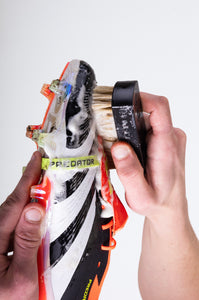
You don’t need special products. You need the right ones.
| Tool | Purpose | What to Avoid |
|---|---|---|
| Soft-bristle brush (nail brush, dish brush) | Scrubbing studs and soleplate without scratching | Wire brushes or stiff plastic that scuffs the upper |
| Old toothbrush | Detailed cleaning of logos, stitching, and knit textures | Brushes with hardened, splayed bristles |
| Mild dish soap (Dawn, Fairy) or laundry detergent | Breaking down mud and grass stains | Detergents with bleach, acids, or heavy degreasers |
| Bowl of cold / lukewarm water | Mixing soap and for rinsing | Hot water from the tap |
| Clean microfiber cloth or old towel | Drying the exterior | Abrasive fabrics like paper towels on delicate uppers |
| Newspaper or paper towels | Stuffing to absorb internal moisture and hold shape | Using too little, leaving the toe box to collapse |
A soft brush is non-negotiable. I used a stiff parts-cleaning brush on a pair of older Adidas Predators once. It left fine scratches across the synthetic leather that collected dirt twice as fast afterward. The brush felt firm in my hand, not harsh. The cleat material disagreed.
Keep everything mild. Harsh chemicals dry out leather and can break down the polyurethane coatings on synthetics.
The Step-by-Step Home Cleaning Process
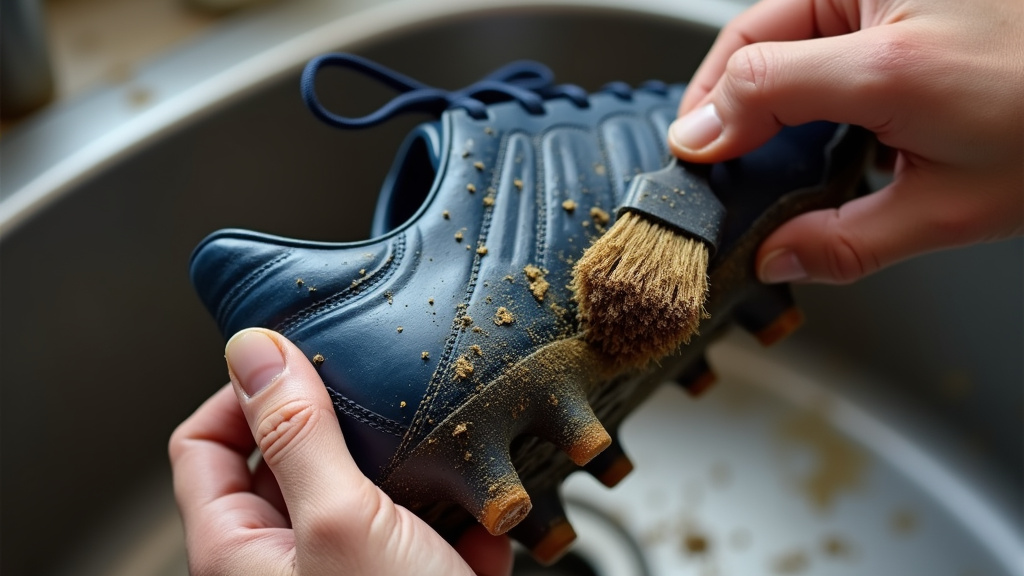
Now for the proper wash. This assumes you did the fieldside knock-off. If not, you’ll be starting at step two with a chisel-like layer of dirt.
Step 1: Disassemble completely.
Remove the laces. Take out the insoles. These are your primary odor factories. Wash laces by hand in the soapy water or toss them in a mesh bag for a cold, delicate machine cycle. Soak insoles in the soapy water separately. Scrubbing them now prevents that damp-basement smell from taking root.
Step 2: Brush off the remaining debris.
Hold the cleat over a sink or trash can. Use your soft brush to dislodge all loose dirt, grass, and sand from the studs, soleplate, and upper. Brush in the direction of the stud pattern to clear the channels.
Common mistake: Scrubbing in random circular patterns first, this just grinds fine grit into the upper’s surface. Always brush debris away from the material before applying any soap.
Step 3: Apply soapy water.
Fill a bowl with cold water. Add three or four drops of dish soap. Dip your brush in and work up a light lather. Start scrubbing the soleplate and studs, the dirtiest parts. Use the old toothbrush for tight spots around the heel counter and lace eyelets.
Step 4: Clean the upper gently.
With a freshly soap-dipped brush, gently clean the upper. For leather, use soft, circular motions. For synthetic or knit uppers like Nike Gripknit, you can apply more direct pressure. The goal is to lift the stain, not wear down the material.
If you encounter a stubborn turf stain on a light-colored synthetic upper, a damp Magic Eraser (melamine foam) can work. Use it sparingly and never on leather, it’s a mild abrasive.
Step 5: Rinse and dry externally.
Dampen your clean cloth with plain cold water. Wipe down the entire cleat to remove all soap residue. Do not hold the cleat under running water. Soaking saturates the internal foam layers and leads to prolonged drying and mildew.
Step 6: Dry the interior.
This is the most skipped step. Crumple newspaper or paper towels into tight balls. Stuff them firmly into the toe box and throughout the interior. The paper will wick moisture out of the lining and padding. Replace the paper after a few hours if it feels soaked through.
Step 7: Air dry strategically.
Place the stuffed cleats in a well-ventilated room, away from windows, radiators, or heaters. A fan in the room is excellent. Never point a hair dryer at them. The glue softening point for most athletic shoe adhesives is around 60°C (140°F), a hair dryer on high can hit that in seconds.
Leather vs. Synthetic: The Wash Divide
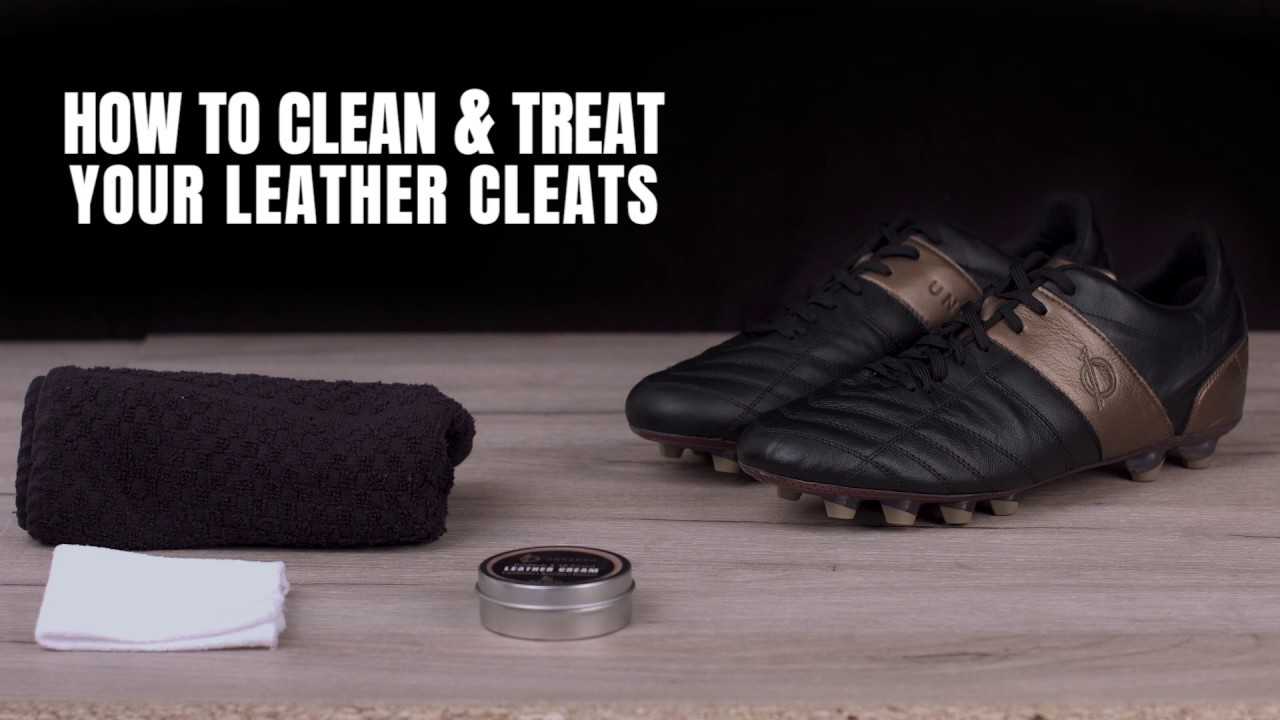
Your cleaning pressure and post-care change dramatically with material. Using the wrong method here is how you ruin a $250 pair of boots.
Leather cleats (like kangaroo leather models) are porous and supple. They absorb water and soap. Your process is gentle blotting, never soaking. After cleaning and drying, condition the leather with a dedicated shoe cream or a tiny amount of mink oil. This replaces lost natural oils and prevents the leather from drying out, cracking, and becoming stiff. It’s a non-negotiable part of routine cleat maintenance.
Synthetic and knit cleats (Adidas Predator Edge, Nike Phantom GX) are less porous. They can handle more direct scrubbing. However, their structure relies more on welded seams and adhesives. Avoid bending them excessively while wet, as this can de-laminate those bonds. No conditioning is needed, just a thorough dry.
| Material | Cleaning Pressure | Post-Clean Care | Biggest Risk |
|---|---|---|---|
| Leather | Gentle, circular motions with a well-wrung cloth | Apply leather conditioner to restore oils | Cracking and stiffness from drying out |
| Synthetic | Firm, direct scrubbing with a soft brush | Ensure complete internal drying with newspaper | De-lamination of glued seams when bent wet |
| Knit (Gripknit, Primeknit) | Medium pressure with a toothbrush into the knit texture | Air dry only; heat melts the knit fibers | Snagging the knit on sharp brush bristles |
Understanding your cleat material types is the first step in any long-term care plan. It directly informs your cleaning aggression.
How to Dry Cleats Without Warping Them
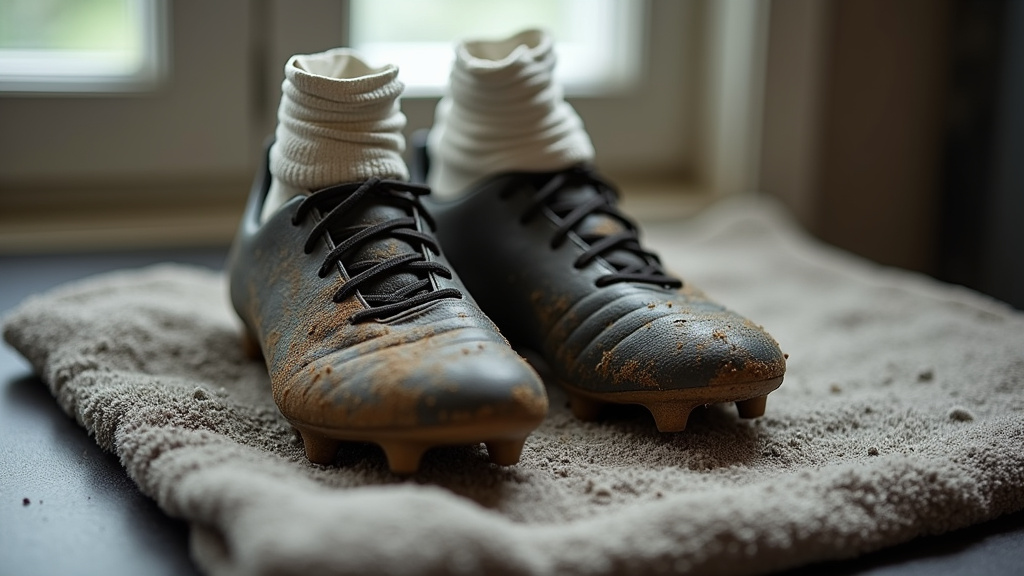
Drying is where most damage happens. Impatience costs you a pair of boots.
The enemy is heat and moisture imbalance. A heat source (dryer, heater vent, direct sun) dries the exterior rapidly, causing the material to shrink and tighten over a still-damp interior. This creates internal stress. For a molded soleplate, uneven heating can cause it to warp slightly, enough to alter your stance and feel unstable.
The correct method is slow, ambient air drying with absorbent stuffing. The newspaper pulls moisture from the inside out, while room air circulates to evaporate it from the outside. This balances the drying rate.
Common mistake: Drying cleats on their side, this allows water to pool in the lower side of the upper, prolonging dampness and encouraging mold. Always dry them upright.
Plan for at least 24 hours, preferably 36 for leather cleats. If you play Saturday and Sunday, you need two pairs. This drying time is also why proper off-season storage begins with a perfectly dry boot.
Beating the Lockeroom Smell
Odor isn’t just sweat. It’s bacteria thriving in the dark, damp, salty environment of your cleat’s interior. Cleaning the insides is as important as the outsides.
After every clean, sprinkle a bit of baking soda inside the dry cleat and let it sit overnight before shaking it out. For persistent smells, use a disinfectant spray designed for athletic gear (like Febreze Antimicrobial). Spray lightly inside after cleaning and let it air out completely before wearing.
For a natural option, place dry tea bags inside the stored cleats. The tannins inhibit bacterial growth. Remember, the ultimate smell prevention is ensuring they are bone dry before you put them in your bag or closet. Damp storage guarantees stink.
When Mud Hides Damage
Cleaning is also your best inspection routine. As you brush away mud, look for these warning signs:
– Separating Sole: Check where the upper meets the soleplate, especially at the toe and heel. Any gap or lifting is a critical failure.
– Worn-Out Studs: Inspect the stud tips. If they are rounded smooth or noticeably shorter than others, they’ve lost their grip.
– Torn Upper: Look for cracks in synthetic leather or tears in knit materials. Pay close attention to the flex points near the ball of the foot.
– Blown-Out Eyelets: See if any lace holes are torn or stretched.
Finding any of these issues means your cleat replacement indicators are flashing. Mud camouflages these problems. A clean boot tells the truth.
Frequently Asked Questions
Can I put my soccer cleats in the washing machine?
No. Never. The agitation, heat, and pressure can warp the soleplate, tear internal stitching, and melt the glues that hold the shoe together. It’s a surefire way to shorten their lifespan dramatically.
What if the mud is already completely dry and hard?
Soak a cloth in cold water and lay it over the dried mud on the upper for 10-15 minutes to rehydrate it gently. For the studs, use a soft-bristle brush and pick at the mud patiently. Do not use a metal tool or excessive force, as you will scratch the material.
How do I clean white soccer cleats without yellowing them?
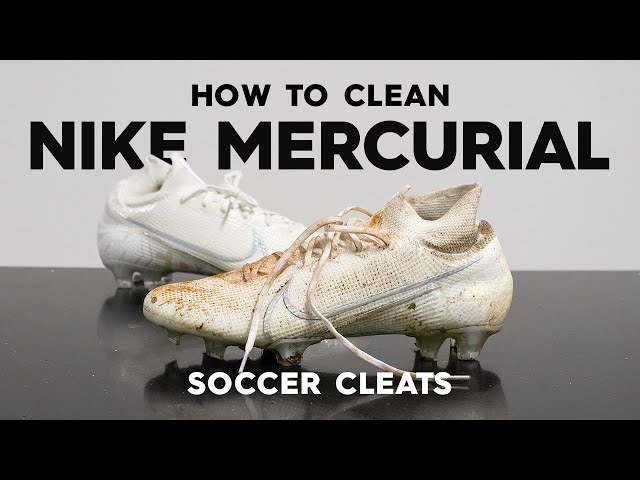
Use only cold water and a mild, bleach-free soap. After rinsing, dry them away from direct sunlight, as UV rays can cause white synthetic materials and adhesives to yellow over time. A dedicated white shoe cleaner can be used for stains.
Can I use a hair dryer to speed up drying?
Absolutely not. The concentrated heat can shrink materials, weaken adhesives, and cause synthetic fibers to become brittle. Always air dry at room temperature.
Should I clean brand new cleats before first wear?
It’s not necessary for cleanliness, but applying a leather protector spray to new leather cleats or a fabric waterproofing spray to synthetics before their first match is a smart step in fresh cleat care. It creates a barrier against mud and stains.
How often should I fully clean my cleats?
After every match played on a wet or muddy surface. For dry, firm ground, a quick brush-off of dirt and debris is sufficient, but a full clean every 3-4 uses is recommended to maintain hygiene and material integrity.
Before You Go
Removing mud is about speed and technique. Get the big stuff off at the field. At home, a soft brush, cold water, and mild soap are all you need. Remember the material you’re dealing with, leather needs gentleness and conditioning, synthetics need a thorough dry. Always stuff them with newspaper and give them a full day to air dry, away from heat. This routine keeps your boots performing longer and saves you from premature irreparable damage. Now go clean your boots. Your feet, and your wallet, will thank you next season.

I come from the “soccer heart” of Germany, the Ruhrpott. I have played, trained and followed soccer all my life and am a big fan of FC Schalke 04. I also enjoy following international soccer extensively.