Best Way to Store Soccer Cleats in the Off Season Properly
The best way to store soccer cleats in the off season is a seven-step preservation process. This involves a deep clean, a complete dry, conditioning leather, and final storage in a breathable bag in a cool, dry place. This method prevents mold, odor, and material damage during months of inactivity.
To store soccer cleats in the off-season, follow a seven-step process: remove and clean laces and insoles, scrub the boots with mild soap, dry them completely indoors with newspaper stuffing, condition leather uppers, stuff for shape retention, place them in a breathable fabric bag, and store in a cool, dry indoor location. This sequence prevents mold, odor, material degradation, and shape loss over several months of inactivity.
Most people get this wrong by skipping the first step, a deep clean, and tossing dirty boots into a plastic bag in the garage. The combination of trapped moisture, residual mud, and temperature extremes ruins the boots by spring. You’ll find hardened leather, separated soles, and a smell that won’t wash out.
This guide walks through each step with material-specific notes, explains why common storage spots fail, and shows how to recondition boots after a long hiatus so they’re match-ready when the season starts.
Key Takeaways
- Never store cleats dirty. Salt from sweat and dried mud chemically degrade synthetic materials and leather within weeks.
- Heat destroys boots. Air dry indoors only; direct sunlight, radiators, or tumble dryers warp soles and melt adhesives.
- Leather needs conditioner before storage. A thin layer prevents the material from drying out and cracking over months.
- Use a breathable fabric bag, not plastic. Sealed containers trap moisture and guarantee mold and a foul odor.
- The storage environment decides longevity. A cool, dry indoor closet shelf works; a garage or attic guarantees damage.
Why Most People Ruin Their Cleats in Storage
The common failure point isn’t a single mistake. It’s a chain of three assumptions that seem logical but are physically wrong. First, that a quick rinse is enough. Second, that a plastic bag keeps them “protected.” Third, that any dry spot is fine.
Dried mud isn’t just dirt. It’s a mix of soil, grass, and salts from sweat that sits against the upper material. On synthetic boots, the salts can slowly break down the polymer bonds, making the material brittle. On leather, it blocks the pores and accelerates drying. Storing them like this means the damage happens silently over winter.
Common mistake: Storing boots in a sealed plastic bag, moisture from incomplete drying condenses inside, mold spores activate within two weeks, and the boots develop a permanent musty smell that penetrates the material.
Plastic bags seem safe. They keep dust off. But if the boots aren’t 100 percent dry, and they rarely are unless you stuffed them with newspaper, the residual moisture has nowhere to go. It condenses on the cold plastic at night, then re-wets the boots by morning. That cycle repeats until mold appears. You’ll see small grey spots near the stitching first.
The storage location often gets chosen for convenience, not climate. A garage or attic has wild temperature swings. In summer, attic heat can reach 60°C. That heat softens the adhesives holding the sole to the upper. When it cools, they re-harden slightly misaligned. Next season, you feel a weird lump under your foot and the sole starts separating after a few games. A basement introduces high humidity, which does the same moisture damage as the plastic bag but slower.
TL;DR: Clean thoroughly, dry with newspaper, use a breathable bag, and pick an indoor closet. Garages and plastic bags are boot killers.
The 7-Step Off-Season Storage Process
This isn’t a quick wipe-down. It’s a full reset that takes about an hour of active work and a day of drying. The order matters because each step prepares for the next.
Step 1: Strip and Clean the Removable Parts
Take out the laces and any removable insoles. This is non-negotiable. Laces hold sweat and dirt along their entire length. Insoles are sponges for moisture and bacteria. Throw them both in a mesh laundry bag or a pillowcase. Run a cold, delicate cycle with a mild detergent. Air dry them flat on a rack.
If you skip this, you’re storing a bacterial colony inside the boot. The smell will be deep-set by spring. Even washing the boots afterward won’t reach the insole’s underside.
Step 2: Scrub the Boots. Not Just the Surface
Use a soft-bristled brush or an old toothbrush. Mix warm water with a small amount of mild dish soap or laundry detergent. The goal is to remove all particulate matter, not just visible mud.
Focus on three zones: the stud bases, the seam lines where the upper meets the sole, and the interior lining. Grass and mud pack into stud sockets. Seams hide grit that works into the glue line. The lining holds sweat salts. Scrub each with the soapy brush, then rinse with clean water using a cloth. Do not soak the boots in a bucket. Soaking saturates the materials and can weaken internal structure.
For a detailed step-by-step cleaning guide, our article on the proper cleaning process covers the tools and motions for different materials.
Step 3: Dry Completely. The Newspaper Method
Air drying indoors is the only safe method. Place the boots in a room with normal airflow, away from windows with direct sun or nearby radiators. Loosen the tongue and pull the collar open to maximize air circulation.
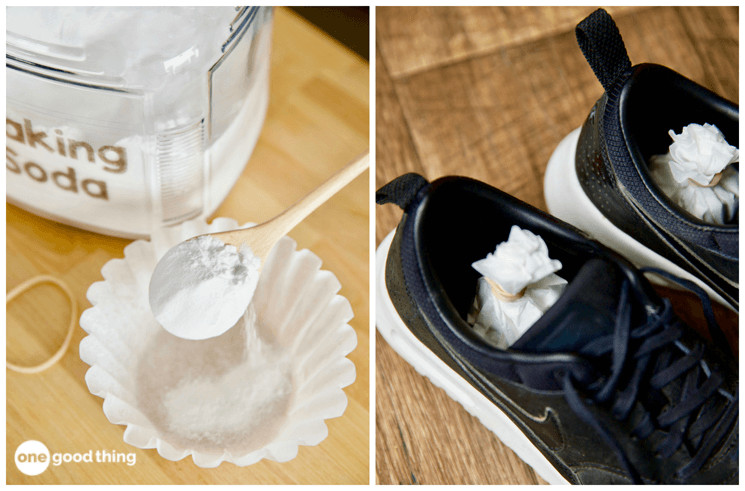
Now stuff them with dry, clean newspaper. Crumple sheets loosely and pack them firmly into the toe box and throughout the upper. The paper absorbs residual moisture from the inside out. Check after three hours. If the newspaper feels damp, replace it with fresh dry sheets. Repeat until the paper stays dry. This usually takes 6 to 12 hours depending on initial dampness.
The alternative, letting them sit empty, means the interior lining stays damp for days. That dampness is what later condenses in storage.
Step 4: Condition Leather Uppers (If You Have Them)
This step applies only to natural leather cleats, not synthetic or knit models. Leather is a living material that loses its natural oils over time. Dried, cracked leather is irreversible.
Apply a thin layer of a dedicated leather conditioner, like those used for baseball gloves or quality shoes. Use a cloth to spread a small amount over the entire upper, avoiding the sole. Let it absorb for 15 minutes, then wipe off any excess. The conditioner replaces lost oils and creates a protective barrier.
If you skip conditioning, the leather will dry out over the storage months. It becomes stiff and brittle. The first game back, you’ll feel less flex and notice fine cracks near the flex points.
Understanding leather cleat maintenance versus synthetic material care is crucial, as the needs differ fundamentally. Our comparison on leather cleat maintenance details the long-term care regimens.
Step 5: Stuff for Shape Retention
Once the boots are dry and conditioned, keep them stuffed. Use fresh dry newspaper or dedicated boot shapers. The goal is to maintain the original volume and shape of the upper.
An empty boot collapses over time. The upper material creases permanently, and the toe box shrinks. When you put them on next season, they feel tight and oddly shaped, almost like they shrunk. That’s not shrinkage, it’s collapse. Stuffing prevents this.
Step 6: Bag Them in Breathable Fabric
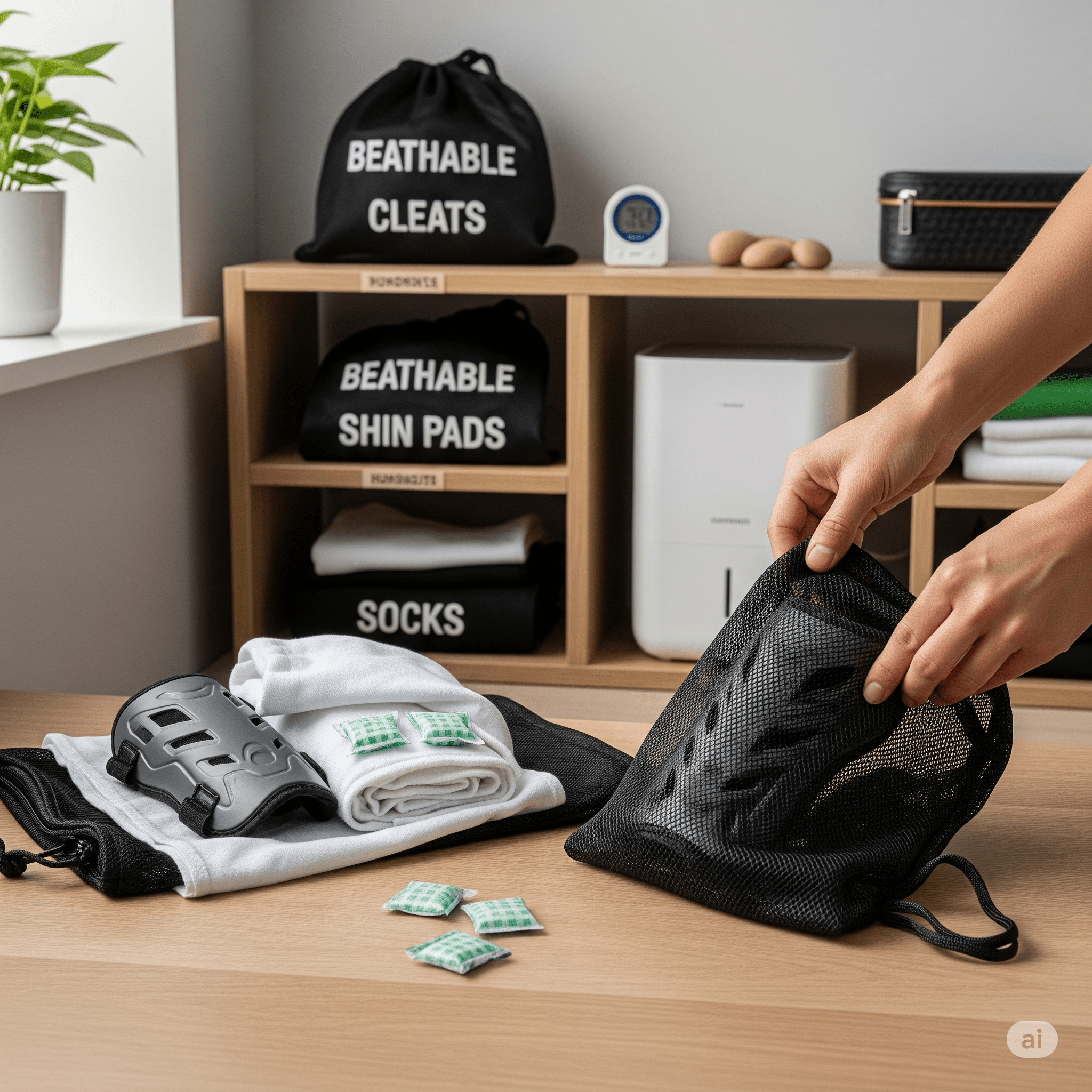
Place each boot into a breathable fabric bag or a mesh sports bag. Cotton, canvas, or nylon mesh works. This allows any minuscule residual moisture to evaporate and keeps dust off while preventing mold.
Never use a sealed plastic bag, a zip-lock, or a plastic storage box. As covered earlier, these trap moisture and guarantee problems. If you want extra protection against humidity, toss a couple of silica gel packs into the fabric bag before closing it.
Step 7: Choose the Right Storage Spot
The final storage location must be cool, dry, and stable. A shelf in an indoor closet is ideal. A bedroom cupboard works. The environment should have minimal temperature fluctuation and low humidity.
| Storage Location | Why It Works or Fails | Likely Damage Timeline |
|---|---|---|
| Indoor closet shelf | Stable temp, low humidity, dark | None if boots are prepared correctly |
| Garage | Wild temp swings, humidity, dust | Sole separation within 3–4 months |
| Attic | Extreme heat in summer, cold in winter | Upper material hardening in 2 months |
| Basement | High constant humidity, possible damp | Mold spots within 6 weeks |
| Car trunk | Heat, fuel fumes, condensation | Accelerated material degradation in 1 month |
TL;DR: Follow the seven steps in order. Strip, scrub, dry with newspaper, condition leather, stuff, use a fabric bag, and store indoors. Skipping any step introduces a specific failure mode.
Material-Specific Storage Rules: Leather vs. Synthetic
The core process is the same, but leather and synthetic boots have one critical divergence. Leather needs active conditioning. Synthetics need a different kind of vigilance.
Leather Cleats: The Conditioning Imperative
Leather boots, like classic Adidas Copa or Nike Tiempo models, are porous. They absorb and release moisture with the environment. During storage, the environment is static. Without their natural oils, the fibers within the leather tighten and crack.
Apply conditioner after drying but before stuffing. Use a product meant for sports leather, not a generic shoe polish. Those polishes can clog pores. Let it soak in, then wipe. The boot should feel supple, not greasy.
After long storage, leather boots will feel stiff. That’s normal. Recondition them lightly before the first training session. Wear them indoors for an hour to let the material warm and flex naturally. Don’t force them into a full session straight away.
Synthetic Cleats: The Adhesive and Shape Threat
Synthetic boots, including modern knit uppers like those on Nike Mercurial or Adidas X models, face two storage risks. First, heat weakens the adhesives bonding the sole plate. Second, the synthetic material can permanently crease if collapsed.
The drying rule is absolute. No heat. Ever. Even a hairdryer on “cool” setting is risky if it’s too close. The adhesives soften at relatively low temperatures. Warped soles are a common post-storage issue.
Stuff them firmly. Synthetic uppers don’t rebound from deep creases as leather might. A collapsed toe box stays collapsed. Using boot shapers is a good investment here.
For boots used on artificial turf, the cleaning step is even more critical. Turf rubber pellets and fine sand embed into the weave. Our guide on cleaning muddy cleats includes specific techniques for turf debris, which is finer and more abrasive than grass mud.
The Storage Environment: What “Cool and Dry” Really Means
Cool means room temperature, roughly 18–22°C. Dry means relative humidity below 50 percent. You don’t need a hygrometer. If your closet doesn’t feel damp and isn’t next to a bathroom or kitchen, it’s probably fine.
A simple test: if you can store books or clothes in that spot without them getting musty, it’s suitable for boots. Avoid spots near exterior walls that get cold in winter, as condensation can form inside the bag.
I stored a pair of synthetic boots in a basement cupboard one winter. The basement felt dry. But the cupboard was against an exterior stone wall. By March, a faint mildew smell clung to the boots. I had to wash them three times with vinegar solution to kill the odor, and the upper’s feel never fully recovered.
If you’re in a humid climate, add moisture absorbers. Silica gel packs are cheap and reusable. Place two in the fabric bag with the boots. They pull any residual moisture out of the air inside the bag.
Ventilation matters too. A breathable fabric bag allows air exchange. A sealed container does not. This is why a mesh bag is superior to a plastic box even in a good closet.
Reconditioning Cleats After Long Storage
When you pull the boots out months later, they won’t be game-ready immediately. They need a quick revival.
First, inspect them. Check for any mold spots (grey or black dots). If present, wipe with a cloth dampened with a mild vinegar solution (1 part vinegar to 10 parts water). Let dry fully.
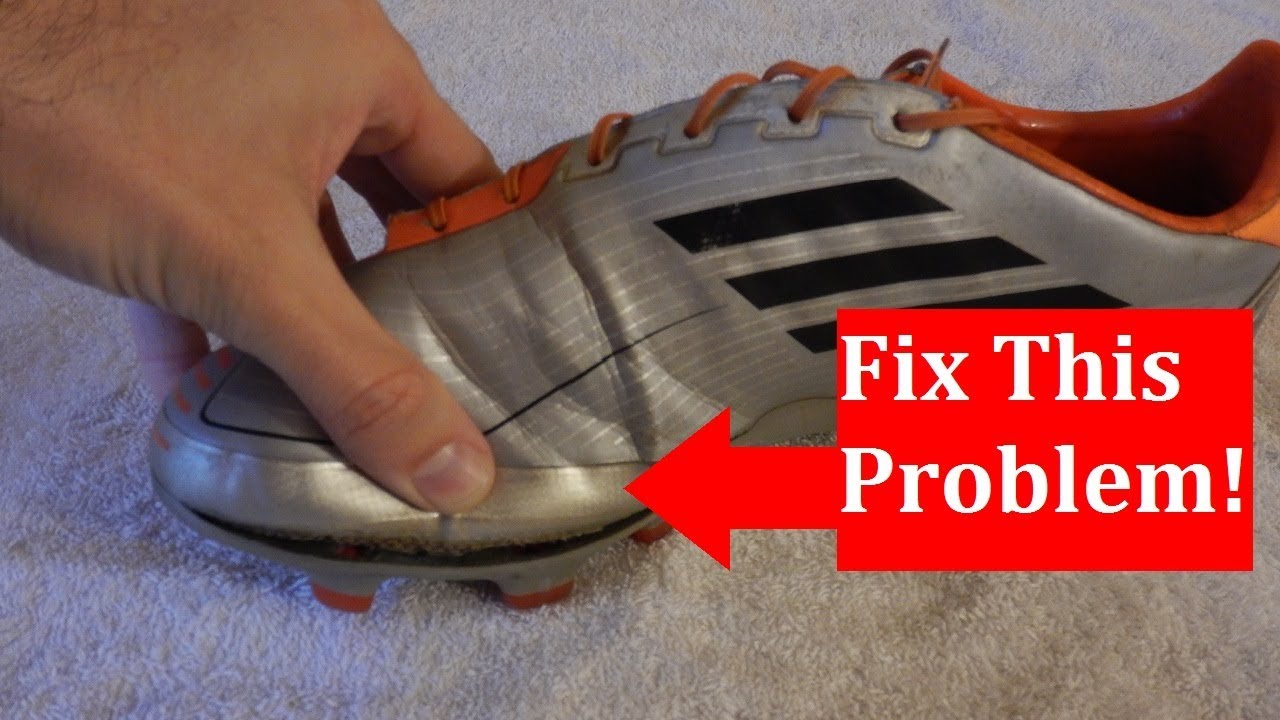
Check the sole integrity. Press around the edge where the sole meets the upper. If you feel any softness or gap, the adhesive may have degraded. That’s a sign of wear that could lead to rapid failure. Our article on worn-down studs details other post-storage inspection points.
For leather boots, apply a light conditioner again. Just a thin layer to rehydrate the material. For synthetics, simply wear them indoors for a short period to let the material adapt to your foot again.
Re-lace them with the cleaned laces. Walk around. Feel for any unexpected pressure points or looseness. If they feel oddly shaped, they may have collapsed despite stuffing. That’s a sign you didn’t pack them firmly enough.
If the boots passed inspection and feel good, they’re ready. If they smell, feel stiff, or have visual damage, consider replacement. Storage isn’t a magic shield, it’s a preservation method. If the preservation failed, the boots failed.
Frequently Asked Questions
Can I store my cleats in their original box?
Only if the box is cardboard and you leave it open. Sealed cardboard still traps moisture. The original box is often a tight fit, which pressures the upper. A breathable bag on a shelf is better.
How long can I store cleats without checking them?
Three to four months is safe if you followed all steps. Beyond six months, consider a quick mid-storage check. Open the bag, feel for moisture, ensure the stuffing is still dry. This is especially important in variable climates.
Do I need to store different types of cleats separately?
Not necessarily, but recognize their needs. Turf shoe options with rubber soles and indoor shoes have less adhesive risk but are still prone to odor. Our guide on indoor soccer shoes notes their simpler storage needs. Keep them in their own bag to avoid cross-contact with dirt from outdoor cleats.
Will storage prevent my cleats from wearing out?
No. Storage prevents unused damage from environment and neglect. It doesn’t stop the natural wear from playing. Studs will still wear down, soles will still fatigue. Proper storage just ensures they start next season in the same condition they ended the last one.
Can I use something other than newspaper for stuffing?
Yes. Boot shapers are designed for this. Some people use clean, dry rags or even packing paper. The key is that the material absorbs moisture and maintains shape. Newspaper is cheap and highly absorbent, which is why it’s the standard.
Before You Go
Storing soccer cleats isn’t about hiding them for a few months. It’s about active preservation. The seven-step process, strip, scrub, dry, condition, stuff, bag, and place, each defends against a specific failure mode that happens in silence.
Leather boots demand conditioner. Synthetic boots demand perfect drying and shape support. The storage environment must be cool, dry, and indoors. Garages, attics, and plastic bags are the three most common ruiners.
When you pull them out, inspect and lightly recondition. They should feel like they did when you put them away, ready for the first training session. If they don’t, you missed a step. Next season, follow the chain from start to finish. Your boots, and your budget, will thank you.

I come from the “soccer heart” of Germany, the Ruhrpott. I have played, trained and followed soccer all my life and am a big fan of FC Schalke 04. I also enjoy following international soccer extensively.